Feline calicivirus (FCV) is a contagious viral infection that commonly causes sneezing, nasal congestion, eye discharge, fever, and painful mouth ulcers in cats. Most cases are mild to moderate, but some cats develop pneumonia, temporary lameness, severe mouth disease, or—rarely—life-threatening illness affecting multiple organs.
FCV does not infect people. It does, however, spread easily between cats through saliva, respiratory secretions, contaminated bowls and bedding, and people’s hands or clothing. A cat with breathing trouble, profound weakness, severe dehydration, or rapidly worsening symptoms needs urgent veterinary care.
What is feline calicivirus?
Feline calicivirus is one of the major causes of feline upper-respiratory disease. It is a virus with many genetically different strains. Most strains cause respiratory and oral symptoms, while others can affect the joints or lungs. Rare variants cause FCV-associated virulent systemic disease (FCV-VSD), a serious illness involving several body systems.
FCV is not the same virus as feline herpesvirus type 1, although cats can have both infections at once. Symptoms alone cannot always distinguish them. Mouth ulcers are particularly suggestive of calicivirus, while herpesvirus more commonly causes severe eye disease, but these patterns are not absolute.
Recommended Free Tools
#1 Best Overall
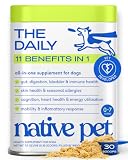
- 11-in-1 Daily Dog Vitamins, No Fillers: Simplify your dog's wellness routine to a single daily scoop. Native Pet's multivitamin for dogs is formulated with a Board-Certified Veterinary Nutritionist using quality ingredients and no artificial additives.
- Gut Health and Joint Comfort in Every Scoop: Probiotics support healthy digestion and stool quality for dogs prone to gut sensitivity, while glucosamine and collagen support joint comfort and everyday movement. With consistent daily use, your dog gets targeted nutritional support where it matters most. Consult your veterinarian before use if your dog is on medication or has an existing health condition
- Skin, Coat, Energy, and Beyond: Dull coat, dry skin, seasonal scratching - whether it's occasional dry patches or ongoing seasonal irritation, this formula delivers targeted daily nutrients to support healthy skin and a shiny coat. It also supports energy, heart health, and cognitive function to keep dogs engaged and alert. Ideal during seasonal changes or for aging dogs showing signs of slowing down; works for active breeds, seniors, and every dog in between
- Beef Bone Broth Flavor Dogs Enjoy: This beef bone broth-flavored powder mixes effortlessly into kibble, wet food, or raw meals as a simple food topper. Just 1 scoop daily provides a 30- to 120-day supply, depending on package size. Suitable for dogs of all breeds and life stages.
- Made in the USA, Clean Label You Can Trust: Native Pet dog supplements are made in the USA with high quality ingredients and no artificial additives. This minimally processed powder delivers higher active ingredient concentration, covering all 11 nutritional bases in a single daily scoop. Please Note: Packaging may vary due to design changes. Contents remain unchanged in quality and ingredients.
How cats catch calicivirus
FCV spreads when a susceptible cat contacts infected material, including:
- Saliva
- Nasal or eye discharge
- Droplets released by sneezing
- Food and water bowls
- Litter boxes and scoops
- Bedding, carriers, toys, and grooming equipment
- Contaminated hands, clothing, or veterinary equipment
The incubation period is generally 2 to 14 days, according to Cornell University College of Veterinary Medicine. Cornell and ABCD report that cats commonly shed the virus for two to three weeks after infection, but some become carriers and continue shedding intermittently for months. Under suitable conditions, FCV can survive on surfaces for about a month, according to Cornell. Cleaning and separation are important in homes with several cats and in shelters, catteries, boarding facilities, and veterinary hospitals.
Symptoms of feline calicivirus
Signs vary according to the virus strain, the cat’s age, vaccination status, and overall health. Common symptoms include:
- Sneezing
- Nasal congestion or discharge
- Eye discharge or conjunctivitis
- Fever
- Drooling
- Painful ulcers or raw erosions on the tongue, gums, palate, or lips
- Bad breath
- Reduced appetite or difficulty eating
- Lethargy
- Weight loss
- Lameness or painful joints
Mouth pain and congestion can have a major effect on eating. Ulcers make chewing uncomfortable, while a blocked nose reduces the cat’s ability to smell food. A cat may approach the bowl, sniff, and walk away even when it is hungry.
How long does calicivirus last?
Cornell University and Merck Veterinary Manual report that mild illness often lasts 5 to 10 days. More severe infections can continue for up to six weeks. Kittens, older cats, and cats with another illness are more likely to become seriously unwell.
FCV-related lameness
Some strains cause a short-lived lameness syndrome, especially in kittens. The cat may develop fever, suddenly painful joints, and difficulty walking, sometimes without obvious mouth ulcers or pneumonia. Vaccinated cats can still experience this form because vaccination does not cover every FCV strain.
Rank #2

- LIFELONG NUTRITION FOR DOGS: A comprehensive daily multivitamin for dogs providing essential nutrients for all life stages, from puppy to senior dogs. We source each ingredient for our premium dog vitamins and supplements from whole food sources.
- DIGESTIVE AND IMMUNE SUPPORT FORMULA: Plant based digestive enzymes, prebiotics, and probiotics provide optimal support. Our dog multivitamin with probiotics acts as a simple daily probiotic for dogs that gently supports digestive health.
- REAL RESULTS SKIN AND COAT CARE: Essential Omega fatty acids support skin allergies, making our all in one dog multivitamins powder an excellent choice for dogs with sensitive skin. Using a multi vitamin for dogs promotes a soft, thick coat.
- CONVENIENT DOG SUPPLEMENT POWDER: This versatile dog food topper is easy to mix with any meal, providing a complete dose of vitamins for dogs. Our proprietary powder has an increased absorption rate over other chewable dog supplements and vitamins.
- PUPPY TO SENIOR CARE: Our versatile supplement provides dog vitamins for homemade food, including tailored support for puppies, older dogs, and those with special dietary needs. Your search for small and large breed dog multivitamins can stop here!
Pneumonia and breathing problems
In severe cases, infection can extend into the lungs. Open-mouth breathing, obvious effort when breathing, blue or gray gums, rapid breathing, collapse, or marked weakness are emergencies. Do not wait to see whether these signs improve at home; call an emergency veterinary service and keep the cat as calm as possible during transport.
Rare virulent systemic disease
FCV-VSD is uncommon but can be fatal. Seek immediate veterinary help if a cat develops several of the following:
Crashes, No Sound, or Screen Glitches?
Random freezes, missing sound and display glitches usually trace back to one bad driver. Find and replace yours safely.Free scan · under a minutePC Slower Than It Used to Be?
A free scan shows the junk files, broken settings and background clutter dragging Windows down - then fixes them in one click.Free scan · Windows 10 & 11- Very high fever
- Rapid deterioration
- Swelling of the face, head, or legs
- Crusting sores or hair loss around the nose, eyes, ears, or footpads
- Yellow discoloration of the mouth, gums, or ears
- Bleeding under the skin or from the digestive tract
- Severe respiratory distress
Suspected cases require prompt isolation and intensive veterinary management. Cornell University and ABCD note that genetic testing cannot reliably predict whether a particular FCV strain will cause the virulent systemic form.
When to call the veterinarian
Contact your veterinarian if your cat has mouth ulcers, fever, persistent discharge, marked lethargy, lameness, or is eating substantially less than usual. Cats can become dehydrated and nutritionally depleted quickly when mouth pain and congestion occur together.
Get urgent care for breathing difficulty, collapse, severe weakness, repeated vomiting, signs of dehydration, very high fever, facial or limb swelling, abnormal bleeding, yellow gums, or rapid worsening. A cat that stops eating needs prompt advice. Cornell notes that cats that have not eaten for more than three days may require hospitalization for fluids and nutritional support, but waiting that long is not appropriate for a kitten, an overweight cat, or a cat that is already ill.
How veterinarians diagnose FCV
For an uncomplicated respiratory infection, a veterinarian may make a working diagnosis from the cat’s history and examination. The mouth, eyes, nose, hydration status, temperature, lungs, and ability to eat all help determine severity.
Rank #3

- Vet-Developed Dual Fiber Formula: This isn't just pumpkin powder; it's a precise ratio of soluble and insoluble fiber developed with Board-Certified Veterinary Nutritionist to promote firm stools and support digestive regularity. Dose 1 scoop (1 tablespoon) per 25 lbs of body weight; start with half the recommended serving for the first 7 days to let sensitive stomachs adjust comfortably
- Daily Support or On-Demand Relief: Formulated specifically for dogs, this powder works as a daily digestive supplement for ongoing gut health or as a go-to any time your dog experiences digestive upset. The 7-day gradual introduction period sets realistic expectations while supporting digestive regularity in both directions; use it to help maintain firm stools and support healthy bowel movement whether your dog needs everyday maintenance or occasional digestive aid
- Easy to Use for Dogs of All Sizes: Simply scoop, mix into water, kibble, wet food, or raw diet, and serve; no prep, no mess, no refrigeration required. Made with real organic pumpkin and apple, most dogs take to the natural flavor without hesitation. Always ensure fresh water is available, and consult your veterinarian before use with puppies or dogs on medication; this shelf-stable powdered topper is ready at home, on the road, or at boarding
- Only 3 Organic Ingredients, No Fillers: Organic pumpkin delivers soluble fiber for firm stool support; organic pumpkin seed adds insoluble fiber for healthy bowel regularity; organic apple rounds out the formula with natural fiber, vitamin A, and potassium. All 3 ingredients are USDA Organic certified and non-GMO. No artificial additives, no fillers, no fluff
- Powder Format Outlasts Canned Pumpkin: This shelf-stable powder stores without refrigeration and comes in a compact, easy-to-store container. Scoop, mix, serve; it's that simple. Keep it in your pantry for daily digestive maintenance, pack it for travel, use it during dietary transitions, or reach for it any time your dog's gut needs a little extra support. Please Note: Packaging may vary due to design changes. Contents remain unchanged in quality and ingredients.
Testing is particularly useful when several cats are sick, an outbreak is suspected, the cat lives in a shelter or cattery, the illness is unusually severe, or the result will change isolation and infection-control decisions. A laboratory may test swabs from the mouth, throat, nose, or eyes using reverse-transcriptase polymerase chain reaction (RT-PCR) or virus isolation.
What an FCV test can—and cannot—show
| Result or assumption | What it means |
|---|---|
| Positive RT-PCR | FCV genetic material was detected, but this does not prove FCV is causing every symptom. Healthy cats, carriers, and recently vaccinated cats may test positive. |
| Negative RT-PCR | FCV has not been detected in that sample. A negative result does not completely rule out infection. |
| Antibody test | Usually not useful for diagnosing active infection because antibodies may result from vaccination or previous exposure. |
| Positive test in a severely ill cat | Must be interpreted alongside the examination, timing, vaccination history, exposure, and other possible diagnoses. |
Commercial testing cannot reliably distinguish an ordinary FCV infection from FCV-VSD. The cat’s clinical condition and speed of deterioration are more important than a test label alone.
Treatment for feline calicivirus
There is no routinely available medicine that eliminates FCV from an infected cat. Treatment is mainly supportive and is tailored to the cat’s symptoms and hydration, nutrition, and breathing status.
A veterinarian may recommend:
- Fluids for dehydration
- Cat-safe pain relief and fever control
- Cleaning of nasal and eye discharge
- Saline nose drops or humidification to loosen secretions
- Soft, strongly scented, palatable food
- Nutritional support or a feeding tube if eating is inadequate
- Oxygen therapy for serious respiratory disease
- Hospitalization for cats that are dehydrated, unable to eat, or dangerously ill
Do antibiotics treat calicivirus?
No. Antibiotics do not kill FCV. A veterinarian may prescribe them when a secondary bacterial infection is suspected or documented—for example, when fever, lethargy, or anorexia occur with thick mucopurulent nasal discharge. Giving leftover antibiotics or using them “just in case” can cause side effects and is not a substitute for an examination.
The Tool Desk
Outbyte Driver Updater FREEScan for outdated or missing drivers - takes under a minuteDriver Scan →Outbyte PC Repair FREEClear out junk files and repair common Windows errorsFree Scan →Helping a cat eat
Offer small, frequent portions of soft food that your cat already accepts. Slightly warming food can increase its smell, but do not serve it hot. Gently wipe discharge from the nose and eyes with a clean, damp cloth, and ask your veterinarian whether saline or humidification is suitable.
Do not force food into a painful mouth unless your veterinarian has shown you how to do so. Never give human painkillers or cold medicines without specific veterinary instructions. Common human medications can be toxic to cats.
Rank #4

- Dog Multivitamin for Enhanced Support - Nature Target 10-in-1 dog vitamins and supplements provide well-round daily support for your dog. Combined with 10 key ingredients, it helps promote digestive, gut, joints, skin and immune health. In addition, the natural and tasty chicken flavor powder is great to be mixed into your dog's food. Each container provides a large capacity supply of 90 servings and it will provide overall protection for your puppy from head to paw and inside and out.
- Dog Probiotics for Digestive Health - Our probiotics for dogs is specially formulated with 5 billion CFUs and 8 strains probiotics, prebiotics and digestive enzymes. Digestive enzymes can break down food, and prebiotics helps the growth of beneficial gut flora. These combined will help relieve digestive and gut issues like diarrhea, constipation, vomiting, gas and support bowel movements. The natural vitamin B, C, D work together to fill in the gap of nutrients and help boost the immune system.
- Hip and Joint Supplement for Dogs - Our product has large amounts of glucosamine, chondroitin, msm and hyaluronic acid to support hips and joints. It can help relieve joint pain, reduce joint stiffness and swelling, repair cartilage and also increase your dog's mobility and flexibility and support normal physical performance. Vitamin D improves the absorption of calcium nutrients and strengthens bones. Your puppy will scamper around full of energy and happiness with these dog joint supplement!
- Shiny and Healthy Skin & Coat - Nature Target dog multivitamin features a blend of flaxseed and Omega 3 extract from marine algae, which provides essential fatty acids to support healthy skin and coat. Added with Vitamin E, it forms a powerful antioxidant that can help relieve dry, itch skin. It helps reduce inflammation, promote dog itch relief, boost cognitive function and improve immune health. With our advanced formula, your fur baby will look soft, shiny and energetic.
- Scientific Formula and High Potency - All of our products are made with all-natural ingredients and produced in a GMP-certified facility. We use a unique delayed-release and 3-layer protective technique to make probiotics delivered to the deep intestine, ensuring it really works. And the powder form greatly increases the potency of the active ingredients. It is gluten free, grain free, corn free and NON-GMO.
Persistent mouth inflammation after FCV
Some cats develop chronic gingivitis or feline gingivostomatitis, a painful inflammatory condition affecting the gums and other tissues of the mouth. FCV may be associated with this disease, but a positive FCV test does not prove that the virus is its only cause.
Management may include a thorough dental assessment, pain control, anti-inflammatory or immune-modifying treatment, and dental extractions in severe cases. A cat with ongoing drooling, bad breath, bleeding gums, difficulty eating, or weight loss needs a veterinary dental evaluation rather than repeated home treatment for a presumed “cold.”
Do these 3 things before closing this tab:
1Fix the driver behind crashes, sound loss and screen glitches2Clear out junk files and repair common Windows errors3Scan for outdated or missing drivers - takes under a minutePreventing spread at home
If one cat is ill and separation is practical, place it in a separate room with its own bowls, litter equipment, bedding, and grooming supplies. Keep the sick cat away from other cats, especially kittens and cats with weakened immune systems. Handle healthy cats first, the sick cat last, and wash your hands afterward.
- Remove food, feces, vomit, and other organic material before disinfecting.
- Clean bowls, litter equipment, hard surfaces, carriers, and floors regularly.
- Wash bedding and clothing at 60°C or higher when the material allows.
- Use a disinfectant proven effective against FCV and follow its dilution and contact-time instructions.
- Never mix bleach with another cleaning product.
- Do not use phenol-containing cleaners around cats; these can be irritating and toxic.
For outbreak control, ABCD guidance identifies sodium hypochlorite, potassium peroxymonosulfate, and chlorine dioxide as effective disinfectant classes when used correctly. ABCD lists sodium hypochlorite at 2,700 ppm for one minute, potassium peroxymonosulfate at 1% for 10 minutes, and chlorine dioxide at 10 ppm. Product labels and a veterinarian’s infection-control plan should take priority, since concentrations and directions vary.
There is no single short quarantine period that guarantees a cat is no longer infectious. Cornell and ABCD report that many cats shed for two to three weeks, and some carriers shed intermittently for months. In a multicat household or facility, ask a veterinarian when separation can end and how to manage the remaining cats.
Vaccination
FCV vaccination is a core part of feline preventive care. In the United States, it is usually given in the FVRCP combination vaccine, alongside protection against feline herpesvirus type 1 and feline panleukopenia virus.
Free tools Windows power users keep installed
One-click scans. No signup required.
Best Value

- SKIN & COAT NOURISHMENT: Fish oil for dogs and cat like Wild Alaskan Salmon Oil provides omega-3 fatty acids, helping maintain a shiny coat and nourished skin
- OMEGA 3 HEALTH SUPPORT: Our omega 3 fish oil for dogs and cats is packed with EPA and DHA, supporting overall pet health, supporting the immune system, joints, and heart function
- EASY-TO-MIX FORMULA: Avoid capsules with this easy salmon oil for cats and dogs; simply add a few pumps to food for a nutritious boost
- NOURISHES SKIN: This cat and dog oil for skin and coat is gentle, making it a key part of cat and dog health supplies
- BOOST IMMUNE SYSTEM: Rich in omega 3, this cat and dog salmon oil not only supports skin and coat health but also strengthens immune function and overall well-being, fitting dog health needs
Vaccination does not reliably prevent infection, shedding, or illness from every FCV strain. Its main benefit is reducing the severity of disease. AAHA/AAFP guidance says kittens receiving parenteral FVRCP commonly begin vaccination no earlier than six weeks of age and receive doses every three to four weeks until 16–20 weeks, followed by boosters based on the product, the cat’s health, and exposure risk. The 2020 AAHA/AAFP guidance discusses considering a booster at six months, then revaccination every three years when appropriate; intranasal products can have different schedules.
Cats entering shelters, catteries, boarding facilities, or other high-exposure environments may need a different vaccination and infection-control plan. Your veterinarian should set the schedule for your cat rather than relying on a generic online timetable.
Common misconceptions about calicivirus
| Claim | The more accurate explanation |
|---|---|
| “A vaccinated cat cannot get FCV.” | Vaccination lowers the risk of severe disease but does not cover every strain or reliably prevent infection and shedding. |
| “A positive PCR proves FCV caused the illness.” | The result must be interpreted with the cat’s symptoms, timing, vaccination history, and exposure. |
| “Antibiotics cure calicivirus.” | Antibiotics target secondary bacterial infections, not the virus. |
| “The cat is safe to mix with others after a week.” | Shedding often lasts two to three weeks and may continue intermittently for months in carrier cats. |
| “FCV and feline herpesvirus are the same.” | They are different viruses, although both can cause respiratory disease and may infect a cat simultaneously. |
Sources
- Cornell University College of Veterinary Medicine: Feline Calicivirus
- ABCD: Guideline for Feline Calicivirus Infection
- Merck Veterinary Manual: Feline Respiratory Disease Complex
- AAHA/AAFP: Core Vaccines for Pet Cats
FAQ
Can humans catch feline calicivirus?
No. FCV is a cat virus and is not known to infect people. People can still carry the virus between cats on contaminated hands, clothing, bowls, or equipment.
Can a cat recover from calicivirus?
Most cats with uncomplicated disease recover with supportive care, often within 5 to 10 days. Severe illness can last much longer, and some cats become intermittent carriers or develop persistent mouth inflammation.
Should I isolate a cat with calicivirus?
Yes, separate the sick cat from other cats where practical and provide separate bowls, litter equipment, bedding, and grooming supplies. Ask your veterinarian how long separation should continue because shedding can last weeks or months.
Is feline calicivirus fatal?
Most infections are not fatal, but pneumonia and the rare virulent systemic form can be life-threatening. Open-mouth breathing, collapse, severe weakness, facial swelling, bleeding, yellow gums, or rapid deterioration require emergency veterinary care.
The Bottom Line
Feline calicivirus usually causes a contagious respiratory illness with prominent mouth ulcers, but it can also cause lameness, pneumonia, chronic oral disease, and rare systemic emergencies. Veterinary care focuses on hydration, pain control, nutrition, and breathing support; antibiotics are used only for suspected secondary bacterial infection. Separate sick cats, disinfect carefully, and keep core vaccinations current—while remembering that vaccination reduces severity but does not block every infection.
Quick Recap
Product prices and availability are accurate as of the date/time indicated and are subject to change. Any price and availability information displayed on Amazon at the time of purchase will apply.
Quick wins for a faster PC:
Repair Windows errors before they cause bigger problemsFix Now →Fix the driver behind crashes, sound loss and screen glitchesFind Drivers →



