Outdated Drivers Are Slowing You Down
One free scan finds every outdated or missing driver and matches the right update for your exact hardware.Free scan · exact hardware matchPC Slower Than It Used to Be?
A free scan shows the junk files, broken settings and background clutter dragging Windows down - then fixes them in one click.Free scan · Windows 10 & 11Orphaned kittens need frequent, age-appropriate feeds: about every 2–3 hours in the first week, every three hours at two weeks, and every four hours at three weeks. Start weaning gradually at about four weeks and transition to complete kitten food; healthy kittens with an attentive nursing mother should normally stay with her and nurse.
The amounts below are examples, not universal prescriptions. Follow the formula label and veterinary advice, weigh hand-fed kittens daily, and get help if a kitten is cold, weak, refusing meals, or not gaining weight. ASPCA guidance on found kittens advises against separating healthy kittens from their mother unnecessarily.
Kitten feeding schedule: birth to 8 weeks
Use this schedule as a starting point for an orphaned kitten. Example amounts are from the Best Friends foster protocol; the right amount depends on weight, formula concentration, health, and how much solid food the kitten eats. Follow the milk-replacer directions and your veterinarian’s instructions.
| Age | Primary food | Typical schedule | Example amount |
|---|---|---|---|
| Birth–7 days | Commercial kitten milk replacer | Every 2–3 hours, including overnight; about 8–12 feedings daily | About 3–4 cc per feeding |
| 8–14 days | Commercial kitten milk replacer | Every 3 hours; about 8 feedings daily | About 5–6 cc per feeding |
| 15–21 days | Commercial kitten milk replacer | Every 4 hours; about 6 feedings daily | About 13–17 cc per feeding |
| 4 weeks | Formula plus the beginning of gruel | Bottle about every 6–8 hours while learning to lap; offer gruel regularly | Often about 13–17 cc per bottle, reduced as gruel intake increases |
| 5–6 weeks | Wet or moistened complete kitten food | Several small meals daily; supplement with formula if intake is inadequate | Varies by food label, weight, and appetite |
| 7–8 weeks | Complete kitten food and water | Wet food at least 2–3 times daily; dry food may be available | Formula is usually no longer needed if the kitten eats enough solid food |
These ages describe a progression, not a deadline. A small or delayed kitten may need more time at each stage. Do not force abrupt weaning simply because the kitten has reached four weeks.
Do these 3 things before closing this tab:
1Clear out junk files and repair common Windows errors2Scan for outdated or missing drivers - takes under a minute3Repair Windows errors before they cause bigger problems#1 Best Overall
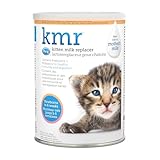
- KITTEN MILK REPLACEMENT - When mom can’t nourish them, KMR can. Scientifically the next best to mother’s milk, KMR provides all the nutritional elements necessary for kittens, newborn to six weeks old.
- COMPLETE, BALANCED NUTRITION - Our formula is closest to mother's milk in protein, fat, and carbohydrates. We’ve also added vitamins, minerals, and trace nutrients; plus prebiotics and probiotics for healthy immunity and digestion.
- EASY TO DIGEST - KMR is highly palatable and formulated with a special fiber blend for easy digestion and improved gut health.
- EASY-TO-MIX FORMULA - Whisk or shake 1 part powdered KMR into 2 parts warm water. Do not mix more KMR than can be consumed in 24 hours. Do not use a blender.
- ABOUT US - PetAg is a trusted leader in pet wellness, with science-backed formulas in our milk replacers, health supplements, and grooming products helping pet owners to proactively enhance the lives of their pets, for more healthy years together.
Birth to 1 week: feed every 2–3 hours
A newborn orphan needs commercial kitten milk replacer, not cow’s milk. Feed about every two to three hours around the clock, including overnight. VCA guidance gives a broader range of every two to four hours during the first week; a weak, very young, or underweight kitten may need smaller, more frequent meals under professional guidance.
A foster protocol may use roughly 3–4 cc per feeding, but the correct volume depends on the kitten’s size and the formula’s concentration. A fixed amount that suits one newborn may overfeed another.
2 weeks: about eight feedings daily
At 8–14 days, continue kitten milk replacer about every three hours. A commonly used example is 5–6 cc per feeding. The kitten still needs bottle-feeding and usually cannot eliminate without help.
After each meal, gently rub the genital and anal area with a warm, damp cotton ball or soft cloth until the kitten urinates or defecates. Orphaned kittens generally need this help until about three weeks of age, according to VCA.
3 weeks: gradually lengthen the intervals
From 15–21 days, many kittens can manage a feeding about every four hours, or roughly six feedings daily. Foster protocols may list approximately 13–17 cc per feeding, but do not make a kitten finish a target volume if it is satisfied or distressed.
Rank #2

- KITTEN MILK REPLACEMENT - When mom can’t nourish them, KMR can. Scientifically the next best to mother’s milk, KMR provides all the nutritional elements necessary for kittens; newborn to six weeks old.
- COMPLETE, BALANCED NUTRITION - Our formula is closest to mother's milk in protein, fat and carbohydrates. We’ve also added vitamins, minerals and trace nutrients; plus prebiotics and probiotics for healthy immunity and digestion.
- EASY TO DIGEST - KMR is highly palatable and formulated with a special fiber blend for easy digestion and Improved gut health.
- EASY-TO-MIX FORMULA - Whisk or Shake 1 part powdered KMR into 2 parts warm water. Do not mix more KMR than can be consumed in 24 hours. Do not use a blender.
- ABOUT US - PetAg is a trusted leader in pet wellness, with science-backed formulas in our milk replacers, health supplements, and grooming products helping pet owners to proactively enhance the lives of their pets, for more healthy years together.
Some kittens begin investigating food near the end of this week. You can let them sniff an appropriate shallow dish, but milk replacer remains the main source of nutrition. Interest in food does not mean the kitten is ready to stop the bottle.
4 weeks: start weaning slowly
At about four weeks, offer warmed milk replacer in a shallow dish. Once the kitten understands how to lap, mix a small amount of complete wet kitten food with the replacer to make a thin, oatmeal-like gruel.
- Place the dish on a stable, low surface the kitten can reach.
- Let the kitten investigate and lap; do not push its face into the food.
- Continue bottle-feeding about every 6–8 hours while it learns.
- Reduce the bottle amount gradually as it reliably eats gruel.
- Clean the kitten’s face and paws after messy meals.
Offer gruel, fresh water, and appropriate kitten food regularly, but do not leave wet food out for long periods. Some kittens learn in a day; others take several days or longer. Continue supplemental formula if the kitten is only tasting food and not eating enough to maintain its weight. Best Friends’ foster guidance recommends a gradual transition.
The Tool Desk
Outbyte Driver Updater FREEScan for outdated or missing drivers - takes under a minuteDriver Scan →Outbyte PC Repair FREEClear out junk files and repair common Windows errorsFree Scan →5–6 weeks: move from gruel to kitten food
Gradually decrease the milk replacer in the gruel and increase the proportion of complete kitten food. By about 5–6 weeks, many kittens can obtain their nutrition from kitten food, though progress varies. Offer wet or lightly moistened kitten food in several small meals each day and provide a shallow bowl of fresh water.
Some kittens can also manage small amounts of dry kitten food at this stage. Do not assume that chewing a few pieces means the kitten is fully weaned. Track what it eats and continue bottle supplementation if intake is poor, it is losing weight, or it is not growing normally.
Rank #3
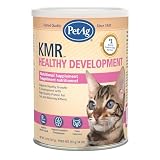
- NUTRITIONAL SUPPLEMENT - KMR Healthy Development supports healthy growth and development with high-quality protein for cats weaning to 6 years.
- SUPPORTS COGNITIVE DEVELOPMENT – With DHA (Omega 3 fatty acids) and Vitamin E, our formula supports visual & cognitive development.
- CONTAINS OMEGA 6 FATTY ACIDS - Our powder contains Omega 6 fatty acids to support a healthy skin and coat.
- GREAT TASTE - KMR Healthy Development is formulated with a great taste cats love. Supports transition to solid foods for weaning kittens.
- ABOUT US - PetAg is a trusted leader in pet wellness, with science-backed formulas in our milk replacers, health supplements, and grooming products helping pet owners to proactively enhance the lives of their pets, for more healthy years together.
Fresh wet food is safer than leaving moist food out all day. Remove uneaten food after a reasonable period, wash the dish, and offer a fresh portion later.
7–8 weeks: complete the transition
By 7–8 weeks, a normally developing kitten should get its nutrition from complete, nutritionally balanced kitten food. Offer wet kitten food at least two or three times daily, with dry kitten food and fresh water available as appropriate. Formula may still be appropriate if the kitten is not eating enough solid food or a veterinarian recommends it.
Many kittens are fully weaned between six and eight weeks, though some take longer. By about 8–10 weeks, kittens should generally be accustomed to eating unmoistened kitten food, according to the Merck Veterinary Manual.
How much formula does a bottle baby need?
A commonly used starting guide is about 8 mL of prepared formula per ounce of body weight per day, divided between the day’s meals. This is only a guide. The formula label may use a different calculation, and a veterinarian may adjust the amount for prematurity, illness, dehydration, or poor growth. Best Friends’ bottle-feeding guide describes this general starting point.
VCA gives approximate daily energy needs for orphaned kittens as follows:
Rank #4

- KITTEN MILK REPLACEMENT - When mom can’t nourish them, KMR Goat’s Milk can. Scientifically the next best to mother’s milk, KMR Goat’s Milk provides all the nutritional elements necessary for newborn kittens to 1 year old.
- COMPLETE, BALANCED NUTRITION - Our formula is closest to mother's milk in protein, fat, and carbohydrates. We’ve also added vitamins, minerals, and trace nutrients.
- EASY TO DIGEST - KMR Goat’s Milk is highly palatable and formulated with whole goat’s milk and a special fiber blend for easy digestion and improved gut health. This formula is complete and balanced closest to mother’s milk in protein, fat, and carbohydrates.
- EASY-TO-MIX FORMULA - Shake gently before use. Warm KMR to room or body temperature before serving. Portable, Tetra Pak container is resealable. Once opened, container must be refrigerated and discarded after 72 hours.
- ABOUT US - PetAg offers solutions to enrich the lives of animals & their caregivers. From nutritional supplements to grooming products, all our products are science-backed, formulated with high-quality ingredients, and supported by quality control.
- Days 1–3: 15 kcal per 100 g of body weight.
- Days 4–6: 20 kcal per 100 g of body weight.
- After day 6: up to 25 kcal per 100 g of body weight.
Do not try to make a newborn consume its full calculated amount in one large meal. Increase intake gradually and record weight, feeding times, and amounts consumed. A daily weight record is more useful than judging the size of the kitten’s belly.
Free tools Windows power users keep installed
One-click scans. No signup required.
How to bottle-feed safely
- Prepare commercial kitten milk replacer exactly as directed. Incorrect dilution can cause nutritional problems or digestive upset.
- Warm prepared formula to about 100°F (38°C). Test a drop on your wrist; it should feel warm, not hot.
- Position the kitten belly-down and horizontal. Keep the head neutral. Never feed a kitten on its back like a human infant.
- Check the nipple flow. Formula should come out roughly one drop at a time, not in a steady stream.
- Let the kitten suckle. Do not squeeze the bottle or force formula into its mouth. Never force-feed a kitten that cannot swallow.
- Stop when the kitten is satisfied. Its abdomen should be gently rounded, not hard, severely distended, or painful.
- Clean and warm the kitten afterward. Wipe formula from its face and feet and return it to a warm, dry nest.
Fast-flowing nipples, feeding on the back, syringe pressure, cold formula, and overfeeding can cause regurgitation, bloating, diarrhea, or aspiration. Formula entering the lungs can cause life-threatening pneumonia. See VCA’s orphaned-kitten feeding guidance.
Formula handling rules
- Use commercial kitten milk replacer rather than cow’s milk.
- Do not rely on homemade formulas when commercial replacer is available.
- Refrigerate prepared formula and use it within 24 hours.
- Discard formula that has been warmed or left at room temperature; do not chill it again for later use.
- Wash and sterilize bottles and nipples between feedings.
Cow’s milk does not provide the right nutrient balance for kittens and may trigger diarrhea. Table food is not a substitute for a complete kitten diet. ASPCA nutrition guidance recommends appropriate kitten food and cautions against cow’s milk.
Independent reader supportYour contribution helps us test, update, and keep practical guides available for everyone.When feeding problems are an emergency
Get prompt veterinary or emergency help if a kitten is cold, limp, unusually sleepy, unable to swallow, or refuses multiple meals. Do not feed a chilled kitten without professional guidance: hypothermia can impair digestion and increase the risk of regurgitation and aspiration.
Also seek help for formula coming from the nose, coughing, wheezing, rapid breathing, repeated vomiting, persistent diarrhea, severe bloating, dehydration, continuous crying, weight loss, or failure to gain weight. A kitten under four weeks that misses two meals, or a kitten over four weeks that goes more than 12 hours without eating, warrants prompt advice from a veterinarian or rescue professional, according to the Merck Veterinary Manual and Best Friends foster guidance.
Recommended Free Tools
Best Value

- KITTEN MILK REPLACEMENT - When mom can’t nourish them, KMR can. Scientifically the next best to mother’s milk, KMR provides all the nutritional elements necessary for newborn kittens to 1 year old.
- COMPLETE, BALANCED NUTRITION - Our formula is closest to mother's milk in protein, fat, and carbohydrates. We’ve also added vitamins, minerals, and trace nutrients for healthy immunity and digestion.
- EASY TO DIGEST - KMR is highly palatable and formulated with a special fiber blend for easy digestion and improved gut health.
- EASY-TO-USE FORMULA - Shake gently before use. Warm KMR to room or body temperature before serving. Portable, Tetra Pak container is resealable. Once opened, container must be refrigerated and discarded after 72 hours.
- ABOUT US - PetAg offers solutions to enrich the lives of animals & their caregivers. From nutritional supplements to grooming products, all our products are science-backed, formulated with high-quality ingredients, and supported by quality control.
Crying does not always mean hunger. It can signal chilling, illness, inadequate intake, discomfort, or another problem—and offering extra formula can make overfeeding worse.
FAQ
Should every newborn kitten be bottle-fed?
No. A healthy kitten with an attentive nursing mother should normally remain with her and nurse. Bottle-feeding is mainly for orphaned kittens, kittens rejected by their mother, or kittens whose veterinarian or rescue professional says supplemental feeding is necessary.
Can I give a kitten cow’s milk?
No. Cow’s milk is nutritionally unsuitable and can cause gastrointestinal upset, including diarrhea. Use commercial kitten milk replacer prepared according to its label.
When should a kitten stop drinking formula?
Weaning usually begins around four weeks and is completed for many kittens between six and eight weeks. Continue formula while the kitten learns to eat and if it is not consuming enough solid food. Do not stop abruptly just because it reaches a particular age.
What should I do if formula comes out of a kitten’s nose?
Stop feeding immediately and contact a veterinarian, especially if the kitten coughs, wheezes, breathes rapidly, or seems weak. Formula from the nose can indicate aspiration. Feed future bottles only with the kitten belly-down and never force formula into its mouth.
The Bottom Line
Orphaned kittens need frequent, carefully measured meals: roughly every 2–3 hours in the first week, every three hours at two weeks, and every four hours at three weeks. Begin gradual weaning at about four weeks, transition toward complete kitten food over the next two to four weeks, and monitor weight throughout. Use kitten milk replacer—not cow’s milk—feed belly-down, and contact a veterinarian promptly about poor appetite, breathing signs, chilling, vomiting, diarrhea, or weight loss.
Quick Recap
Product prices and availability are accurate as of the date/time indicated and are subject to change. Any price and availability information displayed on Amazon at the time of purchase will apply.




