Do these 3 things before closing this tab:
1Scan for outdated or missing drivers - takes under a minute2Clear out junk files and repair common Windows errors3Fix the driver behind crashes, sound loss and screen glitchesMost healthy adult dogs need several bathroom opportunities each day, but there is no universal number of times a dog should pee. A puppy may need to go every 30–60 minutes while awake, while an adult dog may follow a much less frequent routine. The useful benchmark is your dog’s normal pattern—and whether that pattern suddenly changes.
Age, bladder control, water intake, diet, exercise, weather, training, medication and medical conditions can all affect how often a dog urinates. A dog that suddenly pees much more or less than usual deserves attention, especially if urination is painful or produces only a few drops.
How many times a day should a dog pee?
Healthy adult dogs commonly urinate multiple times over 24 hours. Some go three or four times; others need more frequent opportunities. Neither schedule is automatically abnormal if it is consistent for that individual dog and each urination appears comfortable and normal.
Veterinary sources give different estimates for how long an adult dog may physically hold urine. VCA describes roughly 3–4 hours for a healthy, inactive adult dog, while PetMD gives a broader typical range of 6–8 hours. These are rough holding capacities, not a recommended routine. Being able to wait does not mean a dog should regularly be left without a toilet break for that long.
Free tools Windows power users keep installed
One-click scans. No signup required.
#1 Best Overall

- FSC-certified PADS (FSC N004130). Made with materials from well-managed forests, recycled materials, and/or other controlled sources
- INCLUDES: 100 Regular-size standard-absorbency puppy pee pads; ideal for puppy training, senior dogs, car trips, and more
- 5-LAYER PROTECTION: Multi-layer construction with quick-dry surface and absorbent core that turns liquid into gel on contact
- LEAKPROOF: Plastic lining keeps floors safe from damage; plastic border on all 4 sides to prevent overflow
- BUILT-IN ATTRACTANT: Helps aid in potty training
Instead of planning around the maximum time your dog can endure, offer bathroom breaks throughout the day. A dog’s size, health, hydration and individual habits matter more than a fixed target such as “exactly four times daily.”
Puppies need to pee much more often
Young puppies have small bladders and are still learning to recognize and control the need to eliminate. An approximately 8-week-old puppy may need to go outside every 30–60 minutes while awake, particularly during the first days or weeks in a new home.
A commonly used estimate is the puppy’s age in months plus one hour. Treat this as a loose planning aid, not a promise that the puppy can wait that long. Excitement, activity, drinking, eating and waking from a nap can shorten the interval considerably.
| Approximate age | Possible starting interval |
|---|---|
| 2 months | About every 2–3 hours, with extra trips after sleep, meals, drinks and play |
| 3 months | About every 3–4 hours |
| 4 months | About every 4–5 hours |
| 4–6 months | Bladder control often improves substantially, but progress varies |
Take a puppy out immediately after waking, eating or drinking, playing, training, or any especially exciting event. If accidents are frequent, shorten the interval rather than expecting the puppy to “hold it” longer. Many puppies have much better control by 4–6 months, but breed, size and individual development affect the timetable.
The Tool Desk
Outbyte Driver Updater FREEFix the driver behind crashes, sound loss and screen glitchesFind Drivers →Outbyte PC Repair FREEClear out junk files and repair common Windows errorsFree Scan →What changes a dog’s urination schedule?
A dog may pee more often for ordinary, temporary reasons:
Rank #2

- INCLUDES: 50 Regular-size standard-absorbency puppy pee pads; ideal for puppy training, senior dogs, car trips, and more
- 5-LAYER PROTECTION: Multi-layer construction with quick-dry surface and absorbent core that turns liquid into gel on contact
- LEAKPROOF: Plastic lining keeps floors safe from damage; plastic border on all 4 sides to prevent overflow
- BUILT-IN ATTRACTANT: Helps aid in potty training
- PRODUCT DIMENSIONS: 22 x 22 inches (LxW, overall); 19 x 19 inches (LxW, center pad); 1.65 inch border
- Drinking more after exercise or in hot weather
- A change in food, particularly a diet with more moisture
- Excitement, anxiety or stress
- Marking, which usually produces small amounts in several locations
- Rain or another unpleasant outdoor condition causing the dog to hold urine and then urinate more when comfortable
- Heat cycles in female dogs, when frequent small urinations or marking may occur
Medication can also increase urination. Examples include the diuretic furosemide, corticosteroids such as prednisone, and some anti-seizure drugs including phenobarbital. Ask your veterinarian what changes to expect when a medication is started or its dose changes; do not restrict water to compensate.
Do senior dogs pee more often?
Older dogs may need extra bathroom trips because bladder control declines, or because they develop kidney disease, diabetes, cognitive decline or another condition that increases urine production. Some medications commonly used by senior dogs also make them urinate more.
New nighttime accidents, urine leaking while asleep, or a marked increase in trips should not automatically be dismissed as “just old age.” A previously house-trained senior dog with a new pattern should be examined by a veterinarian.
Frequent small pees versus large amounts
The amount produced each time helps distinguish different problems. Keep track of whether your dog passes a normal stream or repeatedly squats and produces only drops.
| What you notice | What it can suggest |
|---|---|
| Many attempts, only a few drops, straining or discomfort | A bladder or lower urinary-tract problem, such as inflammation, infection, crystals or stones |
| Large amounts of urine and noticeably increased thirst | A problem affecting total urine production, such as diabetes or kidney disease, among other possibilities |
| Small amounts on vertical objects or several locations | Urine marking, although medical causes still need consideration if the behavior is new |
| Wet bedding or leaking while relaxed or asleep | Possible urinary incontinence or another medical issue |
For context, PetMD gives a typical daily urine volume of approximately 20–40 milliliters per kilogram of body weight over 24 hours, but measuring this accurately at home is difficult. A change from your dog’s established pattern is usually more useful than comparing the dog with a published number.
Rank #3
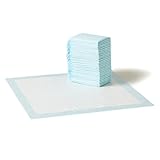
- INCLUDES: 30 Regular-size standard-absorbency puppy pee pads; ideal for puppy training, senior dogs, car trips, and more
- 5-LAYER PROTECTION: Multi-layer construction with quick-dry surface and absorbent core that turns liquid into gel on contact
- LEAKPROOF: Plastic lining keeps floors safe from damage; plastic border on all 4 sides to prevent overflow
- BUILT-IN ATTRACTANT: Helps aid in potty training
- PRODUCT DIMENSIONS: 22 x 22 inches (LxW)
Medical reasons a dog may pee more
Frequent urination can be caused by a urinary tract infection or bladder inflammation, but a UTI is not the only explanation. Other possibilities include bladder stones or crystals, kidney disease, diabetes mellitus, Cushing’s disease, prostate disease in male dogs, urinary incontinence, certain cancers and medication effects.
Do not use frequency alone to diagnose a UTI. A veterinarian may need a urinalysis and, depending on the findings, a bacterial culture, blood tests or imaging. Note when the change began, how much your dog drinks, whether each trip produces a normal stream, and any changes in appetite, energy, weight or urine appearance.
When should you call the veterinarian?
Arrange veterinary advice promptly if your dog has:
- A sudden increase or decrease in urination
- New accidents despite reliable house-training
- Straining, crying or obvious discomfort while peeing
- Blood in the urine
- A distinctly unusual or strong urine odor
- Frequent licking around the genitals
- Excessive thirst
- Weight loss, vomiting, lethargy or reduced appetite
Straining to urinate while producing little or no urine is an emergency. A blockage can become life-threatening, particularly if your dog also vomits, seems weak or lethargic, shows abdominal pain or becomes dehydrated. Go to an emergency veterinarian immediately rather than waiting to see whether the problem resolves.
How to monitor your dog at home
- Learn the baseline. For several ordinary days, note when your dog pees and whether the amount appears normal.
- Watch the stream. Record straining, repeated squatting, dribbling, blood, unusual color or a sudden odor change.
- Track water intake. Increased thirst alongside larger volumes is different from repeated attempts that produce only drops.
- Consider recent changes. Include new food, hot weather, strenuous exercise, stress, a heat cycle or a new medication.
- Call your veterinarian for a new pattern. These observations can help guide testing, but they cannot replace an examination or urine testing.
Maintain normal access to fresh water unless your veterinarian has given specific instructions. Restricting water can worsen dehydration and will not treat the underlying reason for frequent urination.
Rank #4

- 6-Layer High Absorbency: Powools puppy pee pads feature an advanced 6-layer structure with super-absorbent polymer that locks in moisture and turns liquid into gel instantly. This reliable absorbency makes them outstanding puppy pads for quick cleanup and dry paws.
- XL Size (34" x 28") for All Dogs: Powools dog pee pads with extra large size provide ample coverage for home floors. These pet training pads are designed to accommodate all breeds, including large dogs like Labradors and Golden Retrievers.
- Leakproof Protection for Floors:Powools pee pads for dogs have a premium PE film bottom layer that prevents urine leaks, effectively safeguarding floors, carpets, and furniture. The widen edges add extra security against spills.
- Durable & Versatile Use: As Powools high-quality pee pads for dogs, they are made thick and tear-resistant to withstand scratching. These durable dog pads are ideal for home, crates, kennels, and travel—protecting your belongings and saving effort.
- Convenient Folding for Storage: The pet training pads easily fold for compact storage, ensuring your pet has a clean, ready-to-use space anytime, anywhere. Their portability complements the versatility of Powools pee pads for dogs.
Common misconceptions
“Every dog should pee three or four times a day.”
There is no single correct frequency. A stable individual routine matters more than matching another dog’s schedule.
“If a dog can hold it, it is safe to make the dog wait.”
Physical capacity is not a suitable daily timetable. Arrange a dog walker, sitter, pet door or other appropriate bathroom option when you will be away for an extended period.
“Age in months plus one is an exact puppy rule.”
It is only a rough estimate. A puppy may need to go much sooner after a meal, drink, nap, play session or exciting interaction.
“Frequent urination always means a UTI.”
Infection is one possibility among several. Stones, diabetes, kidney disease, hormonal conditions, incontinence, medication effects and marking can look similar at first.
FAQ
How long can a dog hold its pee?
It varies by age, health, activity and individual dog. Adult dogs may physically hold urine for several hours, but maximum holding ability is not a good routine to follow. Puppies need much more frequent breaks, and dogs should be offered regular opportunities to urinate.
Windows Errors? Fix Them Before They Spread
Repair common Windows errors and clear accumulated junk for a smoother, more stable PC - no reinstall needed.Free scan · no reinstallOutdated Drivers Are Slowing You Down
One free scan finds every outdated or missing driver and matches the right update for your exact hardware.Free scan · exact hardware matchBest Value

- INCLUDES: 40 X-Large standard-absorbency puppy pee pads; ideal for puppy training, senior dogs, car trips, and more
- 5-LAYER PROTECTION: Multi-layer construction with quick-dry surface and absorbent core that turns liquid into gel on contact
- LEAKPROOF: Plastic lining keeps floors safe from damage; plastic border on all 4 sides to prevent overflow
- BUILT-IN ATTRACTANT: Helps aid in potty training
- PRODUCT DIMENSIONS: 28 x 34 inches (LxW)
Is it normal for my dog to pee only twice a day?
It may be normal for an individual dog if this is a consistent pattern, the dog drinks and behaves normally, and each urination is comfortable and substantial. A sudden decrease, straining, or attempts that produce little or no urine needs prompt veterinary attention.
Why is my dog peeing small amounts frequently?
Small, frequent urinations can result from marking, excitement or a heat cycle, but they can also indicate bladder inflammation, a urinary infection, crystals or stones. Straining, pain or little/no urine is urgent, so contact a veterinarian promptly.
Should I limit my dog’s water if it is peeing too much?
No. Keep fresh water available unless your veterinarian specifically instructs otherwise. Increased urination and thirst can signal illness, and restricting water can cause or worsen dehydration.
The Bottom Line
Dogs do not follow one universal peeing schedule. Puppies may need breaks every 30–60 minutes while awake, adults generally need several opportunities across the day, and seniors may need more frequent trips. Focus on your dog’s established pattern, the size of each urination and changes in thirst or behavior. Sudden changes, pain, blood or repeated attempts with little urine warrant veterinary advice; straining without producing urine is an emergency.
What’s actually slowing this PC down?
Pick the symptom - the matching free tool is one click away.
Quick Recap
Product prices and availability are accurate as of the date/time indicated and are subject to change. Any price and availability information displayed on Amazon at the time of purchase will apply.




