Recommended Free Tools
“Staph infection” in dogs usually means canine pyoderma—a bacterial infection of the skin or hair follicles. The organism most often involved is Staphylococcus pseudintermedius, a bacterium commonly carried on healthy dogs. Infection usually develops when allergies, parasites, moisture, licking, trauma, hormonal disease, or another condition damages the skin barrier and allows bacteria to multiply; it is not usually something a dog catches simply from a dirty environment.
The appearance can range from a moist, smelly hot spot to small pustules and crusts or painful, draining nodules. Surface and uncomplicated superficial infections are generally treated with veterinarian-directed topical therapy first. Deep, recurrent, or treatment-resistant infections need cytology, bacterial culture and susceptibility testing, systemic treatment when appropriate, and investigation of the underlying cause. A photograph—or the word “staph” on a test report—cannot establish the diagnosis by itself.
Staph Infection in Dogs: Causes, Symptoms, and Treatment
Staphylococcal bacteria are common on dogs, so finding staphylococci does not automatically mean a dog has an infection. Veterinarians diagnose disease by combining the dog’s signs, the depth and type of lesions, evidence of inflammation and bacteria on cytology, and—when needed—culture results. The term pyoderma is generally used for bacterial dermatitis or bacterial folliculitis in dogs.
Most canine skin infections are caused by S. pseudintermedius, not the human-adapted Staphylococcus aureus. A resistant form, called methicillin-resistant S. pseudintermedius or MRSP, can look exactly like ordinary pyoderma. Resistance cannot be identified from the skin’s appearance; laboratory testing is needed.
#1 Best Overall

- HELPS SUPPORT HEALTHY SKIN - With a wash and soaking of the coat for 5-10 minutes, our powerful ingredients work to help soothe red, scaly, greasy, or smelly skin that may cause your pet discomfort
- FAST ACTING – Works fast to soothe your pet's sensitive skin that may be affected by environmental stressors
- VET-RECOMMENDED – This pet shampoo is pH balanced for your pet's skin and is paraben and soap-free to promote overall skin and coat health without damaging detergents
- FOR DOGS AND CATS – Our cat and dog shampoo is intended for pets over 12 weeks of age. Use twice weekly until skin clears up, then once a week to help maintain skin health
- APPLICATION: This product is intended for topical use only. Read directions carefully before applying to your pet's coat. Test on a small area to avoid further sensitivity before using
What is a staph infection in a dog?
A staphylococcal infection is an infection caused by a species of Staphylococcus. In dogs, it most often affects the skin and hair follicles, where it is commonly called pyoderma or superficial bacterial folliculitis. Bacteria may also infect wounds, surgical sites, ears, urinary sites, and deeper tissues. Those infections require a veterinarian to manage the affected body site and should not automatically be treated like a routine skin rash.
S. pseudintermedius is part of the normal skin and mucosal microbiota of many dogs. In other words, a dog can carry the bacterium without being sick. Disease occurs when the skin barrier is disrupted or the local environment favors bacterial overgrowth. The distinction between colonization and infection is important: a positive culture from the skin does not prove that the cultured bacterium is the cause of every lesion.
Surface, superficial, and deep pyoderma
| Type | What is involved | Typical pattern | Why it matters |
|---|---|---|---|
| Surface pyoderma | The outer skin surface | Moist, red, irritated, odorous areas; hot spots and skin-fold dermatitis | Often responds to topical treatment and may involve mixed bacteria and yeast. |
| Superficial pyoderma | The epidermis and superficial hair follicles | Papules, pustules, crusts, scales, epidermal collarettes, itching, and patchy hair loss | Topical antimicrobial therapy is usually the preferred sole antibacterial treatment. |
| Deep pyoderma | The dermis and sometimes the tissue beneath it | Painful nodules, furuncles, ulcers, blood or pus, draining tracts, and marked swelling | Usually requires culture, systemic treatment, pain control, and prompt attention to the underlying disease. |
The 2025 International Society for Companion Animal Infectious Diseases (ISCAID) guideline recommends topical antimicrobial treatment alone for most surface and superficial pyoderma. Systemic antibiotics are generally reserved for deep disease or superficial disease that cannot reasonably be treated topically or has not responded appropriately to topical care.
MRSP is not MRSA
MRSP means methicillin-resistant S. pseudintermedius. Methicillin resistance predicts resistance to virtually all beta-lactam antibiotics, although it does not mean the organism is resistant to every other antibiotic class.
What’s actually slowing this PC down?
Pick the symptom - the matching free tool is one click away.
MRSA means methicillin-resistant S. aureus. MRSP and MRSA are different organisms: S. pseudintermedius is adapted primarily to dogs, while S. aureus is more strongly associated with people. Either organism can occasionally infect an animal or a person, so the species and susceptibility report matter. More background on the canine-to-human distinction is available in this review of S. pseudintermedius and human health.
What does a staph infection look like?
These signs can also occur with allergies, mites, ringworm, yeast dermatitis, immune-mediated disease, foreign bodies, and tumors. They are reasons to arrange a veterinary examination, not a way to diagnose staph at home.
Surface pyoderma
- A suddenly appearing moist, red, raw area, commonly called a hot spot or pyotraumatic dermatitis.
- Wet or matted fur, skin exudate, odor, irritation, and sometimes pain.
- Redness and moisture within facial, lip, vulvar, tail, or other skin folds.
- Skin-fold dermatitis or a broader bacterial overgrowth syndrome.
Hot spots may contain mixed bacteria and yeast rather than one staphylococcal species. They often worsen quickly because licking and scratching further injure the skin.
Superficial pyoderma
- Small red bumps, also called papules.
- Pus-filled pustules, often centered on individual hair follicles.
- Crusts, flakes, and scales.
- Epidermal collarettes—ring-shaped areas where the outer skin has peeled or crusted.
- Patchy hair loss or a moth-eaten coat.
- Red, darkened, or sometimes lighter skin.
- Itching, licking, chewing, rubbing, or mild discomfort.
The trunk and underside are common locations, but superficial pyoderma can occur anywhere, including the paws, face, groin, and skin folds.
Do these 3 things before closing this tab:
1Clear out junk files and repair common Windows errors2Scan for outdated or missing drivers - takes under a minute3Repair Windows errors before they cause bigger problemsDeep pyoderma: signs that need prompt attention
- Painful swelling or firm, large nodules.
- Red, purple, or bluish areas of inflamed tissue.
- Furuncles—ruptured infected hair follicles, often larger than about 3 mm.
- Blood-stained crusts, bloody discharge, or thick pus.
- Ulcers, holes, draining tracts, or fistulas.
- Bad odor, tissue damage, or skin sloughing.
- Severe swelling and lesions between the toes.
Deep pyoderma is not just a more dramatic-looking rash. Infection has extended closer to blood vessels and may cause substantial pain and tissue destruction. In severe cases, bacteria can spread through the bloodstream and contribute to sepsis. A dog with deep lesions should be assessed promptly rather than watched to see whether the problem resolves on its own.
What causes staph infections in dogs?
Canine pyoderma is usually secondary to another problem. Repeatedly killing the bacteria without correcting that problem often leads to relapse.
Common triggers and risk factors
- Allergic skin disease: atopic or environmental allergies, flea allergy, and food allergy or another adverse food reaction.
- Parasites: demodicosis, sarcoptic mange, Cheyletiella, fleas, and inadequate ectoparasite control.
- Other infections: dermatophytosis, commonly called ringworm, and Malassezia yeast dermatitis.
- Moisture and anatomy: facial, lip, vulvar, tail, or other skin folds; obesity; friction; and chronic dampness.
- Self-trauma: repeated scratching, chewing, licking, rubbing, or an itchy ear or anal-sac problem.
- Trauma and pressure: wounds, acne, calluses, joint disease, abnormal pressure on the paws, and painful interdigital disease.
- Hormonal disease: hypothyroidism, hyperadrenocorticism (Cushing’s disease), and other endocrine or sex-hormone disorders.
- Immune or skin-barrier disease: immune-mediated diseases such as pemphigus foliaceus, immune dysfunction, keratinization disorders, follicular dysplasias, and sebaceous disease.
- Medications: immunosuppressive drugs or other treatments that reduce immune defenses.
- Less common causes: a foreign body, granuloma, panniculitis, or neoplasia, especially when a deep nodule does not heal.
Any dog can develop pyoderma. Puppies, older dogs, and dogs with immune or hormonal disease may have particular risk in some circumstances, but it is inaccurate to say that a healthy adult dog cannot get a staph infection. The condition depends heavily on the skin barrier, local conditions, exposure to parasites, and the dog’s underlying health. The Merck Veterinary Manual overview of pyoderma describes the organisms, clinical patterns, and many of these predisposing conditions.
Rank #2
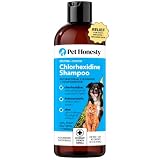
- A HEALING CLEAN : Yes, it’s shampoo for dogs! Yes, it’s shampoo for cats! And yes, it’s shampoo that cleans & heals! It soothes irritated skin, providing itch relief for cats, & dogs. An effective shampoo for dogs with allergies & cats, it promotes a shiny coat, reduces inflammation, & helps heal hot spots. This cat & dog antibacterial shampoo also reduces smelly odors associated with bacteria & fungus. Basically, our cat & dog shampoo for yeast & itching is 16 ounces of a better clean routine.
- FROM THE INSIDE OUT: Made with a veterinary strength formula, our shampoo for dogs with itchy skin & cats is made with soothing aloe & without sulfates, parabens, phthalates, alcohol, & artificial colors. Our shampoo with chlorhexidine & ketoconazole for dogs & cats is a gentle, safe & effective way to help heal skin issues while keeping your pet comfortable & clean.
- THE PET, PET WASH: You know our cat & dog shampoo for sensitive skin provides relief for itchy skin, soothes irritated & inflamed skin, targets smelly odors, & promotes a shiny coat. But did you know that’s it’s the #1 chlorhexidine shampoo on Amazon*? Don’t wait to give your pet the healing wash they deserve. *Based on Stackline Atlas data (had to combine all grooming & other pet health supplies to capture entire market*L52W as of December 2024
- ON THE RIGHT SCENT: Not only does our medicated dog shampoo for itchy skin soothe irritation, promote a health coat & leave your pet feeling fresh & clean, it also has a light cucumber melon scent that helps with unpleasant odors from fungus & bacteria.
- THE HONEST DIFFERENCE: Our products are made with clean, science-backed ingredients for results you can trust, & with no fillers, artificial preservatives, colors, or flavors, you'll have no doubt your dog is getting the best. Proudly supporting pets in need nationwide & using recycled plastic in our packaging, there's also no doubt that we're committed to doing our best. -- All products are made in the U.S.A. | NASC Member Company
Is staph contagious to other dogs or people?
Ordinary canine pyoderma is often not a routine contagious rash. In many cases, the dog’s own resident S. pseudintermedius has multiplied after allergies, parasites, moisture, or trauma disrupted the skin. That is different from catching a new infection from another dog.
Quick wins for a faster PC:
Clear out junk files and repair common Windows errorsFree Scan →Fix the driver behind crashes, sound loss and screen glitchesFind Drivers →Nevertheless, staphylococci can spread through direct contact, infected drainage, hands, bedding, equipment, or contaminated surfaces. This matters particularly when multidrug-resistant strains such as MRSP are involved. Transmission of MRSP from dogs to people is considered low, but rare human infections have been reported. People who are immunocompromised, have open wounds, have serious medical conditions, or are exposed to draining lesions should take extra precautions and ask their physician about individual risk. The CDC’s emerging-infections material and the 2025 ISCAID guideline provide additional One Health context.
Practical precautions at home
- Wash your hands after touching lesions, applying medication, removing bandages, or bathing the dog.
- Use disposable gloves for topical treatment if your veterinarian recommends them, especially when lesions are draining.
- Keep drainage away from human wounds, eyes, mouths, and medical devices.
- Do not let the dog lick people’s wounds or faces.
- Wash bedding and clean visibly contaminated surfaces according to veterinary or public-health advice.
- Do not automatically isolate every dog in the home. Ask the veterinarian whether restrictions or testing are appropriate, particularly if MRSP is confirmed or a household member is medically vulnerable.
Formal screening and isolation strategies for MRSP in household pets have not been fully evaluated. A veterinary plan is more useful than extreme disinfection or unnecessary separation.
When should a dog with possible staph see a veterinarian?
Arrange a veterinary appointment for persistent pustules, crusts, hair loss, odor, redness, itching, or a skin problem that keeps returning. Skin lesions that look minor can have an underlying allergy, parasite, or hormonal cause that will not improve with antibacterial treatment alone.
Seek same-day or urgent veterinary care for:
- Significant pain or rapidly worsening discomfort.
- Rapidly spreading redness, warmth, or swelling.
- Deep nodules, ulcers, draining tracts, fistulas, or blood and pus.
- Severe paw or interdigital swelling.
- A surgical incision or wound that is opening, draining, or becoming foul-smelling.
- Lesions close to the eye, nose, or mouth.
- Lethargy, fever, poor appetite, weakness, or other signs of systemic illness.
- A dog taking immunosuppressive medication.
- New lesions or worsening signs after an appropriate prescribed treatment has started.
Do not wait for a deep or rapidly spreading infection to “run its course.” If the dog seems severely ill, has extensive tissue damage, or cannot eat, walk, or rest comfortably, contact an emergency veterinary service.
How do veterinarians diagnose pyoderma?
A reliable diagnosis usually follows several steps. The goal is not only to identify bacteria but also to determine whether bacteria are actually causing the lesions, how deep the infection is, and why it developed.
1. History and complete skin examination
The veterinarian may ask when the problem started, whether it is itchy or painful, how often it recurs, what antibiotics or steroids have been used, whether flea prevention is current, what the dog eats, and whether grooming, surgery, swimming, or a new medication preceded the lesions. The examination should include the ears, paws, skin folds, anal sacs, and other sites that may be causing chronic irritation or self-trauma.
2. Cytology
Cytology is a microscope examination of material collected from a pustule, crust, moist lesion, or other representative area. It can show:
- Round bacteria called cocci.
- Rod-shaped bacteria, which may change the urgency and antibiotic choices.
- Yeast.
- Neutrophils and other inflammatory cells.
- Bacteria inside inflammatory cells, which supports active infection.
The 2025 ISCAID guideline recommends cytology in suspected pyoderma before antimicrobial therapy. It helps distinguish bacterial infection from sterile inflammatory disease. One reported estimate places cytology sensitivity at approximately 93% for superficial pyoderma when intracellular cocci and neutrophils are present; that figure does not mean every skin infection can be ruled in or out by one sample.
3. Bacterial culture and susceptibility testing
A culture identifies the organism that grows in the laboratory, while antimicrobial susceptibility testing indicates which drugs are likely to work. Culture is especially important when:
- Systemic treatment is being considered.
- The infection is deep, recurrent, or unusually severe.
- Previous antibiotics failed.
- The dog recently received repeated antibiotics, was hospitalized, or has previously carried MRSP, MRSA, or another resistant staphylococcus.
- Rod-shaped bacteria or multiple bacterial types appear on cytology.
- Resistance is common in the local area.
Sampling technique matters. For superficial disease, an intact pustule, material beneath a crust, or the edge of an epidermal collarette may be more useful than a random surface swab. For a deep nodule or interdigital lesion, fine-needle aspiration or tissue biopsy may represent the infection better than material from the surface. A surface sample can miss the organism causing a deep infection or grow resident bacteria that are not responsible for the lesion.
Rank #3

- CLINICALLY PROVEN RESULTS: DOUXO S3 is proven to show results in as soon as 7 days.
- ANTISEPTIC CHLORHEXIDINE DOG SHAMPOO FOR YEAST AND BACTERIAL SKIN INFECTIONS: Formulated for dogs with bacterial or yeast skin infections – DOUXO S3 PYO chlorhexidine dog shampoo provides an antiseptic cleansing while hydrating the skin.
- #1 TOPICAL BRAND RECOMMENDED BY VETS: Confirmed by veterinary and scientific expertise. DOUXO provides the best and the safest care for your pet.
- ENRICHED WITH OPHYTRIUM: Contains 0.5% Ophytrium, a purified, natural ingredient that helps soothe irritated skin and support skin hydration.
- FREE FROM soaps, sulphates, parabens, colorants, nanoparticles, and phthalates.
A positive culture must therefore be interpreted alongside the lesion’s appearance, cytology, the sampling site, and the dog’s response to treatment. Culture alone does not prove causation.
4. Tests for the underlying cause
Depending on the dog’s age, history, and pattern of disease, testing may include:
- Flea and other ectoparasite assessment.
- Deep skin scrapings or hair plucks for Demodex and other mites.
- Fungal testing when ringworm is possible.
- Bloodwork and urinalysis.
- Endocrine testing for suspected thyroid, adrenal, or other hormonal disease.
- Skin biopsy, tissue culture, or specialist dermatology evaluation for atypical, nodular, deep, nonhealing, or recurrent disease.
5. Ruling out look-alikes
Persistent pustules or crusts are not automatically resistant staph. Other possibilities include demodicosis, ringworm, Malassezia dermatitis, allergic dermatitis without bacterial infection, pemphigus foliaceus and other sterile pustular diseases, juvenile cellulitis, foreign bodies, granulomas, panniculitis, and tumors. If a lesion does not behave as expected, reconsidering the diagnosis may be more useful than simply changing antibiotics.
How is a staph infection treated?
Treatment depends on whether the infection is surface, superficial, or deep; how widespread it is; what the cytology and culture show; and what triggered it.
Topical treatment: the preferred first step for surface and superficial disease
For most surface and uncomplicated superficial pyoderma, the 2025 ISCAID guidance recommends topical antimicrobial therapy as the sole antibacterial treatment. Clinical evidence supports topical treatment for many superficial infections, including infections involving MRSP. This approach avoids unnecessary systemic antibiotic exposure and can reduce selection for resistance.
Veterinarian-directed topical options may include:
- Chlorhexidine products, commonly 2% to 4%: medicated shampoo for widespread disease, or wipes, foam, spray, or solution for localized lesions.
- Chlorhexidine combined with miconazole: useful when yeast is also present.
- Benzoyl peroxide around 2.5%: sometimes useful for follicular disease, although it can dry or irritate skin.
- Sodium hypochlorite and salicylic-acid products: supported by some clinical evidence.
- Topical fusidic acid or another veterinary topical antibiotic: use depends on the country, product licensing, location, resistance concerns, and the veterinarian’s judgment.
Topical therapy works only when the product reaches the skin and is used consistently. Long or matted hair may need professional clipping. For a widespread infection, a medicated shampoo may be prescribed at least two or three times weekly; a localized product may be used once daily. A typical shampoo contact time is about 10 to 15 minutes before rinsing, but the product label and veterinary instructions take priority.
Windows Errors? Fix Them Before They Spread
Repair common Windows errors and clear accumulated junk for a smoother, more stable PC - no reinstall needed.Free scan · no reinstallOutdated Drivers Are Slowing You Down
One free scan finds every outdated or missing driver and matches the right update for your exact hardware.Free scan · exact hardware matchDo not use a skin product close to the eyes unless it is specifically approved for that location. The concentration and formulation matter, and some products can injure the eyes or irritate sensitive tissue. Ask about an appropriate ophthalmic product for lesions around the eyelids. Do not put chlorhexidine, household disinfectants, bleach, essential oils, or human skin products on a dog without veterinary instructions.
How long does topical treatment take?
Some improvement may be visible within one to two weeks, while complete resolution of superficial lesions often takes three to four weeks. A recheck at approximately two to three weeks helps determine whether the infection is resolving, whether application has been adequate, and whether the diagnosis or treatment needs to change.
Hair loss and darkened skin can remain after active infection has cleared. Continued itch or redness may reflect the underlying allergy, yeast, parasites, or another inflammatory disease rather than ongoing bacterial infection. Do not continue or extend medication based only on residual discoloration or slow hair regrowth.
When are oral or other systemic antibiotics used?
Systemic antibiotics may be appropriate for deep pyoderma, for a superficial infection that cannot reasonably be treated topically, or when a properly performed topical plan has failed. They should be selected with attention to the dog’s health, infection depth, prior drug exposure, local resistance, and—particularly for deep or recurrent disease—the culture and susceptibility report.
Free tools Windows power users keep installed
One-click scans. No signup required.
For superficial disease in which systemic treatment is genuinely necessary, the 2025 guideline describes an initial course of approximately two weeks, followed by reassessment rather than automatic extension. For deep pyoderma, an initial systemic course of approximately three weeks is proposed, again followed by examination and adjustment based on response. The appropriate duration can be longer or shorter depending on the depth, response, culture, lesion resolution, and underlying condition.
Rank #4

- CLINICALLY PROVEN RESULTS: DOUXO S3 is proven to show results in as soon as 7 days.
- ANTISEPTIC CHLORHEXIDINE DOG SHAMPOO FOR YEAST AND BACTERIAL SKIN INFECTIONS: Formulated for dogs with bacterial or yeast skin infections – DOUXO S3 PYO chlorhexidine dog shampoo provides an antiseptic cleansing while hydrating the skin.
- #1 TOPICAL BRAND RECOMMENDED BY VETS: Confirmed by veterinary and scientific expertise. DOUXO provides the best and the safest care for your pet.
- ENRICHED WITH OPHYTRIUM: Contains 0.5% Ophytrium, a purified, natural ingredient that helps soothe irritated skin and support skin hydration.
- FREE FROM soaps, sulphates, parabens, colorants, nanoparticles, and phthalates.
Owners should not stop a prescribed medication early, change the dose, share medication, or save leftovers for the next flare. At the same time, “keep giving antibiotics until the skin is perfect” is not a modern treatment plan: the veterinarian should assess whether active infection has resolved and avoid routine continuation beyond resolution solely to prevent recurrence.
Examples of systemic options and important cautions
When systemic treatment is justified and the organism is susceptible, veterinarians may consider drugs such as amoxicillin-clavulanate, a first-generation cephalosporin such as cephalexin or cefadroxil, or clindamycin. These are examples, not recommendations for self-treatment. The correct choice depends on the individual dog, product formulation, laboratory results, other medications, organ function, and local regulations.
- Amoxicillin alone, penicillin, or ampicillin should not generally be chosen empirically for canine staphylococcal infection because S. pseudintermedius commonly produces beta-lactamase. Amoxicillin-clavulanate is a different formulation.
- Fluoroquinolones should generally be reserved for cases in which culture supports their use because of stewardship and resistance-selection concerns.
- Potentiated sulfonamides can work when the bacterium is susceptible but have potentially serious adverse effects in dogs, including dry eye, hypothyroidism, blood disorders, liver injury, and hypersensitivity reactions.
- Human-reserve drugs such as vancomycin and linezolid are not routine treatments for canine pyoderma and may be restricted by policy or law. Resistant infections needing such consideration belong with a veterinary dermatologist or other appropriate specialist.
Deep infections generally also need topical treatment when feasible, pain control, treatment of the primary cause, and more frequent follow-up.
MRSP: what resistant staph means
MRSP can produce the same bumps, crusts, hair loss, odor, and draining lesions as susceptible staph. There is no visual sign that identifies it. Repeated systemic antibiotic exposure, chronic disease, frequent hospitalization or referral care, and some surgical procedures can increase the chance of encountering resistant bacteria, but a dog without these risk factors can still carry MRSP.
Culture and susceptibility testing are needed when systemic treatment is required. Topical antiseptics remain important because they can be active against both methicillin-susceptible and methicillin-resistant staphylococci. If an oral or injectable drug is necessary, the veterinarian should choose a susceptible, appropriate non-beta-lactam or other agent based on the laboratory report.
Drugs such as rifampicin, amikacin, oxazolidinones, and glycopeptides are reserved for specialist-managed situations, not owner-directed treatment of an ordinary skin infection. MRSP is difficult because it limits systemic choices; it is not the same as untreatable. Many cases can be managed with topical therapy and, when necessary, a carefully selected susceptible drug.
The 2025 guideline cites a study in which more than 60% of dogs continued to carry MRSP on healthy skin or mucosa for months after recovery. This does not mean every recovered dog is continuously infectious, but it supports careful infection-control planning in veterinary hospitals and individualized advice for households with medically vulnerable people.
The Tool Desk
Outbyte Driver Updater FREEFix the driver behind crashes, sound loss and screen glitchesFind Drivers →Outbyte PC Repair FREEClear out junk files and repair common Windows errorsFree Scan →Why does my dog’s staph infection keep coming back?
Recurrence is a diagnostic signal, not simply a reason to prescribe another antibiotic. Common explanations include:
- Uncontrolled atopic, flea, or food allergy.
- Incomplete flea or mite control.
- Demodicosis or ringworm that was not recognized.
- Yeast overgrowth, chronic ear disease, or anal-sac disease.
- Skin folds, obesity, chronic moisture, friction, or a matted coat.
- Repeated licking caused by pain, arthritis, joint disease, or abnormal paw pressure.
- Hypothyroidism, Cushing’s disease, or another endocrine disorder.
- Immune-mediated disease, immune suppression, or a keratinization disorder.
- Inadequate product coverage, too-short contact time, missed treatments, or difficulty reaching the skin through the coat.
- Antibiotic resistance or an infection in a deeper layer than originally recognized.
- An incorrect diagnosis, foreign body, granuloma, or tumor.
For allergy-associated recurrent pyoderma, controlling the allergy should take priority over repeatedly treating bacterial flares. Dogs with frequent, deep, painful, resistant, or diagnostically unclear infections may benefit from referral to a veterinary dermatologist.
Proactive topical antiseptic treatment can sometimes help dogs with repeated relapses, especially when the predisposing cause cannot be completely eliminated. However, the evidence for indefinite preventive chlorhexidine use is promising rather than definitive, so the frequency and duration should be individualized.
Independent reader supportYour contribution helps us test, update, and keep practical guides available for everyone.Topical therapy versus oral antibiotics
| Situation | Usual direction | Reason |
|---|---|---|
| Surface pyoderma | Topical treatment | The lesions are accessible, and systemic exposure usually adds little benefit. |
| Uncomplicated superficial pyoderma | Topical treatment first | Supported by current evidence and useful even when resistant staphylococci are involved. |
| Widespread superficial lesions | Medicated shampoo, mousse, spray, or a combination | The product must suit the coat, lesion distribution, and what the owner can apply reliably. |
| Deep pyoderma | Systemic treatment plus topical treatment when feasible | Deeper tissue infection has greater potential for pain, tissue damage, and serious complications. |
| Topical treatment is impossible or has failed | Veterinary reassessment and possible systemic treatment | Compliance, diagnosis, depth, resistance, and sampling may all need review. |
| Recurrent disease | Investigate and control the primary cause | More antibiotics alone do not correct allergy, parasites, endocrine disease, or anatomy-related moisture. |
What to do at home while waiting for the appointment
- Prevent licking and chewing with a properly fitted cone or another veterinarian-approved barrier.
- Do not squeeze pustules, open nodules, or draining lesions.
- Do not use leftover antibiotics, human antibiotics, steroid-antibiotic combinations, essential oils, bleach, alcohol, or harsh disinfectants.
- Keep lesions away from human wounds and wash your hands after handling the dog.
- Keep the dog’s coat clean and dry, but do not repeatedly bathe painful, open, or deep lesions unless the veterinarian advises it.
- If treatment has been prescribed, follow the product’s dilution, contact time, frequency, and duration exactly. Applying a shampoo and rinsing it off immediately may not provide the intended effect.
- Photographing the area once daily and noting new lesions, odor, pain, appetite, and medication use can help the veterinarian assess progress.
Seek urgent care instead of attempting home treatment if the area is rapidly spreading, very painful, deeply swollen, draining blood or pus, close to the eye, associated with a surgical wound, or accompanied by fever, lethargy, or poor appetite.
Best Value

- ANTIFUNGAL MEDICATED DOG SHAMPOO WITH A DELICATE, PLEASANT SCENT: Veterinarian-formulated with hydrocortisone for powerful relief from skin conditions. This medicated dog shampoo combats fungal infections, soothes irritation, and promotes a clean, healthy coat. Provides fast-acting itch relief for dogs suffering from allergies and skin sensitivities.
- MOISTURIZING DOG SHAMPOO FOR ITCHY SKIN RELIEF: Antibacterial and antifungal dog shampoo with oatmeal and moisturizing agents for dry, itchy skin. Reduces scratching, redness, and flakes while restoring skin health. Gentle, medicated formula ideal for dogs with allergies and sensitive skin.
- ANTI-YEAST SHAMPOO FOR DOGS WITH ODOR CONTROL: Powerful antifungal shampoo for dogs targets yeast infection symptoms, including itching, redness, and bad odor. Scientifically formulated to combat canine yeast overgrowth and dermatitis, leaving your dog’s skin balanced, fresh, and odor-free.
- DOG ALLERGY RELIEF SHAMPOO FOR SENSITIVE SKIN: Gentle yet powerful formula manages various types of dog allergies, including environmental and food-related sensitivities. Contains natural anti-inflammatory ingredients, including hydrocortisone, to reduce skin irritation and itching. Hypoallergenic and free from harsh chemicals, making it safe for regular use on allergy-prone dogs.
- HOT SPOT TREATMENT FOR DOGS: Targeted relief for painful and irritating hot spots with fast-acting ingredients. Formulated with antiseptic and analgesic properties to soothe, heal, and protect affected areas. Proven to reduce healing time and prevent the spread of hot spots in dogs.
Common mistakes that delay recovery
- Diagnosing staph solely from the appearance of the rash.
- Assuming a positive surface culture proves that the cultured bacterium is causing the disease.
- Using a surface swab to evaluate a deep interdigital nodule.
- Treating the bacteria while ignoring fleas, mites, allergies, yeast, endocrine disease, skin folds, or chronic licking.
- Choosing an oral antibiotic without culture when the infection is deep, recurrent, or at high risk for resistance.
- Applying too little topical product or failing to get it through a thick coat to the skin.
- Using too little contact time with a medicated shampoo.
- Stopping topical treatment as soon as redness improves while pustules or collarettes remain.
- Continuing oral antibiotics indefinitely because hair loss or pigmentation persists after active infection has resolved.
- Assuming every persistent lesion is resistant staph rather than reconsidering the diagnosis.
- Treating MRSP as automatically life-threatening—or ignoring hygiene and household medical risks altogether.
Questions to ask your veterinarian
- Is this surface, superficial, or deep pyoderma?
- Did cytology show bacteria, yeast, inflammation, or bacteria inside inflammatory cells?
- Should this sample be cultured and tested for antibiotic susceptibility?
- Could fleas, mites, allergies, yeast, an endocrine disease, or an immune-mediated condition be driving it?
- What is the exact topical product, contact time, frequency, and recheck date?
- What signs would mean the infection is worsening or needs urgent reassessment?
- When should treatment stop, and are the remaining redness, itch, hair loss, or pigmentation signs of active infection or the underlying disease?
Frequently affected sites beyond the skin
Staphylococci can also be involved in ear disease, infected wounds, surgical-site infections, urinary infections, and infections of other tissues. A dog with discharge from the ear or urinary tract, a deteriorating incision, or a nonhealing wound needs site-specific examination and testing. Do not use leftover skin medication or oral antibiotics for these problems.
Frequently Asked Questions
Can dogs get MRSA?
Yes. Dogs can occasionally carry or become infected with MRSA, but the staphylococcal organism most commonly associated with canine pyoderma is Staphylococcus pseudintermedius. MRSA and MRSP are different organisms. Culture and susceptibility testing are needed to identify which one is involved and which treatments may work.
Can a dog’s staph infection infect people?
Transmission is possible, but ordinary canine pyoderma is often an overgrowth of bacteria already carried by the dog rather than a contagious infection acquired from another animal. MRSP transmission to people is considered low, although rare human infections have occurred. Wash your hands after handling lesions, keep drainage away from wounds and medical devices, and ask a physician about precautions if someone in the household is immunocompromised or medically vulnerable.
Can staph go away without antibiotics?
A surface or superficial infection may improve with veterinarian-directed topical antimicrobial treatment, and oral antibiotics are not always necessary. That does not mean a dog should simply be left untreated. Deep, painful, draining, spreading, recurrent, or systemic infections need veterinary assessment and may require systemic treatment.
Crashes, No Sound, or Screen Glitches?
Random freezes, missing sound and display glitches usually trace back to one bad driver. Find and replace yours safely.Free scan · under a minutePC Slower Than It Used to Be?
A free scan shows the junk files, broken settings and background clutter dragging Windows down - then fixes them in one click.Free scan · Windows 10 & 11Are oral antibiotics always necessary for canine pyoderma?
No. The 2025 ISCAID guideline recommends topical antimicrobial therapy alone for most surface and superficial pyoderma. Oral or injectable treatment is generally considered for deep infection, superficial disease that cannot be treated topically, or disease that fails an appropriate topical plan.
How long does treatment take?
Some superficial lesions improve within one to two weeks, but complete resolution often takes three to four weeks. The guideline describes an initial systemic course of about two weeks for superficial infections when systemic treatment is necessary and about three weeks for deep pyoderma, followed by reassessment. The actual duration depends on response, depth, culture results, and the underlying disease.
Why is my dog still itchy after the infection clears?
Itch may be caused by the original allergy, fleas, mites, yeast, ear disease, skin-fold irritation, or another problem that triggered the pyoderma. Hair loss and skin darkening can also persist after the bacterial infection has resolved. A recheck can distinguish active infection from residual or underlying inflammation.
Should other pets in the home be tested?
Not automatically. Most household dogs with ordinary pyoderma do not require isolation or screening. If MRSP is confirmed, infections are recurrent across multiple pets, or someone in the home is medically vulnerable, ask your veterinarian whether testing, treatment changes, or temporary precautions are appropriate.
Recommended Free Tools
Do I need to disinfect the entire house?
Usually not. Wash bedding and clean visibly contaminated surfaces according to veterinary or public-health advice, wash your hands after handling lesions, and prevent contact with drainage. Extreme household disinfection and automatic isolation are not routinely necessary and should be guided by the veterinarian, especially when MRSP is involved.
The Bottom Line
Bottom line: A dog’s “staph infection” is usually pyoderma caused by bacteria that already live on canine skin, with an allergy, parasite, moisture problem, trauma, hormonal disorder, or immune problem acting as the trigger. Surface and superficial infections are generally managed with correctly applied topical therapy first; deep, recurrent, or unsuccessful cases need cytology, culture, susceptibility testing, and a search for the underlying cause. Get prompt veterinary care for painful swelling, deep or draining lesions, rapidly spreading redness, surgical-wound problems, or signs of systemic illness.
Quick Recap
Product prices and availability are accurate as of the date/time indicated and are subject to change. Any price and availability information displayed on Amazon at the time of purchase will apply.




