What’s actually slowing this PC down?
Pick the symptom - the matching free tool is one click away.
There is no universal list of fish that are inedible everywhere: risk depends on species, location, and harvest source. Avoid preparing wild-caught pufferfish yourself, follow local advisories for reef fish in ciguatera-risk areas, and remember that fish affected by poor handling can pose a separate scombrotoxin risk. Cooking does not destroy ciguatoxins, and a fish’s appearance, smell, or taste cannot establish that it is safe.
The practical question is not whether an entire species is always poisonous. Natural toxins, food-web exposure, and handling can create different risks, so local guidance and a traceable source matter.

Key takeaways
- Ciguatera is associated with tropical and subtropical reef fish, but risk varies by location and individual fish; a list of associated species is not a universal blacklist.
- According to the CDC, ciguatoxins do not change fish texture, taste, or smell, and cooking, freezing, canning, pickling, salting, or smoking does not destroy them.
- Pufferfish can carry tetrodotoxin or saxitoxin. Poisoning can progress to paralysis and respiratory failure; do not prepare wild-caught pufferfish yourself.
- Scombrotoxin poisoning is a distinct hazard associated with decomposition and handling in susceptible fish, not an inherent toxin in every fish of a listed species.
- Seek emergency medical help for breathing difficulty, marked weakness, fainting, or heart symptoms after eating suspect fish.
What does “inedible fish” actually mean?
“Inedible fish” is not a universal scientific category or a single worldwide blacklist. A fish may be unsafe because it carries a natural toxin, has accumulated a toxin through the food web, or was subject to poor handling. Harvest, sale, and import rules also vary by jurisdiction.
The distinction matters. Calling every barracuda, grouper, snapper, or other associated reef fish poisonous gives the wrong safety advice. Ciguatera risk varies by location and individual fish, while scombrotoxin poisoning is associated with decomposition and handling. The FDA’s fish-hazard guidance describes these as distinct hazards.
#1 Best Overall

- FIELD GUIDE TO FRESHWATER FISH
Follow current local fishery and public-health advisories, avoid risky fish and organs in affected areas, and do not rely on appearance, smell, taste, or cooking to rule out natural toxins.
Which fish should you avoid or treat with special caution?
Pufferfish warrant particular caution, while reef fish associated with ciguatera and susceptible fish affected by decomposition require context-specific advice.
| Hazard | Fish examples | Why the fish may be unsafe | Geography or source | Risky parts or factors | Does cooking solve it? |
|---|---|---|---|---|---|
| Ciguatera | Barracuda, grouper, snapper, jacks and trevally, wrasse, mackerel, tang, moray eels, and parrotfish | Ciguatoxins accumulate through the food web | Tropical and subtropical reef areas; risk varies by location and individual fish | Large reef fish and the head, intestines, liver, and roe are of particular concern in endemic areas | No. Cooking does not destroy ciguatoxins. |
| Pufferfish poisoning | Pufferfish and related fish | May carry tetrodotoxin or saxitoxin | Species, source, processing, and local regulations matter | Toxins are often concentrated in the ovaries, liver, intestine, and skin | Do not rely on cooking or home preparation to make it safe. |
| Scombrotoxin poisoning | Susceptible fish such as tuna, mackerel, and mahi-mahi | Decomposition and handling can create a hazard | Handling and storage history matter | Temperature abuse and decomposition | Do not rely on later cooking to correct mishandling. |
These are examples, not exhaustive lists or declarations that every specimen is unsafe. Consult local advisories and the relevant public-health authority for the fish and harvest area.
Why should you avoid preparing wild-caught pufferfish?
Pufferfish poisoning can be life-threatening. Pufferfish may carry tetrodotoxin or saxitoxin, and toxin exposure can cause paralysis and respiratory failure. Do not prepare wild-caught pufferfish yourself.
According to the FDA’s seafood-toxin guidance and the CDC’s seafood-poisoning guidance, toxins are often concentrated in the ovaries, liver, intestine, and skin. Processing and regulatory controls matter; a common name or menu label alone does not establish that a product is safe.
Rank #2
In the United States, pufferfish products are highly regulated. FDA describes a narrow agreement for importing Takifugu rubripes (tiger puffer/Tora Fugu) prepared under Japanese safety rules and tested before import. Other pufferfish imports may be detained, and some Florida harvests are prohibited. Check current federal and local rules; do not generalize U.S. regulations to other countries.
Which reef fish can carry ciguatoxin?
Ciguatoxins originate in marine microorganisms associated with coral reefs and accumulate through the food web. FDA associates ciguatera with tropical and subtropical reef fish, including barracuda, grouper, snapper, jacks and trevally, wrasse, mackerel, tang, moray eels, and parrotfish. These are associated groups, not a claim that every fish in them is toxic.
Risk varies by location, diet, and individual fish. FDA notes that toxin levels may differ between fish caught side by side. Consult local advisories, particularly in endemic areas, and avoid reef fish there when advised. CDC recommends particular caution with large fish and with the head, intestines, liver, and roe.
Recommended Free Tools
Ciguatoxins may leave a fish’s appearance, taste, and smell unchanged. As the CDC’s marine-toxin guidance explains, cooking, freezing, canning, pickling, salting, and smoking do not destroy ciguatoxins.
Can tuna or mahi-mahi become poisonous?
Tuna, mahi-mahi, and other susceptible fish can be associated with scombrotoxin poisoning when decomposition and handling create a hazard. This is different from ciguatera, which involves toxins accumulated through the reef food web, and from pufferfish poisoning.
Rank #3
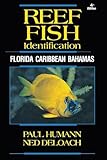
- ENHANCED IDENTIFICATION - Features crystal-clear, full-color photos and detailed descriptions of reef fish, making identification easy and accurate for divers of all levels.
- COMPREHENSIVE COVERAGE - Explore the diverse marine life of Florida, the Caribbean, and the Bahamas with 548 pages of expertly curated content, ensuring you don't miss a single species.
- EXPERT KNOWLEDGE - Authored by renowned marine biologists Paul Humann and Ned DeLoach, providing reliable and up-to-date information on reef fish behavior and habitats.
- DURABLE AND PRACTICAL - Crafted with a water-resistant plastic cover and a convenient 6" x 9" size, this guide is built to withstand the rigors of diving and easy to carry on any dive trip.
- VISUAL LEARNING - Benefit from stunning, full-color illustrations that bring each species to life, aiding in quick recognition and enhancing your understanding of marine ecosystems.
The FDA’s fish-hazard guidance discusses scombrotoxin as a separate seafood hazard. When illness is suspected, the species, source, and prior handling matter. Do not infer that every fish of a susceptible species is inherently poisonous.
Can you tell if a fish is poisonous by looking at it?
No. A normal appearance, smell, or taste cannot rule out ciguatoxins. The FDA states: “The toxins that cause ciguatera do not change the appearance, taste, or smell of the fish.” Do not taste a sample to test it.
Outdated Drivers Are Slowing You Down
One free scan finds every outdated or missing driver and matches the right update for your exact hardware.Free scan · exact hardware matchPC Slower Than It Used to Be?
A free scan shows the junk files, broken settings and background clutter dragging Windows down - then fixes them in one click.Free scan · Windows 10 & 11Cooking does not destroy ciguatoxins. Processing methods such as freezing, canning, pickling, salting, or smoking are not a way to make ciguatoxin-contaminated fish safe. For other hazards, handling history and applicable guidance matter; no home sensory check certifies suspect fish as safe.
What are the symptoms of fish poisoning?
Symptoms differ by hazard, and timing alone cannot diagnose the cause. Ciguatera may involve gastrointestinal, neurologic, and cardiovascular symptoms. FDA says symptoms commonly begin within six hours and may include nausea, vomiting, diarrhea, tingling or numbness, itching, muscle or joint pain, weakness, temperature-sensation reversal, dizziness, irregular heartbeat, and low blood pressure. Symptoms may persist for days to weeks; some neurologic symptoms can last longer or recur.
Pufferfish poisoning usually develops within three hours, according to FDA, and may last 24–48 hours. Severe poisoning can cause paralysis and respiratory failure. Because onset and symptoms can vary, do not use a timetable to rule out poisoning.
The CDC Yellow Book 2026 estimates approximately 50,000 reported cases of ciguatera poisoning worldwide annually and notes that underrecognition and underreporting mean the true number is likely higher.
Quick wins for a faster PC:
Scan for outdated or missing drivers - takes under a minuteDriver Scan →Clear out junk files and repair common Windows errorsFree Scan →Fix the driver behind crashes, sound loss and screen glitchesFind Drivers →What should you do if you ate fish and feel unwell?
Seek emergency medical help for breathing difficulty, marked weakness, fainting, heart symptoms, or rapidly worsening symptoms after eating suspect fish. Tell clinicians that a seafood-toxin exposure may be possible.
- Get urgent help for severe symptoms. Do not wait at home if breathing, severe weakness, fainting, or heart symptoms occur.
- Describe the exposure. Tell medical staff what fish was eaten, where it came from, when it was eaten, and when symptoms began.
- Share available details. Preserve product or purchase information and meal remnants if available; do not eat more to test it.
- Do not self-diagnose. Fish poisoning symptoms overlap with other illnesses and require professional assessment.
The FDA’s seafood-related illness guidance explains what exposure information can help investigators.
Independent reader supportYour contribution helps us test, update, and keep practical guides available for everyone.How can you identify an unfamiliar reef fish?
A field guide may help document an unfamiliar fish, but identification does not prove it is edible, toxin-free, legal to harvest, or safe to prepare. Common names vary, and ciguatera risk depends on more than a species name.
Use local fishery and public-health advisories for the harvest area, and do not use a guide as permission to eat an unknown pufferfish or reef fish from a ciguatera-risk area.
Do these 3 things before closing this tab:
1Scan for outdated or missing drivers - takes under a minute2Clear out junk files and repair common Windows errors3Fix the driver behind crashes, sound loss and screen glitchesBest Value
Seafood safety checklist
- Know the source and fish. Use a traceable source and record species information when available.
- Check local advisories. Review current notices for the exact harvest area; ciguatera risk varies by location.
- Be cautious with large reef fish. Follow local advice and avoid the head, intestines, liver, and roe in endemic areas.
- Do not prepare wild-caught pufferfish yourself. Check current rules for the jurisdiction where it was harvested or sold.
- Consider handling. For susceptible fish, handling and decomposition matter; do not assume a species is inherently poisonous.
- Do not use sensory or cooking tests as certification. Normal appearance, smell, or taste cannot rule out ciguatoxins, and cooking does not destroy them.
- Get medical help for serious symptoms. Share the fish’s source, species if known, and meal timing.
Bottom line
There is no universal list of inedible fish. Ciguatera risk is associated with tropical and subtropical reef fish but varies by location and individual fish; pufferfish can carry life-threatening toxins; and scombrotoxin is a separate handling-related hazard. Follow local advisories, avoid preparing wild-caught pufferfish, and seek urgent care for serious symptoms after a suspect meal.
FAQ
What fish should you not eat?
There is no universal answer. Avoid preparing wild-caught pufferfish yourself, and follow local advisories for reef fish in ciguatera-risk areas.
Can you tell if a fish is poisonous by looking at it?
No. Ciguatoxins do not change fish appearance, taste, or smell, so sensory checks cannot establish safety.
Does cooking kill fish toxins?
Cooking does not destroy ciguatoxins. It is not a way to make suspect reef fish safe.
Is pufferfish safe to eat?
Pufferfish poisoning can be life-threatening, and products are subject to strict, jurisdiction-specific controls. Do not prepare wild-caught pufferfish yourself.
What are the symptoms of fish poisoning?
Symptoms vary. Ciguatera can cause gastrointestinal, neurologic, and cardiovascular symptoms; pufferfish poisoning can progress to paralysis and respiratory failure. Seek emergency help for breathing difficulty, marked weakness, fainting, or heart symptoms.




