The Giant Schnauzer is a large, intelligent, protective working dog best suited to an active owner who can provide daily exercise, companionship, consistent training, and regular coat care. Its trainability and loyalty are strengths, but its size, energy, and watchful nature call for thoughtful handling and early socialization. Individual temperament and household fit vary; breed tendencies are not guarantees.
A Giant Schnauzer may be a poor match for a sedentary household or someone seeking a low-maintenance dog. Before choosing one, consider whether you can safely manage a powerful dog, give it purposeful activity, and keep up with grooming throughout its life.
Is a Giant Schnauzer right for you?
Before choosing this breed, answer these questions honestly:
- Can you provide regular daily exercise and mental work, rather than relying on a brief walk?
- Can every household member safely control a large, powerful dog on leash and during handling?
- Do you have secure fencing and a plan for visitors, deliveries, neighboring dogs, and other distractions?
- Can you budget for professional grooming, food, preventive veterinary care, training, and unexpected treatment?
- Are you prepared for a dog that may be watchful or reserved with unfamiliar people and needs carefully taught greetings?
- Will you maintain training and coat care for the dog’s entire life?
If several answers are no, a lower-drive or smaller breed may be a better fit. An active owner prepared for structured daily engagement may find a Giant Schnauzer a loyal, versatile partner.
PC Slower Than It Used to Be?
A free scan shows the junk files, broken settings and background clutter dragging Windows down - then fixes them in one click.Free scan · Windows 10 & 11Crashes, No Sound, or Screen Glitches?
Random freezes, missing sound and display glitches usually trace back to one bad driver. Find and replace yours safely.Free scan · under a minute#1 Best Overall
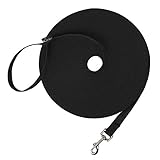
- DIMENSIONS - This dog leash measures 3/4in wide by 30 feet long. Great for hiking, camping, training, hunting, backyard, beach, recall training, outdoor play with tennis balls, and swimming!
- LONG LEASH: This training leash is great for teaching your dog recalls. It has the length needed to allow them to wander and ensure your command to come! is obeyed.
- NYLON TRAINING LEAD - This durable, long, nylon dog training leash will outlast cotton leashes. All stitching is reinforced and the nickel plated clip swivels to resist twisting. Our long dog leash is great for medium and large dogs. You'll love using it as a backyard dog leash, for off leash dog training, and more.
- Allows you to teach your dog recalls and other obedience skills.
- Swivel-style bolt snap resists twisting
Breed history and working background
The Giant Schnauzer, also called the Riesenschnauzer, originated in Germany and developed as a substantial working dog used for cattle driving. Its working background helps explain its endurance, confidence, trainability, strength, and need for purposeful activity.
The Fédération Cynologique Internationale places the breed in Group 2, Pinscher and Schnauzer–Molossoid breeds, with working trials. The FCI standard records its recognition as a working dog in 1925. The American Kennel Club (AKC) describes it as the larger and more powerful relative of the Standard Schnauzer and says it recognized the breed in the United States in 1930.
A working history does not mean every dog must herd cattle or compete in sports. It does mean many Giant Schnauzers need more than physical exhaustion: their routine should include training, companionship, and appropriate mental occupation.
Size, appearance, and coat
How big is a Giant Schnauzer?
| Sex | Typical height | Typical weight |
|---|---|---|
| Males | 25.5–27.5 inches | 75–95 pounds |
| Females | 23.5–25.5 inches | 55–80 pounds |
The AKC lists a typical life expectancy of 10–13 years. That is a breed-profile range, not a guarantee for an individual dog. The UK Giant Schnauzer Club reports that its Joint Schnauzer Breeds Health Survey 2023 included 63 Giants in its deceased-dog survey: median age at death was 10 years, average age was 9.6 years, and the maximum reported age was 14. These are survey findings, not population-wide promises.
What does the breed look like?
The Giant Schnauzer is large, muscular, and nearly square in outline, with a prominent beard and eyebrows. Its dense, wiry double coat has a harsh outer layer and protective undercoat. Standard colors include solid black and pepper-and-salt.
Does a Giant Schnauzer shed?
Dead hairs may remain caught in the coat rather than falling freely, but the breed is not allergen-free or necessarily hypoallergenic. Dogs can produce dander and saliva, common allergens. If allergies are a concern, spend time with relatives of a prospective puppy to gauge your response; this cannot guarantee that living with the dog will be allergy-free.
Rank #2

- 【EASY AND CONVENIENT】- No collar or harness needed. With the adjustable loop, extremely simple and easy to put on or off
- 【STRONG & LIGHTWEIGHT】- These Premium Slip Leads for dogs are made of high strength nylon rope, super durable metal ring, and the knots bound with leather cover. 1/2” thick rope provide maximum durability and comfortable grip
- 【Reflective for Night Safety】- The reflective straps on the entire rope leash ensures great visibility and security during night walk or jogging
- 【Great for Training】– The slip leash tightens when your dog pulls and loosens when the behavior is corrected. Great dog training leash to correct the behavior under control. Anti-choke ring is included to prevent choking hazard
- 【Perfect Size】– 1/2” x 6 ft perfect length for Outside walking, jogging, hiking or training. Suit for Large and Medium Dogs
Temperament and family fit
The AKC describes Giant Schnauzers as intelligent, alert, loyal, highly trainable, and protective; some may be territorial or suspicious of unfamiliar people and places. They often form close bonds with their owners. Genetics, early experience, socialization, training, handling, environment, and health all affect an individual dog.
Teach the dog to handle visitors, delivery workers, veterinary staff, grooming, and routine household activity calmly. Do not encourage uncontrolled guarding or expect the dog to manage unfamiliar situations without guidance.
The Tool Desk
Outbyte Driver Updater FREEScan for outdated or missing drivers - takes under a minuteDriver Scan →Outbyte PC Repair FREERepair Windows errors before they cause bigger problemsFix Now →Giant Schnauzers and children
A Giant Schnauzer may live successfully with children when the dog and household are a good match, but its size and enthusiasm can accidentally knock over a small child. Adults should supervise interactions, provide the dog with a retreat, and teach both children and dog how to behave around one another. Children should not be expected to control the dog or manage greetings.
Exercise and daily activity
Giant Schnauzers need substantial daily physical exercise and mental occupation. AKC guidance highlights long walks, active play, companionship, and jobs or dog sports such as obedience, agility, herding, and carting. The UK Giant Schnauzer Club recommends adults receive at least an hour of off-lead running plus another hour of exercise or training each day; treat that as the club’s guidance, not a universal prescription. Match activity to the individual dog’s age, health, conditioning, and behavior.
Useful activities include:
- Obedience and rally-style training
- Agility when the dog is physically ready and properly conditioned
- Tracking and scent games
- Herding activities with appropriate instruction
- Carting and other suitable working activities
- Structured hiking, retrieval, and carefully managed play
The goal is a dog that can focus, settle, and use its abilities appropriately—not simply a tired dog. An undertrained dog may still pull, bark, chase, or react in stimulating situations.
Exercise for puppies
Growing puppies should not be treated as miniature adult athletes. The UK Giant Schnauzer Club advises restricting puppies’ exercise before 12 months to support joint development. Ask your veterinarian for guidance tailored to the puppy; avoid building the routine around forced running, excessive jumping, or repetitive high-impact activity. Short training sessions, gentle exploration, supervised play, and rest are useful parts of development.
Free tools Windows power users keep installed
One-click scans. No signup required.
Rank #3

- Dimensions - This dog leash measures 3/4in wide by 15 feet long. Great for hiking, camping, training, hunting, backyard, beach, recall training, outdoor play with tennis balls, and swimming!
- Long Leash: This training leash is great for teaching your dog recalls. It has the length needed to allow them to wander and ensure your command to come! is obeyed.
- Nylon Training Lead - This durable, long, nylon dog training leash will outlast cotton leashes. All stitching is reinforced and the nickel plated clip swivels to resist twisting. Our long dog leash is great for medium and large dogs. You'll love using it as a backyard dog leash, for off leash dog training, and more.
- Allows you to teach your dog recalls and other obedience skills.
- Swivel-style bolt snap resists twisting
Training and socialization
Start training as soon as the dog comes home. Giant Schnauzers can learn quickly, but inconsistent rules can encourage self-directed behavior. The Giant Schnauzer Club of America flyer says, “Socialization and basic obedience training, beginning at an early age, are essential to ensure that every Giant puppy grows into a well-behaved adult dog.” It also warns that boredom can contribute to destructive behavior.
Use clear expectations, immediate rewards, and short, frequent sessions. Priorities include:
- Responding to a name and coming when called in controlled settings
- Loose-leash walking and calm movement past distractions
- Impulse control around food, toys, doors, people, and other animals
- Settling on a mat or in a designated place
- Polite, controlled greetings and household manners
- Comfort with brushing, bathing, clipping, nail care, and veterinary handling
Socialization means gradual, positive exposure to people, dogs, surfaces, noises, travel, grooming tools, and different environments. It does not mean forcing greetings. If a puppy is frightened or overwhelmed, increase distance and lower the difficulty. A secure fenced area is strongly advisable; the Giant Schnauzer Club of America recommends having the yard fenced before bringing home a puppy.
Grooming a Giant Schnauzer
The dense, wiry double coat needs weekly brushing and regular clipping or stripping. Comb the beard and leg furnishings frequently to help prevent mats. The UK Giant Schnauzer Club suggests trimming about every 8–12 weeks; the exact interval varies with coat growth, grooming style, and lifestyle.
What’s actually slowing this PC down?
Pick the symptom - the matching free tool is one click away.
Clipping cuts the coat with clippers and is often chosen for convenience, but can affect coat texture. Hand-stripping removes mature outer coat and helps retain a harsher texture; show coats are stripped. Pet owners can choose a practical style, but should plan for ongoing care. If you are inexperienced, find a professional familiar with Giant Schnauzers or wire-coated grooming.
Use a suitable brush and metal comb methodically, especially on the beard, eyebrows, legs, furnishings, armpits, and other areas that mat. A comb helps check that brushing reached through the coat; tools do not replace periodic clipping or stripping. Check ears regularly and brush teeth frequently, as AKC advises. Also inspect skin, paws, and nails, and clean and dry the beard as needed after meals and drinking.
Rank #4
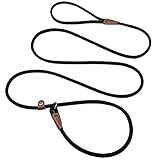
- Control for Behavior: No pull slip lead dog leash, 2 in 1 leash and collar design. Simple and easy use to correct behavior and stop dogs from pulling
- Classic colors: 13+ stylish colors for you choose to make your pets stand out. Bright colors make it easier to accurately see where it is on the pup’s neck and whether it needs to be adjusted. The slip leash make your dog safer and more fashionable
- Fit All: 7 feet long, 1/4 inch slip rope dog leash is a perfect balance between freedom and control, adjustable to fit any dog neck size, suitable for small medium dogs pets outdoor walking, hiking and training
- Sturdy Nylon Slip Lead: Slip knot rope leash is made of high density nylon rope, a sturdy leather connection and strong hardware o-ring. Flexible, lightweight yet durability
- Versatile for Training: This leash is perfect for dog training. Its length allows you to teach your dog commands like "heel" and "stay" effectively. The smooth texture of the nylon won't irritate your dog's neck during training, making the learning process more pleasant for both of you
Feeding, growth, and body condition
Feed a high-quality diet suited to the dog’s age and activity, monitor treats and weight, and discuss an individual feeding plan with your veterinarian. Needs vary with growth, activity, health, and the food chosen; do not assume one ration or formula suits every Giant Schnauzer. Measure meals and monitor body condition rather than relying on scale weight alone.
The UK Giant Schnauzer Club provides approximate adult kibble use of 11–15 kg per month depending on body weight, but this is club guidance, not a universal ration. The club notes that quantities and costs vary with diet and supplier; no reliable general price estimate is available.
Do these 3 things before closing this tab:
1Clear out junk files and repair common Windows errors2Fix the driver behind crashes, sound loss and screen glitches3Repair Windows errors before they cause bigger problemsA slow feeder or puzzle feeder can make meals more engaging for some dogs, but it is not a substitute for veterinary advice or a proven safeguard against bloat.
Health risks and breeder screening
Prospective owners should ask for documented health-test results and learn which screening schemes apply in the breeder’s country. Recommendations differ by organization and geography; screening is useful evidence, not a diagnosis or guarantee of health.
Screening recommendations vary by country
AKC lists hip, elbow, ophthalmologist, and thyroid evaluations among the national breed-club recommended tests. The Royal Kennel Club in the UK lists hip, elbow, and prcd-PRA DNA testing as Good Practice; its Best Practice schemes include DCM, PRA5, eye testing, and HUU. Verify current requirements directly with the relevant registry or breed club and review the actual results.
Ask breeders about health and temperament in close relatives as well as the parents. Discuss individual health concerns with a veterinarian.
Quick wins for a faster PC:
Fix the driver behind crashes, sound loss and screen glitchesFind Drivers →Clear out junk files and repair common Windows errorsFree Scan →Scan for outdated or missing drivers - takes under a minuteDriver Scan →Best Value
- Dimensions - This dog leash measures 3/4in wide by 20 feet long. Great for hiking, camping, training, hunting, backyard, beach, recall training, outdoor play with tennis balls, and swimming!
- Long Leash: This training leash is great for teaching your dog recalls. It has the length needed to allow them to wander and ensure your command to come! is obeyed.
- Nylon Training Lead - This durable, long, nylon dog training leash will outlast cotton leashes. All stitching is reinforced and the nickel plated clip swivels to resist twisting. Our long dog leash is great for medium and large dogs. You'll love using it as a backyard dog leash, for off leash dog training, and more.
- Allows you to teach your dog recalls and other obedience skills.
- Swivel-style bolt snap resists twisting
Choosing a puppy, adult, or rescue
Questions for a breeder
- Can you provide verifiable identities and documented health-test results for the parents?
- What health or temperament concerns have appeared in close relatives?
- How are puppies raised, handled, socialized, and introduced to grooming?
- Can you provide veterinary records, a written contract, and clear return provisions?
- What support is available after the puppy goes home?
Breed-club membership is useful context, but does not replace checking documentation and asking questions. Do not treat any screening certificate as proof that a dog will never develop health problems.
Choosing a rescue or rehomed dog
Evaluate the individual dog rather than assuming an adult will be easier. Ask about reactions to strangers and dogs, experience with children, leash behavior, resource guarding, medical needs, bite history, grooming tolerance, and ability to settle in a home. Arrange introductions carefully if other animals are present, and ask about behavior support and return arrangements.
Puppy preparation checklist
- Install secure fencing before the puppy arrives.
- Choose a veterinarian and discuss growth, diet, exercise, and preventive care.
- Plan puppy classes or individual reward-based training.
- Prepare a safe sleeping area, enrichment, and travel equipment.
- Begin gentle paw, ear, beard, brushing, and body-handling exercises.
- Find a groomer comfortable with Giant Schnauzers or similar coats.
- Identify nearby emergency veterinary hospitals.
Lifetime ownership costs and practical demands
Costs vary by location, supplier, and the dog’s needs; the research does not support a reliable general price estimate. Plan for food, grooming or grooming equipment, training, routine and unexpected veterinary care, secure fencing, walking equipment, and enrichment. Grooming and training are recurring responsibilities, not one-time puppy costs.
A realistic Giant Schnauzer care routine
Every day
- Provide physical activity suited to age, health, and conditioning.
- Include training, scent work, or another form of mental occupation.
- Practice calm behavior around ordinary household events.
- Check the beard and coat for food, moisture, mats, and debris.
- Feed measured portions and observe appetite, energy, and body condition.
Every week
- Brush thoroughly through the coat and comb furnishings.
- Inspect ears, skin, paws, and nails.
- Rotate enrichment activities and review training around controlled distractions.
Regularly or as scheduled
- Arrange clipping or hand-stripping, commonly about every 8–12 weeks per UK club guidance.
- Maintain dental care and nail trimming.
- Reassess food portions as the dog grows or activity changes.
- Keep up with veterinary examinations and recommended screening.
Frequently Asked Questions
How long do Giant Schnauzers live?
AKC lists a life expectancy of 10–13 years. Separately, the UK Giant Schnauzer Club reports that its Joint Schnauzer Breeds Health Survey 2023 included 63 Giants in the deceased-dog survey, with a median age at death of 10 years, an average of 9.6 years, and a maximum reported age of 14. These figures describe different measures and are not guarantees for an individual dog.
How much exercise does a Giant Schnauzer need?
They need substantial daily activity and mental occupation. The UK Giant Schnauzer Club recommends adults receive at least an hour of off-lead running plus another hour of exercise or training daily, but needs vary. AKC also points to long walks, active play, companionship, and jobs or dog sports.
Are Giant Schnauzers good with children?
Some can live successfully with children, but no breed description guarantees compatibility. Their size and enthusiasm can accidentally knock over a small child. Adult supervision, appropriate training, and a good match between the individual dog and household are important.
Are Giant Schnauzers hypoallergenic?
No dog should be assumed allergy-safe. The UK Giant Schnauzer Club notes that Giants can produce dander and saliva, common allergens. If allergies are a concern, spend time with relatives of a prospective puppy to gauge your response, while recognizing this cannot guarantee how you will react long-term.
How often do Giant Schnauzers need grooming?
Brush weekly and comb the beard and leg furnishings frequently to prevent mats. The UK Giant Schnauzer Club suggests trimming about every 8–12 weeks. Clipping is convenient but can affect coat texture; stripping helps retain a harsher texture. The appropriate approach depends on the dog and owner’s goals.
Sources and health disclaimer
This guide draws on breed information and guidance from the American Kennel Club, Fédération Cynologique Internationale, Giant Schnauzer Club, Giant Schnauzer Club of America, and Royal Kennel Club. Registry and club screening recommendations vary by geography and can change. This article is educational, not individualized veterinary advice; discuss diet, exercise, health screening, and health concerns with your veterinarian.
Quick Recap
Product prices and availability are accurate as of the date/time indicated and are subject to change. Any price and availability information displayed on Amazon at the time of purchase will apply.




