Yes, tuna contains mercury, but levels vary by species. FDA data show lower average levels in canned light tuna than in fresh or frozen albacore and bigeye; these figures describe commercial fish for people, not pet food or safe pet servings. Human FDA/EPA fish categories are not feeding instructions for dogs or cats, and veterinary guidance supports avoiding routine human-grade tuna feeding.
A small occasional bite is treated differently by some veterinary sources, but no pet-specific safe dose is established. Keep your pet’s diet complete and balanced, and ask a veterinarian about substantial or repeated exposure or any concerning symptoms.
Why tuna contains mercury
Mercury occurs naturally and is also released by human activities. It can enter aquatic food chains, and levels in tuna vary by species and where the fish was caught. FDA/EPA explains that some bigger or longer-lived tuna tend to have higher mercury levels and are placed in different human-advice categories.
Mercury is not removed by ordinary cooking or cleaning. Do not rely on draining, trimming, supplements, or “detox” products to make tuna mercury-free.
Do these 3 things before closing this tab:
1Repair Windows errors before they cause bigger problems2Fix the driver behind crashes, sound loss and screen glitches3Clear out junk files and repair common Windows errors#1 Best Overall
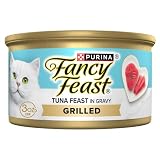
- Fancy Feast wet cat food made without artificial colors or preservatives
- Crafted with real, high-quality ingredients to deliver 100 percent complete and balanced canned cat food
- Fancy Feast grilled cat food developed in partnership with our expert nutritionists to create a unique and unforgettable taste experience for your cat
- Crafted with real tuna in a light, savory gravy for cats
- Protein-rich, gourmet soft cat food recipe creates a flavor-filled experience. Savory gravy adds to the delicious taste
Methylmercury can harm the nervous system. The concern is exposure over time or a substantial exposure, but the reviewed sources do not establish a tuna dose that causes poisoning in dogs or cats.
Which tuna has the most and least mercury?
| Tuna type | FDA/EPA human guidance category | What pet owners should know |
|---|---|---|
| Canned light tuna, including skipjack | Best Choice | Generally lower in mercury than the tuna types below; not mercury-free |
| Albacore or white tuna | Good Choice | Typically higher in mercury than canned light tuna |
| Yellowfin tuna | Good Choice | Do not assume it is equivalent to canned light tuna |
| Bigeye tuna | Choice to Avoid | Among the higher-mercury tuna types in this human guidance |
These FDA/EPA categories are for people covered by the agencies’ fish advice, not for calculating a dog’s or cat’s serving. FDA’s commercial-fish dataset reports mean mercury concentrations of 0.126 ppm for canned light tuna (545 samples, FDA 1991–2010), 0.358 ppm for fresh or frozen albacore (43 samples, FDA 1992–2008), and 0.689 ppm for fresh or frozen bigeye (21 samples, FDA 1993–2005). The overall table is titled “Mercury Levels in Commercial Fish and Shellfish (1990–2012)”; these are historical averages, not current measurements of every product or pet-toxic doses.
“Tuna” on a menu or package may not identify the species. Restaurant or sushi tuna may be yellowfin, bigeye, albacore, or another species. If you do not know the type, do not make it a routine pet treat.
Can dogs eat tuna?
Veterinary guidance is not entirely uniform about a small occasional bite. The American Kennel Club cautions against fish prone to high mercury, naming tuna, while a veterinarian-reviewed PetMD article says a small amount may be an infrequent treat but advises against regular feeding. Neither establishes a pet-safe mercury quantity.
Quick wins for a faster PC:
Clear out junk files and repair common Windows errorsFree Scan →Fix the driver behind crashes, sound loss and screen glitchesFind Drivers →Repair Windows errors before they cause bigger problemsFix Now →Do not make human canned tuna a routine dog food. Products packed in oil, salted liquid, sauces, or seasonings may add unsuitable ingredients. Tuna salad, sandwiches, and restaurant meals can contain onion, garlic, rich dressings, or other ingredients that create separate concerns.
Rank #2

- Limited, Whole Ingredients: Reveal Wet Cat Food is a grain-free, truly limited ingredient recipe that focuses on high-quality, whole ingredients your cat will love. This carefully crafted, simple recipe ensures your feline receives pure, delicious flavor in every bite.
- Delicious, Naturally: Made with 100% natural ingredients, Reveal canned wet cat food is free from artificial colors, flavors, and preservatives. This premium cat food offers pure, high-quality protein in a hydrating broth creating a tasty recipe your cat will love and a difference you can see.
- Real Protein First: At Reveal, our first ingredient is always high-quality, prime cuts of protein. Our carefully crafted, limited ingredient recipe provides cats with a natural meal bursting with flavor.
- Delicious Variety: Reveal Wet Cat Food offers a wide range of enticing flavors and textures, including hydrating broth, savory gravy, seafood, and poultry options. This premium, High Protein cat food is designed to satisfy even the fussiest of felines, providing a flavorful meal that promotes hydration, and keeps mealtime exciting.
- Quality Without Compromise: Every ingredient is carefully selected to ensure it meets the highest standards of quality, supporting your cat’s health with every bite. Trust in the goodness of Reveal, knowing you're giving your pet a clean, natural, and delicious meal every time.
If your dog has eaten tuna repeatedly, ate a substantial amount, or has a medical condition or restricted diet, ask your veterinarian for individualized advice. AKC names salmon, whitefish, herring, flounder, and Arctic char as commonly used shorter-lived fish alternatives; this is not a product-specific mercury guarantee or a prescription.
Can cats eat tuna?
A cat’s interest in tuna does not make human-grade tuna a complete daily diet. Veterinary sources advise that human tuna should not replace nutritionally complete cat food; one veterinarian-reviewed source discusses only small, occasional amounts and notes mercury and nutritional-balance concerns.
Formulated cat food is different from plain human tuna. Choose food labeled complete and balanced for your cat’s life stage and follow its feeding guidance. Do not assume that every tuna-flavored or tuna-based pet food has a known or measured mercury level.
PC Slower Than It Used to Be?
A free scan shows the junk files, broken settings and background clutter dragging Windows down - then fixes them in one click.Free scan · Windows 10 & 11Crashes, No Sound, or Screen Glitches?
Random freezes, missing sound and display glitches usually trace back to one bad driver. Find and replace yours safely.Free scan · under a minuteAsk your veterinarian before adding human tuna for a kitten, a sick cat, or a cat on a prescription diet. Do not make human tuna the foundation of meals or assume that the absence of immediate symptoms makes regular feeding appropriate.
How much tuna is safe for a pet?
No pet-specific tuna serving chart or validated dog- or cat-specific mercury threshold was found in the reviewed sources. Risk depends on the tuna type, amount and frequency, the pet’s species, age, health, and existing diet. Do not convert human FDA/EPA servings into a pet allowance.
Rank #3

- ONE SIMPLE INGREDIENT: Made with just one wholesome ingredient, our single ingredient cat treats feature real tuna with no added fillers, grains, or artificial additives. Whole Life keeps it simple, so you can feel confident knowing exactly what you’re giving your cat.
- REAL TUNA PROTEIN: Crafted from real tuna, these freeze dried tuna cat treats deliver a flavorful, protein-rich snack cats love. Our gentle freeze-drying process helps preserve the natural taste, texture, and nutrition of real fish in every bite.
- SENSITIVE STOMACH-FRIENDLY: Perfect for cats with dietary sensitivities, these cat snacks for sensitive stomachs are grain-free and made without unnecessary ingredients. A limited-ingredient recipe makes it easier to provide a simple snack option for cats with specific feeding needs.
- MORE WAYS TO ENJOY: Serve as a tasty reward, break into smaller pieces for cat training treats, or crumble over meals as a freeze dried cat food topper. These versatile tuna bites add delicious flavor and variety to your cat’s daily feeding routine.
- HUMAN GRADE & MADE IN OUR OWN USA FACILITY: Made with human-grade ingredients in our own U.S. facility, where every batch is carefully produced and independently tested for quality and safety. Our natural cat treats are made with care, giving you a treat you can feel confident serving your cat.
- Avoid routine feeding. Veterinary guidance supports keeping human-grade tuna out of a pet’s regular diet.
- Do not treat a human mercury category as a pet risk score. The FDA/EPA chart describes human advice, not pet servings.
- Check the whole meal. Salt, oil, sauces, onion, garlic, and other ingredients may pose concerns apart from mercury.
- Ask a veterinarian about individual cases. This is especially important for pets with health conditions, prescription diets, or substantial or repeated exposure.
Do not try to counteract exposure with supplements, charcoal, or “detox” products unless a veterinarian directs you to do so.
What symptoms could mercury exposure cause?
Significant mercury exposure can affect the nervous system, but the reviewed sources do not establish a pet-specific dose or a set of symptoms that proves tuna is responsible. Concerning changes after eating tuna warrant veterinary advice rather than an internet dose estimate.
When you contact the veterinarian, share the product label or species if known, how much was eaten and when, your pet’s weight and health conditions, other ingredients, and any symptoms. Do not induce vomiting or give home remedies unless a veterinarian or poison-control professional tells you to.
What about tuna packets, tuna salad, and restaurant tuna?
The fish type matters more than the packaging. A packet labeled canned light tuna belongs to that human-guidance category; albacore or white tuna belongs to a different category. Neither label establishes a safe pet serving.
Prepared meals may contain salt, oil, mayonnaise, onion, garlic, sauces, or other ingredients. Restaurant and sushi tuna may be a species with higher typical mercury, and the species may not be identified. Avoid giving pets leftovers when you cannot determine what is in them.
Rank #4

- Real Ocean Whitefish & Tuna Shreds: Tender shredded fish in gravy — the texture named on the label is the texture in the can.
- Complete Nutrition, All Life Stages: Balanced vitamins and minerals support coat health and everyday energy.
- Engaging Texture for Picky Eaters: Shredded format offers variety from smooth pate for cats who prefer texture at mealtime.
- Made in the USA: Manufactured in U.S. facilities under strict quality and safety standards.
- 5.5oz Cans, Pack of 24: Everyday value sizing for multi-cat households.
Does draining or cooking tuna remove mercury?
No. FDA guidance says cleaning and cooking do not reduce mercury already present in fish. Draining may affect some liquid, sodium, or calories depending on the product, but it is not a mercury-removal method.
The Tool Desk
Outbyte Driver Updater FREEFix the driver behind crashes, sound loss and screen glitchesFind Drivers →Outbyte PC Repair FREEClear out junk files and repair common Windows errorsFree Scan →Should pet owners avoid all fish?
No. Tuna’s mercury content does not mean every fish or fish-based pet food is dangerous. Fish-based commercial diets are different from human fish, and they should be chosen as complete and balanced for the pet’s life stage. Ask your veterinarian before adding fish regularly, especially for a pet with health or dietary concerns.
Raw or undercooked fish is a separate issue from mercury: the American Veterinary Medical Association discourages feeding raw or undercooked animal-source proteins, including fish, to dogs and cats because of food-safety risks.
Independent reader supportYour contribution helps us test, update, and keep practical guides available for everyone.A simple tuna-safety checklist
- Read the label to identify canned light tuna versus albacore/white, yellowfin, or bigeye when possible.
- Do not feed human tuna routinely or use it instead of complete and balanced pet food.
- Avoid seasoned, salted, oily, sauced, or mixed human dishes.
- Do not rely on cooking, draining, supplements, or detox products to remove mercury.
- Keep raw or undercooked fish separate from cooked-food choices; AVMA discourages feeding it to pets.
- Ask a veterinarian about substantial or repeated exposure, health conditions, or concerning symptoms.
Important distinction: human advice is not pet advice
FDA/EPA classify canned light tuna as a “Best Choice,” albacore/white and yellowfin as “Good Choices,” and bigeye as a “Choice to Avoid” for the populations covered by their human fish advice. Those categories help people consider mercury while choosing seafood; they do not say how much tuna a dog or cat can eat.
FDA’s commercial-fish data also do not describe pet food, every current can or fillet, or a pet-toxic dose. Keep these human data in context and ask a veterinarian about your own pet.
Best Value

- Premium wet cat food with real tuna as #1 ingredient
- Chicken and tuna recipe in savory broth
- Perfect portion size in 3 oz can
- Created by Whole Foods Market with trusted ingredients
- Natural ingredients cats love
FAQ
Does tuna fish have mercury?
Yes. Tuna contains mercury, and typical levels differ by species. FDA data show lower historical mean levels for canned light tuna than for fresh or frozen albacore and bigeye; those figures do not establish pet servings.
Is canned light tuna safer for pets than albacore?
Canned light tuna is generally lower in mercury in FDA commercial-fish data and is a lower-mercury category in human FDA/EPA guidance. That does not make it mercury-free or establish a safe pet amount.
Can one bite of tuna poison my dog or cat?
A bite alone does not establish mercury poisoning, and the reviewed sources do not identify a pet-specific dose threshold. Ask a veterinarian about a substantial or repeated exposure or concerning symptoms.
Does tuna cat food contain mercury?
Fish can contain mercury, but the reviewed sources do not establish mercury levels for every tuna-based pet food. Choose a complete and balanced food and ask your veterinarian about a specific product or your cat’s diet.
Recommended Free Tools
Can I remove mercury by rinsing or draining tuna?
No. Cooking and cleaning do not reduce mercury already present in fish. Draining is not a mercury-removal method.
Can pets eat raw tuna?
AVMA discourages feeding raw or undercooked animal-source proteins, including fish, to dogs and cats because of food-safety risks. This concern is separate from mercury levels.
The Bottom Line
Yes, tuna has mercury, and species matters. FDA figures and human advice do not establish a safe amount for dogs or cats. Avoid routine human-grade tuna feeding, keep complete and balanced pet food as the dietary foundation, and contact your veterinarian about substantial or repeated exposure or concerning symptoms.
Quick Recap
Product prices and availability are accurate as of the date/time indicated and are subject to change. Any price and availability information displayed on Amazon at the time of purchase will apply.
What’s actually slowing this PC down?
Pick the symptom - the matching free tool is one click away.




