Holistic veterinary care is a whole-animal approach, not a rejection of conventional medicine. It may combine a sound veterinary diagnosis and appropriate conventional treatment with selected complementary approaches tailored to the individual animal. Whether a treatment is safe or useful depends on the species, condition, evidence, risks, and veterinary oversight—not on a label such as “holistic” or “natural.”
Holistic veterinary care is whole-animal care—not care without conventional medicine
A responsible holistic veterinary plan starts with a veterinary examination and diagnosis, then considers the animal’s nutrition, pain, mobility, behavior, environment, preventive care, emotional welfare, and relationship with the caregiver. Complementary methods may be added when they suit the individual patient and their potential benefits, limits, risks, and practical demands have been discussed with a veterinarian.
The word holistic does not make a treatment safe, effective, or natural. It should never mean delaying vaccination, parasite prevention, pain control, surgery, treatment for infection, or emergency care. The AVMA says complementary and alternative veterinary medicine should meet the same standards as other veterinary medicine: claims for safety and effectiveness should be supported by scientific evidence.
Four terms that are often confused
| Term | What it means | What a safe version looks like |
|---|---|---|
| Integrative care | Conventional veterinary medicine combined with selected complementary approaches. | The veterinary team considers the evidence and risks, coordinates treatments, and monitors whether each one is helping. |
| Complementary care | A treatment used alongside standard care. | A veterinarian-tailored rehabilitation plan while the prescribed medical plan continues. |
| Alternative care | A treatment used instead of standard veterinary care. | This can be risky when it postpones diagnosis or established treatment. |
| Wellness-oriented care | Prevention and daily support, including nutrition, exercise, enrichment, weight management, dental care, and environmental safety. | These measures support health but do not replace evaluation of illness or injury. |
These terms are used in different ways. Here, “integrative” means selected complementary approaches alongside conventional care, while “alternative” means an approach proposed in place of it.
#1 Best Overall

- ALL THE SUPPORT: Fuel your dog’s vitality with a comprehensive daily dog supplement designed to fill the nutritional gaps in standard kibble. Our 10-in-1 multivitamin provides a balanced blend of 21 essential vitamins and minerals that support dog skin & coat health, plus they’re a dog joint supplement that maintains healthy bones & hip function as well. Our multivitamin supports everything from eye health to a strong immune response and healthy digestion, ensuring your best friend stays in peak condition through every life stage. It’s the ultimate all-in-one nutrition for overall wellness.
- FROM THE INSIDE OUT: Our vet-recommended vitamins for dogs combine ten powerful vitamins, nutrients, & supplements that support overall daily health. A healthy dog starts with a healthy gut. We’ve included 1 Billion CFUs of Probiotics and fiber-rich Pumpkin to support smooth digestion and firm stools. This dog probiotic boost helps maintain a balanced gut flora, which is essential for nutrient absorption and a strong immune system—where 70% of your dog’s health begins. Perfect for pups with sensitive stomachs! They might be little chews but they’re loaded with ingredients to help your pet feel like top dog.
- THEY DESERVE THE BEST: Your pet’s health & happiness is your top priority. It’s ours too. Unlike basic vitamins, our formula is loaded with Glucosamine, Chondroitin, and MSM to support healthy cartilage and joint lubrication. It’s the perfect hip and joint supplement for dogs who love to run, jump, and play. That’s why our dog vitamins & supplements are made with the very best ingredients to help your dog feel their very best every day. In fact, they’re the #1 vet-approved multivitamin brand on Amazon.* (Based on Stackline Atlas Data for Amazon and Nielsen data for retail, 52 weeks from December 2023 - November 2024).
- DROOL-WORTHY TASTE: Packed with Omega-3 fatty acids and Vitamin E, our chews help soothe sensitive skin and promote a soft, glossy coat and support brain function. It’s the ultimate skin and coat supplement to help reduce excessive shedding and keep your dog looking as good as they feel. Not only do our multivitamin for dogs support your furry family member’s overall daily health, they taste great too! In fact, 9 out of 10 dogs love the taste.** based on a 3rd party feeding study. Individual results may vary. So, in addition to giving your dog something that's good for them, you'll also be giving them something that they’ll love.
- THE HONEST DIFFERENCE: Our vet-recommended dog vitamins are made with clean, science-backed ingredients for results you can trust, & with no fillers, artificial preservatives, colors, or flavors, you'll have no doubt your dog is getting the best. Proudly supporting pets in need nationwide & using recycled plastic in our packaging, there's also no doubt that we're committed to doing our best. -- All products are manufactured in the U.S.A. | NASC Member Company
What happens during a holistic or integrative veterinary visit?
A thorough visit usually begins with a medical history and physical examination. Depending on the concern, the veterinarian may recommend diagnostic tests before discussing complementary options. A whole-animal plan is only useful when it is based on an accurate understanding of the animal’s health.
The discussion may then expand to:
- species, breed, age, life stage, reproductive status, and previous medical history;
- current symptoms, pain, mobility, sleep, appetite, digestion, and elimination;
- body condition, muscle mass, activity level, and exercise routine;
- the complete diet, treats, chews, supplements, feeding amounts, and food changes;
- medications, preventives, adverse reactions, and products purchased without a prescription;
- behavior, fear, aggression, compulsive behavior, social contact, and recent behavior changes;
- housing, transport, temperature, noise, bedding, enrichment, and possible environmental hazards;
- vaccination, parasite control, dental care, identification, and reproductive planning;
- the caregiver’s goals, budget, ability to provide home care, and quality-of-life priorities.
Integrative veterinary care may include acupuncture, rehabilitation, nutrition support, or other approaches. Their presence on a clinic’s service list does not establish that they work for every disease. Evidence differs by modality, species, condition, and outcome; do not generalize findings from one diagnosis to another.
Nutrition and body condition are part of whole-animal care
Nutrition is an important part of a holistic framework, but diet choice should be individualized rather than based on slogans such as “natural,” “ancestral,” “grain-free,” or “raw.” A suitable plan depends on the animal’s species, age, life stage, body condition, activity, reproductive status, diagnoses, medications, food history, treats, supplements, and the household’s ability to prepare and store food safely.
Bring food packaging or a photograph of the label, feeding amounts, treats, supplements, and any homemade recipe to the appointment. A veterinarian can assess whether the overall plan supplies appropriate energy and nutrients, whether portions fit the animal’s body condition, and whether a medical diet is needed. AAHA’s nutrition and weight-management guidance provides a framework for veterinary assessment of dogs and cats. Its pain guidance also reports that longitudinal veterinary studies support maintaining lean body condition to slow osteoarthritis progression and extend dogs’ lifespan. Weight goals and calorie targets should be discussed with the veterinary team.
Raw and homemade diets
Raw meat-based diets should not be treated as automatically healthier. WSAVA reports no established health benefits of raw diets over balanced commercial or cooked diets. Raw meat can carry bacteria, and recipes may be nutritionally unbalanced; bones can also cause injury. A homemade diet intended to be complete and balanced should be formulated or reviewed by a veterinarian with appropriate nutrition training. Do not rely on a recipe simply because it was posted online or by a pet-food company.
Complementary therapies: match the method to the diagnosis
The useful question is not whether a modality is holistic. Ask whether it is appropriate for this animal, this diagnosis, and this goal—and whether likely benefits outweigh risks, cost, travel, handling, time, and the risk of delaying established care.
Rank #2

- Dog multivitamin for coat and skin care: Dog multivitamins chewable is rich in Omega-3 fatty acids and vitamin E, which can accurately relieve dog skin allergies, dryness, itching and other problems. Vitamins for dogs deeply nourishes hair follicles.Long-term consumption of dog vitamins multivitamin can make the coat stronger and smoother and reduce coat loss.Combined with the antioxidant power of coenzyme Q10 in dog vitamins and supplements, it delays cell aging and helps promote wound healing
- Dog vitamins multivitamin joint support:Dog multivitamins chewable utilize a golden combination of MSM,glucosamine,chondroitin sulfate.Pet vitamins and supplements support cartilage development and repair.Long-term use of senior dog vitamins can enhance the elasticity and toughness of joint cartilage and improve flexibility.Multivitamins for dogs can support joint comfort,reduce friction and enhance mobility,allow dogs to move more freely.Dog daily vitamins provide comprehensive joint protection
- Dog vitamin gut-friendly formula: Vet-endorsed formula dog vitamins and supplements made from natural ingredients.Dog multivitamins chewable contains a rich probiotic flora to strongly protect the dog intestinal and digestive health.Dog multivitamin with probiotics can regulate the balance of intestinal flora, assist calcium absorption and promote bone development.Multivitamin for dog can improve energy metabolism and efficiently absorb nutrients. Dog daily multivitamin keeps dog energetic
- Multivitamin dog supplements all-age protection: Dog multivitamins chewable helps puppies boost immunity. Dog vitamins and supplements for adult dog can help supports healthy blood circulation and liver detoxification, while relieving stress-related emotions. Multivitamin for dogs is ideal for senior dogs to support overall wellness as part of daily care.Dog multivitamins chewable fill nutritional gaps from aging and a monotonous diet. Daily dog multivitamin comprehensively protects dog health
- Dog multivitamin supplements brain and eye protection:The natural DHA in dog multivitamins chewable krill oil is easily absorbed and can promote the brain development of puppies.Daily supplementation of dog vitamins and supplements chewable can improve dog cognition and memory, and help them learn faster during training.Dog supplements & vitamins chewable can also nourish and relieve dry eyes and reduce tear marks.Vitamin for dogs provides comprehensive care for brain development and eye health
Rehabilitation and physical therapy
Veterinary rehabilitation may be considered after surgery or for some neurologic and musculoskeletal conditions. A plan should be tailored to the diagnosis and the animal’s response; do not assume that every rehabilitation technique is effective for every condition or start exercises without veterinary guidance.
For chronic pain, weight management and appropriately tailored activity may be part of a broader plan. Do not stop a prescribed analgesic or substitute a supplement because an animal seems temporarily more comfortable.
The Tool Desk
Outbyte Driver Updater FREEScan for outdated or missing drivers - takes under a minuteDriver Scan →Outbyte PC Repair FREERepair Windows errors before they cause bigger problemsFix Now →Acupuncture
Acupuncture evidence is limited and condition-specific. AAHA’s 2022 canine and feline pain guidance says there is not an abundance of evidence-guided studies. It describes potential adjunctive use for postoperative pain in cats and dogs and for intervertebral disc disease, but reports that acupuncture was not found beneficial for osteoarthritis-associated pain in dogs. These findings do not establish that acupuncture treats pain or disease broadly.
If you are considering acupuncture, ask your primary-care veterinarian whether it fits the diagnosis and overall plan. Discuss who will perform it, relevant veterinary qualifications and training, the intended outcome, how improvement will be assessed, and what conventional care will continue. The sources reviewed do not establish one universal credentialing standard across jurisdictions.
Other modalities
Massage, manual therapy, therapeutic exercise, and other modalities should be used only when a veterinarian or appropriately trained professional has established a safe plan for the diagnosed problem. Ask who will perform the technique, what relevant training they have, what risks or contraindications apply, and when treatment should stop.
Questions to ask before starting a complementary treatment
- What diagnosis or clearly defined problem is this intended to support?
- What evidence exists for this species, condition, and desired outcome, and what remains uncertain?
- Who will perform it, and what veterinary qualifications or relevant training do they have?
- What are the risks, interactions, contraindications, and stopping rules?
- How will improvement be measured, and when will the plan be reassessed?
- Which examinations, medications, preventives, or other treatments must continue?
- What travel, frequency, cost, handling, or home-care commitment should I expect?
Herbs and products marketed as supplements require scrutiny
“Natural” does not mean safe. Herbal and botanical products may have adverse effects, interact with medicines, or vary in quality. Tell your veterinarian about every therapy, diet, herb, and product you are considering or already using. Do not rely on a product label such as “supplement,” “natural,” or “veterinarian formulated” as proof of safety, effectiveness, or approval.
Windows Errors? Fix Them Before They Spread
Repair common Windows errors and clear accumulated junk for a smoother, more stable PC - no reinstall needed.Free scan · no reinstallOutdated Drivers Are Slowing You Down
One free scan finds every outdated or missing driver and matches the right update for your exact hardware.Free scan · exact hardware matchRank #3
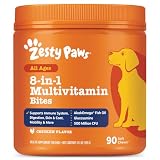
- 8-in-1 Formula - Zesty Paws Multifunctional Bites are functional supplement chews with premium ingredients that support physical performance, antioxidants, hip & joint, heart, immune, skin, liver, & gut health for dogs of all ages, breeds, and sizes.
- Skin Health & Antioxidants – For animals with sensitive skin, this formula contains Cod Liver Fish Oil and Vitamin E to help maintain normal moisture and CoQ10 to help reduce oxidative stress.
- Hip, Joint & Performance Support - Each dog chew features OptiMSM, a premium form of MSM for muscular support, which works synergistically with the Glucosamine HCl and Chondroitin Sulfate in these chews for hip and joint support plus Cod Liver Oil and B-Complex Vitamins support normal physical performance.
- Gut Health & Probiotics - These chews also contain a six-strain Gut Health Blend (500 million cfu per chew) and a Digestive Health Blend to promote gut flora while supporting normal bowel function for dogs.
- Heart, Liver & Immune Health - Multifunctional Bites feature powerful antioxidants, premium CoQ10, Cod Liver Oil and Vitamins A, C, & E to promote healthy cardiovascular function, support liver health and enhance immune response.
In the United States, FDA explains that there is no distinct FDA dietary-supplement category for animal products. Products marketed as animal supplements are regulated as animal food or animal drugs depending on their composition and intended use. A product intended to treat or prevent disease may be regulated as a drug, and new animal drugs need FDA approval, conditional approval, or indexing before legal marketing. These rules are U.S.-specific; check applicable requirements in your jurisdiction.
Do not use this article to choose a dose or brand. The sources reviewed do not support recommending a particular herb, supplement, or dose. Review products with a veterinarian, especially when the animal has a medical condition or takes other medicines.
CBD and cannabis products
The FDA has not approved cannabis for use in animals and cannot assure the safety or effectiveness of cannabis products marketed for pets. Concerns include uncertain dosing, drug interactions, adverse effects, product quality, and delayed treatment if an owner relies on CBD instead of veterinary care. Discuss the exact product before giving it, and tell the veterinarian its brand, formulation, and amount if it has already been used.
Essential oils
Concentrated essential oils are not harmless aromatherapy for pets. ASPCA’s Animal Poison Control Center warns that ingestion or direct skin application can cause illness. Cats, birds, and animals with respiratory disease require particular caution. Avoid applying essential oils directly to an animal unless a veterinarian specifically directs you to do so.
Quick wins for a faster PC:
Clear out junk files and repair common Windows errorsFree Scan →Fix the driver behind crashes, sound loss and screen glitchesFind Drivers →Repair Windows errors before they cause bigger problemsFix Now →If a pet may have ingested a concentrated oil, had one applied to the skin, or developed symptoms after exposure, contact a veterinarian or animal poison-control resource promptly.
Prevention belongs in a whole-animal plan
Whole-animal care is incomplete if it focuses on alternative products while neglecting ordinary preventive medicine. The appropriate schedule varies by species, age, lifestyle, geography, exposure risk, and existing disease. Discuss routine examinations, individualized vaccination decisions, parasite prevention, dental care, weight, safe activity, reproductive planning, identification, behavioral support, and environmental risks with your veterinarian.
Rank #4

- ALL THE SUPPORT: Fuel your dog’s vitality with a comprehensive daily dog supplement designed to fill the nutritional gaps in standard kibble. Our 10-in-1 multivitamin provides a balanced blend of 21 essential vitamins and minerals that support dog skin & coat health, plus they’re a dog joint supplement that maintains healthy bones & hip function as well. Our multivitamin supports everything from eye health to a strong immune response and healthy digestion, ensuring your best friend stays in peak condition through every life stage. It’s the ultimate all-in-one nutrition for overall wellness.
- FROM THE INSIDE OUT: Our vet-recommended vitamins for dogs combine ten powerful vitamins, nutrients, & supplements that support overall daily health. A healthy dog starts with a healthy gut. We’ve included 1 Billion CFUs of Probiotics and fiber-rich Pumpkin to support smooth digestion and firm stools. This dog probiotic boost helps maintain a balanced gut flora, which is essential for nutrient absorption and a strong immune system—where 70% of your dog’s health begins. Perfect for pups with sensitive stomachs! They might be little chews but they’re loaded with ingredients to help your pet feel like top dog.
- THEY DESERVE THE BEST: Your pet’s health & happiness is your top priority. It’s ours too. Unlike basic vitamins, our formula is loaded with Glucosamine, Chondroitin, and MSM to support healthy cartilage and joint lubrication. It’s the perfect hip and joint supplement for dogs who love to run, jump, and play. That’s why our dog vitamins & supplements are made with the very best ingredients to help your dog feel their very best every day. In fact, they’re the #1 vet-approved multivitamin brand on Amazon.* (Based on Stackline Atlas Data for Amazon and Nielsen data for retail, 52 weeks from December 2023 - November 2024).
- DROOL-WORTHY TASTE: Packed with Omega-3 fatty acids and Vitamin E, our chews help soothe sensitive skin and promote a soft, glossy coat and support brain function. It’s the ultimate skin and coat supplement to help reduce excessive shedding and keep your dog looking as good as they feel. Not only do our multivitamin for dogs support your furry family member’s overall daily health, they taste great too! In fact, 9 out of 10 dogs love the taste.** based on a 3rd party feeding study. Individual results may vary. So, in addition to giving your dog something that's good for them, you'll also be giving them something that they’ll love.
- THE HONEST DIFFERENCE: Our vet-recommended dog vitamins are made with clean, science-backed ingredients for results you can trust, & with no fillers, artificial preservatives, colors, or flavors, you'll have no doubt your dog is getting the best. Proudly supporting pets in need nationwide & using recycled plastic in our packaging, there's also no doubt that we're committed to doing our best. -- All products are manufactured in the U.S.A. | NASC Member Company
Behavior and environment are clinical concerns, not decorative extras. Predictable routines, safe transportation, enrichment, appropriate activity, and low-stress handling can support welfare and make veterinary care easier. A sudden behavior change, new aggression, hiding, reduced activity, or unusual vocalization can signal pain or illness; do not use enrichment to explain away a medical problem that needs examination.
Build an emergency plan before you need it
Know which veterinary hospital handles emergencies, how to reach it, how to transport the animal, and where medical records and medications are kept. Keep appropriate supplies and records accessible, and ask your veterinarian what your species or the animal’s health conditions require.
Do these 3 things before closing this tab:
1Clear out junk files and repair common Windows errors2Scan for outdated or missing drivers - takes under a minute3Repair Windows errors before they cause bigger problemsA first-aid kit can help with minor injuries or while you arrange veterinary care, but first aid is not diagnosis or treatment for a serious emergency. Contact a veterinarian or emergency hospital immediately for breathing difficulty, poisoning, collapse, uncontrolled bleeding, seizures, severe pain, or any rapidly worsening condition. Follow veterinary or poison-control instructions rather than giving human medicine or attempting an unapproved home remedy.
Independent reader supportYour contribution helps us test, update, and keep practical guides available for everyone.Supportive tools can help—but they are not treatments
Some household tools may support a veterinary plan, such as a suitable scale for tracking weight trends, an easy-to-enter bed for comfort, or a puzzle feeder for appropriate enrichment. Ask whether a tool fits the animal’s needs and introduce it safely. None cures arthritis, obesity, anxiety, digestive disease, or another diagnosis; value depends on how it fits into a monitored plan.
Holistic care for aging, chronic illness, and end of life
A whole-animal approach is valuable when a pet has chronic disease or is approaching the end of life. A care plan may address pain and other symptoms, mobility, hygiene, appetite, sleep, social contact, anxiety, the home environment, and the caregiver’s ability to provide care.
Palliative care does not necessarily mean abandoning disease-directed treatment. Goals can change over time—from cure or long-term control to comfort, meaningful function, and minimizing suffering. Ask the veterinary team how to recognize a good day, which symptoms require an urgent call, how home care will be provided, and when the plan should be reassessed.
Best Value

- Dog multivitamins chewable for skin & coat : Dog multivitamin is rich in Omega-3 fatty acids and vitamin E,which can relieve skin allergies,dryness,itching and other problems.Multivitamin for dogs nourishes skin follicles.Long-term consumption of dog vitamins multivitamin can make dog hair stronger and smoother,and reduce coat loss.The COQ10 in dog multivitamin chewable can resist oxidation and delay cell aging.Dogs with skin injuries can eat dog vitamins and supplements to promote wound healing
- Dog multivitamin relieves joint inflammation: Dog vitamins for hip and joint can supplement high-quality MSM, glucosamine, and chondroitin sulfate to promote cartilage development and repair. Long-term consumption of dog multivitamins chewable can enhance the elasticity and toughness of joint cartilage, improve joint flexibility, and move more freely. Dog multivitamin chews can reduce joint friction and relieve joint pain. Dog vitamins and supplements can prevent and improve dog joint problems
- Dog multivitamin chews are good for the gut: Vet-endorsed formula dog vitamins and supplements made from natural ingredients.Dog vitamins multivitamin chewables contain a rich blend of probiotics to support intestinal and digestive health.Dog vitamins for small dogs can regulate the balance of intestinal flora,help calcium absorption,and promote bone development.Dog multivitamins chewables improve energy metabolism,converting food into energy, making dogs more energetic in their daily activities
- Dog multivitamin chews protect overall health:Senior dog vitamins and supplements help improve blood circulation and prevent cardiovascular disease.Dog multivitamins chewable support normal liver function,promote liver detoxification,and improve negative mood.For dog with heart problems and older dog,taking dog vitamins and supplements in moderation is an auxiliary health care measure.Dog vitamins multivitamin helps enhance white blood cell activity,improve immunity,prevent infection and disease
- Dog multivitamins chewable promote brain development: The DHA in krill oil in multivitamin for dogs is an important component of the brain and retina. Dog vitamins and supplements can improve dog cognitive ability. When training puppies to learn basic commands, puppies who are properly supplemented with dog vitamins multivitamin will behave more intelligently and improve memory.Dog supplements & vitamins can prevent and relieve eye problems such as dry eyes and tear stains, and keep eyes healthy
A daily log of appetite, drinking, toileting, mobility, sleep, pain behaviors, interaction, grooming, and enjoyed activities can help identify trends and support a discussion with the veterinary team.
How to choose a holistic or integrative veterinarian
Look for a veterinarian who is willing to make or confirm a diagnosis, explain uncertainty, coordinate with other clinicians, and define how success will be evaluated. Ask about relevant training in the specific service and how the practice will coordinate with your primary veterinarian.
Be cautious if a provider:
- promises to cure many unrelated diseases with one product or technique;
- uses testimonials as the main evidence;
- tells you to stop prescribed medication, vaccination, parasite prevention, or urgent treatment;
- discourages diagnostic testing or referral without a clear medical reason;
- cannot explain risks, uncertainty, product quality, or follow-up;
- pressures you to buy a proprietary product before discussing the diagnosis.
Before the appointment, write down symptoms and their timeline, bring product labels and recipes, record videos of unusual movement or behavior, and list every medication, diet, herb, therapy, and supplement. Complete information helps the veterinary team assess the whole plan.
A practical starting plan
- Establish a baseline: schedule an examination and discuss symptoms before adding a complementary treatment.
- Review the daily routine: discuss diet, treats, body condition, activity, sleep, enrichment, housing, and stressors.
- Prioritize established needs: maintain appropriate preventive care and disease-specific treatment.
- Add selectively: choose a complementary method only when its goal, evidence, risks, provider qualifications, and practical demands are clear.
- Track outcomes: agree on what improvement would look like and when the plan will be reviewed.
- Disclose and reassess: tell the veterinarian about every therapy and product, and revisit the plan if the animal changes or does not improve.
FAQ
Is holistic veterinary care safe for my pet?
It can be part of a safe plan when a veterinarian establishes the diagnosis, considers evidence and risks for the specific animal and condition, and monitors the plan. The label “holistic” alone does not establish safety or effectiveness.
Free tools Windows power users keep installed
One-click scans. No signup required.
Can holistic veterinary care replace a regular veterinarian?
No. Responsible integrative care includes veterinary examination and diagnosis. It should not replace appropriate preventive care, prescribed treatment, or emergency care.
Does acupuncture work for dogs?
Evidence is limited and varies by condition. AAHA’s 2022 pain guidance describes potential adjunctive use in some postoperative pain contexts and intervertebral disc disease, but reports no benefit for osteoarthritis-associated pain in dogs. Ask your veterinarian whether it fits your dog’s diagnosis.
Are pet supplements regulated by the FDA?
In the United States, FDA does not have a distinct dietary-supplement category for animal products. Depending on composition and intended use, products marketed as animal supplements are regulated as animal food or animal drugs. A label does not prove FDA approval, effectiveness, or safety.
The Bottom Line
Holistic veterinary care is most useful when it means individualized, coordinated care under veterinary oversight. Start with a sound diagnosis, discuss nutrition and body condition, disclose every therapy and product, and add only approaches suited to the animal and condition. Keep appropriate conventional care in place and monitor whether the plan is helping.
What’s actually slowing this PC down?
Pick the symptom - the matching free tool is one click away.
Quick Recap
Product prices and availability are accurate as of the date/time indicated and are subject to change. Any price and availability information displayed on Amazon at the time of purchase will apply.




