Recommended Free Tools
The Australian Shepherd is a medium-sized, intelligent working herding dog developed in the United States despite its name. Aussies are athletic and energetic, and they generally need daily exercise, training, human companionship, and regular coat care. They may suit active households prepared to meet those needs, but a yard alone is not enough.
The central ownership question is whether your household can consistently provide activity, engagement, and training while managing shedding and the breed’s working instincts. Individual dogs vary, so consider the dog in front of you rather than relying on breed generalizations alone.
Australian Shepherd at a glance
| Characteristic | Typical information |
|---|---|
| Development | United States |
| Type | Working stockdog and herding breed |
| Height | Males: 20–23 inches; females: 18–21 inches, according to the American Kennel Club (AKC) breed standard |
| Weight | Males: 50–65 pounds; females: 40–55 pounds, according to the AKC breed profile |
| Life expectancy | 12–15 years, according to the AKC breed profile |
| Coat | Moderate-length, weather-resistant double coat |
| Recognized colors | Black, blue merle, red, and red merle |
| Activity | High-energy and athletic; needs substantial daily exercise and constructive activity |
| Potential fit | Active owners prepared to provide training, engagement, and companionship |
These are published breed-profile ranges, not guarantees for an individual dog. Size, lifespan, and behavior vary. See the AKC Australian Shepherd breed profile and its official breed standard for the cited figures.
Where the Australian Shepherd comes from
The name can be misleading: the Australian Shepherd was developed in the United States. Dogs Australia identifies the United States as the breed’s country of development. The name is associated with sheep and shepherds arriving through Australia, but the detailed ancestry is not settled enough to present one precise origin story as fact.
#1 Best Overall

- DUAL-SIDED DESIGN: Our Undercoat Rake Dog brush is perfect for deshedding your pet's coat. Designed with a dual-sided design, start with a 9-teeth side to tackle stubborn mats and tangles, and finish with a 17-teeth side to thin out and deshed after.
- HEALTHY COAT AND REDUCED SHEDDING: Our deshedding brush for dogs is designed with sharpened but finely rounded teeth that allow you to easily and safely remove mats, tangles, knots, and loose hair without irritation or scratching.
- EFFECTIVE DESHEDDING TOOL: This dematting and deshedding brush gently removes loose hair and eliminates tangles, knots, dander, and trapped dirt. The perfect cat grooming tool solution for pets with thick fur or dense double coats.
- COMFORTABLE TO USE: Keep your pet clean and healthy with our dog and cat brush for grooming. Designed with a lightweight, comfortable handle and a non-slip rubber base to keep the brush from moving around as you brush your pet.
- PERFECT GIFT FOR PET LOVERS: Our dog comb brush is a must-have grooming products for dogs and cats. A great gift undercoat rake dog for pet lovers who want to keep their fur buddies clean, healthy, and well-groomed!
The Australian Shepherd Club of America (ASCA) breed standard describes the Aussie as a working stockdog, with stamina, agility, herding instincts, and guardian instincts. Breed standards describe an ideal for judging and breeding; they do not guarantee a particular dog’s appearance, health, or temperament.
Size, appearance, coat, and colors
Australian Shepherds are medium-sized, balanced dogs, typically slightly longer than they are tall. Their working heritage favors functional movement, stamina, and agility rather than an exaggerated appearance. The ASCA standard identifies a natural or docked bobtail; this feature is not evidence of superior health, temperament, or working ability.
Coat and shedding
An Aussie has a moderate-length, weather-resistant double coat. Regular brushing helps maintain it, with extra attention during seasonal shedding. The AKC recommends weekly brushing down to the skin with a pin brush; during shedding season, a slicker brush can help remove loose undercoat. An undercoat rake may be used every two or three days during that period, followed by a wire brush, according to the AKC breed profile and its 2025 Australian Shepherd care handout. The right routine depends on the individual dog’s coat.
Baths are generally occasional unless the dog gets especially dirty, and nails should be trimmed regularly. Routine shaving is not a substitute for coat care. Ask a veterinarian or groomer about persistent skin or coat problems.
Merle coats, eye color, and the bobtail
The AKC lists black, blue merle, red, and red merle as recognized colors, with white and tan markings also described in its breed profile. Color and eye appearance are variations, not measures of temperament or suitability. A merle pattern, eye color, or bobtail should not take the place of evaluating a dog’s health information, behavior, and breeding or adoption circumstances.
Australian Shepherd temperament and behavior
The breed standards describe an intelligent, active dog with strong herding and guardian instincts. Many Australian Shepherds are highly engaged with their people and eager to learn, but individual temperament varies. Dogs from working lines may have especially demanding activity needs.
Rank #2
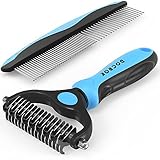
- 【Easy Dematting and Deshedding Tools】: Our Grooming brush and comb combo help effortlessly dematting and reduces shedding. A must have dog brush for shedding, pet supplies, cat supplies, dog supplies metal comb for dogs shedding.
- 【Safe Design】: Soft and protective edge brush and comb creating a comfortable feeling while detangling matted hair and deshedding without hurting your pet. Perfect metal comb for dogs, dematting comb for cats, undercoat rake for dogs double coat.
- 【2-in-1 Rake】: Our undercoat rake is perfect for medium and long-haired dogs and cats and other double coat pets. Wide side for easy dematting, dense side for deshedding. Well made deshedding tool, grooming brush and deshedder brush for dogs.
- 【2-in-1 Comb】: Wide sided for comb knot, smoothing and modeling your pet's hair, dense side for removal of loosen hair, you can use it on the legs, head or tail of your pets where the brush can’t. Perfect metal comb for dogs, dematting comb for cats deshedding tool for dogs.
- 【Sturdy and Comfortable Design】: Premium Stainless steel metal teeth and compact design make our product sturdy and durable. High-quality & lightweight TPR handle make your grooming effortlessly. High-quality undercoat rake for dogs double coat, metal comb for dogs, dematting comb for cats, dog comb for matted hair.
AKC recommends early socialization and obedience training and notes that constructive outlets help channel the breed’s energy. It also emphasizes human companionship: prolonged lack of engagement can contribute to behavior problems. These are general breed-care cautions, not predictions about every individual dog.
The herding instinct
An Aussie may try to control movement, including that of livestock or people. Owners should supervise interactions with children and other animals, and use management and training to teach appropriate alternatives. Children and dogs should always be supervised together, regardless of breed.
The Tool Desk
Outbyte Driver Updater FREEFix the driver behind crashes, sound loss and screen glitchesFind Drivers →Outbyte PC Repair FREEClear out junk files and repair common Windows errorsFree Scan →An Australian Shepherd may be a good family dog when its needs are met, but it should not be assumed to be automatically gentle, patient, or suitable for every child. Seek help from a qualified trainer if behavior is difficult to manage.
Exercise: an Aussie needs constructive activity
AKC describes Australian Shepherds as high-energy and athletic and recommends substantial daily exercise and a job or activity. Suitable outlets can include herding, obedience, agility, dock diving, and similar activities. The appropriate amount depends on the individual dog’s age, health, and conditioning; do not treat an illustrative routine as a universal prescription.
Exercise should be paired with training, engagement, and companionship. The ASCA guide “Is an Aussie Right for You?” is a useful next read for prospective owners considering how much time they can devote to an active dog.
A realistic daily pattern
There is no single exercise prescription that fits every Australian Shepherd. A flexible framework for an adult dog can include:
Rank #3
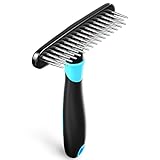
- One of the best dog brushes on the market, It has a double row of stainless steel pins/teeth to reduce pulling the coat without damaging it or hurting your pet. It is a very gentle experience for your dog, cat, rabbit, or any other furry friend that needs brushing.
- Our undercoat Rake dramatically reduces shedding by up to 90% after just 1 short session. This is compared to only 30% with the average Brush or comb. Perfect for matted, heavy shedding undercoats and fur.
- Our professional grooming brushes can be used on both dogs, cats, rabbits, or equestrian horses that have short, Medium or long hair. This professional, high quality brush is priced well, so you can buy one to keep in the house and one for the car.
- Recommended and used by veterinarians, groomers, and pet professionals. The perfect brush for removing unwanted shedding hair. Scientifically designed to promote healthy skin and a shiny top coat. Protects you and your pet from skin allergies, and minimizes irritation from build up, which reduces allergic airborne elements.
- The innovative design allows air to your pet's skin and stimulates the hair follicles, allowing the release of healthy oils. The contouring handle is strong and durable, made of a non-slip, non-toxic silicone. The stainless pins take the unnecessary ’hurt’ out of grooming your pet.
- Physical activity: walks, hikes, retrieving, or another activity suited to the dog’s health and conditioning.
- Training: short sessions practicing useful skills or a sport activity.
- Enrichment: scent games, food puzzles, or other safe problem-solving activities.
- Companionship and rest: time with the household as well as opportunities to settle.
A yard may make safe activity easier, but it does not replace interaction, training, or companionship. Tailor activity to the dog and consult a veterinarian about health or exercise concerns.
Training and socialization
Early socialization and obedience training are important. Introduce a puppy or dog to people, handling, places, sounds, and everyday situations in a controlled, positive way. Socialization is not forcing a wary dog to interact.
Australian Shepherds are intelligent and active. Constructive training and activities can help channel their energy, while the right approach depends on the individual dog. If you need support, look for a qualified trainer who uses humane methods and can accommodate your dog.
Skills worth prioritizing
- Recall and response to the dog’s name, practiced in manageable settings
- Leash skills and calm transitions through doors, gates, and cars
- Settling calmly at home
- Cooperative brushing, nail care, and veterinary handling
- Appropriate behavior around children, unfamiliar adults, other dogs, and household animals
Grooming and routine care
Weekly coat-care routine
- Choose a calm location and let the dog inspect the brush.
- Brush in sections down to the skin without scraping or irritating it.
- During shedding season, use suitable tools to remove loose undercoat as needed.
- Keep sessions comfortable and reward calm handling.
The AKC care guidance recommends weekly brushing and extra grooming during shedding season. A groomer can help with coat maintenance; ordinary care does not require elaborate trimming. For severe mats or skin concerns, seek professional advice.
Quick wins for a faster PC:
Scan for outdated or missing drivers - takes under a minuteDriver Scan →Repair Windows errors before they cause bigger problemsFix Now →Other routine tasks
- Nails: Trim regularly so they do not become overgrown.
- Bathing: Bathe occasionally or when the dog becomes especially dirty.
- Coat concerns: Ask a veterinarian about persistent skin or coat problems.
Australian Shepherd health concerns
AKC names hip dysplasia, epilepsy, cataracts, and some cancers among health concerns associated with the breed. It lists hip evaluation, elbow evaluation, and an ophthalmologist evaluation among recommended health tests from the national breed club. These are concerns to discuss, not claims that every Aussie will develop a condition or that screening rules out all disease.
The research available for this overview did not establish a breed-wide prevalence rate or a complete current genetic-testing protocol. Do not treat a breed list as a diagnosis or use it to predict an individual dog’s health. Consult a veterinarian about symptoms, screening, and care.
Rank #4
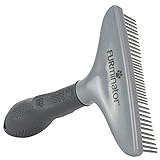
- Removes loose hair, tangles and prevents mats
- The rotating metal teeth help to remove loose hair from undercoat in dense fur
- Best for dogs and cats with thick fur or dense double coats
- Convenient daily solution for undercoat care
- The ergonomic non-slip handle gives you maximum control
How to evaluate a breeder’s health information
Ask for documented screening information rather than relying only on verbal assurances. AKC’s breed profile lists hip, elbow, and ophthalmologist evaluations among recommended health tests. Ask what tests were performed, when they were done, and how to verify the results. Screening can inform a decision, but it cannot guarantee a disease-free dog.
Keep a dog’s veterinary records and discuss relevant family history and health questions with a veterinarian. The AKC breed profile provides the cited breed-health guidance.
Nutrition and preventive veterinary care
AKC recommends a high-quality diet appropriate to the dog’s age, monitoring weight and calorie intake, and using treats thoughtfully. There is no single portion or food recommendation that fits every dog. Consult a veterinarian about diet questions, weight, preventive care, and the dog’s individual needs.
Is an Australian Shepherd the right dog for you?
ASCA frames the prospective-owner question as “Is an Aussie Right for You?” Consider the time you can give to daily activity, training, engagement, and companionship before choosing this breed.
| May be a good fit | Think carefully if |
|---|---|
| You want an active dog and can include it in daily life. | You want a dog content with minimal interaction. |
| You can provide daily exercise, training, and constructive activity. | You expect occasional walks or a yard alone to meet the dog’s needs. |
| You are prepared for regular coat care and seasonal shedding. | You cannot accommodate regular brushing or shedding. |
| You can make time for companionship and teach household manners. | The dog would routinely be left without engagement for long periods. |
An Aussie does not need to compete in dog sports, but it does need an owner who can provide appropriate activity, training, and companionship. Consider the individual dog’s temperament and needs rather than choosing based on appearance alone.
Advantages and challenges
Common advantages
- Intelligent and capable of learning
- Athletic and suited to a range of constructive activities
- Can be a close companion when its needs are met
Common challenges
- Substantial daily activity and engagement needs
- Regular brushing and seasonal shedding
- Working and herding instincts that require suitable outlets and management
- Health screening and veterinary questions that prospective owners should address
Important health disclaimer
This breed overview is educational and does not diagnose or treat an individual dog. Speak with a veterinarian about symptoms, diet, exercise, screening, or preventive care.
Best Value

- COMPLETE GROOMING COMBO: Includes our dual-sided deshedding brush and a premium metal comb to effortlessly remove stubborn mats, tangles, and loose hair.
- 2-IN-1 METAL COMB: The included stainless steel comb features dual-density teeth perfect for detailed detangling on sensitive areas like the face, paws, and tail.
- DUAL-SIDED DEMATTING BRUSH: Start with the 9-teeth side for stubborn mats and tangles, then finish with the 17-teeth side for thinning and deshedding to reduce shedding by up to 95%.
- SKIN-FRIENDLY DESIGN: Both tools feature rounded, scratch-free teeth that gently massage your pet's skin, ensuring a pain-free and comfortable grooming experience.
- COMFORTABLE & DURABLE: Designed with a soft, ergonomic anti-slip grip for comfortable, long grooming sessions for both cats and dogs of all hair types.
FAQ
Is the Australian Shepherd actually from Australia?
No. Dogs Australia identifies the United States as the breed’s country of development. The breed’s name does not mean it originated in Australia.
How much exercise does an Australian Shepherd need?
AKC describes the breed as high-energy and recommends substantial daily exercise and constructive activity. The right amount depends on the individual dog’s age, health, and conditioning.
Do Australian Shepherds shed?
Yes. They have a double coat that needs regular brushing, with additional attention during seasonal shedding. AKC recommends weekly brushing and suggests suitable tools for removing loose undercoat during shedding season.
Are Australian Shepherds good family dogs?
They may suit households that can provide activity, training, and companionship. Individual dogs vary, and families should supervise children and dogs together and consider the dog’s needs and temperament.
Outdated Drivers Are Slowing You Down
One free scan finds every outdated or missing driver and matches the right update for your exact hardware.Free scan · exact hardware matchPC Slower Than It Used to Be?
A free scan shows the junk files, broken settings and background clutter dragging Windows down - then fixes them in one click.Free scan · Windows 10 & 11What health tests should I ask about?
AKC lists hip, elbow, and ophthalmologist evaluations among recommended breed-club health tests. Ask for documented results and discuss what they mean with a veterinarian; screening does not rule out every disease.
Does coat color indicate an Australian Shepherd’s quality?
No. Recognized colors include black, blue merle, red, and red merle, but color is not a proxy for temperament, health, or suitability. Evaluate the individual dog and its health information.
Quick Recap
Product prices and availability are accurate as of the date/time indicated and are subject to change. Any price and availability information displayed on Amazon at the time of purchase will apply.




