Quick wins for a faster PC:
Fix the driver behind crashes, sound loss and screen glitchesFind Drivers →Repair Windows errors before they cause bigger problemsFix Now →Scan for outdated or missing drivers - takes under a minuteDriver Scan →A Morkie is a small Maltese–Yorkshire Terrier cross known for an affectionate, lively nature and a coat that needs regular care. Morkies can suit attentive households, but they are not maintenance-free: expect daily brushing, regular dental care, training, activity, and companionship.
Because the Morkie is a cross without a single breed standard, dogs can differ in size, appearance, coat, and temperament. Breeding generation and the traits inherited from each parent can also influence those differences, so treat general descriptions as guidance rather than guarantees.
What is a Morkie?
A Morkie, sometimes called a Morkshire Terrier, is a cross between a Maltese and a Yorkshire Terrier. The parent breeds are recognized separately, but the Morkie is not an official AKC breed and has no authoritative breed standard defining its ideal size, appearance, or temperament.
A Morkie may inherit more traits from one parent than the other, and even puppies from the same litter can mature differently. Breeding generation, parent traits, and rearing can all contribute to variation.
#1 Best Overall

- Quantity and Color: You will receive 8 dog toothbrushes in 8 colors at a time, enough to satisfy your repeated use or disposable use.
- Dual Headed Design Dog Toothbrush:With two different sized heads designed to accommodate both dogs and cats of all sizes (puppy ,small dog and large dog)ensuring a comfortable experience for both pet and owne
- Long Handle Easy To Use: Our dog tooth brush is angled and narrow.It is easy to maneuver and allows for a deep clean for those hard to reach areas in your pet's mouth.This toothbrush large head apply to large dogs and small head are perfect for small dogs. It better than dog finger dog toothbrush because Long handle design avoid finger injury.
- Gentle Dog Dental Care: Our pet puppy Toothbrush has super soft bristles, use dog toothpaste and our brush, you will be able to gently remove debris from your pet's mouth without causing any harm or discomfort.
- Material: the dog toothbrush is made of PP and nylon, strong and wear-resistant, will not hurt or scratch your pet's gums and teeth, so you can use it for a long time.
Morkie size and appearance
Morkies are generally very small companion dogs, but there is no standard size. PetMD describes a full-grown Morkie as typically weighing 7 pounds or less and standing up to 9 inches tall. Purina gives a typical height of 19–25 cm and notes that it depends on the parents. These are source-specific estimates, not guaranteed limits; some dogs may fall outside them.
Common appearance traits include:
- A compact, toy-sized body
- A small face with expressive eyes
- Drop or partially upright ears, depending on inheritance
- A fine, silky, hair-like coat
- A lightweight frame that requires careful handling
Coat color, texture, and length can vary. Some Morkies are predominantly white, cream, or pale-colored, while others show black, tan, gold, or blue-gray coloring. A puppy’s color may change as it matures.
Do not rely on labels such as “teacup,” “micro,” or “tiny toy” as formal varieties. These are marketing terms, not recognized size categories. An unusually small advertisement deserves careful scrutiny; the label alone does not establish a dog’s health.
Coat and shedding
Morkies commonly have a long, fine, silky coat that sheds relatively little compared with many double-coated breeds. However, low shedding does not mean low maintenance or hypoallergenic. Hair that remains in the coat can tangle and mat close to the skin.
PetMD recommends brushing or combing a long-coated Morkie every day. Work gently through the coat, checking areas that mat easily, such as behind the ears, beneath the legs, around the collar, and near the tail. Pulling hard on a mat can hurt the dog; severe matting is better handled by a professional groomer or veterinarian.
A shorter pet trim may reduce the coat-care burden for some owners, but it does not eliminate the need for regular handling, bathing, nail care, and coat and skin checks. A small-dog slicker or pin brush is one practical option; choose a tool suited to the dog’s coat and comfort.
Morkie temperament and personality
Morkies are often described as affectionate, playful, and confident, but an individual dog’s personality depends on inherited traits, breeding, and rearing. Maltese ancestry may contribute companion-dog sociability, while Yorkshire Terrier ancestry may add alertness and terrier-like liveliness.
A Morkie may be cuddly and sociable while also being vocal, assertive, or independent. Some enjoy being involved in household activity and follow a favorite person from room to room, but no single temperament is guaranteed.
Barking and alert behavior
Morkies can be vocal. A dog that is watchful, closely attached to its family, or easily stimulated by sounds and movement may bark at visitors, hallway noise, wildlife, other dogs, or people outside a window.
Rank #2
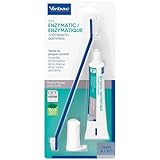
- #1 BRAND CHOSEN BY VETERINARIANS: Proven effective and trusted for over 30 years, C.E.T. is the top recommended dental brand by veterinary professionals to reduce plaque & tartar buildup
- Dual-sided toothbrush designed specifically for canine mouths with soft bristles for comfortable brushing
- Long handle with reverse angle allows for easy use and soft bristles for comfortable brushing while the finger-brush slips over finger for ease of use and better control
- Great tasting poultry-flavored toothpaste is ideal for dogs and cats that quickly build up plaque and tartar
- Complete kit with everything pet owners need to start a program of regular oral hygiene for their dog or cat. Ideal to help acquaint dogs/cats and their owners with the tooth brushing experience
Use preventive, reward-based training:
- Socialize the dog gradually to people, animals, sounds, surfaces, and handling.
- Reward quiet observation before barking escalates.
- Limit access to predictable triggers, such as a window, when needed.
- Teach a calm alternative, such as looking at you or going to a bed.
- Provide brief training sessions, play, and scent-based activities.
Punishment may increase fear or frustration and does not teach the dog what to do instead.
Alone time and companionship
Morkies can find extended solitude difficult. Long periods alone may contribute to boredom, stress, excessive barking, house-soiling, or other separation-related behavior. They are a better fit for people who can provide regular company, gradual alone-time training, and a predictable routine.
Are Morkies good family dogs?
A Morkie can suit an attentive adult household, an apartment resident, or a senior seeking an interactive companion. Their small size can work well in a smaller home, but they still need daily activity, training, and interaction.
They are not automatically ideal for families with young children. A very small dog can be injured by a fall, accidental step, or rough handling. Children and Morkies need close supervision; older children who understand gentle handling are generally a safer match. Larger pets can also injure a Morkie unintentionally during play.
Compatibility with other dogs and cats depends on the individual animals, socialization, and supervision. Consider the size difference and provide safe, closely managed introductions.
Exercise and enrichment needs
Morkies need regular movement, play, training, and interaction. A short daily walk can be a useful example of moderate exercise, but the right amount varies with age, health, and the individual dog. Tailor activity to the dog and your veterinarian’s advice.
Mental stimulation can include:
- Brief reward-based training sessions
- Food puzzles and supervised food-dispensing toys
- Simple nose-work or “find it” games
- Trick training and basic obedience
- Controlled tug or retrieve games
- Short walks that allow safe sniffing
Watch for fatigue, overheating, reluctance to continue, coughing, or breathing difficulty. Adapt exercise rather than pushing through signs of discomfort.
Free tools Windows power users keep installed
One-click scans. No signup required.
Training a Morkie
Morkies can be bright and responsive, though some may show terrier-like independence. Training works best when it is consistent, brief, upbeat, and based on rewards. Use small, appropriate treats, praise, play, or access to something the dog values.
Avoid harsh corrections, intimidation, and physical punishment. Begin teaching handling, name response, recall foundations, leash skills, and calm settling early.
Rank #3
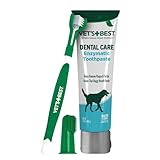
- DOG TOOTH BRUSHING KIT: Keep your dog's teeth and gums healthy with our dog toothbrush and toothpaste kit; our toothpaste is made with aloe, neem oil, grapefruit seed extract, baking soda, and enzymes to keep you dog's mouth fresh
- DOG DENTAL CARE MADE EASY: Our dog tooth paste gently cleans away plaque and tartar, serving as an effective dog breath freshener; rid your dog of bad breath and gift them a healthier mouth with our dog tooth brushing kit.
- TRIPLE HEAD TOOTHBRUSH: Our dog dental cleaning kit features a triple-sided dog tooth brush that cleans all sides of your dog's teeth at once, making tooth brushing faster and more efficient; no more struggling to clean those hard to reach back teeth
- NATURAL FLAVORS: Our toothpaste for dogs has natural flavors that your furry friend will love, making dog tooth brushing a more enjoyable experience even for the pickiest of pups, so you can keep their dog breath fresh without any fuss
- DENTAL KIT FOR DOGS OF ALL SIZES: Regular teeth cleaning supports your pet’s health. Use our dog toothbrush and toothpaste between vet visits to maintain oral hygiene, reduce plaque and tartar buildup, and keep your dog’s mouth fresh and healthy.
Socialization
Introduce new experiences gradually and positively rather than overwhelming the puppy. Gentle exposure can include:
- People with different appearances and voices
- Calm, appropriately vaccinated dogs
- Household sounds and surfaces
- Car travel and veterinary handling
- Brushing, nail handling, ear checks, and mouth examinations
Socialization should continue throughout the dog’s life, with experiences suited to its age and comfort.
What’s actually slowing this PC down?
Pick the symptom - the matching free tool is one click away.
House-training
House-training may require patience because toy-sized dogs have small bladders and may need frequent bathroom opportunities. Use a predictable schedule, close supervision, immediate rewards for eliminating in the correct place, and careful cleaning of accidents.
Indoor paper or pad training may help in some households, but it should not replace outdoor exposure, exercise, socialization, and appropriate bathroom routines.
Morkie grooming routine
A practical grooming routine includes:
- Daily: Brush or comb a long coat and inspect for mats.
- Regularly: Bathe according to the dog’s coat and skin condition, using products made for dogs.
- As needed: Arrange professional grooming or maintain a shorter trim if the coat is difficult to manage.
- Regularly: Trim nails before they become long enough to affect comfort or gait.
- Weekly: Check the ears for redness, swelling, pain, odor, or discharge.
- Frequently: Brush the teeth with dog-formulated toothpaste and a dog-sized brush.
Daily brushing is central to coat care. A small-dog slicker or pin brush can help, but use any tool gently and according to the dog’s coat and comfort. If the dog resists, cries, or has extensive mats, seek help rather than repeatedly pulling at the coat.
Morkie health concerns
A Morkie is not destined to develop conditions associated with Maltese or Yorkshire Terriers. However, parent-breed information can help owners identify possible inherited risks to discuss with a veterinarian.
Recommended Free Tools
Periodontal disease
Small and toy breeds, including Maltese and Yorkshire Terriers, are especially prone to periodontal disease. Crowded teeth and a small mouth can make plaque accumulation a concern.
PetMD recommends brushing at least three times a week, as well as regular professional dental cleanings. A small-dog toothbrush and dog-formulated toothpaste are appropriate starting points. Do not use human toothpaste unless a veterinarian specifically directs you to do so. Home care does not replace veterinary oral examinations or professional treatment when needed.
Patellar luxation
Patellar luxation occurs when the kneecap moves out of its normal groove. It is a possible concern in small dogs and may cause intermittent limping or a skipping gait. Repeated limping or an abnormal gait deserves a veterinary examination.
Rank #4

- SMALL & SOFT - 8 COUNT – Human grade ultra soft bristles designed for Cats, Puppies, and XS Breed Dogs Like Teacups, Chihuahuas, Yorkshire, and Poodle. Ultra soft and polished bristles aid in removing plaque without damaging gums, promoting clean teeth and healthy gums.
- 100% SATISFACTION – Contact us directly if you have any questions about the dog tooth brushing kit. H&H Pets will be happy to assist you. Get the product now and help maintain your pet’s oral health for a happy and healthy companion.
- PERFECT FOR SMALLER BREED PET – Designed specifically for your small pet’s mouth and sensitive gum. H&H pets recommend this product to small dogs, cats, and other small breed pets. This cat/dog toothbrush is perfectly angled to help you clean your front and back teeth.
- HEALTHIER TEETH & BETTER CARE – This carefully designed cat/dog tooth brushes will help your pet significantly improve dental health and reduce problems such as plaque and tartar. The single head (mini) pet tooth brushes come in two colors so you can assign them when you have more than one pet.
- SOFT BRISTLES FOR PREMIUM CARE – Flexible and soft bristles on the brush were specially designed to remove plaque build-up and tartar from your puppy, dog, or cat's mouth. Do the job right without causing your pet pain with this pet first toothbrush for pets.
Portosystemic shunts and liver concerns
Maltese and Yorkshire Terriers are among the breeds predisposed to portosystemic shunts, sometimes called liver shunts. Signs can include poor growth, gastrointestinal problems, or neurologic abnormalities, but they are not specific enough for home diagnosis. Ask a veterinarian about testing and ask breeders what relevant health screening was performed.
Windows Errors? Fix Them Before They Spread
Repair common Windows errors and clear accumulated junk for a smoother, more stable PC - no reinstall needed.Free scan · no reinstallOutdated Drivers Are Slowing You Down
One free scan finds every outdated or missing driver and matches the right update for your exact hardware.Free scan · exact hardware matchTracheal collapse
Yorkshire Terriers are among the toy breeds commonly affected by tracheal collapse. A persistent or harsh cough, breathing difficulty, exercise intolerance, or worsening respiratory noise should be assessed by a veterinarian. Ask your veterinarian about suitable walking and restraint equipment for your individual dog.
Patent ductus arteriosus
Patent ductus arteriosus is another condition discussed in parent-breed health information. It is a possible inherited concern, not a prediction that a particular Morkie will develop it. Ask a veterinarian or breeder what cardiac evaluations have been performed.
Puppy hypoglycemia
Very small puppies can be vulnerable to hypoglycemia, or low blood sugar. Ask your veterinarian about the appropriate feeding schedule for a puppy based on its size, age, health, and food.
Weakness, tremors, unusual sleepiness, collapse, or seizures are emergencies. Contact a veterinarian or emergency veterinary service immediately and follow professional instructions.
The Tool Desk
Outbyte PC Repair FREERepair Windows errors before they cause bigger problemsFix Now →Outbyte Driver Updater FREEFix the driver behind crashes, sound loss and screen glitchesFind Drivers →Other parent-breed concerns
Parent-breed information can also help guide discussions about other health risks. Ask breeders about available health records and screening, and work with a veterinarian on an appropriate preventive-care plan. These concerns are not diagnoses for every Morkie.
Independent reader supportYour contribution helps us test, update, and keep practical guides available for everyone.Feeding a Morkie
There is no universal Morkie feeding chart that is right for every dog. Choose food that is complete and balanced for the dog’s life stage, then adjust portions according to weight, body condition, activity, and health.
Small kibble may be easier for a tiny mouth, but “small-breed” marketing alone does not determine whether a food is appropriate. Ask your veterinarian about diet, meal frequency, treats, and any special requirements. Keep treats modest and include them in the daily intake.
Puppies may require multiple small meals, while dogs with dental, liver, kidney, gastrointestinal, or other medical problems may need an individual plan. Ask a veterinarian before adding supplements or prescription diets.
Best Value

- COMPLETE DENTAL KIT INCLUDED: This dog toothbrush and toothpaste kit includes enzymatic chicken-flavored toothpaste, a dual-sided toothbrush, and a rubber finger toothbrush for a full at-home oral care system in one pack.
- BAKING SODA DEEP CLEAN FORMULA: Dog toothpaste enzymatic formula with Arm & Hammer baking soda neutralizes bad breath at the source, breaks down odor-causing bacteria, and lifts plaque and debris from teeth and gumline for noticeable results.
- CHICKEN FLAVOR DOGS ACCEPT WELL: The chicken-flavored enzymatic toothpaste for dogs encourages cooperation during brushing; if your dog is sensitive to flavor intensity, start with small amounts to build a consistent daily habit.
- TARTAR CONTROL WITH DAILY USE: Consistent use of this enzymatic dog toothpaste actively breaks down tartar buildup along the gumline, helping reduce risk of gum disease and tooth decay when brushing becomes a regular routine.
- TWO BRUSH STYLES FOR FIT: The kit pairs a dual-sided toothbrush for standard brushing with a finger toothbrush for dogs sized for small mouths and hard-to-reach spots, so you can match the tool to your dog's comfort and mouth size.
Choosing a Morkie breeder or rescue
Because Morkies vary and have no single breed standard, evaluate the individual dog and the breeder or rescue rather than relying on the mix name. Consider observed behavior, available parent or adult-relative information, coat-care needs, health records, and whether your household can provide daily companionship and gentle handling.
Ask the breeder or rescue:
- Can you provide veterinary records for the dog?
- What health screening was performed on the parents?
- What do you know about the parents’ adult size and temperament?
- What food and feeding schedule is the dog currently using?
- What coat care will the dog need?
- What support is available if the placement cannot continue?
Be cautious of guarantees based solely on words such as “teacup,” “micro,” or “perfectly hypoallergenic.” Morkies may shed relatively little, but no dog is guaranteed to be allergy-free, and adult size and coat are not perfectly predictable.
Is a Morkie right for you?
A Morkie may be a good fit if you want a small, interactive companion and can provide:
- Daily companionship and gradual alone-time training
- Daily brushing or a realistic professional-grooming plan
- Frequent dental care and routine veterinary examinations
- Patient, reward-based training
- Close supervision around young children and larger animals
- Frequent bathroom opportunities, especially during puppyhood
- A plan for barking, enrichment, and daily activity
- A long-term commitment: PetMD estimates a Morkie lifespan of 11–15 years, similar to its parent breeds
A Morkie may be a poor fit if you want a dog that can be left alone most of the day, needs no grooming, rarely vocalizes, or can safely tolerate rough handling. Their small stature also makes injury prevention and early attention to health concerns important.
Do these 3 things before closing this tab:
1Fix the driver behind crashes, sound loss and screen glitches2Repair Windows errors before they cause bigger problems3Scan for outdated or missing drivers - takes under a minuteMorkie care checklist
- Brush or comb a long coat every day and check common matting areas.
- Brush the teeth at least three times a week and arrange regular professional dental care.
- Keep nails trimmed and inspect ears weekly.
- Provide walks, indoor play, training, and scent games.
- Socialize puppies carefully and continue positive exposure throughout life.
- Supervise interactions with children and larger pets.
- Ask a veterinarian about feeding and preventive care for your dog.
- Seek veterinary care for breathing problems, persistent cough, repeated limping, oral pain, or neurologic changes.
- Treat weakness, tremors, collapse, or seizures in a puppy as an emergency.
FAQ
What is a Morkie?
A Morkie is a cross between a Maltese and a Yorkshire Terrier, sometimes called a Morkshire Terrier. It has no single breed standard, so individuals can vary.
How big do Morkies get?
Estimates vary. PetMD describes a full-grown Morkie as typically 7 pounds or less and up to 9 inches tall; Purina gives a typical height of 19–25 cm. Neither is a guaranteed size.
Do Morkies shed?
Morkies are often described as relatively low-shedding, but low shedding does not mean low grooming needs or that a dog is allergy-free. Long coats need daily brushing or combing to help prevent mats.
How often should you groom a Morkie?
Brush or comb a long-coated Morkie daily. Bathing, nail trimming, and professional grooming depend on the individual dog’s coat, skin, and handling needs.
What’s actually slowing this PC down?
Pick the symptom - the matching free tool is one click away.
Are Morkies good family dogs?
They can suit attentive households, including those with older children who handle dogs gently. Because Morkies are very small and fragile, supervise them closely around young children and larger pets.
What health problems can Morkies have?
Possible concerns associated with the parent breeds include periodontal disease, patellar luxation, portosystemic shunts, patent ductus arteriosus, and tracheal collapse. Discuss individual risks and preventive care with a veterinarian.
The Bottom Line
A Morkie is a variable Maltese–Yorkshire Terrier cross that may be affectionate, lively, and people-oriented. The best match is someone prepared for daily coat care, regular dental care, patient training, companionship, gentle handling, and veterinary monitoring. Its small size can be convenient, but it also makes injury prevention important.
Quick Recap
Product prices and availability are accurate as of the date/time indicated and are subject to change. Any price and availability information displayed on Amazon at the time of purchase will apply.
Free tools Windows power users keep installed
One-click scans. No signup required.




