Lake Superior supports a varied fish community of native, introduced, and invasive species. Representative native fish include lake trout, lake whitefish, brook trout, lake sturgeon, walleye, cisco, burbot, northern pike, yellow perch, minnows, and suckers; introduced examples include rainbow trout and several salmon species, while rainbow smelt and sea lamprey are non-native species of concern. Fish use different parts of the lake and its tributaries, so this representative list is not an exhaustive inventory or an abundance ranking.
Native fish in Lake Superior
Lake Superior’s native fish community includes species associated with open water, nearshore areas, and tributaries. They play different roles: some are predators or prey, while others support commercial or recreational fisheries. The list below highlights representative species rather than every fish recorded in the lake or watershed.
Lake trout
Lake trout are a defining native predator in Lake Superior. The Great Lakes Fishery Commission recognizes four forms in the lake: lean, siscowet, humper, and redfin. These are forms within one species, not four separate species.
The forms are associated with different habitats. The Commission describes lean lake trout as dominant in nearshore waters under 80 meters and siscowets as dominant offshore beyond 80 meters. Humper and redfin forms persist in eastern offshore waters and around Isle Royale. The Commission describes lake trout as a keystone predator connecting offshore and nearshore, and bottom and open-water, food webs.
#1 Best Overall

- SMART DIVIDER SYSTEM: This tackle storage box offers customization options with 12 adjustable dividers that can create up to 24 different compartments. This ensures quick compartmentalization of your storage space.
- ZERUST ANTI-CORROSION TECHNOLOGY: Exclusive VCI formula infused into the dividers releases a corrosion inhibiting vapor that forms a protective layer on metal to stop rust in extreme marine environments.
- LASTING RUST DEFENSE: The proprietary Zerust formula inhibits electrochemical reactions that cause rust & corrosion. Provides up to 5-years of protection to keep tackle rust free season after season.
- EASY IDENTIFICATION DESIGN: The Tuff Tainer Divided is made with a translucent plastic lid and base for convenient identification of the contents inside, even when closed. Designed with the fisher in mind for quick and organized baiting.
- SPECIFICATIONS: This Tuff Tainer fishing tackle box measures 11" L x 7.25" W x 1.75" D. Includes 12 Zerust dividers. Proudly Made in the U.S.A.
Cisco and other native prey fish
Cisco, also called lake herring, is a native prey fish in Lake Superior. Cisco and other indigenous prey fish are part of the lake’s food web, but the retrieved research does not establish a single lakewide abundance ranking for them or other species.
Lake whitefish
Lake whitefish are among the prominent native fish in Lake Superior and support fisheries in parts of the basin. They are also included among the lake’s native fish in management sources.
Lake sturgeon
Lake sturgeon are a native fish of Lake Superior. They are among the native predators identified in Minnesota DNR’s management overview. This overview does not establish one recovery status that applies across the entire basin.
Brook trout and coaster brook trout
Brook trout are native to the Lake Superior system. Ontario identifies coaster brook trout as a prominent native fishery in Fisheries Management Zone 9. The sources cited here do not establish a single basinwide status for coaster brook trout.
Do these 3 things before closing this tab:
1Repair Windows errors before they cause bigger problems2Fix the driver behind crashes, sound loss and screen glitches3Clear out junk files and repair common Windows errorsRank #2

- Available in Two Sizes: The KastKing HyperSeal Waterproof Tackle Box comes in two different sizes, 3600 and 3700 boxes that fit in popular tackle bags or boat storage systems. Each provides ample space for organizing all your fishing gear, from crankbaits, jerkbaits, spinners, spoons and so much more. Also works great for hooks and terminal tackle.
- Adjustable Dividers: The tackle organizer has adjustable dividers that allow the angler to create a custom fit for all sizes of lures. Removable dividers lock into place and do not allow hooks and terminal tackle to move between spaces during travel or in a boat. Each divider has small holes to allow for additional ventilation during storage. Each box comes with a desiccant to keep your lures rust free. The transparent lid makes it easy to identify which lures are in the box before opening.
- Waterproof and Secure: The HyperSeal Tackle box is fully waterproof to prevent rust. It is shock and wear-resistant, and its sturdy frame with a heavy-duty locking latch prevents moisture from entering and protects fishing gear. The sealing ring attached to the lid effectively waterproofs lures, hooks, and other accessories, keeping them dry and safe.
- One-Hand Open and Close: KastKing’s HyperSeal One-Hand open and close latching system is fast and secure. With one simple motion, you can quickly open the full-length latching system to access your lures or terminal tackle. When finished selecting the proper bait, quickly and securely close the box with just one hand. Each box also includes an exterior label so you can organize your tackle bag or boat lockers for easy identification from above.
- Durable Construction: The waterproof tackle box is designed with heavy-duty construction to ensure maximum durability and protection for your fishing gear. Its hard material and 360° waterproof gasket makes it ideal for storing lures and other terminal tackle. With its rugged design and superior waterproofing, this tackle box is the perfect companion for any angler who demands the best in quality and performance.
Walleye, northern pike, yellow perch, minnows, and suckers
Walleye and yellow perch are prominent native fisheries identified in Ontario’s Zone 9 overview. Minnesota DNR and the Great Lakes Fishery Commission also identify northern pike, minnows, and suckers among native fish in the Lake Superior system. Their presence and importance can vary by location and habitat.
Burbot
Burbot is an indigenous fish identified in the Great Lakes Fishery Commission’s diversity objectives. The Commission’s reporting also discusses burbot among fish affected by sea lamprey attacks.
Introduced and invasive fish
Introduced fish were brought into the system, while invasive fish are non-native and can raise ecological or management concerns. These categories describe origins and impacts; they do not mean that all non-native fish have the same ecological role.
| Category | Representative fish | What the research says |
|---|---|---|
| Native | Lake trout, lake whitefish, brook trout, lake sturgeon, walleye, cisco, burbot, northern pike, yellow perch, minnows, and suckers | Representative native fish identified by Minnesota DNR, Ontario, and the Great Lakes Fishery Commission. |
| Introduced | Rainbow trout; Chinook, coho, and pink salmon; brown trout | Regional sources identify these as introduced fish or game fish in the Lake Superior system. Examples and scope vary by source. |
| Non-native species of concern | Rainbow smelt and sea lamprey | Smelt is a non-native prey fish. Sea lamprey is parasitic and remains a management concern. |
Rainbow trout and steelhead
Rainbow trout were intentionally introduced in the late 1800s, according to Minnesota DNR, and are established in parts of the Lake Superior system. The migratory form is commonly called steelhead. Introductions and fisheries can vary by location.
Rank #3
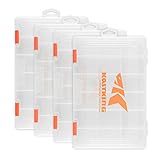
- 2 Pack 3600 Trays – 3-18 adjustable compartments with pre-cut dividers, 3600 tray dimensions: L 10.8 x W 7.25 x H 1.65 in Inches. These durable parts box are made with BPA FREE material and ship in packs of 2.
- Multiple Use– The adjustable dividers provide the flexibility to load your utility case with plastic baits, terminal tackle, nuts, bolts, screws, beads, wire, spools of thread, or just about any small item. KastKing utility trays offer the versatility to store and organize everything from fishing tackle to items for your favorite craft project.
- Quick Identification – The clear, yet durable material allows you to see the contents of your lure box without having to unlatch and open the lid, making it quick and easy to find and change baits at a moment’s notice.
- Robust construction – Built with a thick rugged frame, the KastKing fishing tackle box provides anglers with a durable storage and organizing solution for hard baits, plastics, terminal tackle, and tools. Our sturdy molded latches ensure contents stay secure.
- Compatible With Standard Tackle Bags – KastKing 3600 tackle box and 3700 tackle box are designed to be interchangeable with all KastKing tackle bags, and will also fit into any standard size tackle bag with a 3600 or 3700 size footprint.
Chinook, coho, and pink salmon
Chinook, coho, and pink salmon are examples of introduced salmon identified in regional sources. Ontario’s Zone 9 overview identifies Chinook and coho in open waters and tributaries; Minnesota DNR materials also identify pink salmon among introductions. The sources differ in geographic scope and detail, so this is not an exhaustive list or a uniform account of where each species occurs.
Brown trout
Brown trout are included among introduced game fish in Minnesota DNR management material. The sources do not establish a single lakewide account of their abundance or distribution.
Rainbow smelt
Rainbow smelt is a non-native prey fish in Lake Superior. Minnesota DNR explains that smelt increased after lake trout declined, when fewer predators were available to consume them. The Great Lakes Fishery Commission describes smelt as the bulk of non-native prey fish in nearshore waters in its reporting, while offshore prey fish remain largely indigenous. Those descriptions refer to particular habitats and reporting context, not a comparable ranking of every fish lakewide.
Sea lamprey
Sea lamprey is an invasive, eel-like fish that feeds parasitically on other fish as an adult. Ontario’s Ministry of Natural Resources explains that it entered the Great Lakes through shipping canals. Lamprey attacks have affected lake trout, salmon, whitefish, cisco, and burbot, and control remains a management concern.
Recommended Free Tools
Rank #4

- PLANO GUIDE SERIES STOWAWAY 4-BY RACK SYSTEM: Designed to hold our 3700 series utility tackle boxes, this large tackle box organizer keeps all of your most important gear close at hand.
- BUILT-IN QUICK ACCESS STORAGE: A built-in upper storage compartment and top-access compartment with DuraView lid keeps your most important gear right at your fingertips.
- RACK SYSTEM STORAGE: Featuring our rack storage system, this fishing organizer box holds up to four of our 3700 series utility boxes or a single 3503 Spinnerbait box. Tailor it to fit each fishing expedition.
- DEPENDABLE CONSTRUCTION: Built using high-quality components, the Guide Series 4-by features durable panels that provide your gear with premium protection.
- PRODUCT SPECIFICATIONS: Includes four 3700 series StowAway utility boxes with ProLatch closures. Dimensions: 16.5"L x 12"W x 16"H. Color: Graphite and Sandstone.
Representative fish list
This is a representative list drawn from the cited management and regional sources, not a complete modern checklist:
- Lake trout: lean, siscowet, humper, and redfin forms
- Lake whitefish
- Brook trout, including coaster brook trout
- Lake sturgeon
- Walleye
- Cisco
- Burbot
- Northern pike
- Yellow perch
- Minnows and suckers
- Rainbow trout, including steelhead
- Chinook, coho, and pink salmon
- Brown trout
- Rainbow smelt
- Sea lamprey
Where Lake Superior fish live
Fish communities differ among nearshore and offshore waters and tributaries. The Great Lakes Fishery Commission describes lean lake trout as associated with nearshore water and siscowet with deeper offshore water; Ontario’s Zone 9 overview also identifies introduced salmon and rainbow trout in open waters and tributaries.
| Habitat | Examples supported by the sources | Context |
|---|---|---|
| Nearshore | Lean lake trout; rainbow smelt | The Commission describes lean lake trout as dominant in nearshore water under 80 meters and smelt as the bulk of non-native prey fish in nearshore waters in its reporting. |
| Offshore | Siscowet lake trout; humper and redfin lake trout | The Commission describes siscowets as dominant beyond 80 meters, and humper and redfin as persisting in eastern offshore waters and around Isle Royale. |
| Open waters and tributaries | Chinook and coho salmon; rainbow trout | Ontario’s Zone 9 overview identifies these introduced fish in open waters and tributaries. |
What affects Lake Superior’s fish community?
Management sources identify fishing, invasive species, and habitat degradation as ongoing concerns. Sea lamprey control is also a continuing management issue, and local fish communities differ by habitat and region.
Minnesota DNR states in its Lake Superior management overview: “Today’s major threats to Lake Superior remain unchanged from 70 years ago – too much fishing, impacts from invasive species and habitat degradation.” The page does not provide a publication date in the retrieved material, so the statement is attributed to the agency rather than assigned a year.
Best Value

- Product Size: Outside size with 12.8 x 11 x 3.15 inch. Minimum compartment size: 2.56 x 2.36 inch. It is built to withstand the demands of rugged workstations and hobbyists alike.
- Customizable Compartments: 34 compartmets tool with 24 removable plastic dividers are easily slide on and off to customize the storage space, for storing tools, bolts, screws, small parts, fishing tackles, crafts and many other items.
- Double Sided: The tools box with unique detachable double side design offers oversize storage space, ensuring enough room for storing.
- Transparent Lid: Made it easier to identify the tools or parts inside with a transparent lid, great for personal or professional use.
- Warranty: It comes with limited 1-year manufacturer warranty. If you have any question, please feel free to contact us.
Frequently Asked Questions
What kinds of fish are native to Lake Superior?
Representative native fish include lake trout, lake whitefish, brook trout, lake sturgeon, walleye, cisco, burbot, northern pike, yellow perch, minnows, and suckers. This is not a complete inventory.
How many fish species are in Lake Superior?
The sources used for this guide do not establish a single, clearly scoped lakewide total. Counts can differ depending on whether they include open water, nearshore areas, tributaries, or the wider watershed, so this article uses a representative list instead.
Are there salmon in Lake Superior?
Yes. Regional sources identify introduced Chinook, coho, and pink salmon in the Lake Superior system. The sources vary in scope and detail, so this does not mean each species is found everywhere in the lake.
Are lake trout, siscowet, humper, and redfin separate species?
No. The Great Lakes Fishery Commission recognizes lean, siscowet, humper, and redfin as four forms of lake trout in Lake Superior.
Free tools Windows power users keep installed
One-click scans. No signup required.
What non-native fish are in Lake Superior?
Examples include rainbow trout, Chinook, coho, and pink salmon, brown trout, rainbow smelt, and sea lamprey. Smelt is a non-native prey fish, while sea lamprey is parasitic and a management concern.
Are all introduced fish invasive?
No. “Introduced” describes a fish brought into the system; “invasive” refers to non-native species that raise ecological or management concerns. The sources describe rainbow smelt and sea lamprey as non-native species of concern, but their ecological roles differ.
Quick Recap
Product prices and availability are accurate as of the date/time indicated and are subject to change. Any price and availability information displayed on Amazon at the time of purchase will apply.




