The Tool Desk
Outbyte PC Repair FREEClear out junk files and repair common Windows errorsFree Scan →Outbyte Driver Updater FREEFix the driver behind crashes, sound loss and screen glitchesFind Drivers →A crested gecko needs a tall, secure, well-ventilated enclosure with climbing routes and cover, measured temperature and humidity, a complete diet, clean water, and gentle handling. For an adult, the RSPCA gives a minimum enclosure size of 45 cm wide × 60 cm tall × 45 cm deep; a larger, well-furnished habitat is preferable when practical. Plan for reptile-veterinary care and a long-term commitment before bringing one home.
What a crested gecko needs to thrive
A crested gecko needs more than a small decorative tank and occasional fruit. Provide a secure, tall, well-ventilated enclosure; climbing routes and cover; monitored environmental conditions; nutritionally complete food and clean water; regular sanitation; and safe handling.
Crested geckos are manageable pets, but “beginner-friendly” does not mean care-free. The Royal Veterinary College (RVC) says they may live 10–15 years with proper care, while PetMD gives an average lifespan of 15–20 years. These are source-specific estimates, not a guaranteed lifespan. Plan the habitat, equipment, diet, cleaning routine, and veterinary budget before acquisition.
Understanding crested gecko behavior
Crested geckos come from New Caledonia and are primarily nocturnal. They commonly remain concealed among vegetation during the day and become active after dark. A gecko that is not moving around in daylight is not automatically ill.
PC Slower Than It Used to Be?
A free scan shows the junk files, broken settings and background clutter dragging Windows down - then fixes them in one click.Free scan · Windows 10 & 11Crashes, No Sound, or Screen Glitches?
Random freezes, missing sound and display glitches usually trace back to one bad driver. Find and replace yours safely.Free scan · under a minute#1 Best Overall
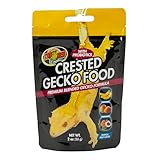
- Probiotic Support: Includes a source of four viable, naturally occurring probiotic microorganisms to help maintain digestive health
- Flexible Feeding Options: Can be fed wet or dry, convenient scoop is included
- Scientifically Formulated Nutrition: Carefully formulated by an Animal Nutritionist (M.S.) to meet the dietary requirements of crested geckos of in all life stages
- Multi-Species Compatibility: Suitable for Day Geckos, Emerald Skinks, Gargoyle Geckos, or any other New Caledonian gecko species
- Tropical Fruit Flavor: Features a delicious tropical fruit flavor that appeals to crested geckos and encourages consistent feeding
They are arboreal climbers. Adhesive toe pads let them use vertical surfaces, and the prehensile tail helps with climbing and balance. Enclosure height, branches, vines, foliage, and elevated resting spots matter more than a wide tank with a mostly empty floor.
The tail is not disposable
A crested gecko can drop its tail defensively when frightened, grabbed, or otherwise threatened. The RVC notes that the tail does not regenerate. A tailless adult can generally continue to live normally, but tail loss is preventable handling trauma.
Never pick up, pull, or restrain a crested gecko by its tail. Avoid chasing it around the enclosure, and make sure décor does not create situations in which the animal can become trapped or panicked.
Housing: build upward, not just outward
The best enclosure is secure, vertical, well ventilated, and large enough to hold climbing routes, dense cover, and usable temperature zones. The RSPCA gives an adult minimum of 45 cm wide × 60 cm tall × 45 cm deep. Treat this as a minimum, not an ideal target: the RVC advises providing as large a vivarium as possible while allowing exercise and a thermal gradient.
Recommended Free Tools
Check a prospective enclosure’s internal dimensions, ventilation, safe access, and room for furnishings. There is no universally preferred brand or material established by the research. Plan the adult habitat before buying a hatchling.
Essential enclosure features
- Secure doors and lid: Check door gaps, ventilation panels, and the lid before the gecko arrives.
- Strong ventilation: Fresh-air exchange matters as much as humidity. Do not block vents to keep a reading high.
- Vertical furnishings: Add stable branches, vines, or ledges at different heights.
- Dense foliage and visual cover: Include artificial or verified-safe live plants, leaves, and elevated resting areas.
- A secure retreat: Give the gecko a place where it can conceal its body.
- Shallow food dish: Place it where the gecko can reach it without climbing through waste or loose substrate.
- Shallow water dish: Provide clean water continuously, even if the enclosure is misted.
- Safe heating and lighting: Position and protect equipment so the gecko cannot contact it.
Arrange the enclosure for a nocturnal climber
Use the upper and middle portions of the enclosure. Provide a covered elevated sleeping area, connected branches, and foliage that breaks up open sightlines. Leave enough open space to observe the gecko and remove waste.
Secure every branch, ledge, and heavy decoration. Test the layout before introducing the animal; loose furnishings can cause injury or block access.
Choose substrate according to the whole routine
Select substrate based on feeding practices, how easily you can inspect waste, and the risk of ingestion. Merck Veterinary Manual guidance cautions against materials that are difficult to clean or likely to be swallowed. A simple, easily inspected setup is often a safer starting point than a display that cannot be monitored.
Free tools Windows power users keep installed
One-click scans. No signup required.
Rank #2

- Guaranteed Analysis: Crude Protein min. 25%, Crude Fat min. 7%, Crude Fiber max. 8%, Moisture max. 8%, Ash max. 8%, Calcium min. 1.2%.
Bioactive enclosures can work as an advanced project, but they still require suitable drainage, ventilation, safe plants and materials, waste monitoring, and periodic cleaning. Do not ignore odors, mold, feces, spoiled food, or persistently wet conditions.
Commission the enclosure before the gecko arrives
A starter kit is a collection of components, not proof that a habitat is ready. Before acquisition:
- Confirm the enclosure’s internal dimensions and ventilation. For an adult, compare it with the RSPCA minimum of 45 cm wide × 60 cm tall × 45 cm deep, while aiming larger when practical.
- Inspect components for sharp edges, loose fittings, exposed wiring, or unsafe access to heating equipment.
- Install branches, foliage, retreats, dishes, and monitoring equipment.
- Run the enclosure and record temperature and humidity over time, including after misting and during the driest part of the cycle.
- Make sure the gecko can move between warmer and cooler areas and retreat into shade.
- Check that doors close securely and that the animal cannot reach a dangerous bulb, heater, cable, or narrow gap.
- Prepare replacement substrate and cleaning supplies.
A tall terrarium is useful only if it can be properly furnished and monitored. Height alone does not ensure good housing.
Temperature and humidity: measure the habitat, not the packaging
Crested-gecko care recommendations differ by source, so do not combine numbers from different care sheets into a supposedly universal range. The examples below preserve each organization’s published units and advice. Provide a temperature gradient, monitor actual conditions, and consult a reptile veterinarian about your particular setup.
Quick wins for a faster PC:
Scan for outdated or missing drivers - takes under a minuteDriver Scan →Repair Windows errors before they cause bigger problemsFix Now →| Source | Temperature guidance | Humidity guidance | Lighting emphasis |
|---|---|---|---|
| WWF responsible-pet assessment | Cool end 68–75°F; warm end 78–82°F | Around 40–50%, with boosts up to 70% by spraying | Calls for UVA/UVB lighting |
| Zoo Med manufacturer care page | Daytime terrarium temperature 78–82°F | Relative humidity 50–70%; recommends a hygrometer and daily misting | Manufacturer guidance; follow its setup directions |
These are source-specific recommendations, not a merged consensus range. Place reliable digital instruments where the gecko rests; a reading near the floor may not represent an elevated branch. Do not rely on the room thermostat or a single stick-on gauge as your only evidence.
How to establish environmental conditions
- Install heat so the gecko has an unobstructed cooler route and shaded retreats.
- Place temperature sensors at warm and cooler resting areas, not only at room level.
- Record readings at different times, including after heat has been running and after misting.
- Adjust heating, misting, substrate, and ventilation together; changing one can alter the others.
- Prevent overheating and stagnant, permanently wet conditions.
Humidity needs a wet-to-dry cycle
Misting can raise humidity and create drinking droplets, but the enclosure should then dry enough to allow fresh-air exchange. Use a hygrometer and observe how quickly the habitat dries instead of following a schedule blindly.
If the enclosure stays wet too long, review misting, substrate, water placement, and airflow. Do not block ventilation merely to preserve a high reading. Reassess the setup and seek veterinary advice if the gecko develops repeated shedding problems, breathing signs, lethargy, or unexplained appetite changes.
Lighting and UVB
Lighting advice differs among sources. WWF calls for UVA/UVB lighting, while the RSPCA describes a low-level UVB gradient with a basking-zone UVI of approximately 0.7 tapering toward zero in shade. Treat these as attributed source recommendations, not a universal protocol. Do not expose the gecko to intense, unmeasured UVB.
Rank #3

- DISCOVERY KIT WITH 8 UNIQUE FLAVORS: The only product on the market that allows you to test 8 different flavors to see which flavor your gecko likes best, with a total net of 2.4 oz premix powder
- FRUITY POWER BLEND: Real mulberry, blackberry, strawberry and banana for flavor, fiber, and antioxidant strength
- IMMUNITY AND CALM SUPPORT: Rich in polyphenols and bee pollen to reduce stress and boost natural defenses
- NO FILLERS, JUST FOOD: No rice bran, no milk proteins, only clean fruit, egg, and insect-based ingredients
- PROBIOTIC ENHANCED FORMULA: Supports digestive health and nutrient absorption with natural probiotics and enzymes
- Provide shade and a way for the gecko to escape UVB exposure.
- Follow the fixture manufacturer’s distance and replacement instructions.
- Remember that glass and many transparent barriers filter UVB.
- Use a timer for a consistent day-night cycle.
- Keep visible light, heat, and UVB conceptually separate; each function must be appropriate.
Diet: complete powdered food is the nutritional base
Use a reputable complete powdered crested-gecko diet as the foundation of feeding. Commercial formulas and supplement protocols are not automatically interchangeable. Follow the selected product’s directions rather than assuming all powders have the same nutrient profile.
How to feed
- Mix the powder with water according to the manufacturer’s instructions.
- Serve it in a clean, shallow cup the gecko can reach easily.
- Place the dish away from feces and loose waste.
- Remove spoiled or uneaten food before it degrades, and wash the dish regularly.
- Monitor appetite, body condition, and weight rather than judging health from one missed meal.
Feeding frequency depends on age, body condition, appetite, the product, and veterinary advice. Zoo Med lists its crested-gecko food as a staple and also describes insects and supplementation as directed; the research does not establish a universal insect schedule or supplement protocol. Follow the diet label and ask a reptile veterinarian if growth, weight, or appetite is concerning.
Fruit and insects
Household fruit alone is not a complete diet. Appropriately sized live insects may be offered as part of a suitable feeding plan, but do not assume insects or supplements are required in the same way for every commercial diet. Follow the chosen product’s directions and do not let a preference for insects displace a complete nutritional base.
If a gecko refuses food, do not force-feed at home. Monitor weight and hydration, and contact a reptile veterinarian if poor intake persists or other signs of illness appear.
Water, misting, and sanitation
Provide clean water continuously in a shallow dish. Misting can create drinking droplets and support appropriate humidity, but it is not a reason to remove the dish. Refill or wash it whenever fouled.
Remove feces, shed skin, dead insects, and food residue promptly. Wash feeding dishes regularly and clean enclosure surfaces with a reptile-safe method that is thoroughly rinsed. Wash your hands after handling the gecko or cleaning its enclosure, as WWF advises for reptile hygiene.
A practical maintenance rhythm
| When | What to check |
|---|---|
| While establishing the enclosure | Read temperature and humidity, confirm airflow and equipment safety, inspect doors and lid, and check the animal’s appearance. |
| Daily or whenever fouled | Replace dirty water, remove feces and shed skin, and remove spoiled food or dead insects. |
| At each feeding | Use a clean dish, mix food according to the label, and clean the dish when food is no longer fresh. |
| Regularly | Clean surfaces; inspect branches, foliage, seals, vents, cables, and equipment guards. |
Continue monitoring after the enclosure seems stable. Seasonal room changes, lamp aging, new décor, blocked vents, and altered misting can change conditions.
Should crested geckos live together?
For most pet owners, single-animal housing is the safest default. A crested gecko does not need a companion. Solitary maintenance avoids competition for food, resting areas, and cover, as well as injuries and unintended breeding.
Rank #4

- Bundle Includes: 4 ounces each of Watermelon and Tropical Fruit
- Now contains larger amounts of fruits like fig and mango and insects like soldier fly larvae
- Proven great for female geckos for breeding, egg development, and raising healthy offspring
- With probiotics for better stool consistency and digestion and an improvement in healthy weight and development in growing geckos
- Designed for crested geckos of all life stages, as well as day geckos, gargoyle geckos, and other omnivorous New Caledonian gecko species
Males are territorial and should not be housed together. Groups and mixed-sex arrangements add further risks and should not be treated as ordinary companionship. Separate animals if there is aggression, resource competition, injury, or a possibility of unwanted reproduction.
Handling and enrichment
Let a newly acquired gecko settle before extensive handling. When handling is appropriate, move slowly and support the body from below. Keep your hands close to a safe surface because crested geckos may jump unexpectedly.
- Never grab or hold the tail.
- Do not chase the gecko around the enclosure.
- Do not restrain it during ordinary handling.
- Keep sessions calm and stop if it repeatedly tries to flee or appears highly stressed.
Provide varied climbing routes, foliage, elevated resting points, safe visual cover, and opportunities to explore. Rearrange décor gradually and only when needed.
Independent reader supportYour contribution helps us test, update, and keep practical guides available for everyone.Health monitoring and when to see a veterinarian
Arrange access to an exotic-pet or reptile veterinarian before there is an emergency. A veterinarian can assess the gecko and review its enclosure, diet, lighting, and humidity plan. Confirm that the practice treats reptiles.
Warning signs that need veterinary advice
Seek professional advice for persistent appetite loss or unexplained weight loss; repeated abnormal stools; breathing difficulty, discharge, or unusual respiratory sounds; marked lethargy, weakness, tremors, or difficulty climbing; injuries or suspected tail trauma; severe or repeated shedding problems; or suspected nutritional disease.
These signs can have different causes. Do not attempt to diagnose disease from a photograph or delay veterinary care when the gecko is unwell.
What to take to the appointment
- Recent weight measurements and notes about appetite and stools.
- Photographs of the complete enclosure and equipment.
- Temperature and humidity records showing readings at relevant heights and times.
- The diet packaging and feeding routine.
- Lighting and heating specifications, fixture distances, and replacement history.
Choosing and bringing home a crested gecko
Before acquisition, verify that the animal is captive-bred or comes from a reputable rescue or source. Ask for feeding and husbandry records and what it has been eating successfully.
Do not buy first and solve housing later. Prepare the adult enclosure, monitoring equipment, diet, cleaning supplies, and veterinary plan before the animal arrives. Check current local rules, which vary by jurisdiction.
What’s actually slowing this PC down?
Pick the symptom - the matching free tool is one click away.
Best Value

- Bundle Includes: 4 ounces each of Watermelon and Tropical Fruit
- Now contains larger amounts of fruits like fig and mango and insects like soldier fly larvae
- Proven great for female geckos for breeding, egg development, and raising healthy offspring
- With probiotics for better stool consistency and digestion and an improvement in healthy weight and development in growing geckos
- Designed for crested geckos of all life stages, as well as day geckos, gargoyle geckos, and other omnivorous New Caledonian gecko species
New-owner setup checklist
- Enclosure: Secure, vertical, ventilated, and sized for the adult; the RSPCA adult minimum is 45 cm wide × 60 cm tall × 45 cm deep.
- Furnishings: Stable branches, vines or ledges, foliage, elevated resting locations, and a concealed retreat.
- Monitoring: Reliable temperature and humidity instruments positioned at relevant heights.
- Heating and lighting: Safe equipment, a usable temperature gradient, a consistent day-night cycle, and appropriately managed UVB if provided.
- Food and water: Complete powdered diet mixed according to its label and a clean shallow water dish.
- Cleaning: Reptile-safe supplies and a routine for removing waste and spoiled food; wash hands after enclosure care.
- Veterinary care: Contact details for a reptile or exotic-pet veterinarian.
Final care perspective
Crested gecko ownership is manageable when treated as an equipment-and-routine commitment. Prioritize a tall, secure habitat with climbing structure and cover; monitored environmental conditions and ventilation; complete nutrition; clean water and sanitation; cautious handling; and veterinary help when warning signs appear.
Recommendations differ among the RSPCA, RVC, WWF, Zoo Med, PetMD, and other care sources, particularly on environmental targets and lighting. Attribute source-specific figures, follow a coherent current welfare or veterinary plan, and verify conditions in your own enclosure.
FAQ
How big should an adult crested gecko enclosure be?
The RSPCA gives an adult minimum of 45 cm wide × 60 cm tall × 45 cm deep. The RVC advises providing as large a vivarium as possible while allowing exercise and a thermal gradient.
What temperature and humidity should a crested gecko’s enclosure be?
Sources differ. WWF describes a 68–75°F cool end and 78–82°F warm end, with humidity around 40–50% and boosts up to 70% by spraying. Zoo Med lists 78–82°F daytime temperature and 50–70% relative humidity. These are source-specific recommendations; monitor the enclosure and seek reptile-veterinary advice for your setup.
What should a crested gecko eat?
Use a reputable complete powdered crested-gecko diet as the nutritional base and follow its label. Household fruit alone is not a complete diet. Insects and supplements should follow the selected diet’s directions rather than a universal assumed protocol.
Do crested geckos need UVB lighting?
Guidance differs. WWF calls for UVA/UVB lighting, and the RSPCA describes a low-level UVB gradient with a basking-zone UVI of approximately 0.7 tapering to zero in shade. Provide shade, follow fixture guidance, and avoid intense or unmeasured exposure.
How long do crested geckos live?
The RVC says crested geckos may live 10–15 years with proper care; PetMD gives an average range of 15–20 years. These are different source estimates, not a guarantee.
What happens if a crested gecko drops its tail?
The tail does not regenerate, according to the RVC. A tailless adult can generally live normally, but tail loss is preventable trauma. Never grab, pull, or restrain a gecko by its tail, and seek veterinary advice for an injury.
Do these 3 things before closing this tab:
1Repair Windows errors before they cause bigger problems2Scan for outdated or missing drivers - takes under a minute3Clear out junk files and repair common Windows errorsWhen should a crested gecko see a veterinarian?
Persistent appetite or weight changes, abnormal stools, breathing difficulty, discharge, marked lethargy, weakness, tremors, injuries, severe shedding problems, or suspected nutritional disease warrant advice from a reptile or exotic-pet veterinarian.
Quick Recap
Product prices and availability are accurate as of the date/time indicated and are subject to change. Any price and availability information displayed on Amazon at the time of purchase will apply.




