Quick wins for a faster PC:
Clear out junk files and repair common Windows errorsFree Scan →Fix the driver behind crashes, sound loss and screen glitchesFind Drivers →Repair Windows errors before they cause bigger problemsFix Now →Fish survive in water through adaptations that help them breathe, move, balance water and salts, sense their surroundings, find food, and avoid predators. These adaptations vary by species and habitat: no fish has every trait described here, and most fish are ectothermic, though the opah is a notable exception.
As the Western Australian Department of Primary Industries and Regional Development explains in its Fact Sheet: Fish Adaptations, fish live in a wide range of aquatic habitats. Their structural, physiological, and behavioral traits suit different conditions rather than one universal way of life.
What does “adapted” mean?
An adaptation is a feature or behavior that helps an animal survive in its habitat. For fish, relevant conditions include water flow, oxygen, salinity, temperature, predators, and available food. A trait that helps in one habitat may be less useful in another.
1. Gills extract oxygen from water
Fish need oxygen even though they live underwater. Water flows over the gills; oxygen passes into the blood and carbon dioxide leaves. Some active fish rely on continuous water flow across their gills. As NOAA Fisheries puts it in Fun Facts About Fascinating Fish, “Fish breathe oxygen, not air.”
#1 Best Overall

- QUIET AQUARIUM FILTER: The Tetra Whisper IQ Power Filter with Stay Clean technology contains a sound shield for quiet filtration less than 40 dB.
- SELF PRIMING: Submerged motor starts up with no priming required.
- CAPACITY: The Tetra Whisper IQ 20 Power Filter works in filters up to 20 gallons (130 GPH).
- STAY CLEAN TECHNOLOGY: By maintaining healthy pH levels, creates easier maintenance for healthier fish.
- CARTRIDGE REFILLS: Change cartridges monthly; uses large-sized Tetra Whisper Bio-Bag Filter Cartridges (refills sold separately).
2. Streamlined bodies help fish move
A streamlined shape can help a fish move through water, but fish body forms differ with habitat, feeding, and swimming style. Open-water swimmers may have shapes suited to efficient travel, while fish in complex or bottom habitats may be shaped for maneuvering or staying close to shelter.
3. Fins and tails propel, steer, and stabilize
Muscle contractions along the body move the tail from side to side and propel many fish. The tail and other fins also help fish steer, stabilize, hover, and brake. The particular combination of body shape and fins depends on how a species moves and where it lives.
4. Many bony fish use a swim bladder for buoyancy
Many bony fish adjust the gas in a swim bladder to help maintain or change depth without relying only on constant swimming. This is not universal: sharks and rays lack a swim bladder and rely in part on an oily liver and swimming for lift. NOAA Ocean Service explains this contrast in How do scientists locate schools of fish?
Rank #2

- QUIET AQUARIUM FILTER: The Tetra Whisper IQ Power Filter with Stay Clean technology contains a sound shield for quiet filtration less than 40 dB.
- SELF PRIMING: Submerged motor starts up with no priming required.
- CAPACITY: The Tetra Whisper IQ 45 Power Filter works in tanks up to 45 gallons (215 GPH).
- STAY CLEAN TECHNOLOGY: By maintaining healthy pH levels, creates easier maintenance for healthier fish.
- CARTRIDGE REFILLS: Change cartridges monthly; uses large-sized Tetra Whisper Bio-Bag Filter Cartridges (refills sold separately).
5. Osmoregulation balances water and salts
Fish regulate water and dissolved salts to cope with the surrounding environment. Freshwater fish tend to gain water and lose salts; marine bony fish tend to lose water and gain salts. Their bodies regulate those challenges in different ways, and salinity tolerance varies among species.
For example, freshwater fish generally take up ions and produce dilute urine. Marine bony fish generally take in water and remove excess salts. Fish that tolerate a broad range of salinities can adjust to changing conditions. The Western Australian Department of Primary Industries and Regional Development and Texas Parks and Wildlife Department describe these contrasts in their fish-adaptation and aquatic-science resources.
6. Scales, skin, and mucus protect fish
Most fish have scales, though some, such as catfish, have tough skin instead. Fish skin is often coated with mucus, which helps reduce friction as fish swim and helps protect them from disease, according to Texas Parks and Wildlife Department’s Living in Water Chapter 4. Outer coverings differ among species and habitats.
Rank #3
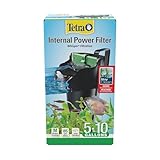
- INTERNAL POWER FILTER: Tetra Whisper Internal Power Filter for 5- to 10-gallon aquariums uses medium Whisper BioBag filter cartridges that are easy to change.
- QUIET 85 GPH MOTOR: The internal pump efficiently filters up to 85 gallons per hour.
- POWERFUL FILTRATION: Water flows through the cartridge floss, trapping debris and fish waste, while Ultra-activated carbon helps remove odor and discoloration.
- SPACE-SAVING DESIGN: Your aquarium can be 1” from the wall with the internal filter designed to clip directly on your aquarium wall and be hidden by décor.
- EASILY ADJUSTABLE: Adjustable clip allows for a variety of setups to easily adjust to high or low water levels.
7. Color and patterns provide camouflage
Colors and markings can make fish less visible against rocks, plants, or the water when viewed from above or below. Some fish change color, and some species produce light that can attract prey or confuse predators, but these traits are not shared by all fish.
8. Special senses detect food and danger
The lateral line senses water movement and pressure changes. Fish also use sight, smell, and hearing, and some bottom-dwelling fish use barbels to sense food. These senses help fish locate food, notice nearby animals, and respond to their surroundings. The South Carolina Department of Natural Resources describes fish sensory anatomy in Fish – Anatomy.
Windows Errors? Fix Them Before They Spread
Repair common Windows errors and clear accumulated junk for a smoother, more stable PC - no reinstall needed.Free scan · no reinstallCrashes, No Sound, or Screen Glitches?
Random freezes, missing sound and display glitches usually trace back to one bad driver. Find and replace yours safely.Free scan · under a minute9. Schooling can reduce an individual fish’s risk
Some fish school, moving together in groups. A predator may find it harder to target one fish among many, and some fish also school cooperatively while feeding. Schooling is a strategy used by some species, not a behavior of all fish.
Rank #4

- Powerful Pump: 300 GPH water pump effectively filters 55-150 gallons; ideal for large aquariums, turtle tanks, and ponds.
- Enhanced Aeration: Equipped with an adjustable valve to increase oxygen levels, promoting healthier, more active fish and turtles.
- Double Deep Filtration: Dual-stage black biochemical sponge removes odors and impurities; keeps water clear and fresh.
- Dynamic Water Flow: Boosts wave size and surface movement; improves circulation for a healthier aquatic environment.
- Adjustable Body: The aquarium filter features a detachable design. For tanks under 15 inches tall, you can lay the filter flat or remove the lower half of the filter sponge for a better fit.
10. Spines and venom can deter predators
Some fish use spines to defend themselves, and some have venomous spines. Venom is delivered through a structure such as a spine; poison, by contrast, can harm a predator that eats the fish. These defenses are specialized traits found in some fish, not a general feature of all species.
11. Temperature physiology fits the habitat
Most fish are ectothermic, meaning their body temperature changes with the surrounding water. The opah is a documented exception: NOAA Ocean Service identifies it as the only known fully warm-blooded fish and describes how heat-exchanging blood vessels and insulating tissue help it retain heat in cold depths. See Are all fish cold-blooded?
How adaptations differ by habitat
| Habitat or condition | Examples of useful adaptations |
|---|---|
| Freshwater | Regulating water gain and salt loss; body shape and fins suited to local flow and shelter. |
| Marine | Regulating water loss and excess salts; swimming and body forms suited to the species’ habitat. |
| Changing salinity | Broad salinity tolerance in species able to adjust to changing conditions. |
| Cold, deep water | For the opah, heat retention supported by heat-exchanging blood vessels and insulating tissue. |
| Predator-rich habitats | Camouflage, schooling, or defensive spines in species with those traits. |
How this applies to pet fish
Knowing how a fish is adapted can help explain why its aquarium conditions need to suit its species. Freshwater and marine fish face different water-and-salt challenges, while swimming style and habitat influence the kinds of surroundings a fish uses. Adaptation is a useful framework, not a replacement for species-specific care guidance.
Best Value

- WITH ROTATING BIO-WHEEL: Patented Bio-Wheel technology provides excellent wet/dry biological filtration.
- MULTI-STAGE FILTRATION: Delivers mechanical, chemical and biological aquarium filtration to maintain a clean aquatic environment.
- MARINELAND FILTRATION PRODUCTS: Count on Marineland brand for the most reliable, technically advanced aquariums and accessories on the market.
- COMPATIBILITY: Use with Marineland Rite-Size Filter Cartridges (see individual filter for sizing recommendations).
- FIVE SIZES: Available in 75 GPH, 100 GPH, 150 GPH, 200 GPH and 350 GPH sizes.
Frequently Asked Questions
Do all fish have gills?
Fish use gills to take up dissolved oxygen from water. Some fish also have adaptations that let them supplement this oxygen uptake, but gill structure and use vary among species.
Do all fish have a swim bladder?
No. Many bony fish use a swim bladder to adjust buoyancy, but sharks and rays lack one and rely in part on an oily liver and swimming for lift.
How do freshwater and marine fish handle salt and water differently?
Freshwater fish tend to gain water and lose salts, while marine bony fish tend to lose water and gain salts. They regulate these challenges differently, and salinity tolerance varies among species.
Are all fish cold-blooded?
Most fish are ectothermic, so their body temperature changes with the surrounding water. NOAA Ocean Service describes the opah as the only known fully warm-blooded fish.
Recommended Free Tools
How can fish avoid predators?
Depending on the species, fish may use camouflage, schooling, or defensive spines. Some species have venomous spines, but these and other defenses are not universal.
The Bottom Line
Fish survive through traits and behaviors suited to their particular aquatic habitats. Gills, body shape, fins, buoyancy, water-and-salt regulation, skin, camouflage, senses, schooling, defensive spines, and temperature physiology are useful examples—but they are not a universal checklist. What helps a fish survive depends on its species and environment.
Quick Recap
Product prices and availability are accurate as of the date/time indicated and are subject to change. Any price and availability information displayed on Amazon at the time of purchase will apply.




