Cockatoos are a diverse family of parrots, not one species, and their habitats, behavior, conservation status, and care needs vary widely. Many nest in tree hollows, making mature trees important, while keeping a cockatoo can require substantial space, enrichment, social interaction, and specialist veterinary care. Whether a cockatoo makes a good pet depends on the species, the individual bird, and whether its long-term welfare needs can be met.
Quick facts about cockatoos
| Feature | What to know |
|---|---|
| Scientific group | Family Cacatuidae, within the parrot order Psittaciformes |
| Range | Australia and nearby regions including Papua New Guinea, Indonesia, Timor-Leste, and the Philippines |
| Appearance | Varies by species; cockatoos include white, gray, pink, and dark-plumaged birds, many with a crest |
| Habitat | Forest, woodland, and some modified landscapes; habitat use varies by species |
| Social life | May be seen alone, in pairs, small groups, or larger flocks |
| Nesting | Many species use tree hollows, so suitable mature trees can be important breeding habitat |
| Conservation | Status and threats are species-specific; habitat loss and trapping affect some species |
A family of very different parrots
Cockatoos are not one uniform kind of bird. The family includes the Palm Cockatoo, Sulphur-crested Cockatoo, Gang-gang Cockatoo, and many other species. They differ in size, appearance, range, habitat, behavior, and conservation status. This is an introduction to representative examples, not a complete species list.
Taxonomy can change, and the research for this profile did not establish a definitive current species count. Any exact count should name the taxonomic authority and edition used.
Recognizable examples
- Palm Cockatoo: A distinctive large cockatoo found in the Australasian region.
- Sulphur-crested Cockatoo: A conspicuous species that may gather in flocks, including where food is abundant.
- Gang-gang Cockatoo: A distinctive member of the family with its own species-specific ecology and behavior.
- Blue-eyed Cockatoo: A New Britain species recorded in forest and partly cleared areas, mainly at low elevations.
- Salmon-crested and Red-vented Cockatoos: Species with serious conservation concerns, including habitat loss and trapping.
Appearance and adaptations
Cockatoos share the basic physical equipment of parrots, including a strongly hooked bill and climbing feet. Their bills help them handle food and climb. Many cockatoos have an erectile crest, but appearance and identifying features vary across the family.
Recommended Free Tools
#1 Best Overall
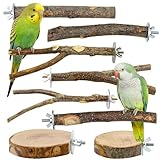
- 【Selected Natural Wood Variety】: This 8-piece set features authentic apple wood for the round platforms and assorted natural hardwoods, such as elm or chestnut, for the straight and forked branches. These dense, untreated woods provide diverse textures for your birds to safely chew, climb, and exercise.
- 【Tailored Dimensions for Small Birds】: Includes 2 round platforms (approx. 2.8"-3.1" dia), 3 straight perches (5.9" length, 0.6"-1.0" thick), and 3 forked branches (5.9" length). This variety of sizes is specifically designed for the small claws of Budgies, Parakeets, and Cockatiels to ensure a comfortable grip. Note: Not recommended for large parrots.
- 【Promotes Foot Health & Instincts】: The irregular, bark-on surface mimics natural tree branches, encouraging essential foot muscle exercise and helping to prevent foot strain. The varied natural textures also allow your feathered friends to naturally condition their beaks and nails while satisfying their instinct to chew.
- 【Stable & Tool-Free Mounting】: Each perch comes equipped with built-in metal wing nuts and standard round washers for a secure, stable fit on most wire bird cages. No extra tools are required—simply twist to fix them firmly in seconds, allowing you to easily reconfigure the cage layout to keep your pet's environment fresh.
- 【Complete Habitat Enrichment】: Transform a static cage into a dynamic, multi-level playground. With 8 diverse pieces, you can easily customize a vertical habitat gym, providing high-resting spots and low-play zones. This complete set reduces boredom and anxiety, making it a high-value addition to your bird's daily well-being.
A raised crest can accompany alertness, excitement, display, or social interaction, but it is not a universal mood dictionary. Read it together with posture, vocalization, other movements, and the surrounding circumstances.
Where cockatoos live
Cockatoos occur across Australia and nearby regions including Papua New Guinea, Indonesia, Timor-Leste, and the Philippines, according to BirdLife International. Species occupy different habitats, including forest, woodland, and modified landscapes. The Blue-eyed Cockatoo, for example, occurs on New Britain in forest and partly cleared areas, mainly at low elevations, according to the World Parrot Trust.
Some cockatoos gather in farmlands or other places where food is available, but many species also rely on tree cavities for nesting. A landscape can retain feeding areas yet lose breeding opportunities if suitable hollows disappear or are too far from food.
Social behavior, communication, and intelligence
Cockatoos may be seen singly, in pairs, in small groups, or in larger flocks. Flock size, activity, and feeding behavior vary by species and local conditions. BirdLife International notes that cockatoos can gather where food is abundant; this pattern should not be assumed for every species or setting.
What’s actually slowing this PC down?
Pick the symptom - the matching free tool is one click away.
Cockatoos are often conspicuous and vocal, but calls and activity differ among species. The Blue-eyed Cockatoo account describes activity in early morning and late afternoon and feeding in the canopy. Such observations are species-specific rather than a rule for the whole family.
Rank #2

- COLORFUL AND ENGAGING DESIGN: The set includes five vibrant and colorful chewing toys that are visually appealing to small and medium parrots, cockatiels, parakeets, conures, macaws, lovebirds,budgies,finch,parrotlets and so on.You can also hide their treats into the toys to capture their attention and encouraging play.
- FORAGING AND SHREDDING STIMULATION: Coming a hanging hand-woven basket and rattan balls of confetti,brightly colored popsicle sticks,interesting plastics beads,the bird toys are designed to promote natural foraging and shredding instincts in birds, helps keep their beaks healthy and provides mental stimulation and prevent boredom.
- DURABLE AND SAFE MATERIALS: Made from bird-safe materials,like rattan ,wooden blocks,bamboo,bird-safe shredded paper,plastics,these toys are durable and withstand the vigorous chewing habits of parrots, ensuring they can be enjoyed for an extended period of time.
- EASY INSTALLATION: The bird toys come with hanging hooks, allowing for easy attachment to bird cages or play areas, ensuring quick and convenient setup.
- COMFY BIRD ROPE PERCH: The set also includes a comfy cotton rope perch for birds to chew on,climb,rest and relax on. This adds variety to their environment and provides a comfortable spot for them to perch and play.
Some cockatoos show complex behavior, but a broad family profile cannot assign one behavior pattern to all species. For reliable interpretation, consider the identified species, its environment, and the context of the observation.
Diet and foraging
Cockatoo diets and foraging patterns vary by species and habitat. They may feed in trees or in other settings, and may gather where food is abundant. The Blue-eyed Cockatoo account describes canopy feeding. A family-level overview cannot prescribe a single menu or foraging routine for every cockatoo.
Where cockatoos affect crops or property, management should be lawful, humane, and appropriate to the species. Local wildlife rules may restrict what people can do; seek advice from the relevant wildlife authority rather than improvising control measures.
Quick wins for a faster PC:
Clear out junk files and repair common Windows errorsFree Scan →Scan for outdated or missing drivers - takes under a minuteDriver Scan →Nesting and reproduction
Many cockatoos use tree hollows for nesting. Suitable cavities can be a limited resource, so clearing mature trees or losing hollows can affect breeding habitat. Retaining large old trees and suitable cavities is an important conservation consideration.
Nesting, breeding season, clutch size, and parental behavior vary among species. Avoid applying one set of reproductive details to the entire family.
Rank #3
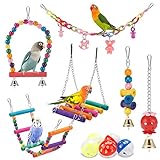
- 11 PIECES BIRD TOYS: The bird toys include 11Pieces parrot toys to meet most bird's needs.Crisp bells' sounds and colorful wooden toys will catch the attention of your birds,they will spend most time to play with their interesting new toys. they are suitable for bird sports,standing,climbing, playing, chewing, resting,etc. It's the perfect gift for your bird friends.
- FOR VARIOUS BIRDS:Our bird toys provide your birds a good elevated place to meet your birds' natural needs; Make most birds do exercise ,strengthen their muscles, exactly suit for small parakeets, cockatiels, conures, macaws, parrots, love birds, Mynahs, finches ,pineapples ect.
- SAFE: These small interesting Bird toys are made of natural wood that dyed with edible color,which ensure the health and safety of your pet birds. They are completely handmade, very durable and bite-resistant. They can easily draw the attention of your pet parrots in a short time,climbbing and exploring.
- EASY TO INSTALL: All bird cage toys come with an hook which can attaches to the top of the bird cage easily.With these interesting bird toys attached in their cage,saving space and decorating the cage, your birds will have fun every day.
- GUARANTEE: If you are not satisfied with our products, just return it and a refund will do; we provide 24 hours customer services, please feel free to contact us.
Conservation: status varies by species
There is no single conservation status for all cockatoos. Habitat loss, loss of nesting cavities, and trapping for the pet trade are among the concerns identified for particular species. The World Parrot Trust lists the Salmon-crested Cockatoo as Endangered and the Red-vented Cockatoo as Critically Endangered. These assessments apply to those species, not to the entire family.
The World Parrot Trust reports that approximately 9% of suitable tree cover within the Blue-eyed Cockatoo’s range was lost from 2000 to 2019. This figure concerns that species’ range, not cockatoos as a whole. The same conservation project describes camera-equipped artificial nests, nest mapping, and community tree planting as research and conservation actions.
World Parrot Trust profiles report mature-population estimates of 20,000–62,000 for the Salmon-crested Cockatoo and 430–750 for the Red-vented Cockatoo. These are source-reported estimates, not census counts or newly measured figures.
Practical ways to help
- Protect mature trees and suitable hollows where local rules and land-management plans allow.
- Support habitat restoration and conservation work relevant to the species and region.
- Do not buy wild-caught birds or animals with uncertain legal or breeding histories.
- Report suspected illegal trapping or trade to the appropriate wildlife authority.
- Check current conservation assessments and local wildlife-trade rules before acting.
Identifying a cockatoo in the field
Use more than one clue when identifying a cockatoo:
- Appearance: Note the bird’s plumage and any distinctive crest or other visible features.
- Call and behavior: Record what you hear and observe, while allowing for species-specific variation.
- Habitat: Note whether the bird is in forest, woodland, or a modified landscape.
- Location: Use the geographic range to narrow down possible species.
- Reference: Compare your observations with a reliable regional field guide or species account.
Cockatoos as companion birds
Do cockatoos make good pets? There is no answer that fits every bird or household. The Association of Avian Veterinarians describes cockatoos as highly intelligent and affectionate, while warning of possible screaming, biting, aggression, and feather-destructive behavior. The ASPCA states: “The ASPCA does not recommend the keeping of large parrots as pets unless appropriate care can be provided.”
Rank #4

- Natural Wood Construction: Crafted from high-quality, untreated natural wood, our bird perches are durable and safe for your feathered friends. The natural finish ensures a non-toxic environment for your birds.
- Complete Variety of Perches: This 8-piece set includes a mix of wooden perch stands, fork toys, hanging multi-branch platforms, and hammock swings, providing a diverse range of activities and resting spots for your pet birds.The dimensions of the wooden round perches may vary slightly due to the irregularity of natural wood. The diameter ranges from 2.4 to 3.5 inches.
- Suitable for Multiple Bird Types: Designed to accommodate various bird species, including Macaws, Parakeets, and Budgies, these perches offer a comfortable and stimulating environment for your pets.
- Enhanced Entertainment and Exercise: The hanging multi-branch platform and fork toys encourage natural climbing and playing behaviors, promoting physical exercise and mental stimulation.
- Durable and Easy to Clean: Made to last, these pet bird accessories are easy to clean and maintain. Ensure your birds' health by regularly sanitizing the perches and keeping their living space hygienic.
Veterinary and welfare guidance emphasizes socialization, mental stimulation, opportunities to express natural behavior, movement, appropriate diet, and regular veterinary attention. WWF describes the care, diet, and housing needs of Sulphur-crested and Umbrella Cockatoos as very difficult to meet, and discusses time outside the cage, enrichment, and space to fly. A broad profile cannot prescribe one diet, enclosure size, or daily schedule for every bird; consult a qualified avian veterinarian.
Crashes, No Sound, or Screen Glitches?
Random freezes, missing sound and display glitches usually trace back to one bad driver. Find and replace yours safely.Free scan · under a minutePC Slower Than It Used to Be?
A free scan shows the junk files, broken settings and background clutter dragging Windows down - then fixes them in one click.Free scan · Windows 10 & 11Challenges prospective owners must plan for
- Time and interaction: Cockatoos need socialization and meaningful stimulation; needs vary by bird.
- Noise and behavior: Screaming, biting, aggression, and feather-destructive behavior may occur and can require professional assessment.
- Space and movement: Welfare guidance emphasizes movement, time outside the cage, and space to fly.
- Enrichment: Bird-safe toys and foraging puzzles can be one possible resource. Choose materials and activities suitable for the individual bird, supervise use, and seek veterinary guidance.
- Veterinary care: Arrange regular checkups with a qualified avian veterinarian; the Association of Avian Veterinarians provides owner resources and a Find-a-Vet tool.
If you cannot continue caring for a cockatoo, arrange responsible rehoming through an appropriate rescue, veterinarian, or trusted organization. Never release a pet bird outdoors.
Independent reader supportYour contribution helps us test, update, and keep practical guides available for everyone.Buying, transporting, or keeping a cockatoo legally
Wildlife-trade rules depend on the species, location, and circumstances. Before acquiring, breeding, transporting, importing, or exporting a cockatoo, check with the relevant wildlife authority and obtain any required documentation. Local rules may differ, so do not rely on a general profile as legal advice.
Avoid wild-caught birds and animals with uncertain origins or paperwork. People who can provide appropriate care can consider rescue adoption, as encouraged by the ASPCA’s Position Statement on Birds as Pets.
Bottom line
Cockatoos are a varied parrot family whose species differ in range, behavior, habitat, conservation status, and care needs. Many rely on tree hollows, and keeping one responsibly can demand substantial long-term commitment. Identify the species, check current conservation and legal information, and consult qualified professionals before making decisions about captive care.
Best Value

- Sienle Bird Perches: Designed with your bird’s health in mind, these parrot perch toys are made from a variety of natural woods, including apple wood, prickly ash wood, and grapevine wood. Free from paint, they are safe, durable, and offer a more natural habitat experience through the combination of multiple wood types
- Easy to Install: Each of our bird perches for cage comes with a built-in wing nut, allowing for effortless installation onto any birdcage without the need for extra tools. All perches are perfectly designed for small to medium-sized birds—such as budgies, lovebirds, cockatiels, conures, and mynas—making them an essential accessory for any bird cage
- Parrot Perch: Rich in natural minerals and fibers, these perches help supplement your bird’s nutrition, satisfy their chewing instincts, and encourage activity. They create a more natural and stimulating environment for your feathered friend
- Safe and Durable: The bird swing is made of comfortable, natural wood, closely resembling a natural environment and making it easy for birds to grip with their claws. The bell design at the bottom of the swing stimulates birds’ exploratory behavior and increases their entertainment activities, making it an ideal swing toy for parakeets
- 5 Types of Parrot Perches: This bird perch set includes 1 Y-shaped prickly ash perch, 1 straight perch for parakeets, 1 prickly ash perch with bell, 1 square wooden platform, and 1 bird swing. Please note: Since the perches are made from natural wood, each piece may vary slightly in shape. Some wood chips may be present in the package due to bark shedding during transport—this is a normal occurrence
FAQ
Is a cockatoo one species or a family of birds?
Cockatoo is the common name for members of the parrot family Cacatuidae. It includes many species, and an exact count should identify the taxonomic authority and edition used.
Do cockatoos make good pets?
It depends on the species, individual bird, and household’s ability to provide appropriate long-term care. Veterinary and welfare sources emphasize socialization, mental stimulation, movement, suitable diet, and regular veterinary attention. The ASPCA does not recommend keeping large parrots unless appropriate care can be provided.
Are all cockatoos endangered?
No. Conservation status is species-specific. The World Parrot Trust lists the Salmon-crested Cockatoo as Endangered and the Red-vented Cockatoo as Critically Endangered; these labels do not apply to every cockatoo.
Why are old trees important to cockatoos?
Many cockatoos nest in tree hollows. Losing mature trees and suitable cavities can reduce breeding habitat, so their retention is an important conservation consideration.
What threats do cockatoos face?
Threats vary by species and region. Sources identify habitat loss, loss of nesting cavities, and trapping for the pet trade among concerns for particular cockatoos.
What should I do if I can no longer care for a pet cockatoo?
Arrange responsible rehoming through an appropriate rescue, veterinarian, or trusted organization. Never release a pet bird outdoors.
Quick Recap
Product prices and availability are accurate as of the date/time indicated and are subject to change. Any price and availability information displayed on Amazon at the time of purchase will apply.




