There is no single safe portion for every koi and goldfish pond. Start with a modest amount, watch whether the fish eat it promptly, and remove leftovers; adjust for water temperature, appetite, species, age, and whether you are feeding for maintenance or growth.
The five-minute rule for koi and goldfish
A short observation window can be a conservative way to avoid overfeeding, but five minutes is not a universal rule for every pond or feeding. Louisiana Cooperative Extension advises removing leftovers after five minutes when feeding above 70°F; Oklahoma State University Cooperative Extension recommends that fish consume feed quickly in warm weather and that keepers remove uneaten food.
Start small and watch the fish rather than adding food by guesswork. Reduce the next portion if food remains, and remove leftovers rather than letting them decompose. Feeding methods and rates vary with species, age, system, and water temperature, as the Merck Veterinary Manual notes.
For most backyard ornamental ponds, floating food makes it easier to see whether fish are eating and to remove uneaten pellets. Excess feed and waste can foul water and contribute to oxygen and algae problems.
#1 Best Overall

- Provides necessary animal and vegetable proteins
- With 35% protein, fish meal is the first ingredient and supports tissue and muscle development
- Great for Koi, Goldfish and other pond fish
- Floating pond fish food that's suitable for all seasons
- Fish oil, wheat germ meal and alfalfa meal to enhance eye, heart and cognitive functions
A practical feeding routine
- Check the pond temperature. Measure the water itself with a pond thermometer; do not rely on air temperature or the forecast.
- Use an appropriate pond diet. Choose formulated food for koi or goldfish and a pellet size the fish can eat. Follow the product label.
- Offer a small first portion. Scatter it so you can observe whether the fish are eating.
- Watch the feeding response. Use a short observation window as a practical check, not a universal timer. Stop adding food when fish lose interest.
- Adjust the next portion. If food remains, give less next time. If the fish eat promptly, adjust cautiously rather than assuming they need a large increase.
- Remove leftovers. Collect floating pellets and check for food that has sunk.
Several small meals may suit some warm-water feeding plans, but frequency depends on the pond, fish, and food. More meals should not mean more total feed than the fish can use without leftovers.
How much should I feed by season?
Temperature recommendations differ among extension sources, so treat their figures as context-specific guidance rather than universal cutoffs. Check the actual pond temperature and the fish’s appetite. Reduce or stop feeding if fish are not eating; a rapid temperature drop, insufficient oxygen, or disease can cause appetite to decline.
| Water temperature | Source-specific guidance |
|---|---|
| Below 45–50°F (about 7–10°C) | Oklahoma State University Extension says fish do not feed below 45°F. Louisiana Cooperative Extension says feeding is not necessary below 50°F. These are different recommendations; do not treat either threshold as a universal rule for every pond. |
| 55–65°F (about 13–18°C) | Louisiana Cooperative Extension describes two daily feedings, with fish eating over 5–10 minutes. Adapt this regional guidance to the fish’s observed appetite and the food label. |
| Above 70°F (about 21°C) | Louisiana Cooperative Extension allows up to five daily feedings, each no longer than 3–5 minutes, and advises removing leftovers after five minutes. Oklahoma State Extension gives about 3% of total fish weight per day above 70°F for rapid growth, not as a universal maintenance ration. |
| Above 90°F (about 32°C) | Oklahoma State Extension advises reducing feed at very high temperatures. Fish may feed poorly and can be stressed by poor water quality. |
These figures come from the Louisiana Cooperative Extension Service ornamental-pond guide and the Oklahoma State University Cooperative Extension water-gardens fact sheet. Their recommendations differ; use observed appetite, water conditions, and the selected food’s label alongside temperature.
What if I want a measured daily amount?
Body-weight estimates are most useful when fish biomass is known and the feeding goal is clear. The Merck Veterinary Manual gives general fish-feeding ranges of 1%–2% of body weight per day for maintenance diets and 3%–5% for growth diets. It emphasizes that rates vary with species, age, system, and water temperature.
Free tools Windows power users keep installed
One-click scans. No signup required.
Rank #2

- High Protein Growth: Made with premium fish meal and over 42% crude protein to support steady growth, strong muscle development, and lasting energy for koi, goldfish, and pond fish.
- Vibrant Color Enhancement: Spirulina, krill meal, and marigold extract naturally enhance red, orange, and yellow hues—bringing out brighter, more vibrant koi and goldfish.
- Immune Support & Vitality: Enriched with garlic, probiotics, and functional nutrients to support natural defenses, improve stress resistance, and promote overall fish health.
- Easy Digestion & Cleaner Water: Supports healthy digestion and nutrient absorption, while floating pellets reduce waste and help keep pond water clean and clear.
- All-Season Floating Pellets: Designed for year-round feeding, these floating pellets are easy to monitor and ideal for koi, goldfish, and pond fish in a variety of conditions.
Oklahoma State University Extension gives a different water-garden reference: about 1% of total fish weight for maintenance, five days per week, and about 3% per day above 70°F for rapid growth. These are separate recommendations for different contexts, not interchangeable guarantees. Do not use a growth ration automatically if your goal is maintenance.
Do not apply “one pellet per inch” as a universal rule. Hikari USA publishes that as guidance for its own koi food under specified temperatures; it is not an independently validated ration for every fish or product. For a typical ornamental pond, a modest portion adjusted to observed consumption is more practical than an uncertain biomass calculation.
Choosing pond fish food
Use formulated food made for the fish you keep. The Merck Veterinary Manual notes that pelleted foods are made specifically for koi and goldfish in outdoor ponds. Choose an appropriate pellet size, follow the label, and consider variety around a suitable primary food.
- Match the pellet size to the fish. Fish may struggle with food that is too large or too small.
- Use floating food if it helps you monitor feeding. If a goldfish appears to have trouble with floating food, Hikari USA advises considering an appropriate sinking food or pre-soaking; this is manufacturer advice for those cases, not a requirement for all pond goldfish.
- Follow the selected product’s label. Temperature advice and feeding schedules can differ by formula.
- Do not use food to solve unusual behavior. Gasping, lethargy, or a sudden appetite decline can point to an oxygen, water-quality, temperature, or health problem.
Koi and goldfish pond food pellets are a practical product category to consider. Choose a suitable formula and pellet size; no food eliminates the need to watch consumption and remove leftovers.
The Tool Desk
Outbyte PC Repair FREEClear out junk files and repair common Windows errorsFree Scan →Outbyte Driver Updater FREEFix the driver behind crashes, sound loss and screen glitchesFind Drivers →Rank #3

- 41% PROTEIN, PROFESSIONAL-GRADE NUTRITION — Platinum Pro is a high-protein koi and goldfish food made for the warm, active feeding season. The 41% protein supports steady, healthy growth, and one food covers both everyday nutrition and color support — so there's no need to buy a separate color-enhancing food.
- 3/16" FLOATING PELLETS THAT SOFTEN QUICKLY — The floating pellet stays on the surface so you can watch your fish feed and easily control portions. Pellets soften within seconds, making them easy for koi and goldfish to eat. Feed only what your fish finish in about 5 minutes to help keep your pond water clear.
- INCLUDES SPIRULINA & CANTHAXANTHIN — Platinum Pro contains Spirulina and Canthaxanthin, two ingredients commonly associated with supporting the natural color of koi and goldfish — built right into your everyday food.
- COMPLETE, BALANCED EVERYDAY DIET — A nutritionally complete koi and goldfish food that includes Primilac probiotic. Platinum Pro is best fed during the warm season when koi are active and feeding heavily; as water cools and your fish slow down, switch to Blue Ridge Cool Water Wheat, which is formulated specifically for cooler-water feeding.
- FROM AMERICA'S LARGEST & LONGEST-RUNNING KOI SUPPLIER — Blue Ridge Koi has been a trusted name in koi and goldfish since 1958, and Platinum Pro is the same food we feed the fish in our own facilities. Unlike other brands on the koi-food shelf, we actually supply koi every day.
When should you not feed pond fish?
Pause or reduce feeding when fish are not eating or when pond conditions could make additional waste harmful. A sudden appetite decline is a reason to check conditions, not to add more food. Oklahoma State University Extension notes that rapid temperature change, insufficient oxygen, or disease can affect appetite.
Do not feed normally if:
- The fish are gasping at the surface. This can signal low dissolved oxygen; adding food is not a remedy.
- Circulation or aeration has failed. Restore normal equipment function and assess pond conditions before resuming normal feeding.
- The water is cold and fish are inactive. Follow temperature guidance and the food label rather than continuing a warm-weather schedule.
- Fish are not finishing their usual portion. Reduce or pause feeding and investigate the change in appetite.
- Water quality is poor. Address the cause and remove excess waste before returning to normal feeding.
- Conditions have changed suddenly. Heavy rain, rapid cooling, or a pond treatment can warrant checking conditions and fish behavior before feeding.
What to do if fish are gasping
Surface gasping is a warning sign, not evidence that fish are hungry. Stop feeding, check circulation and aeration, and test water, including dissolved oxygen where possible. If fish are severely distressed, dying, or not improving, contact an aquatic veterinarian or qualified pond-management professional.
Excess feed and waste can contribute to oxygen and algae problems. An aerator may be useful for oxygen management, but it does not replace removing excess food or maintaining the pond.
For a pond with oxygen concerns, a pond aerator for fish may be a useful equipment option. Treat it as oxygen-management equipment, not permission to feed more.
Quick wins for a faster PC:
Clear out junk files and repair common Windows errorsFree Scan →Fix the driver behind crashes, sound loss and screen glitchesFind Drivers →Repair Windows errors before they cause bigger problemsFix Now →Rank #4
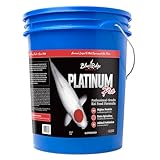
- 41% PROTEIN, PROFESSIONAL-GRADE NUTRITION — Platinum Pro is a high-protein koi and goldfish food made for the warm, active feeding season. The 41% protein supports steady, healthy growth, and one food covers both everyday nutrition and color support — so there's no need to buy a separate color-enhancing food.
- 3/16" FLOATING PELLETS THAT SOFTEN QUICKLY — The floating pellet stays on the surface so you can watch your fish feed and easily control portions. Pellets soften within seconds, making them easy for koi and goldfish to eat. Feed only what your fish finish in about 5 minutes to help keep your pond water clear.
- INCLUDES SPIRULINA & CANTHAXANTHIN — Platinum Pro contains Spirulina and Canthaxanthin, two ingredients commonly associated with supporting the natural color of koi and goldfish — built right into your everyday food.
- COMPLETE, BALANCED EVERYDAY DIET — A nutritionally complete koi and goldfish food that includes Primilac probiotic. Platinum Pro is best fed during the warm season when koi are active and feeding heavily; as water cools and your fish slow down, switch to Blue Ridge Cool Water Wheat, which is formulated specifically for cooler-water feeding.
- FROM AMERICA'S LARGEST & LONGEST-RUNNING KOI SUPPLIER — Blue Ridge Koi has been a trusted name in koi and goldfish since 1958, and Platinum Pro is the same food we feed the fish in our own facilities. Unlike other brands on the koi-food shelf, we actually supply koi every day.
Useful equipment for safer feeding
Pond thermometer
A thermometer helps you apply temperature-based guidance. Measure the water rather than relying on air temperature, and take readings consistently.
Automatic feeder
A programmable feeder can dispense scheduled portions, but it cannot tell whether fish are interested or whether pond conditions have changed. Calibrate it while present, begin conservatively, and inspect it regularly. Turn it off when fish stop feeding or conditions warrant a pause.
Dissolved-oxygen test kit
An oxygen test kit can help when fish behavior or pond conditions raise concern about oxygen. It is not a substitute for addressing the cause of distress or poor water quality.
Common feeding mistakes
- Feeding by handful. A handful is not a consistent measure and may be excessive for the pond or conditions.
- Adding food because fish are still swimming. Judge whether they are eating, not whether they are near the surface.
- Leaving pellets for later. Remove uneaten food rather than letting it decompose in the pond.
- Using a feeder without checking portions. Automation cannot assess appetite or water conditions.
- Applying koi guidance to every pond fish. Species and feeding needs differ.
- Ignoring an appetite change. Check temperature, oxygen, water quality, and health rather than automatically increasing the ration.
A simple decision rule
Before feeding, consider:
- Is the water temperature appropriate for feeding, and are the fish active?
- Are circulation and aeration working normally?
- Did the fish eat the previous portion without leaving food behind?
If conditions look normal, offer a modest portion and observe the fish. If any answer raises concern, reduce or pause feeding until you understand the cause. Temperature, appetite, and water quality are more useful than a fixed calendar schedule.
Best Value

- KOI POND NUTRITION: An ideal maintenance diet for your koi, ornamental goldfish and other outdoor fish species.
- DAILY DIET: Provides nutrition for energy, longevity and overall health.
- SOFT STICKS: Floating sticks are easy for fish to eat and digest.
- CLEAR WATER: Feeding a high-quality, highly digestible food creates less waste for clearer water.
- USAGE: Feed daily when water temperatures are above 50 degrees.
FAQ
How much food should I give my pond fish at one time?
Start with a modest portion and watch whether the fish eat it promptly. If food remains, remove it and reduce the next portion. There is no single safe amount for every pond.
Can pond fish go without food for a few days?
The reviewed sources do not establish a universal safe fasting duration for all pond fish. If fish are not eating, check temperature and pond conditions rather than trying to make them eat; follow species- and situation-specific advice where needed.
Should I feed pond fish that are gasping at the surface?
No. Stop feeding, check circulation and aeration, and test the water if possible. Gasping can indicate low oxygen, not hunger.
How often should I feed pond fish in winter?
Use water temperature and the fish’s appetite rather than a calendar alone. Louisiana Cooperative Extension says feeding is unnecessary below 50°F, while Oklahoma State University Extension says fish do not feed below 45°F. These are source-specific recommendations; follow the food label and observe your fish.
Recommended Free Tools
The Bottom Line
For koi and goldfish, there is no universal portion or feeding schedule. Offer a modest amount, observe the fish, remove leftovers, and adjust for temperature, appetite, and whether you are feeding for maintenance or growth. Pause feeding and check pond conditions when fish stop eating or show signs of distress.
Quick Recap
Product prices and availability are accurate as of the date/time indicated and are subject to change. Any price and availability information displayed on Amazon at the time of purchase will apply.




