No—a sloth is not a suitable pet for an ordinary household. Sloths are wild animals with specialized food, habitat, and enrichment needs that demand expert, ongoing care. A permit, calm appearance, or willingness to tolerate people does not make a sloth domesticated or make private ownership advisable.
The Smithsonian’s National Zoo advises that sloths do not make good pets because their specific food, environment, and enrichment needs require round-the-clock care. The CDC’s general wildlife guidance also says wildlife should not be kept as pets.
Why a sloth’s appearance is misleading
A sloth’s slow movements and relaxed posture are not evidence that it enjoys being handled. Sloths are wild, not domesticated companion animals. A wild animal that tolerates a person, or looks calm in a photograph, has not become a pet.
Sloths can defend themselves with their claws and teeth and are surprisingly strong, according to the Smithsonian. They are not necessarily aggressive, but their appearance is no reason to assume that handling is safe.
Recommended Free Tools
#1 Best Overall

- Space-Saving Foldable Design: This collapsible dog crate features a innovative foldable design, allowing it to be stored flat when not in use. Perfect for small apartments or homes with limited space, it ensures easy storage without sacrificing functionality.
- Easy Mobility with Wheels & Handles: Equipped with two smooth-rolling wheels and sturdy handles on both sides, this pet crate offers effortless mobility. Ideal for repositioning in your living room, patio, or vehicle.
- Durable & Escape-Proof Construction: Made from reinforced hard plastic and strong metal wire, this heavy-duty dog crate ensures maximum security. The robust design prevents escapes and provides a safe, den-like environment for your dog. It’s both functional and aesthetically pleasing for modern homes.
- Secure & User-Friendly Lock Mechanism: Features squeeze-latch locks on the door for quick and secure closure. These locks are easy for owners to operate but prevent clever dogs from opening them. Set up and fold down the crate in seconds with no tools required.
- Multi-Scenario Use: Designed for versatile use - whether as a cozy indoor dog house, a crate for road trips, or a temporary containment space outdoors. The 27.95"L x 18.9"W x 21.65"H crate fits comfortably in most mid-to-large SUV trunks, making it perfect for adventures and daily use alike.
What does a sloth need?
A sloth needs a warm, humid environment with opportunities to climb, rest, hide, drink, and move naturally. USDA Animal Care’s husbandry aid for two-toed sloths specifies constant temperatures of 75–85 °F and humidity of 60–80%. It also calls for climbing structures, varied resting places, hiding areas, water access, and room for natural movement. These are professional husbandry recommendations, not a do-it-yourself recipe that makes home ownership advisable.
The USDA aid explains that sloths cannot regulate body temperature like other animals, and that unsuitable heat or cold can slow or shut down digestion. It describes additional environmental needs, including draft-free protected areas, heated and cooler or shaded choices for outdoor housing, basking light, and a 12-hour light cycle.
Smithsonian zoo keepers describe the practical work behind appropriate care: maintaining a warm, very humid habitat, changing branches and pathways to encourage exploration, providing suitable nest boxes and hammocks, managing diets, and observing movement and behavior. Professional zoo care is not proof that a private home can reproduce the environment or veterinary support a sloth needs.
Rank #2
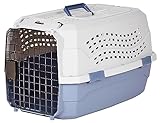
- Hard sided pet carrier with 2 doors for front and top entry; suitable for cat or medium size dog weighing 12 - 20 pounds
- Durable plastic construction with steel wire doors; screws keep the top and bottom sections securely connected
- Spring load latches ensure easy one-handed door opening and closing; top door swings open to the left or right and includes a top carry handle
- Plenty of air ventilation on the sides, top, and back of the carrier
- Note: Be sure to measure the size of the pet when choosing carrier size
Sloth diet and digestion require specialist management
Sloths eat leaves, fruit, and selected fresh green shoots in the wild, according to the Smithsonian. Their digestion is slow; the Smithsonian’s two-toed sloth profile says food may remain in the digestive tract for approximately a month. The zoo’s managed diet is not a household feeding plan.
Humane World for Animals says caregivers should manage sloth diets under the guidance of a professional nutritionist. Its facility-specific observations come from the investigation it conducted and should not be generalized to every sloth or facility. Ordinary salad or supermarket greens should not be treated as a complete sloth diet.
Are sloths dangerous to handle?
Sloths may use their claws and teeth defensively when threatened. Their slow movement does not make them harmless, and close contact with wildlife can cause injury.
Rank #3
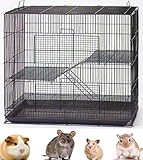
- Easy Portable Design: Cage dimensions measure 24 inches length by 16 inches width by 24 inches height, featuring all-metal construction with 3 levels, wire shelves, and ladders with tight 3/8-inch cross bar spacing
- Narrow 3/8-Inch Wire Spacing: Prevents escape and stuck incidents for baby to adult size small animals including chinchillas, ferrets, rats, dwarf hamsters, guinea pigs, rabbits, mice, gerbils, sugar gliders and other small critters
- Two Front Access Doors: Features doors measuring 6.5 inches by 11.5 inches with locking door clips for extra security, includes 1/2-inch wire spacing, metal grated floor, platforms and ladders with chew-proof construction
- Easy To Clean Design: Includes removable raised 3/8-inch bar spacing bottom grate and pull-out washable tray with animal safe epoxy coated finish for convenient maintenance
- Easy Foldable and Setup: Collapsible design folds for storage with two top side carrier handles for travel convenience, requires no tools for assembly and setup
The CDC warns that diseases can spread between people and wild animals. The reviewed sources do not establish a sloth-specific disease probability, so it would be misleading to claim a particular infection risk for household sloths. Avoid casual handling and follow appropriate wildlife-safety guidance.
Can you keep a sloth as a pet?
Ownership rules vary by country and locality. They may depend on the species, its origin, the proposed use, and national, state or provincial, county, and municipal rules. There is no universal legal answer for all sloths or all places.
What’s actually slowing this PC down?
Pick the symptom - the matching free tool is one click away.
For example, Singapore’s Animal and Veterinary Service requires written approval to keep wildlife, and sloths do not appear on its list of species approved as pets. That is a jurisdiction-specific example, not a rule for other places. Check with relevant authorities where you live; a permit or legal exception does not establish that a home is suitable or that ownership is ethical.
Rank #4

- DISCOVER DURABLE DESIGN: The Pet Fit For Life extra large cat carrier features strong nylon and a steel frame. Its collapsible, portable structure makes this teal checkers kennel ideal for cars, homes, long trips, or indoor cats needing a secure and versatile space.
- SPACIOUS & COZY DESIGN: This roomy collapsible kennel fits two big cats easily. Includes a soft velvet floor pad and extra space for beds, making it the ideal indoor cat enclosure for travel, lounging, or creating a secure cat tent at home.
- PORTABLE LITTER BOX INCLUDED – Designed for long trips, this foldable cat carrier comes with a matching collapsible litter box for contained, mess-free use on the road. A must-have travel accessory for keeping your cats comfortable during extended journeys.
- BUILT FOR VENTILATION & DURABILITY – Features mesh windows, a zippered door, and staking loops for secure indoor or outdoor setup. This cat travel carrier ensures airflow, visibility, and stability whether used in the car, at home, or during vacations.
- BONUS TOYS & BOWL FOR VALUE – Each Pet Fit For Life travel kennel includes a feather teaser toy and a foldable water/food bowl. This cat travel set provides extra fun and convenience for your pet, making it a complete, practical, and enjoyable experience for cat owners.
Before taking any action, ask the appropriate national and local wildlife authorities about the exact species and proposed use. Do not rely only on a seller’s statement that an animal is legal or properly documented.
Independent reader supportYour contribution helps us test, update, and keep practical guides available for everyone.Why sloth ownership raises conservation concerns
The Smithsonian identifies trafficking and rainforest habitat loss as threats to sloths. It also notes that sloths can be easy to take from trees because they move slowly and appear docile. This does not mean every privately held sloth was illegally captured, but demand can add pressure to wildlife trade. Legal paperwork alone does not settle the welfare question.
Sloths’ needs are ecological and behavioral, not simply a matter of having a large cage. The Smithsonian’s care guidance points to their specialized environment, food, and enrichment needs as reasons they are unsuitable pets.
Best Value

- Thoughtful 2-Zone Design – A smart design separates play from potty! Includes a large and small enclosure to separate your cat’s play/rest area from its litter area. The large playpen serves as a cozy lounge and playground, while the smaller kennel holds the litter box to keep odors and scattered litter under control—so your kitten stays happy and your home stays fresh.
- Roomy & Pet-Friendly Space – The large kennel is generously sized (35×35×26 in) for cats to stretch, nap, or play with room for their blanket, food, and water bowls, while the small kennel (20.5×19.5×18 in) perfectly accommodates a litter box. Ideal for small dogs, rabbits, ferrets, chickens, hamsters, or even pregnant pets.
- Premium 600D Oxford Fabric & Waterproof Design – Built with 600D waterproof tear-resistant Oxford fabric, dense reinforced mesh, rust-proof alloy frame, and heavy-duty zippers. The panoramic mesh roof provides excellent airflow, full visibility, and safe sunshine time for your feline friend.
- One-Second Pop-Up with Dual Storage Options – This foldable cat tent unfolds instantly in one second. It features two easy folding methods: space-saving fold for the small carry bag, or a quicker, simpler fold for the larger carry bag—no complicated steps, ultra-portable for home and travel.
- Exclusive Dual-Zipper “A&B” System – Two-in-One functionality. Connect 2 tents together to create a spacious cat suite for multi-pet homes or nursing cats. Or detach them when you need a travel carrier, the included divider mesh turns the smaller tent into a mobile pet cabin—ideal for car rides, park days, or weekend camping trips.
Better ways to enjoy sloths
- Visit a responsible zoo that cares for sloths. Learn about the animal’s natural history and welfare needs through observation rather than handling.
- Support conservation work. The Smithsonian suggests supporting a conservation organization. Check an organization’s current programs and terms before donating.
- Learn from reliable educational material. Choose natural-history and conservation resources that explain sloths without presenting private ownership as a goal.
What if you already have access to a sloth?
Do not buy, import, transport, handle, or release a sloth casually. Keep children and other pets away, and contact the relevant wildlife authority, a reputable wildlife rehabilitator, or a veterinarian experienced with sloths for direction. Do not try to solve a welfare problem with internet advice.
FAQ
Are sloths good pets?
No. The Smithsonian says sloths do not make good pets because their food, environment, and enrichment needs require round-the-clock care. The CDC advises that wildlife should not be kept as pets.
What do pet sloths need?
Sloths need specialized food and a warm, humid environment with climbing structures, varied resting places, hiding areas, water, and opportunities for natural movement. USDA Animal Care’s recommendations for two-toed sloths illustrate the complexity of that care; they are not a home-care recipe.
Is it legal to own a sloth?
It depends on the country and local jurisdiction, as well as the species and circumstances. Ask the relevant authorities where you live. Legal permission does not by itself show that private ownership is suitable or ethical.
Can a sloth hurt you?
Yes. The Smithsonian says sloths can defend themselves with their claws and teeth and are surprisingly strong. The CDC also warns that close contact with wildlife can cause injury and that diseases can spread between people and wild animals.
How can I help sloths without owning one?
Visit a responsible zoo that cares for sloths, support a conservation organization, or learn from reliable educational resources. The Smithsonian recommends zoo visits and conservation support as alternatives to keeping sloths as pets.
Quick Recap
Product prices and availability are accurate as of the date/time indicated and are subject to change. Any price and availability information displayed on Amazon at the time of purchase will apply.




