There is no single best black aquarium gravel. Choose a water-neutral gravel for a stable decorative bed, porous clay for a planted aquarium, or active soil only when you deliberately want softer, more acidic water. Among the documented products, sera Gravel Black is a water-neutral general-purpose example; Seachem Flourite Black is a pH-neutral planted-tank substrate; and OASE ScaperSoil is an active soil that changes water values.
What “black gravel” actually means
Color alone tells you almost nothing about a substrate’s behavior. Black aquarium substrates can be quartz gravel, other mineral gravel, porous clay, or active soil. Those materials differ in grain size, edge shape, dust, nutrient behavior and effects on pH or hardness.
Compare the exact product label rather than assuming every black substrate is inert. sera describes Gravel Black as neutral toward water. Seachem describes Flourite Black as untreated, stable porous clay that will not alter pH. OASE describes ScaperSoil as active soil that stores and releases nutrients, softens water and creates a slightly acidic pH range.
Quick comparison of documented black substrates
| Product | Material and chemistry | Stated grain and shape | Preparation | Best fit |
|---|---|---|---|---|
| sera Gravel Black | Black gravel; described by sera as neutral toward water and suitable for freshwater and marine aquariums | 2–3 mm; shape not stated | Follow the package directions; the coarse version is prewashed but still requires additional rinsing | General freshwater or marine displays needing a water-neutral black bed |
| Seachem Flourite Black | Untreated, stable porous clay; maker says it will not alter pH | Not stated on the cited product information | Prewashed, but dust from transit may remain; rinse if needed and add water slowly | Planted aquariums wanting a stable porous substrate that can be used alone |
| Dennerle Aquarium Gravel Diamond Black | Freshwater quartz | 1–2 mm; manufacturer describes rounded edges | Use the maker’s package instructions | Freshwater keepers looking for a smaller, rounded quartz grain |
| OASE ScaperSoil, black | Active soil that stores and releases nutrients; softens water and produces a slightly acidic pH range | 1.5–3 mm | Place dry; OASE says no rinsing is needed | Planted setups intentionally designed around changing water chemistry |
| sera Aquarium Gravel Black Coarse | Black gravel; water behavior should be confirmed on the product packaging | 2–3 mm | Prewashed, with further rinsing recommended by sera | Displays where this particular coarse grain and appearance suit the layout |
These are manufacturer specifications, not independent performance tests. Prices, stock, regional variants and long-term durability were not established, so they cannot determine a universal winner.
#1 Best Overall
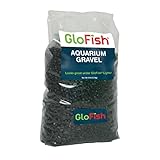
- AQUARIUM GRAVEL: Black GloFish Aquarium Gravel creates a perfect base to let your fluorescent fish, plants and ornaments stand out.
- RANGE OF COLORS: Also available in pink, green, white, black with fluorescent accents, black and white, or a mix of colors.
- HIGHLIGHTS YOUR TANK: Use as a substrate or accent, along with GloFish plants and ornaments (sold separately).
- BRINGING COLOR TO LIFE: GloFish fluorescent fish and products create a complete underwater fluorescent experience.
- QUANTITY: 5 lbs
Choose by the aquarium’s purpose
For an inert-looking, stable display
Start with a product explicitly described as water-neutral. sera Gravel Black is the clearest documented example: its maker lists a 2–3 mm grain and says it is neutral toward water. That makes it a sensible starting point for a general freshwater display, and sera also lists it for marine aquariums. Confirm that the exact package you buy carries the same specification, especially if the name includes “coarse.”
For planted tanks without deliberate pH changes
Seachem Flourite Black is positioned for planted aquariums. Its porous clay structure provides surface area around plant roots, and Seachem says the untreated substrate will not alter pH. The maker also says it can be used by itself, so a separate gravel cap is not automatically required. It is still a substrate rather than a complete fertilization plan: plant species, lighting, carbon availability and water-column fertilization remain separate decisions.
Rank #2

- Aquarium Safe Material: 100% natural composition ensures safety for all aquatic life
- Beneficial Bacteria Support: Promotes good bacteria growth because of its large surface area
- Visual Contrast: Contrasts well with a planted tank to enhance the appearance of your aquarium
- Premium Quartz Composition: Natural quartz gravel sparkles underwater due to light reflecting facets, creating an attractive substrate
- Fine Grain Size: 1-2mm particle size provides optimal coverage and plant anchoring in aquariums, fish tanks and terrariums
For aquascapes built around active soil
OASE ScaperSoil should not be treated as ordinary decorative gravel. It is active soil, with a stated 1.5–3 mm grain, and OASE says it stores and releases nutrients, softens water and creates a slightly acidic pH range. Select it when those changes match the livestock and plant plan, and be prepared to monitor pH and hardness as the aquarium matures.
For bottom-oriented fish and a finer appearance
Dennerle Aquarium Gravel Diamond Black is a documented 1–2 mm rounded quartz option for freshwater aquariums. Rounded edges and a smaller grain can be attractive when fish spend much of their time on the bottom, but the product description is not a blanket guarantee for every species, mouth shape or behavior. Check the needs of your specific fish and inspect the substrate for sharp pieces before use.
What’s actually slowing this PC down?
Pick the symptom - the matching free tool is one click away.
Rank #3

- Optimal Grain Size: 6-8mm in size, this grade allows you to build an aquascape and secure plants in place effectively
- Responsibly Sourced Material: Ethically and sustainably sourced under license in the USA
- Dramatic Natural Coloring: A dark pewter gray when dry and jet black when wet, this substrate gives your aquarium a dramatic look without using artificial substrate
- Clean and Ready to Use: Triple washed and kiln dried with minimal fines for immediate use
- Pure Natural Substrate: No toxins, no debris, no artificial colors - 100% natural composition
How grain size and edges affect your decision
The documented examples range from 1–2 mm (Dennerle) to 2–3 mm (sera and sera coarse), while OASE lists 1.5–3 mm. These specifications do not prove that one size is best in every aquarium.
- Smaller grains: create a finer visual texture and may be preferable for animals that sift or rest on the bottom, provided the pieces are genuinely rounded and the bed does not compact for your plants.
- Larger grains: can produce more visible spaces between pieces and a coarser look, but edge shape and the individual product matter more than the color name.
- Mixed or unknown shapes: deserve closer inspection. Do not infer “smooth” from a black finish or from a grain-size number alone.
Preparation: follow the product, not a generic rule
- Read the exact package instructions. “Prewashed” does not mean every product can be poured straight into the tank.
- Rinse when the maker calls for it. sera recommends additional rinsing for its prewashed coarse gravel. Seachem notes that Flourite can retain natural dust during transit and may need rinsing.
- Do not rinse products that specifically say not to. OASE says ScaperSoil can be placed dry without rinsing.
- Add water slowly over a plate, bag or other diffuser. Seachem advises slow filling to avoid disturbing the substrate bed and clouding the aquarium.
- Check the water after setup. For inert products, verify that pH and hardness remain appropriate for the livestock. For active soil, expect water values to move and establish a testing routine.
Match substrate chemistry to livestock
Fish, shrimp, snails and plants do not all have the same water requirements. A water-neutral gravel is the safer starting point when you already maintain a target pH and hardness and do not want the substrate to push them elsewhere. An active soil is a purposeful choice only when its softening and acidifying effects suit the inhabitants and your water-change schedule.
Quick Recap
Best Value
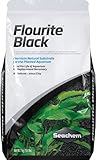
- GRAVEL: Seachem Flourite Black is a specially fracted stable porous clay gravel for the natural planted aquarium. Its appearance is best suited to planted aquaria, but may be used in any freshwater aquarium environment.
- AQUARIUM BED: Gravel modifiers such as laterite are not necessary when using Seachem Flourite Black as this product is most effective when used alone as an integral substrate bed, but it may be mixed with other gravels.
- SET-UP: When adding water to the aquarium, fill slowly to avoid disturbing Flourite Black substrate bed. Place a bowl in the aquarium and add water directly to the bowl, allowing water to overflow softly on to the gravel bed. Initial cloudiness is normal, but to remove this simply use mechanical filtration
- COMPATIBLE: Flourite Black substrates will work fine with an under gravel filter and will not soften or decompose to an unsuitable state within your tank.Flourite substrates will work fine with an UGF
- SAFETY: Seachem Flourite Black is not chemically coated or treated, thus does not alter the pH of the water. Flourite Black is beneficial for the life of the aquarium and need not be replaced.
Rank #4

- Helps simulate a positive, natural environment
- Promotes the growth of healthy bacteria which breaks down waste
- Reduces the amount of unhealthy debris in the water
- Made of non-toxic, fish-safe materials and colors
- Already stable water parameters: favor a product explicitly described as neutral or pH-neutral.
- Soft-water planted design: consider active soil, but plan for regular testing and the possibility that buffering capacity will change.
- Marine aquariums: sera lists Gravel Black for marine use; verify the exact product and confirm that its chemistry is compatible with your saltwater system.
- Sensitive bottom dwellers: prioritize verified rounded edges and an appropriate grain over color or marketing names.
A practical buying checklist
- Is the product gravel, porous clay or active soil?
- Does the manufacturer state that it is water-neutral or pH-neutral?
- What grain size is specified, and are the edges described as rounded?
- Is the product intended for freshwater, marine aquariums or both?
- Does it require rinsing, despite being sold as prewashed?
- Will its chemistry suit the pH, hardness and species you plan to keep?
- Can you obtain the same regional product specification shown on the package?
Bottom line by aquarium type
| Your priority | Most defensible documented starting point | Why |
|---|---|---|
| Water-neutral black gravel for a general display | sera Gravel Black | sera states that it is neutral toward water and lists a 2–3 mm grain |
| Planted tank with no intentional pH shift | Seachem Flourite Black | Stable untreated porous clay; Seachem says it will not alter pH and can be used alone |
| Rounded, finer freshwater quartz | Dennerle Aquarium Gravel Diamond Black | 1–2 mm quartz with manufacturer-described rounded edges |
| Planted tank designed around active soil | OASE ScaperSoil | Active 1.5–3 mm soil that changes water values and supplies nutrient storage |
Product prices and availability are accurate as of the date/time indicated and are subject to change. Any price and availability information displayed on Amazon at the time of purchase will apply.




