Feed an orphaned calf first with adequate, clean colostrum, then with a consistent milk or milk-replacer program while its rumen develops. Aim for at least 4 litres of good-quality colostrum in the first 12 hours—ideally beginning within 1–2 hours—and obtain veterinary help immediately if the calf will not suck, is dehydrated, or is weak.
The first day: colostrum is the priority
Newborn calves need colostrum for energy and antibodies. Ontario guidance calls for at least 4 L of good-quality colostrum within 12 hours, with the first feeding ideally in the first 1–2 hours. The National Farm Animal Care Council’s 2023 Dairy Code says the first feeding should be as soon as possible and no later than six hours after birth. Do not wait to see whether a calf nurses if there is evidence it has not done so.
Give colostrum by bottle when the calf can suck
Use a clean nipple bottle and allow the calf to suck at its own pace. Use clean equipment and warm the colostrum to a comfortable feeding temperature; avoid overheating, which can damage its quality. Ontario’s plan uses 3-L meals of colostrum, transition milk, or a blend every 12 hours for three days. Follow your veterinarian’s direction if the calf was premature, chilled, ill, or has an uncertain birth time.
If the calf has no suck reflex
Tube feeding is not a routine substitute for bottle feeding. It should be performed only by someone trained to place an esophageal feeder correctly, with veterinary input when necessary. A calf that cannot suck may be severely weak, chilled, dehydrated, or sick; forcing liquid into the airway can be fatal.
Recommended Free Tools
#1 Best Overall
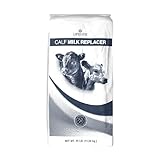
- 20:20 Milk Replacer for Calves: Balanced with 20% protein and 20% fat to fuel steady growth, healthy weight gain, and vitality in young calves.
- Free from Additives: Made without artificial ingredients, formulated for clean-label and restricted-use protocols.
- Complete Calf Nutrition: Delivers essential nutrients including amino acids, vitamins, and trace minerals to support immunity, bone development, and digestive health.
- Uniform Growth and Daily Consistency: Ensures reliable performance across feedings - supporting both small-scale calf care and large herds.
- Fast-Mix Powder: Dissolves smoothly in warm water with a whisk in under 60 seconds. No clumps, no mess - ideal for quick feeding.
What to use when maternal colostrum is unavailable
Use a commercial bovine colostrum replacer, not ordinary milk, when clean maternal colostrum cannot be obtained. A replacer must supply antibodies, measured as immunoglobulin G (IgG). University of New Hampshire Extension (2021) advises choosing a product that provides more than 100 g of IgG per dose. Products differ: Maryland Extension gives an example in which a 100-g-IgG product requires two doses to reach a recommended 150-g IgG first feeding.
Read the package directions for the exact number of pouches, water volume, mixing temperature, and feeding schedule. Compare products by verified IgG grams per dose, disease-control and sourcing claims, mixing instructions, and the amount required for the first feeding. Do not assume that one pouch equals one complete first meal.
Rank #2

- MILK REPLACER WITH PROBIOTICS: Suitable for up to 9 young animal species including puppies, kittens, calves, lambs, goats, foals, piglets, llamas, and crias; providing probiotics and balanced nutrition to support healthy growth and development.
- MADE WITH PROTEIN AND FAT: Contains 24% protein and 24% fat; supporting fast, healthy growth, strong muscle development, and overall vitality for young animals during critical early stages of life.
- ALL MILK FORMULA WITH PROBIOTICS: Made with high-quality all-milk protein; supporting healthy growth, proper development, and overall performance for young animals during critical early stages of life.
- SUPPORTS HEALTHY DIGESTION FOR YOUNG ANIMALS: Powered by Opti-Gut probiotics; promoting gut health, nutrient absorption, and digestive balance to support overall growth, vitality, and wellbeing for young animals.
- EASY TO MIX FORMULA: Designed for quick and convenient preparation; ensuring fast mixing, effortless feeding, and optimal consumption so young animals receive balanced nutrition efficiently for healthy growth and development.
Transition after colostrum
Keep the calf on colostrum, transition milk, or a blend for about three days unless your veterinarian gives a different plan. After that, switch to one consistent milk source: whole milk or a calf milk replacer. Consistency matters more than changing between available liquids from meal to meal.
Milk replacer specifications
South Dakota State University Extension (updated 2022) recommends a replacer with at least 15% fat and 22% protein for orphaned calves. University of New Hampshire Extension describes commonly used products as approximately 20–28% crude protein and 10–22% fat, so labels vary considerably. Choose a product designed for calves, check digestibility and preparation consistency, and follow its label rather than substituting another product’s scoop or water ratio.
What’s actually slowing this PC down?
Pick the symptom - the matching free tool is one click away.
Rank #3

- 22:20 Milk Replacer for Calves: Delivers 22% protein and 20% fat to promote daily weight gain, energy, and strong frame development in calves from day one.
- Enhanced with LifePulse Herbal Blend: Natural plant extracts calves love, plus plasma, oregano, and essential oils to support immunity, improve digestion, and defend against respiratory challenges.
- Immune and Digestive Boosters: Plasma promotes gut health and resilience, while oregano provides natural protective properties that support growth and stress recovery.
- Formulated for Transition Periods: Ideal for bridging the gap between colostrum and starter feed, reducing nutritional setbacks during vulnerable early life stages.
- Fast-Mix Powder: Dissolves smoothly in warm water with a whisk in under 60 seconds. No clumps, no mess - ideal for quick feeding.
How much milk to provide
After the first day, a practical target from Cornell Extension is 10–12% of the calf’s body weight in milk per day. For example, a 40-kg calf would receive approximately 4–4.8 L over the day before adjustments. The correct volume and number of meals depend on breed, weight, weather, growth goals, the product label, and illness; have a veterinarian or experienced calf manager adapt the plan. Do not abruptly increase volume in response to a missed meal.
Mixing and feeding safely
- Measure accurately. Weigh powder when possible and use the manufacturer’s water-to-powder ratio. Too much powder can upset digestion; too little reduces nutrient intake.
- Use warm water. South Dakota State University Extension recommends feeding mixed replacer at 101–105°F. Warm water is especially useful for mixing higher-fat products.
- Mix immediately before feeding. University of New Hampshire Extension warns that prepared replacer can congeal and support rapid bacterial growth. Do not leave mixed milk sitting out.
- Feed with clean equipment. Keep the bottle and nipple positioned so the calf can suck normally rather than gulping. Never force a bottle into a calf that cannot swallow.
- Wash after every meal. Rinse, wash, and sanitize bottles, nipples, buckets, measuring tools, and mixing containers after each use, then allow them to dry. Biofilm and old milk can quickly multiply bacteria.
Bottle, tube, whole milk, or replacer?
| Choice | Use when | Main controls and risks |
|---|---|---|
| Nipple bottle | The calf is alert and has a reliable suck reflex. | Best control over voluntary drinking; requires clean equipment and correct nipple flow. |
| Esophageal tube | A trained person determines it is appropriate, usually with veterinary guidance. | Incorrect placement can deliver liquid to the lungs; do not improvise tube feeding for a sick, non-drinking calf. |
| Whole milk | A clean, dependable supply is available and storage is safe. | Availability, pathogen contamination, medication residues, and inconsistent composition must be controlled. |
| Milk replacer | A measured, repeatable milk source is needed. | Protein, fat, digestibility, mixing accuracy, water quality, and preparation hygiene determine results. |
Water and solid feed as the rumen develops
Offer fresh, clean water in addition to milk once the calf is established on its milk program. Introduce small amounts of a palatable calf starter as it begins to explore solid feed. The Northern Territory guide allows hay and calf pellets from around one week, while other programs emphasize starter first; use feed appropriate to your region and management system.
Rank #4

- FORMULATED WITH EASILY DIGESTIBLE ALL MILK PROTEINS - Supports optimal growth and performance in calves. A high protein formula helps provide the necessary energy young calves need to thrive.
- SUPPORT FOR NEWBORN CALVES, BEGINNING AT BIRTH - Contains prebiotics to help support digestive health. Added vitamins and minerals help support immune health, setting the stage for a strong start at life.
- HIGHLY PALATABLE - Specifically formulated with a proprietary blend of herbs and natural flavors to encourage feed intake in newborn calves to ensure they receive proper nutrition.
- DEPENDABLE NUTRITION - Easy to mix powder—non-medicated for flexibility of feeding rates.
Milk should continue until the rumen is functioning and the calf is eating enough solid feed to maintain growth without it. One government guide gives approximately 10–12 weeks as a typical milk period, but weaning should be based on solid-feed intake and health rather than age alone. Make any reduction in milk gradual and follow a veterinarian’s or calf specialist’s protocol.
Independent reader supportYour contribution helps us test, update, and keep practical guides available for everyone.Daily checks and emergency warning signs
Check the calf before every feeding and note appetite, alertness, manure, breathing, hydration, and ability to stand. Contact a veterinarian promptly for:
The Tool Desk
Outbyte PC Repair FREERepair Windows errors before they cause bigger problemsFix Now →Outbyte Driver Updater FREEScan for outdated or missing drivers - takes under a minuteDriver Scan →Best Value

- MULTI-SPECIES PERFORMANCE FORMULA: Manna Pro Calf-Manna is designed to support a wide range of animals including cattle, goats, swine, poultry, rabbits, horses, and deer with essential nutrients and energy.
- SUPPORTS GROWTH & WEIGHT GAIN: High-quality protein, vitamins, and energy-dense ingredients help improve animal development, appetite, and performance in both young and mature animals.
- IDEAL FOR LIVESTOCK & BACKYARD ANIMALS: Whether feeding beef cattle, dairy cows, chickens, goats, rabbits, or swine, Calf-Manna boosts nutritional intake and encourages steady growth.
- ENHANCES FEED EFFICIENCY & DIGESTION: Improves how well animals utilize their regular feed, making it a smart choice for boosting recovery and maintaining health during stress or transition.
- HIGHLY PALATABLE & EASY TO FEED: Calf-Manna’s delicious formula keeps animals coming back for more—perfect for chickens, goats, cattle, and other multi-species livestock.
- Diarrhea, especially with sunken eyes, tacky gums, or other dehydration signs
- Weakness, inability to stand, depression, or refusal to suck
- An abnormal body temperature or a calf that remains cold despite warming
- Coughing, labored breathing, nasal discharge, or milk coming from the nose
- A swollen, painful, or foul-smelling navel
Do not give milk by tube to a sick calf that will not drink unless a trained professional has assessed it and directs the procedure. The NFACC Dairy Code identifies this situation as carrying serious risk.
Quick Recap
A practical feeding checklist
- Record the calf’s birth time, weight, colostrum source, volume, and feeding times.
- Confirm that the first colostrum feeding began promptly and that the total reached at least 4 L within 12 hours.
- Use a nipple bottle whenever the calf can suck; reserve tubing for trained operators.
- Continue colostrum or transition milk for about three days, then select one consistent milk source.
- Check replacer protein and fat percentages and follow that product’s mixing directions.
- Feed mixed replacer at 101–105°F and prepare it immediately before each meal.
- Wash and sanitize every feeding utensil after every use.
- Provide fresh water and introduce calf starter as the calf begins consuming solids.
- Seek veterinary help for dehydration, diarrhea, weakness, abnormal temperature, respiratory signs, or a navel problem.




