The Tool Desk
Outbyte Driver Updater FREEFix the driver behind crashes, sound loss and screen glitchesFind Drivers →Outbyte PC Repair FREEClear out junk files and repair common Windows errorsFree Scan →If your older dog is slower to stand, reluctant to climb stairs, or unsteady on walks, don’t assume it is simply old age. Osteoarthritis is one common cause, but other joint, nerve, muscle, or whole-body health problems can look similar. A veterinary assessment can identify likely causes and guide a plan that may combine pain care, appropriate movement, and practical changes at home.
Why a senior dog’s mobility can change
Osteoarthritis (OA) is a progressive joint disease that can cause pain and make movement harder. Age is one risk factor; excess weight, breed disposition, previous joint injury, and activity history can also contribute. But stiffness or a change in gait does not prove that a dog has arthritis. Other musculoskeletal or neurologic conditions—and illnesses affecting organs or overall function—may also alter how a dog moves. The Merck Veterinary Manual’s overview of osteoarthritis and the 2023 AAHA Senior Care Guidelines both treat aging as a reason for attentive care, not as a diagnosis. As the guideline puts it, “old age is not a disease.”
Mobility changes worth noting include difficulty rising, a shorter or altered stride, reluctance to jump or use stairs, less play, trouble getting into a toileting position, or a change in usual behavior. Share when the change began and whether it varies with activity or over time. These details help the veterinarian assess the problem rather than guess from age alone.
How a veterinarian investigates mobility loss
A useful assessment starts with the dog’s history and a physical examination. The veterinarian may assess joints, limbs, muscles, spine, and neck, while also considering other signs of illness and the dog’s current medicines and supplements. Depending on the findings, laboratory tests or imaging may be appropriate. Senior-pet guidance from AAHA describes history, examination, and diagnostic tools as parts of establishing a diagnosis and care plan (Evaluating the Healthy Senior Pet; Evaluating the Unhealthy Senior Pet).
Quick wins for a faster PC:
Clear out junk files and repair common Windows errorsFree Scan →Scan for outdated or missing drivers - takes under a minuteDriver Scan →Repair Windows errors before they cause bigger problemsFix Now →#1 Best Overall

- Harness Object: The Rear Legs support Harness is designed to help your elderly, disabled, or injured dog, who are unable to navigate the stairs, has a difficult time getting up and down, needs help walking and at any risk of falling
- Lifesaver: The dog carrying harness can pick up the rear end of your fur friend,prevent hip pain and injury caused by aging, support them getting in and out of the car,up and down the steps,help them get up from lying down,stabilize both the gait and spine
- Postoperative Rehabilitation : This Hip lifter is a helpful rehabilitation strap to help your furry pug who are post-op surgery of knee,CCL (ACL),TPLO,hip replacement and so on.They all have some trouble with the their back legs
- Soft Durable : Inside contains synthetic fleece material,the dog mobility harness is very fluffy and comfortable for your dog to wear,won't chafe your pups underbelly. The belly sling carrier outer cove with oxford fabric, it is sturdy for large dog
- Easy to Use:The concept of the portable dog lift support harness is great with the padded handles,so its cushion works great for all dog owners can give your dog a assist lifting with easy.The dog body hoist is washable and easy to carry or storage with drawstring bag when not use it
Short videos can make the history more useful: record your dog walking, rising, or attempting a routine movement at home, where the difficulty may be easier to see. Ask the clinic whether it would like a particular view or activity recorded. Arrange an assessment if the change persists or worsens; do not wait for a home aid or supplement to establish what is causing it.
What may help once the cause is understood
There is no single remedy that suits every dog. When OA is involved, care commonly combines pain management, weight optimization when needed, and regular controlled exercise. Rehabilitation and home adjustments may add support. These approaches serve different purposes and are not interchangeable.
Rank #2
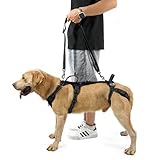
- Veterinary Recommendations - Patented product developed through in-depth communication between our team and veterinarians. Specifically designed for dogs with hip dysplasia, arthritis, anterior cruciate ligament injury, intervertebral disc disease (IVDD), hip problems, unstable standing, and those in need of rehabilitation. It provides assistance in daily life, such as helping dogs climb up and down stairs, use the bathroom, and get in and out of cars.
- Easy to Use - You can put this lift harness on your dog in just 1 minute. The wearing steps are simple and easy to understand, no complicated operations required, so even first-time users can get the hang of it quickly.
- Bathroom Assistance - When your dog needs to defecate or urinate, this support sling provides stable support for the dog's rear legs, allowing the dog to use the bathroom without taking off the harness. Meanwhile, it also provides dual support for both the front and rear legs of the dog, making it easier for the dog to use the bathroom.
- Reflective Material - All the straps of the harness are equipped with reflective strips. In low-light environments or at night, they can effectively improve the visibility of the dog, making the dog's night activities safer and reducing the risk of accidents.
- 24-Hour Wearable - Made of skin-friendly material, it is lightweight, soft and breathable, which won't cause discomfort to the dog. It can be washed with water and dried, making daily cleaning and maintenance convenient, and suitable for the dog to wear all day long.
| Approach | What it may contribute | How the choice is guided |
|---|---|---|
| Veterinary pain care | Addresses pain that can limit comfortable movement. | The veterinarian selects treatment, checks whether it is suitable for the dog, and sets any needed monitoring. Merck describes nonsteroidal anti-inflammatory drugs, including EP4 receptor antagonists, as the most predictably effective treatment for canine OA; that does not establish a safe drug or dose for an individual dog. |
| Weight optimization | Can reduce excess load and support function in an overweight dog with OA. | Set a nutrition and weight plan with the veterinary team, considering body condition and muscle condition. Merck reports that even very modest weight loss can benefit function in overweight dogs with OA. |
| Controlled exercise and rehabilitation | Supports movement, strength, and, with rehabilitation, mobility and balance. | Choose activity for the diagnosis, pain, and fitness level with a veterinarian or rehabilitation professional. AAHA describes rehabilitation as an option within pain management. |
| Home adaptations | Can make common routes or transfers easier and safer. | Match ramps, traction aids, or a fitted support harness to the dog’s size, ability, and home layout. These are aids, not treatment for the underlying cause. |
Pain care belongs with the veterinarian
Medication decisions depend on a dog’s health, other medicines, and the suspected cause of pain. Ask the veterinarian what treatment is appropriate, whether screening or monitoring is needed, and what changes to watch for. Do not give human pain medicine unless a veterinarian specifically directs you to do so; this article cannot provide a drug choice or dose for your dog.
Weight and movement need an individual plan
If a dog with OA is overweight, weight optimization can support function. Nutrition should be tailored rather than based on a generic rule that every older dog needs a particular diet. AAHA’s 2021 Nutrition and Weight Management Guidelines recommend regular nutritional assessment, ideally at each examination.
PC Slower Than It Used to Be?
A free scan shows the junk files, broken settings and background clutter dragging Windows down - then fixes them in one click.Free scan · Windows 10 & 11Outdated Drivers Are Slowing You Down
One free scan finds every outdated or missing driver and matches the right update for your exact hardware.Free scan · exact hardware matchRank #3
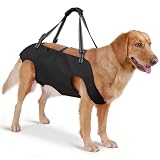
- Find Your Proper Fit: For Size M, the front and rear leg distance is 9″. Please measure your dog’s armpit-to-groin length for an accurate fit. Chest girth and weight are for reference. If your medium sized dog’s measurement is between two sizes, size down
- Assistance for Mobility-Limited Dogs: This dog sling is ideal for senior, disabled, joint-injured or blind dogs with limited strength and difficulty walking on their own. It provides gentle support to help your dog move and get around more easily
- Full-Body Movement Support: Providing full-body support for the chest, front and back legs, this dog vest harness assists with walking, stairs, car access, and hiking. Grooming, vet visits and post-injury recovery are also supported by this helpful slings
- Male-Friendly Relief Design: Specially designed with a dedicated opening so male dogs can urinate without removing the harness. For female dogs, unfasten the back fabric or straps temporarily when relieving themselves to avoid urine contamination
- Sturdy Material for Safe Lifting: This dog sling carrier features Oxford fabric and breathable mesh inner lining. Reinforced stitching helps provide secure lifting. For maximum control, always hold your dog steadily and maintain balance before lifting
Regular, controlled movement is generally part of OA care: too little activity can contribute to loss of strength, while strenuous activity may not suit a painful or unfit dog. Ask the veterinarian or a rehabilitation professional what kind, duration, and pace of movement fit your dog. Do not use a generic exercise schedule as a substitute for that advice.
Home changes can make routine movement easier
AAHA’s Pain Management guidance names ramps, rugs or yoga mats for better footing, padded fitted harnesses for assisting larger pets, and suitable beds as possible adaptations. Practical choices depend on how your dog moves and the layout of your home:
Rank #4

- SUPPORT HIP SLING- Loobani lift sling is a simple and effective solution for mobility especially for elderly dogs, weak hind legs, orthopedic injuries, hip dysplasia, Arthritis pain, ACL / CCL surgery or other debilitating ailments
- MAKE MOBILITY EASILY- Excellent to help your doggy stand up, up and down stairs, get in and out of vehicles, onto furniture, outside for a bathroom break, or to provide some assistance when taking a walk
- COMFORT & NO PAIN- Providing ultimate care to weak and senior dog through thickening design and soft lining with sheepskin-like covering. Moreover,the handle equipped with removable padding is perfect for protecting your hand for easy comfortable carry
- HEAVY DUTY STRAP- A reflective nylon band runs through the whole sturdy sling to hold the weight of any breed. Adjustable straps were long enough to fit a range of breeds. Even if your pooches are short or you're tall, this carrier work well for you
- EASY TO USE & CARRY- The sling does not get in the way when she needs to "go" and can be moved out of the way easily if needed. After using, just fold and put it into the portable gift bag. Machine washable
- Place a ramp securely and choose an incline your dog can manage; supervise its use.
- Use rugs or traction mats that lie flat so they do not bunch or slide underfoot.
- Choose a properly fitted support harness and use it without causing discomfort or lifting the dog unsafely.
- Keep food, water, bedding, and toileting routes accessible, and reduce avoidable jumping or slippery passages.
These adjustments may help with access or footing, but they do not diagnose or treat the condition causing the change in mobility.
Independent reader supportYour contribution helps us test, update, and keep practical guides available for everyone.What to know about supplements
Evidence for one supplement should not be generalized to all joint products. Merck reports that EPA supplementation or EPA-rich diets have demonstrated improved gait and mobility and an NSAID-sparing effect in dogs with OA. That evidence does not establish the same effects for glucosamine, turmeric, CBD, or every product marketed for joints, and it is not a reason to start a supplement without advice.
Recommended Free Tools
Best Value

- User-friendly Design with Double Ring Fixation: The dog hind leg support belt features crotch opening and leg loop design, increased anchoring at the neck from the bottom up, and adjustable sections to better provide a secure and comfortable fit. Ensure your dog's comfort and safety during walks and climbs while making it easy for owners to use
- Comfortable & Breathable & Durable Materials: SUPET dog back leg sling takes dog's physiology into consideration and utilizes breathable materials to ensure your dog's comfort. Strong and durable material provides you with strong lifting support, and the sponge handle prevents hand pain caused by prolonged use
- Easy To Use: Supet dog carrier comes with double hook and loop straps that are secured using Velcro and safety buckles, and provides adjustable plastic snaps for easy on and off, suitable for dogs of different sizes. Adjustable straps on both sides for lifting and pulling, suitable for owners of different heights and various scenarios. The connecting rope from the abdomen to the neck makes the stress point become the cervical vertebrae instead of the throat, which improves the comfort
- Multi-scenario Use: Provides daily mobility and potty time assistance for aging dogs. Post surgery support and rehabilitation aid for injured dogs. Ideal for daily walking, stairs, car rides and other outdoor exercises for dogs. Rejuvenate your dog
- Choose The Right Size: Please measure your dog's hip and leg size, as well as the wearable neck size, and refer to the size chart to choose the most suitable size. If you have any questions, please feel free to contact us, we will be happy to serve you
AAHA warns that nutraceuticals and herbal products can raise concerns about purity, potency, toxicity, and interactions with medicines. Its pain guidance places non-omega-3 nutritional supplements in a low tier because evidence does not support an analgesic effect for them. Tell the veterinarian everything your dog takes—including supplements—and discuss any proposed diet change or product before starting it. “Natural” does not mean risk-free.
Quick Recap
Product prices and availability are accurate as of the date/time indicated and are subject to change. Any price and availability information displayed on Amazon at the time of purchase will apply.




