Angora goats can thrive when their care is planned around forage, dry shelter, routine health work, and regular shearing. Their fleece—mohair—needs to be harvested and protected from matting, while the goats themselves are more vulnerable to cold rain after shearing than their woolly appearance suggests. Before starting a herd, check that you have suitable fencing, reliable veterinary and shearing help, and a realistic local market for the fleece.
What makes Angora goats different?
Angora goats produce mohair: a lustrous fleece distinct from Angora fiber, which comes from rabbits, and cashmere, which comes from other goat types. Their fleece is the product, but it also shapes daily management. Mohair does not contain the lanolin found in sheep’s wool, so Angoras are less waterproof than sheep and need dependable protection from wet and cold conditions. UMass Extension and the American Angora Goat Breeders’ Association explain the fiber distinction and breed characteristics.
Set up land, fencing, and shelter
Choose browse as well as pasture
Angoras graze and browse. Pasture that includes grasses, weeds, and shrubs can better match their feeding behavior than grass alone. Goats may browse hedges and young trees, however, so protect plantings you want to keep and rotate or manage access to avoid overuse.
Build secure, well-maintained fencing
Use sturdy livestock fencing suited to your terrain, herd, and local predator risks, and inspect it regularly. The British Angora Goat Society describes stock netting with smaller mesh near the ground and a post-and-rail frame as one possible arrangement; it is an example, not a universal specification. Its guide warns against electric netting. Check local requirements and get advice from experienced goat keepers when choosing a design. British Angora Goat Society management guidance
The Tool Desk
Outbyte Driver Updater FREEScan for outdated or missing drivers - takes under a minuteDriver Scan →Outbyte PC Repair FREERepair Windows errors before they cause bigger problemsFix Now →#1 Best Overall

- 🐏【Powerful Motor】Dragro electric Sheep shears has a power of 600watts and provides up to 2400 strokes/min to improve efficiency, which makes your job of shearing sheep, goats, alpaca, llamas and angora rabbits to become more easily!
- 🐏【6-SPEED ADJUSTABLE】Low speed (1-3) offers precision performance to clip sensitive areas while high speed (4-6) delivers maximum power for faster trims and full body shave down. Whether you are a beginner or professional, the 6 speeds control help you finish the task quickly and easily.
- 🐑【PROFESSIONAL SHEARS】This professional electric sheep clipper has a blade with high hardness and high heat resistance. the blade tension rotatable button for easy and quick shearing. long lasting use not harm the animal. suitable for sheep, goats, llamas, alpacas. We do not recommend using it on cats and puppies.
- 🐑【SAVE TIME】 Can cut 6-10 sheep in one hour, suitable for family farming or pasture farming. Labor-saving, the grip structure of the scissors is humanized, and the long-term shearing of the hand will not be fatigued.
- 🐑【NOTE】 -When using electric wool shears, remember to lubricate the blades. Remember that the livestock clippers cannot run at idle to prevent the blade from overheating . Please use the cooling spray every few minutes, take short breaks during shearing, clean the blade in time . Please read the operating instructions carefully before use.
Keep shelter dry and available
Provide access to shelter from wind, rain, and cold throughout the year. This is especially important immediately after shearing, when goats lose the insulation of their fleece. Keep resting areas and approaches as dry as practical: persistent mud can contribute to foot-health problems. The amount of protection needed depends on local weather, housing, and the timing of shearing.
Feed for the goat’s stage and condition
Start with a forage-first, high-fiber diet and clean water available at all times. The British society’s guidance includes good pasture, hay and straw access, and salt licks; it also describes seasonal concentrate supplementation, particularly for young stock and breeding animals. These are broad husbandry pointers, not a fixed ration: forage quality, climate, growth, pregnancy, and lactation all affect needs. Ask a local veterinarian or livestock nutrition professional to help tailor feeding when forage is limited or an animal’s condition changes. The British Angora Goat Society and American Angora Goat Breeders’ Association provide breed-oriented feeding context.
Rank #2
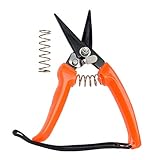
- Multi-Purpose hoof trimmers do the daily trimming jobs for goats, sheep, lamb, alpaca nail hooves etc
- Also, it is sharp enough used by gardener, farmer and florist, for the most gardening applications such as floral pruning, small shrub trimming, fruit harvesting etc
- User-friendly curved handle with stop-falling wrist strap, and upgrade switch lock, switch safer and easier to operate
- Rustproof carbon steel blade, half serrated blade, prevent slippage during cutting
- Stronger spring loaded, do the cut job more effectively, 8-inch long, perfect size for most job and come with a spare spring
Plan shearing and fleece care
Angoras need regular shearing. The British society estimates fleece growth at about 2 cm per month and describes shearing when fleece reaches roughly 12–15 cm, typically twice a year. It also says timing depends on purpose and breeding plans; climate and available shelter matter too, as UMass Extension’s shearing guidance notes. Treat those intervals as planning guidance rather than a rigid calendar for every herd.
Arrange an experienced shearer before fleece becomes difficult to handle. If learning to shear, get hands-on instruction from a qualified shearer or experienced local producer; a written overview is not a substitute for practical training. Around shearing, pay close attention to weather, shelter, and feed, particularly for animals exposed to cold or wet conditions. Clean, dry fleece and careful handling help preserve its value.
Rank #3

- 2025 UPGRADED SHEEP SHEARS: Equipped with a robust 500W motor and an impressive speed of 2,500 RPM, It includes low speed (1-3), and high speed (4-6) for different part of sheep. Our sheep shears come with high-quality original blades with high hardness, high heat resistance. The dvanced configuration help you finish the tast quickly.
- Razor-Sharp Blades & Superior Heat Dissipation: This sheep clippers features high-quality, adjustable blades with a precision knob to tailor cutting depth for varying hair thickness—ensuring fast, clean cuts every time. Its advanced cooling system prevents overheating, enabling extended high-performance use without downtime.
- Heavy-Duty Cutting for Thick Fleece Designed for professional-grade workloads, these livestock clippers effortlessly handle dense wool and prolonged use. The reinforced blade system resists jamming, even with matted or coarse fleece, saving time and reducing hand fatigue. Suitable for sheep, goats, llamas, alpacas, large thick hair dogs and other thick coats animals. (Do not use on small dogs.)
- Ergonomic & Anti-Slip Design Sheep shears clippers can cut 6-10 sheep in one hour. Features a shock-absorbing grip and balanced weight distribution to minimize strain during long shearing sessions. The non-slip handle ensures control and safety, even in wet or oily conditions.
- NOTE: When using electric sheep shearing clippers, remember to lubricate the blades. Please use the cooling spray every few minutes, take short breaks during shearing, and don't run idle to prevent the blade from overheating.
Build a routine health plan
Health needs vary with location, pasture, weather, and local disease risks. Establish a relationship with a veterinarian who works with goats and agree on a herd-health plan rather than applying a generic treatment calendar.
- Hooves: Check feet regularly and trim when needed. The British society suggests trimming about every 6–8 weeks, but individual growth and conditions vary.
- Vaccination: Discuss a locally appropriate vaccination schedule, including clostridial diseases where relevant, with your veterinarian.
- Parasites: Monitor animals and grazing conditions. The British society identifies fecal egg counts as a useful monitoring tool and recommends developing a worming strategy with a veterinarian; drug choice and dose must follow veterinary advice and local regulations.
- Kids and external parasites: Ask about coccidiosis risk in young goats and watch for signs of lice or mites.
- Everyday observation: Notice changes in appetite, movement, fleece, or behavior and seek veterinary advice when an animal appears unwell.
UF/IFAS Extension’s beginner guide also advises working with veterinarians and extension professionals on herd health suited to the producer’s location.
Rank #4

- Versatile Hoof Care Tool: Designed for goats, sheep, alpacas, lambs, mini pigs and donkeys to support easier, more controlled routine hoof trimming; works as livestock hoof trimmers, pig hoof trimmers and goat feet trimmers
- Heat-Treated High Carbon Steel: Sharp, durable blades help deliver clean cuts, strong edge retention and dependable regular trimming performance; a practical goat hoof trimmer kit, goat hoof clippers, hoof clippers for goats and hoof shears
- Spring-Loaded for Less Hand Strain: Smooth spring action reopens the shears automatically to help reduce fatigue during longer trimming sessions; useful pruning shears and gardening shears for a gardener, farmer or florist
- Comfortable Non-Slip Grip: Ergonomic handles provide a secure hold for better control and more confident trimming during repeated use; also works as plant pruning shears for gardening applications, floral pruning and small shrub trimming
- Protective Sheath Included: Blade cover supports more secure handling, helps protect the cutting edge and allows safer storage between uses; also serves as floral shears, floral snips and garden scissors for fruit harvesting, flowers and soft plant stems
Plan breeding and kidding carefully
The British society describes Angoras as seasonal breeders, with bucks introduced in autumn and kids born the following spring after roughly 150 days of gestation. This is general guidance from a UK breed society, not a guarantee for every climate or breeding line. Before breeding, plan appropriate grouping, dry shelter for kidding, and nutrition suited to each doe’s condition and stage. Get local veterinary guidance on breeding management and kid care. British Angora Goat Society management guidance
Independent reader supportYour contribution helps us test, update, and keep practical guides available for everyone.Select animals for your goals
When choosing fiber animals, examine fleece length, density, fineness, uniformity, luster, and staple character, along with health and overall suitability for your management conditions. The British society’s breed standard says length, density, and fineness are especially important to fleece value. Its ideal mean fiber-diameter targets are under 31 microns for 18-month does, under 33 microns for 18-month bucks, and under 27 microns for kid fleece. These are that society’s selection targets—not guaranteed results or universal commercial cutoffs—and maturity and nutrition affect measurements. Read the British Angora Goat Society breed standard.
Crashes, No Sound, or Screen Glitches?
Random freezes, missing sound and display glitches usually trace back to one bad driver. Find and replace yours safely.Free scan · under a minuteWindows Errors? Fix Them Before They Spread
Repair common Windows errors and clear accumulated junk for a smoother, more stable PC - no reinstall needed.Free scan · no reinstallBest Value
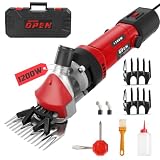
- 2X Faster Than 380W: Effectively handle thick wool and matted fur with sheep shears featuring a 1200W High-efficiency motors (3200 RPM) – 10X Faster Than Manual. Built for heavy duty livestock clippers tasks on thick farm coats, Shear 5-10 sheep/hour efficiently, ideal for farms grooming.
- Sharper Quieter Longer: Hardened high-carbon steel Blade cut over 50+ sheep without dulling, Y-lock mechanism helps secure sheep shearing clippers for thick wool work. Built-in cooling vents with filters prevent clogging and reduce operating temperatures to extend motor life, while 85dB quiet sheep clippers ensures livestock calmer and less likely to interfere with trimming.
- 6-Speed Adjustable Gears: start at a slow (1-3) for precision on sensitive areas like legs and necks, then ramp up (4-6) for full-body trimming. Ergonomically designed to reduce hand fatigue during shearing. electric sheep shears are Ideal for beginners and professionals alike
- Portable Farm Grooming Kit: Includes Shearing bladex1, Cleaning brushx1, Grooming toolx1, Upgraded Manual & Video Guide Access x1, Special Screwdriver x1, Carrying Case x1, oil bottle x1. A budget-friendly alternative to ready as sheep clippers for grooming alpacas/goats or livestock clippers for barns.
- Multi-Use Livestock Clippers: 16.4ft cord and Multi-Use design tackles sheep shears clippers jobs anywhere. Versatile for farm animals like sheep, goats, llamas, and alpacas for fine or bonded wool. (Note: This is a professional heavy-duty farm tool, large and powerful. NOT RECOMMENDED for shy pets or household pets).
Check feasibility before growing the herd
Do not assume a small flock will generate a dependable income. No current universal profitability figure is established by the available breed and production references. Costs and returns depend on fleece quality and quantity, feed, fencing, shelter, labor, veterinary care, and shearing, as well as whether a buyer or processor is accessible.
Before scaling up, confirm that you can arrange:
- Dry shelter, including extra protection after shearing.
- Suitable grazing and browse, feed supplies, and fencing.
- Goat-experienced veterinary support and skilled shearing.
- A practical route to sell or process mohair, such as a local hand-spinning market, cooperative, processor, or direct sales channel.
The British society says its members coordinate raw-mohair collection, grading, and sale to processors; that arrangement may not exist elsewhere. Texas A&M AgriLife provides Angora goat and mohair production references, but confirm current availability and edition if consulting its publications: Texas A&M AgriLife production resources.
Quick Recap
Product prices and availability are accurate as of the date/time indicated and are subject to change. Any price and availability information displayed on Amazon at the time of purchase will apply.




