Rhode Island Reds are a strong all-round choice for many backyard flocks: they are brown-egg-laying, dual-purpose birds described as relatively hardy and suitable for small flocks. But “ultimate” depends on your priorities. They may be a poor fit if you live in a hot climate, need reliably docile birds, or value peak egg output above other traits.
What makes a Rhode Island Red?
The Rhode Island Red is an American breed that originated in Massachusetts and Rhode Island. Oklahoma State University’s breed profile says the American Poultry Association recognized its single-comb variety in 1904 and its rose-comb variety in 1906. Both are known for brown eggs.
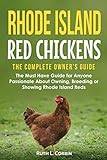

They are dual-purpose chickens, but that label needs context: University of Wisconsin Extension describes them as medium-heavy birds used more for egg production than meat. The same reference lists standard weights of 8½ pounds for cocks, 6½ pounds for hens, 7½ pounds for cockerels and 5½ pounds for pullets. Those are breed-standard weights, not a promise about every individual or production strain.
How many eggs do Rhode Island Reds lay?
Oklahoma State University gives an approximate range of 150–200 eggs per year for Rhode Island Reds. The publication year is not stated on the retrieved profile, and the figure is an estimate, not a guaranteed annual total. Output varies with the bird’s strain, age, health and management.
The Tool Desk
Outbyte Driver Updater FREEScan for outdated or missing drivers - takes under a minuteDriver Scan →Outbyte PC Repair FREEClear out junk files and repair common Windows errorsFree Scan →Small and Backyard Poultry Extension notes that commercial-type hens can produce more initially, while other breeds may lay for more years. A flock selected for immediate egg volume may therefore suit a different goal than one selected with a longer production horizon in mind. Health before and during lay also affects production.
How do strain and breeding history affect the choice?
“Rhode Island Red” can describe birds with different selection histories. The Livestock Conservancy reports that, since the 1940s, the breed has been selectively bred for more efficient egg production; some resulting lines became smaller, lighter in color and less broody. This helps explain why birds described as heritage Reds may differ from production-oriented birds.
Rank #2

- Premium Porcelain Construction - Crafted from high-quality ceramic material with a smooth, glossy glazed finish that resists chipping and fading for lasting beauty
- Classic 3-Inch Round Shape - Timeless circle design measures 3 inches in diameter, perfect for Christmas trees, wreaths, garland, or year-round decorative displays
- Vibrant, Permanent Printing - Features full-color artwork that's permanently sealed into the glaze, ensuring designs stay brilliant and won't peel, crack, or fade over time
- Ready to Hang - Comes complete with an attached ribbon hanger for effortless display right out of the package
- Versatile Decorative Piece - Ideal for holiday trees, window displays, gift embellishments, or as a standalone keepsake decoration in any room
Oklahoma State University says most Reds show broodiness, while noting that the trait has been partly eliminated in some of the best egg-production strains. If broodiness matters to your plans, ask about the particular line rather than assuming that every Red will behave alike.
Are Rhode Island Reds friendly and easy to handle?
Temperament varies. Oklahoma State University warns that some males may be quite aggressive, so it would be misleading to assume that every Rhode Island Red is calm or especially suitable around children. If a gentle temperament is important, ask the breeder about the source flock and observe the birds when possible.
Windows Errors? Fix Them Before They Spread
Repair common Windows errors and clear accumulated junk for a smoother, more stable PC - no reinstall needed.Free scan · no reinstallOutdated Drivers Are Slowing You Down
One free scan finds every outdated or missing driver and matches the right update for your exact hardware.Free scan · exact hardware matchRank #3

- Dimensions (in inches): 4.5 H x 5 W
- Made of strong, durable scratch-resistant metal
- Includes matching screws
- High gloss finish
- Easy to clean
Breed reputation is only one part of a practical decision. The individual bird, its strain and how it is managed all matter; the available breed information does not establish that every Red has the same disposition.
Are Rhode Island Reds cold hardy?
Mississippi State Extension describes Rhode Island Reds as fairly cold hardy, but also says they do not do well in heat. Cold tolerance is not immunity to weather-related problems, and it does not replace appropriate housing or routine health care. In a hot climate, weigh the heat limitation carefully and seek local poultry guidance on housing, shade and ventilation.
Rank #4

- Measures approx. 4.5"
- Chicken finger fun
- Great for party favors
What care does a backyard flock still require?
Choosing a breed does not make a flock low-maintenance. UConn Extension frames backyard poultry success around bird selection, housing, health management and biosecurity. Plan for those responsibilities alongside the breed decision.
- Housing: Provide a suitable coop and manage it for your local conditions.
- Health and biosecurity: Make a plan for routine health management and limiting disease risks.
- Daily essentials: Check that birds have reliable access to feed and water. Penn State Extension cautions that laying hens should not go without water for more than 12 hours, or egg production may drop or stop.
How do Rhode Island Reds compare with other flock choices?
The best comparison is against the priorities you actually have, not against a universal ranking. These trade-offs are drawn from the cited university and conservation references; they are not a claim that one type is best for every keeper.
Do these 3 things before closing this tab:
1Clear out junk files and repair common Windows errors2Fix the driver behind crashes, sound loss and screen glitches3Repair Windows errors before they cause bigger problems| Priority | What the references say about Rhode Island Reds | What to weigh when choosing |
|---|---|---|
| Brown eggs | Oklahoma State University identifies their eggs as brown. | If shell color is important, compare the colors offered by other breeds you are considering. |
| Egg output | Oklahoma State University estimates 150–200 eggs annually; individual results vary. | Commercial-type hens may produce more initially, while other breeds may lay for more years, according to Small and Backyard Poultry Extension. |
| Climate fit | Mississippi State Extension describes Reds as fairly cold hardy but not well suited to heat. | Consider your local climate and whether you can provide appropriate housing and heat-management measures. |
| Temperament | Oklahoma State University notes that some males may be quite aggressive. | If calm handling is a priority, ask about the specific birds and their source flock. |
| Meat and body size | University of Wisconsin Extension describes them as medium-heavy dual-purpose birds used more for eggs than meat. | Consider whether your goal is primarily eggs, meat, both, or an ornamental flock. |
| Care capacity | They remain backyard poultry and need housing, health management, biosecurity and reliable water. | Choose only if you can meet daily care needs regardless of breed reputation. |
Who should choose Rhode Island Reds?
They are worth considering if you want brown eggs from a dual-purpose breed, value a bird described as relatively hardy, and can accommodate the needs of a small flock. They are less compelling as an automatic choice for hot regions, for keepers who need predictable docility, or for those whose sole priority is the highest initial egg production.
Before acquiring birds, clarify whether you are buying heritage or production-oriented stock and ask what is known about the line’s egg production and temperament. Match that information to your climate, goals and capacity for daily care.
Quick Recap
Product prices and availability are accurate as of the date/time indicated and are subject to change. Any price and availability information displayed on Amazon at the time of purchase will apply.




