Do these 3 things before closing this tab:
1Clear out junk files and repair common Windows errors2Fix the driver behind crashes, sound loss and screen glitches3Repair Windows errors before they cause bigger problemsThe vitamins most worth evaluating in cattle diets are A, D, and E—but whether an animal needs extra depends on its production class, complete ration, forage condition, sunlight exposure, and management. Vitamin A and E deserve particular attention when cattle rely on dormant pasture or stored forage. Vitamin D is generally supported by sunlight, though confinement can change the picture. There is no single supplement dose that fits every herd.
Which vitamins matter most in cattle?
Vitamins A, D, and E are the main fat-soluble vitamins to assess in cattle diets. They have different sources and deficiency risks, so a supplement decision should start with the animals’ feed and conditions rather than a blanket product recommendation.
- Vitamin A supports vision, growth, reproduction, and epithelial tissues. Risk can rise when green forage is replaced by dormant pasture, hay, or other stored feed.
- Vitamin D supports normal bone development. Sunlight exposure helps cattle produce it, while limited exposure or indoor housing can increase concern.
- Vitamin E acts as an antioxidant. Fresh forage can supply it, but stored forage loses vitamin E over time. Its nutrition is connected with selenium status.
Rumen and intestinal microbes generally supply B-complex vitamins and vitamin K in sufficient quantities, so routine supplementation is not typical. Targeted B-vitamin use may be considered in particular disease or altered-fermentation situations, and some rumen-protected B vitamins are used for high-producing dairy cows; these specialized uses do not apply automatically to all cattle. Merck Veterinary Manual’s beef-cattle guidance and its dairy-cattle nutrition reference distinguish these considerations.
When should you pay particular attention to vitamins A and E?
Vitamin A: dormant pasture and stored forage
Plants provide carotene precursors that cattle convert to vitamin A; they do not supply retinol directly. Those precursor levels decline as forage becomes dormant or is harvested and stored. Beef cattle eating mostly dormant pasture, hay, or other harvested feed may therefore need dietary vitamin A, depending on the full ration. Cattle store vitamin A in the liver, so signs can appear only after a period of inadequate supply.
PC Slower Than It Used to Be?
A free scan shows the junk files, broken settings and background clutter dragging Windows down - then fixes them in one click.Free scan · Windows 10 & 11Outdated Drivers Are Slowing You Down
One free scan finds every outdated or missing driver and matches the right update for your exact hardware.Free scan · exact hardware match#1 Best Overall
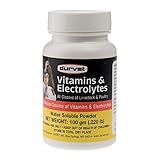
- Vitamins & Electrolytes. Dairy Feed Supplements And Health Aids
- Manufacturer: DURVET INC D
Possible deficiency signs described in beef-cattle guidance include night blindness, reduced growth or fertility, abnormal bone development, and reproductive or calf problems. An injection may be used as a short-term response to clinical deficiency, but longer-term correction depends on nutrition management and adequate dietary supply. Merck Veterinary Manual describes the deficiency context; Mississippi State University Extension discusses forage and supplementation considerations.
Vitamin E: fresh versus stored forage
Fresh forage can be a meaningful source of vitamin E, while its content declines during storage. White muscle disease in calves is a recognized deficiency concern. Vitamin E needs are not interpreted in isolation: selenium status, animal condition, and the broader ration all matter. The dairy reference also discusses associations between vitamin E status and some health outcomes in older cows; an association does not establish that supplementation alone will prevent those outcomes.
Rank #2
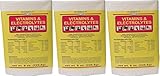
- 3 Pack Of DURVET Electrolytes, 8 oz Each
- 3 Packages each containing 8 oz. (24 oz. Total)
- Water soluble Premix of vitamins and electrolytes specifically formulated as a water or feed additive.
- Formulated as a water or feed additive for use when animals are subject to conditions of stress.
- One formula effective for both poultry and live- stock Supplies important needs when animals are off feed.
How does sunlight and housing affect vitamin D?
Cattle can produce vitamin D with sunlight exposure. Beef cattle kept outdoors with access to sunlight are less likely to be deficient; winter conditions, limited sunlight, and indoor housing can raise concern. Sun-cured forage and dietary supplementation are other possible sources. Inadequate vitamin D can impair bone development, with rickets and weak or brittle bones among the described signs.
Dairy guidance gives separate vitamin D recommendations for heifers, dry cows, and lactating cows. Do not substitute beef-cattle values for dairy cattle or treat sunlight exposure as the only factor: the actual ration and production stage still matter. Merck’s beef-cattle reference discusses sunlight and beef requirements, while its dairy-cattle reference lists dairy classes separately.
Rank #3

- 4 Lb. Trace Mineral Brick
- Contains 6 Core Micro-minerals Required For Animal Health
- Minerals Include Zinc, Manganese, Cobalt, Copper, Iodine and Iron
- For All Classes Of Breed and Dairy Cattle, Pigs and Horses
- Major Health Problems Can Arise Without This Product
Why beef and dairy vitamin values cannot be treated as interchangeable
The following are source-published nutrient recommendations, not supplement amounts to put directly on a feed tag or administer to an individual animal. Beef figures are NASEM 2016 values as adapted by Merck. Dairy figures are intake recommendations on the Merck dairy reference page, accessed in 2026. Units and classes are included because the values vary substantially by class and production stage.
| Reference and cattle class | Vitamin A | Vitamin D | Vitamin E |
|---|---|---|---|
| Beef: growing and finishing cattle | 46.2 IU/kg body weight or 2,200 IU/kg dry matter | 5.7 IU/kg body weight or 275 IU/kg dry matter, all classes | 0.7 IU/kg body weight or 35 IU/kg dry matter, all classes other than highly stressed newly received calves |
| Beef: pregnant females | 59.4 IU/kg body weight or 2,794 IU/kg dry matter | 5.7 IU/kg body weight or 275 IU/kg dry matter, all classes | 0.7 IU/kg body weight or 35 IU/kg dry matter, all classes other than highly stressed newly received calves |
| Beef: lactating females and breeding bulls | 83.6 IU/kg body weight or 3,894 IU/kg dry matter | 5.7 IU/kg body weight or 275 IU/kg dry matter, all classes | 0.7 IU/kg body weight or 35 IU/kg dry matter, all classes other than highly stressed newly received calves |
| Beef: highly stressed, newly received calves | Class-specific A value not stated in the cited summary | 5.7 IU/kg body weight or 275 IU/kg dry matter, all classes | 2.0 IU/kg body weight or 499 IU/kg dry matter |
| Dairy: adult lactating and dry cows | 110 IU/kg body weight (approximately 4,400 IU/kg dry diet) | Dry cows: 30 IU/kg body weight; lactating cows: 40 IU/kg body weight (approximately 1,100 IU/kg dry matter for lactating cows) | Heifers and lactating cows: 0.8 IU/kg body weight; dry-period values are listed separately below |
| Dairy: growing heifers | 80 IU/kg body weight (approximately 2,500 IU/kg dry diet) | 30 IU/kg body weight for heifers | 0.8 IU/kg body weight |
| Dairy: far-off dry period | Adult dry-cow value above | 30 IU/kg body weight for dry cows | 1.6 IU/kg body weight |
| Dairy: close-up dry period | Adult dry-cow value above | 30 IU/kg body weight for dry cows | 3.0 IU/kg body weight |
Beef values are adapted from Merck Veterinary Manual’s beef requirements summary; dairy values are from Merck Veterinary Manual’s dairy requirements page. The dairy source also describes serum vitamin D concentrations of 20–50 ng/mL as adequate, below 10 ng/mL as deficient, and above 300 ng/mL as potential toxicosis. These status figures are not a substitute for a veterinarian’s interpretation.
Rank #4

- Premium formula: Crafted with specialized blend of methylcobalamin B-12 and organic phosphorus, combined with essential oils to create a powerful appetite stimulant for show animals, improving feed consumption and overall performance.
- Easy application: Convenient liquid supplement with precise dosing - 2 oz daily for cattle and 1 oz for sheep, goats, and pigs. Simply apply directly to feed or administer as a drench for optimal results. Includes easy-to-use measuring cap.
- Quality ingredients: Formulated in liquid formula with premium soybean oil, coconut oil, and natural extracts including black cumin, peppermint, and spearmint. Made in Oklahoma under strict quality control standards to ensure consistent potency.
- Performance support: This nutrient supplement formulated to enhance metabolic rate and improve body condition in show animals. Helps support healthy appetite and nutrient absorption, making it ideal for preparation before shows and exhibitions.
- Storage benefits: Shelf-stable formulation in a resealable bottle maintains freshness and potency. Store at or above 70 F. Easy-grip bottle design with measuring cap ensures precise dosing and convenient storage between uses in show cattle.
Use the figures as technical context for a qualified nutritionist or veterinarian assessing the complete ration. Body weight, production stage, forage and other feed, as well as actual supplement intake, affect how a recommendation applies. The values do not establish a universal product dose.
Quick Recap
Best Value

- HIGH-CALORIE SUPPLEMENT FOR LIVESTOCK - Dyne provides livestock with additional calories in a minimum volume. It is intended for all classes of livestock at weaning and older.
- SHOW-READY NUTRITION - This high-calorie, low-volume formula is great for animals being readied for show.
- DENSE FORM OF ENERGY - Dyne includes added vitamins and is high in fat to provide extra calories.
- DIRECTIONS - Shake well. Apply over top or mix into grain or feed ration. Lower the amount fed according to the improving condition of livestock. Clean, free-choice water should be available at all times.
- ABOUT US - PetAg is a trusted leader in pet wellness, with science-backed formulas in our milk replacers, health supplements, and grooming products helping pet owners to proactively enhance the lives of their pets, for more healthy years together.
What should you check before choosing a cattle vitamin supplement?
- Identify the cattle class and production stage. Growing, pregnant, lactating, dry, breeding, and newly received stressed cattle may have different needs.
- Review forage and the whole ration. Note whether cattle are eating fresh green forage, dormant pasture, hay, sun-cured forage, or other stored feeds, and include all feeds and supplements already offered.
- Account for sunlight and housing. Outdoor access and indoor confinement can change the vitamin D context.
- Read the product’s mineral or feed tag. Check its guaranteed analysis, intended cattle class, directions, assumed consumption, and whether it fits the existing ration. Vitamins A, D, and E are often included in mineral mixes or feed supplements, according to Mississippi State University Extension.
- Assess whether animals actually consume the intended amount. Free-choice delivery can result in inconsistent intake; Government of Alberta guidance cautions about this limitation.
- Get the ration evaluated when risk or deficiency is suspected. Feed sampling and professional review can help distinguish a vitamin shortfall from other ration or health problems before changing supplementation.
Product prices and availability are accurate as of the date/time indicated and are subject to change. Any price and availability information displayed on Amazon at the time of purchase will apply.




