Do these 3 things before closing this tab:
1Repair Windows errors before they cause bigger problems2Scan for outdated or missing drivers - takes under a minute3Clear out junk files and repair common Windows errorsBefore changing a cat’s diabetes treatment, ask your veterinarian what problem the change is meant to address, which options fit your cat, how the response and safety will be monitored, and what signs need urgent attention. Do not stop, start, or adjust treatment on your own: diabetes plans need to be tailored to the individual cat and interpreted alongside how the cat feels and functions.
Why are we considering a change, and what outcome are we aiming for?
Ask what has changed in your cat’s clinical signs, weight, test results, or overall health, and what the veterinarian wants the new plan to improve. The goals described in the AAHA 2026 Diabetes Management Guidelines for Cats, published April 26, 2026, include better blood glucose control, fewer signs of diabetes, and improved quality of life while avoiding hypoglycemia (dangerously low blood glucose).
Ask how the clinic will judge whether the change is helping. A number from a test is only one part of that assessment; appetite, thirst, urination, weight, energy, and other signs matter too.
Which treatment options are appropriate for my cat, and why?
Ask the veterinarian to explain the reason for the proposed treatment and whether insulin or an SGLT2 inhibitor is being considered. These are distinct treatment pathways, not interchangeable choices to make without a clinical assessment. Not every cat is an appropriate candidate for an SGLT2 inhibitor; patient selection matters.
Crashes, No Sound, or Screen Glitches?
Random freezes, missing sound and display glitches usually trace back to one bad driver. Find and replace yours safely.Free scan · under a minuteWindows Errors? Fix Them Before They Spread
Repair common Windows errors and clear accumulated junk for a smoother, more stable PC - no reinstall needed.Free scan · no reinstall#1 Best Overall

- 𝐕𝐞𝐭-𝐂𝐚𝐥𝐢𝐛𝐫𝐚𝐭𝐞𝐝 𝐀𝐜𝐜𝐮𝐫𝐚𝐜𝐲- The IMPet glucose monitor has undergone 12,000+ clinical validations, achieving an accuracy rate of 95.6% when compared to professional veterinary equipment (based on the CVMA 2024 Annual Report). It is certified by ISO 15197:2015 and other international standards. Its anti-interference test strip design effectively eliminates common substance interferences in pet blood, ensuring reliable data.
- 𝐏𝐚𝐢𝐧-𝐅𝐫𝐞𝐞 𝐄𝐱𝐩𝐞𝐫𝐢𝐞𝐧𝐜𝐞 – Requires only a micro blood sample (about 1/50th of a water droplet) combined with ultra-fine lancets, resulting in 90% of pets showing no resistance. Clinical data shows a 92% reduction in stress compared to traditional methods.
- 𝟓-𝐒𝐞𝐜𝐨𝐧𝐝 𝐑𝐞𝐬𝐮𝐥𝐭𝐬 – From blood collection to displaying results in just 5 seconds, significantly reducing pet stress time—especially crucial for anxious cats and dogs. The screen clearly shows glucose levels (e.g., 100 mg/L), time, and date for easy trend tracking. The portable design (with a storage bag) is ideal for home and travel use, meeting emergency monitoring needs.
- 𝐍𝐨 𝐕𝐞𝐭𝐞𝐫𝐢𝐧𝐚𝐫𝐲 𝐃𝐞𝐠𝐫𝐞𝐞 𝐑𝐞𝐪𝐮𝐢𝐫𝐞𝐝 𝐅𝐞𝐚𝐭𝐮𝐫𝐞𝐬 - One-touch operation with no coding or training needed. Simple 3-step process: Insert test strip → Collect blood → Get results. This streamlined workflow enables effortless pet health management for non-professionals, putting veterinary-grade monitoring at your fingertips.
- 𝐓𝐫𝐮𝐬𝐭𝐞𝐝 𝐛𝐲 𝐏𝐫𝐨𝐟𝐞𝐬𝐬𝐢𝐨𝐧𝐚𝐥𝐬 – Veterinary-recommended and user-trusted, chosen by 5,000+ veterinary institutions. Professional reliability meets stress-reducing design to minimize pet anxiety.
If more than one option is suitable, ask how your cat’s health and circumstances affect the choice. Useful points to compare include the expected monitoring and follow-up, safety concerns, how treatment fits your household’s ability to administer it, and the cost and availability confirmed by your clinic. The AAHA guidelines discuss individualized treatment rather than a single option that is best for every cat.
What should I monitor at home, and when is the first recheck?
Ask which observations or measurements the clinic wants you to track and how it wants you to share them. Depending on your cat’s plan, monitoring may include clinical signs and weight, a portable blood glucose meter, a continuous glucose monitor (CGM), or other checks. Ask the team to show you how to use any device and interpret its readings.
Rank #2

- The #1 veterinarian recommended blood glucose monitor for dogs, cats, and horses in the clinic¹
- Kit includes the AlphaTrak3 Meter, Two Batteries (3V, CR2032), 25 AlphaTrak3 Test Strips, Lancing Device and 30 Lancets, Mini Screwdriver, Carrying Case, Diabetes Diary, User’s Guide, and AlphaTrak3 Control Solution (4 ml)
- Access results with a small blood sample and an extended blood glucose testing range of 20-750 mg/dL to allow for more pinpointed results for cats and dogs
- The user guide includes an easy to follow 7-step process to test your pet’s blood sugar levels with only 0.3uL of blood, instructions on how to set up set up your monitor and understanding results
- Register your glucometer with the AlphaTrak Mobile App to review and graph your pet’s glucose levels, share them with your vet, and record daily activities, and set up notifications and reminders
AAHA does not recommend in-hospital blood glucose curves for cats and emphasizes monitoring the cat, not just the numbers. For cats starting glargine U-100 or PZI insulin, its insulin guidance describes an early glycemic check 5–7 days after initiation; your veterinarian should set the schedule that applies to your cat and treatment.
If a human-calibrated CGM shows a low reading, ask the clinic how to confirm and respond to it. AAHA cautions that these low readings may not accurately reflect a cat’s blood glucose and advises correlating them with a veterinary-calibrated portable meter and the cat’s clinical signs. A device reading is not permission to change treatment without veterinary direction. See AAHA’s insulin treatment and monitoring guidance.
Quick wins for a faster PC:
Scan for outdated or missing drivers - takes under a minuteDriver Scan →Clear out junk files and repair common Windows errorsFree Scan →Rank #3

- COMPLETE & ECONOMICAL KIT: For animal use only, not for human testing. This all-in-one kit provides exceptional value. It includes 1 Glucose Meter, 100 Blood Test Strips, 100 Lancets, 100 Lancing Device, 1 Flannel bag, and a Detailed User Manual. Everything you need for effective diabetes management is right here
- QUICK & PAINLESS TESTING: Our pet glucose meter requires only a tiny 0.7µL blood sample, allowing for a fast reading in just 5 seconds. The ultra-fine lancets and adjustable lancing device minimize discomfort, making home testing less stressful for your pet and you
- SMART DATA TRACKING: The monitor automatically stores up to 200 readings with date and time stamps. Easily track trends and patterns in your pet's glucose levels, providing invaluable data for your veterinarian to make informed treatment decisions
- TAILORED FOR PETS, SIMPLE FOR YOU: This complete kit includes everything needed to start monitoring right out of the box. The meter is calibrated for pet blood, providing more accurate readings than human meters. Easy-to-follow instructions and a helpful online guide ensure you feel confident from the first test
- YOUR PET'S HEALTH PARTNER: Managing diabetes can be overwhelming. Our reliable monitor empowers you to take control of your dog or cat's health. Ensure proper insulin dosing, prevent dangerous highs and lows, and enjoy more quality years together with your beloved companion
Which symptoms or readings need urgent attention?
Ask the clinic which signs should prompt an urgent call, where to seek help after hours, and what to do if you cannot reach your regular veterinarian. AAHA advises seeking veterinary assistance urgently when signs of hypoglycemia are observed.
If a cat receiving insulin is eating poorly, vomiting, or generally unwell, contact a veterinarian for assessment. AAHA recommends assessing for ketosis in this situation. Do not try to manage these signs by changing or withholding treatment on your own.
Rank #4
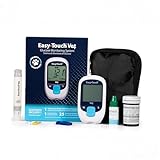
- Complete Pet Glucose Monitoring Kit: Starter kit contains everything you need to start measuring your pet’s blood glucose. This set includes 1 Easy Touch pet glucose meter, 1 lancing device, 25 test strips, 25 28G twist lancets, 1 medium control solution, 1 GP CR2032 battery, instruction manual, and a quick guide. Additionally, a high-quality carrying case is included to store the meter and its accessories
- Dual Code Chip Calibration for Dogs and Cats: Utilizes two dedicated code chips, one calibrated for dogs and one for cats, to account for species-specific blood glucose differences. This system supports accurate, consistent readings from small blood samples, helping ensure reliable at-home glucose monitoring
- Fast, Consistent Results: Delivers rapid glucose readings in seconds, allowing testing to be performed during your pet’s normal daily routine to promote consistency and minimize disruption
- Minimal Sample with Alternative Site Testing: Requires only a small blood sample of 0.7 µL and supports alternate site testing, improving comfort for pets while making the testing process easier for caregivers
- Easy At-Home, Lab-Accurate Testing: This pet glucose monitoring system allows pet owners to measure blood glucose accurately and conveniently at home. Designed to support routine diabetes management, the system delivers reliable results while helping reduce the stress of frequent testing
Could my cat go into remission, and how would we recognize it safely?
Ask what remission would mean for your cat, how the veterinary team would identify it, and how monitoring would change. AAHA defines diabetic remission as euglycemia (normal blood glucose) maintained for more than four weeks without exogenous insulin or oral hypoglycemic agents. Its 2026 guidelines support using an average remission rate of approximately 30% in the United States, but reported rates vary with patient characteristics and management; that figure is not an individual cat’s prediction.
Remission is not the same as a cure, and relapse is common. If remission goes unrecognized while a cat continues receiving insulin, life-threatening insulin-induced hypoglycemia can result. A falling insulin requirement or signs that might indicate low blood glucose call for veterinary review, not an owner-directed dose change. Read AAHA’s diabetic remission guidance.
Best Value

- COMPLETE TEST KIT: Starter kit contains everything need to start measuring your pet’s blood glucose. This set has a meter, test strips, lance device, control solution, and 28-gauge lancets. Plus, a high-quality case to store the meter and accessories.
- EASY HOME CARE: iPet Pro makes it easy to monitor your diabetic pet’s glucose and keep them healthy. Results in just five seconds with a high level of accuracy. Glucose levels are measured during times that a pet is relaxed and in its regular routine.
- ACCURATE READINGS: Exceeds the minimum acceptable accuracy criteria specified in ISO 15197:2013.
- BUILT SPECIFICALLY FOR YOUR DOG OR CAT. Better control over glucose levels may help minimize complication and avoid unn
- 25+ YEARS OF CARE: UltiCare continues to create products and medicines designed with care in mind.
Could another health issue or daily factor be affecting regulation?
Ask whether another illness, medication, weight concern, or diet may be affecting your cat’s diabetes or its response to treatment. AAHA recommends identifying comorbidities that may interfere with treatment response. Its remission guidance also discusses potentially reversible contributors such as obesity, glucocorticoid administration, and dental disease.
Bring an up-to-date list of medications and supplements, along with notes about food and changes in appetite or weight. Ask which factors the veterinarian thinks are relevant and whether they should be addressed alongside the treatment change.
What is the follow-up plan if the change does not work as expected?
Ask when to report persistent thirst, urination, appetite, or weight concerns; what further evaluation might be needed; and whom to contact with questions between appointments. AAHA describes observation and intermittent clinical evaluations as important for judging response, deciding whether additional diagnostics or plan changes are needed, and detecting complications.
Even when a cat seems well, routine follow-up remains part of care. AAHA recommends full chronic-disease rechecks every 6–12 months for insulin-treated cats, including a physical exam and specified laboratory evaluation. Your cat’s care team should determine the appropriate interval and any additional checks.
Questions to take to the appointment
- What problem is this change intended to solve, and how will we know whether it is helping?
- Which treatment options suit my cat, and what makes you recommend this one?
- What should I track at home, how should I share it, and when is the first recheck?
- Which symptoms or readings need an urgent call, including after hours?
- How would you recognize remission, and what monitoring would be needed?
- Could another illness, medication, weight issue, or diet be affecting regulation?
- If this plan does not work as expected, what happens next and whom should I contact?
AAHA’s 2026 guidelines are specific to cats and describe treatment and monitoring as individualized. The association’s Chief Medical Officer, Jessica Vogelsang, DVM, said the organization divided its 2026 guidelines into separate canine and feline documents “in recognition of the unique nature of the disease process in each species.” See the AAHA announcement of the feline guidelines and its guideline conclusion.
Quick Recap
Product prices and availability are accurate as of the date/time indicated and are subject to change. Any price and availability information displayed on Amazon at the time of purchase will apply.




