What’s actually slowing this PC down?
Pick the symptom - the matching free tool is one click away.
When your pet needs anesthesia, expect the veterinary team to assess their health, make a plan for the procedure, monitor them while they are anesthetized, and continue watching them as they wake. At home, temporary sleepiness or wobbliness can be normal; follow your clinic’s specific instructions and call if your pet’s symptoms are severe or last longer than the team said to expect.
Before the appointment: share your pet’s health history
Anesthesia planning starts before the procedure. Tell the clinic about any diagnosed conditions, all prescription medicines, supplements (including CBD), and over-the-counter products. Also mention past anesthesia and how your pet responded, along with recent changes in energy, exercise tolerance, breathing, coughing or sneezing, appetite, eating habits, or vomiting. The team may ask whether your pet has eaten or had water on the day of the procedure.
Confirm which procedure is planned, why anesthesia is needed, and what it will allow the veterinarian to do. For example, anesthesia can let the team perform dental care thoroughly while limiting pain, stress, and discomfort. Ask about alternatives that are relevant to your pet, the individual plan, and what you should expect during recovery. AAHA’s owner guide to pet anesthesia offers a useful list of topics to discuss.
Follow the clinic’s food, water, and medication instructions
There is no fasting interval or medication rule that owners should apply to every pet. Instructions depend on the patient and procedure. Follow the directions from your own veterinary team; do not stop a regular medicine or give an extra dose unless the clinic tells you to. If you are unsure, or your pet accidentally ate or received a medicine, call the clinic before the procedure rather than guessing. AAHA’s fasting and treatment guidance is directed to veterinary professionals, not a substitute for your pet’s instructions.
#1 Best Overall

- MONITORING DEVICE: Pet breathing apnea alarm designed for veterinary use during anesthesia and medical procedures
- EASY OPERATION: Simple to set up and operate with clear visual indicators for immediate breathing status monitoring
- VERSATILE USE: Compatible with pets of various sizes and weights, making it suitable for different animal patients
- Maintenance and Care: Easy to clean and maintain. Can be cleaned before and after use.
- PROFESSIONAL TOOL: Essential monitoring equipment for veterinary clinics and animal hospitals to ensure patient safety
What happens at the veterinary clinic
The veterinary team evaluates your pet and plans anesthesia around their health and the procedure. The process includes preparing the patient and starting anesthesia, maintaining it during the procedure, and managing recovery. Depending on the patient, monitoring and support may cover breathing, oxygenation, cardiovascular function, heart rhythm, and temperature. These are clinical responsibilities for the veterinary team, not steps an owner needs to direct. AAHA describes the phases in its 2020 anesthesia and monitoring guidelines for dogs and cats.
Monitoring does not end the moment the procedure is over. Trained staff continue to watch the pet while they recover and decide when they are ready to go home. AAHA’s guidelines note that the evidence they cite found anesthetic-related deaths most often occurred in the first three postoperative hours, which is one reason recovery monitoring matters. Your clinic will explain the home plan, including pain relief, activity, feeding, medicines, incision care if applicable, follow-up, and when to seek help. Ask for written discharge instructions so you can refer to them later.
Rank #2
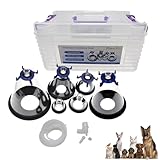
- 【Stable Fit for Reliable Anesthetic Delivery】Six graduated mask sizes help achieve a consistent seal for pets from small mammals to medium-sized dogs, reducing gas loss and supporting efficient induction.
- 【Ready for Standard Veterinary Systems】Universal connector attaches to most anesthesia machines without adapters, allowing rapid transitions between procedures such as exams, imaging, dental cleanings and soft-tissue work.
- 【Designed for Animal Comfort】Light, clear dome and flexible silicone perimeter limit pressure and reduce patient resistance, promoting smoother inductions even with anxious animals.
- 【Durable Build for Repeated Use】Tough medical-grade construction withstands routine handling, while the detachable design simplifies deep cleaning, disinfection and long-term maintenance.
- 【Supports Busy Clinical Environments】A practical solution for surgery centers, teaching facilities, multi-room clinics and high-volume hospitals managing diverse species every day.
How risky is anesthesia for a pet?
Anesthesia has risks, and no general statistic can predict the outcome for an individual animal. AAHA’s 2020 guidelines report these estimates for healthy dogs and cats:
| Population in AAHA’s 2020 guideline | Estimated anesthetic-related death risk | 95% confidence interval |
|---|---|---|
| Healthy dogs | 0.05% (1 in 1,849) | 0.04–0.07% |
| Healthy cats | 0.11% (1 in 895) | 0.09–0.14% |
These are population estimates reported in a 2020 guideline, not a guarantee or a current individualized forecast for your pet. Ask your veterinarian how your pet’s health, planned procedure, and care plan affect risk and what measures the team will use to reduce it.
Rank #3
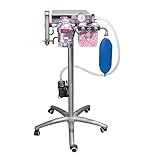
- Suitable for animals weighing up to 100kg: This versatile equipment is perfect for a variety of pets and other animals such as cats, dogs, monkeys, and pigs, ensuring safe and secure accommodation during procedures.
- High-quality Tec 3 ISO Vaporizer: Manufactured in the UK, this advanced vaporizer promises reliable performance for anesthesia delivery, offering veterinary professionals a trusted tool for effective animal care.
- Quick oxygen flush system: Designed to facilitate prompt intervention during surgeries, the quick oxygen flush feature provides critical support to animals, enhancing safety and ensuring a smooth recovery process.
- Clear inhalation and exhalation valves: The easy-to-view valves allow for accurate monitoring of an animal's respiratory function, ensuring that vets can keep a close eye on each patient's breathing for optimal safety.
- Scavenging and adjustable pressure limiting valve: This essential feature allows for efficient waste gas management and customizable pressure settings, delivering both performance and safety tailored to diverse veterinary needs.
Age alone is not a disease and does not automatically rule anesthesia in or out. Very young or older pets, and pets with existing health conditions, may need further evaluation or a plan tailored to their needs. A healthy senior pet may have different considerations from a senior pet with significant disease.
Independent reader supportYour contribution helps us test, update, and keep practical guides available for everyone.What to expect when your pet comes home
Some pets are sleepy or confused for 12–24 hours after anesthesia, and unsteady walking may last a few hours. Your pet may be less interested in food or may not have a bowel movement for 24–48 hours, especially after fasting. Some pets vocalize as medication wears off or they feel disoriented; persistent or unusual distress is a reason to call. A mild cough for one to two days can occur after irritation from a breathing tube. These are general expectations, not a prediction for every procedure; your clinic’s discharge instructions take priority.
Rank #4

- MediNOW Anesthesia Mask can provide high concentration oxygen to dogs/cats/animals in emergency to maintain normal breathing. Ensure your pet's comfort and well-being with a reliable oxygen that delivers consistent and effective results.
- 【Professional Choice】Mask comes in (6) different sizes and can be used to provide high concentration oxygen to animals in emergency to maintain normal breathing.
- 【Versatile Design】Mask are suitable for various animals including cats, dogs, rabbits, and rodents, making it a versatile choice for veterinary clinics and animal hospitals.
- 【Efficient Oxygen Delivery】Mask features a clear dome shape that allows for efficient oxygen delivery and monitoring during anesthesia procedures.
- 【Durable Construction】Constructed from high-quality materials, this anesthesia mask is designed for long-lasting use and easy cleaning. Mask can be autoclaved repeatedly at 134°C for over 40 times.
Make recovery safer at home
- Follow the clinic’s specific instructions for food, water, prescribed medicines, activity, incision care, and follow-up.
- Supervise your pet as they recover. AAHA’s owner guidance advises avoiding stairs, jumping, and unsupervised outdoor roaming for 24 hours; use the treating clinic’s plan if it gives different directions.
- Do not give human food or over-the-counter medicines unless the veterinary team has approved them.
When to call the veterinary team
Contact your clinic or its designated after-hours service for severe or persistent crying, vomiting or diarrhea, difficulty waking normally, coordination problems that continue, refusal to eat or drink beyond the interval the clinic gave you, or any symptom identified in the discharge instructions. If you are concerned about a change in your pet’s condition, call rather than relying on a general time range.
Quick Recap
Best Value

- Pet Breathing Circuits combine with Endotracheal Tube or Anesthesia Mask Breathing Filter and Respiratory Machine, providing a simple, convenient and efficient passage for gas delivery
- They are equipped with standard connectors (15mm, 22mm), ensuring compatibility with various devices
- Made of EVA material, the hoses are expandable, which is easy for transportation and use
- Usually 1.8m in length, the circuits can have their length customized according to specific requirements
- Available with different types of Wye connectors and elbows for functions such as temperature & pressure measuring or gas monitoring, and the supply material is PVC, with port 22/15mm, gas supply port 15mm OD, 2 - liter latex breathing bag (different sizes or latex - free options available), and exhale/scavenge port 22/19mm tubing
Questions to ask before your pet’s procedure
- What does the procedure involve, and why is anesthesia needed?
- What should I do about food, water, and my pet’s usual medicines?
- How will the team monitor my pet, and what recovery should I expect?
- What pain relief and activity restrictions will apply at home?
- Which signs mean I should call, and whom should I contact after hours?
Product prices and availability are accurate as of the date/time indicated and are subject to change. Any price and availability information displayed on Amazon at the time of purchase will apply.




