The Tool Desk
Outbyte PC Repair FREERepair Windows errors before they cause bigger problemsFix Now →Outbyte Driver Updater FREEScan for outdated or missing drivers - takes under a minuteDriver Scan →A suspected corneal ulcer in a cat needs prompt veterinary examination. Squinting, keeping an eye shut, rubbing, discharge, redness, cloudiness, or light sensitivity can signal eye pain, but symptoms cannot confirm an ulcer or show how deep it is. Deep, infected, melting, or perforated ulcers can threaten vision and the eye itself.
Do not put human, leftover, or other unprescribed eye medication in the eye. A veterinarian must confirm the damage, identify likely causes and complications, and choose treatment; some ulcers need urgent specialist or surgical care.
What is a corneal ulcer in a cat?
The cornea is the clear front surface of the eye. A corneal ulcer is a loss of its outer epithelial layer, exposing tissue beneath it. The exposed surface can be painful, and infection or continued damage can cause the lesion to deepen or widen.
Ulcers vary from superficial defects to deep lesions involving the corneal stroma. Owners cannot reliably judge depth by appearance: a cloudy or discolored eye may have several causes, and a small-looking defect can still be serious.
PC Slower Than It Used to Be?
A free scan shows the junk files, broken settings and background clutter dragging Windows down - then fixes them in one click.Free scan · Windows 10 & 11Outdated Drivers Are Slowing You Down
One free scan finds every outdated or missing driver and matches the right update for your exact hardware.Free scan · exact hardware match#1 Best Overall

- Daily Eye Hygiene for Dogs & Cats – 30 sterile 1mL vials for gentle, safe daily eye cleaning and hydration with no contamination risk.
- Supports Eye Moisture & Comfort – Hydrates and refreshes dry eyes with soothing hyaluronic acid to maintain healthy tear film balance.
- Soothes Redness, Itching & Irritation – Eases everyday eye discomfort from dust, wind, or allergens—great for sensitive pets.
- Vet-Formulated for Daily Use – Developed by vets for safe, gentle care of dogs and cats eyes—ideal for regular hygiene.
- Free from Harsh Additives – No steroids, alcohol, or antibiotics. Hypoallergenic and cruelty-free formula.
What causes corneal ulcers in cats?
Ulcers can follow physical damage, arise because the surface is vulnerable, or occur when diseased epithelium is lost. Commonly considered causes include:
- Feline herpesvirus 1 (FHV-1): A common feline cause, especially of spontaneous or recurring epithelial damage.
- Trauma or a foreign body: A scratch, an object trapped against the eye, or other injury can remove epithelium.
- Eyelid or facial conformation problems: Entropion, in which an eyelid turns inward, can make hairs rub the cornea. Brachycephalic ocular syndrome and other conformation-related exposure can also impair corneal health.
- Impaired surface protection: Dry eye or tear-film abnormalities can make the cornea more vulnerable.
FHV-1 is important, but it is not the only possible cause. Identifying and addressing the underlying problem matters because an ulcer may persist or recur if the source of irritation or surface damage remains.
What are the clinical signs of a corneal ulcer?
A cat with an ulcer may squint, hold the eye partly or fully shut, paw at or rub the face, develop eye discharge or redness, or appear sensitive to bright light. The cornea may look cloudy or opaque. These signs indicate a need for examination; they do not establish whether an ulcer is present, whether it is infected, or how severe it is.
Arrange prompt veterinary care for these signs. Treat a rapidly worsening appearance, an eye that looks soft or melted, visible tissue protruding from the eye, or suspected leakage as an emergency rather than waiting to see whether it improves.
Free tools Windows power users keep installed
One-click scans. No signup required.
Rank #2
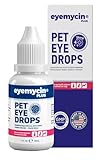
- Daily Cleaning - This eye drop for dogs and cats is suitable for daily eye care of pets, removes tear stains and smudges, restores the shine of the hair around the eyes and soothes canine, feline, and dog eye infection treatments, itchy foreign body discharge and other symptoms
- Effective, Gentle, and Safe - The active ingredient of our eye drops for cats is Hypochlorous Acid (HOCI). HOCI is a naturally occurring substance produced by mammalian white blood cells to boost your pet's immune system. We synthesize a stable immune factor, the HOCI molecule, through EYEMYCIN PET HOCI technology, which has revolutionized safe animal care for all pets and their owners
- Reliable Solution - This dog eye drops for infection are gentle, non-irritating, no alcohol added. Developed to strict standards and trusted by professionals, its natural ingredients and proven effectiveness make it a reliable solution for maintaining optimal eye health in your furry friend
- Easy and Precise Eye Care - EYEMYCIN PET’s innovative nozzle design ensures precise and easy dispensing of each drop, while also protecting your buddies’ eyes from accidental injury. This unique design makes the application of eye rinse quick, safe, and gentle, reflecting our genuine care for your pet’s comfort and health
- For Cats ,Dogs , Horses & Birds - This pet eye drop is suitable for cats and dogs, easy to operate, and can easily provide eye care for your furry friend. Whether indoors or outdoors, it can be used for cleaning anytime and anywhere
How does a veterinarian diagnose an ulcer?
Diagnosis requires an eye examination and fluorescein staining. The stain adheres to areas where the epithelial surface is missing, helping the veterinarian confirm a defect. The clinician also examines the eyelids and facial conformation, evaluates the cornea under magnification and focused light, and may assess tear production or the tear film to look for contributing problems.
Assessing infection and depth
The veterinarian looks for stromal loss, inflammatory material, and signs that the cornea is weakening. A yellow-white infiltrate can raise concern for infection. A soft, liquefying appearance suggests keratomalacia, or a “melting ulcer,” in which enzymes break down stromal tissue. A very deep ulcer may reach Descemet’s membrane, creating a descemetocele; a perforation can allow fluid from inside the eye to leak out.
If infection is suspected, corneal cytology and bacterial culture may help identify organisms and guide antibiotic selection. When leakage is a concern, a veterinarian can use a fluorescein Seidel test to look for aqueous humor flowing through a perforation. These are clinical assessments, not home checks.
Stain patterns can help clinicians distinguish conditions. Herpetic ulcers are often geographic. A descemetocele may have a non-staining center surrounded by a stained stromal ring. Fluorescein uptake over a pink-white eosinophilic plaque does not by itself prove that the plaque is a true ulcer; a veterinarian must distinguish that condition before choosing treatment.
Recommended Free Tools
Rank #3

- LONG-LASTING lubrication engineered for convenience. Designed to be applied as little as twice a day.
- Each Gel drop provides a sheer coating that protects and hydrates with every blink. Ocunovis does not require nearly as many applications as ordinary eye drops.
- Developed by Sentrx Animal Care, BioHAnce is a unique, crosslinked hyaluronic acid (HA) that has been specifically modified for the ocular surface.
- MADE IN USA. The patented technology enhances the natural activity of healing, lubrication, and hydration.
- Provides supplemental support for pets diagnosed with Dry Eye. May also be used for dry, irritated eyes.
Why an FHV-1 test may not settle the cause
FHV-1 PCR results can be difficult to interpret. According to a September 1, 2026 clinical review in Today’s Veterinary Practice, false positives can occur because healthy cats may shed the virus, while false negatives can occur because shedding is intermittent. Testing also cannot distinguish wild-type virus from vaccine virus. Veterinarians therefore commonly weigh a cat’s history and examination findings, as well as its response to treatment, rather than treating a PCR result as a simple yes-or-no answer.
How are feline corneal ulcers treated?
Treatment depends on the cause, depth, duration, and whether infection is present. The veterinarian’s goals are to address the cause, protect the exposed cornea, manage pain, and support healing. Do not substitute human eye drops, leftover prescriptions, or home remedies for the treatment plan.
Medication and supportive care
A noninfected ulcer may receive topical antimicrobial medication to reduce the risk of secondary infection. An actively infected ulcer may need targeted, intensive topical treatment, sometimes guided by cytology and culture. Deep or melting lesions may also need anticollagenolytic treatment to limit tissue breakdown. Systemic antibiotics are rarely needed for corneal ulcers, but may be considered for a perforation or a deep ulcer at risk of rupture.
Pain control is part of veterinary management, but the appropriate medication depends on the individual cat and its condition. Do not give human pain relievers or use eye medication without veterinary direction.
Rank #4

- EASY-TO-SQUEEZE bottle now available with the larger size bottle. Try our 10ml (0.34 fl oz) bottle where it's easy to dispense each drop, making lubrication time quick and simple.
When FHV-1 disease is suspected, the veterinarian may recommend antiviral treatment. The choice and frequency should account for what the cat can tolerate. Lysine should not be relied on as an established treatment for active herpetic disease: the clinical review describes the supporting evidence as mixed.
Why steroid eye drops are unsafe for an ulcer
Topical corticosteroids are strictly contraindicated when a cat has a corneal ulcer, according to the September 2026 clinical review. They can be harmful in an ulcerated eye. A different condition can sometimes cause fluorescein uptake over an eosinophilic plaque without a true ulcer; only a veterinarian can make that distinction and direct any treatment for it. Do not start steroid drops at home.
When a procedure or surgery may be needed
Some superficial ulcers with loose epithelium need debridement performed by a veterinarian, using a cotton-tipped applicator or, in selected cases, a diamond burr or superficial keratectomy. These procedures are not suitable for an infected ulcer with stromal loss. Grid keratotomy is contraindicated in cats because of the risk of corneal sequestrum.
Deep, melting, or unstable ulcers may require surgical stabilization. A descemetocele, active leakage, iris prolapse, or suspected perforation calls for urgent veterinary assessment. Merck Veterinary Manual guidance says deep ulcers—particularly descemetoceles and ulcers ruptured with iris prolapse—require immediate surgical support; it advises ophthalmologist assessment when stromal loss is at least 50%. These are clinician-level findings and thresholds, not measurements owners should try to make.
Quick wins for a faster PC:
Repair Windows errors before they cause bigger problemsFix Now →Scan for outdated or missing drivers - takes under a minuteDriver Scan →Best Value

- Hyaluron and carbomer lubrication for pet eyes in a convenient, easy-to-dispense tube that's ideal for travel and on-the-go
- Rapidly disperses to protect the cornea and conjuctiva
- Clings to the surface of the eye to ease the discomfort of dry eye
- Provides long-lasting lubrication for improved pet comfort
- For use in dogs, cats, and horses
A rigid recovery collar may be recommended selectively if a cat is rubbing or has a fragile eye. It can help prevent self-trauma, but it is supportive care rather than a cure; the clinical review cautions that collar stress may exacerbate FHV-1 disease in some cats. Ask the veterinarian whether a collar is appropriate for your cat.
Independent reader supportYour contribution helps us test, update, and keep practical guides available for everyone.How urgent is an ulcer, and what complications can occur?
Any suspected ulcer merits prompt examination, but a deep or rapidly deteriorating lesion is especially time-sensitive. Stromal loss, a melting appearance, a descemetocele, leakage, iris prolapse, or suspected perforation can mean the cornea is at risk of rupture. These findings may require emergency care, referral to a veterinary ophthalmologist, or surgery.
Possible complications include a persistent ulcer, corneal scarring or fibrosis, corneal sequestrum, symblepharon (adhesions involving the conjunctiva), perforation, infection inside the eye, and vision loss. A corneal sequestrum is an area of dead corneal tissue that can appear amber to black; it is unique to cats, and a deep sequestrum may threaten the eye as it separates.
How long does healing take, and how is treatment completion confirmed?
Healing time depends on the cause and severity, so published time ranges are guidance rather than a promise for an individual cat. The September 2026 review in Today’s Veterinary Practice says acute superficial ulcers typically heal in 5 to 7 days once the cause is corrected and recommends a recheck within 7 days to confirm resolution. VCA Animal Hospitals gives 3 to 5 days as a general healing period for abrasions and superficial ulcers; the accessed page does not state a publication year. Chronic, herpetic, infected, or deep ulcers can take longer and may need a procedure or surgery.
Do these 3 things before closing this tab:
1Repair Windows errors before they cause bigger problems2Fix the driver behind crashes, sound loss and screen glitches3Clear out junk files and repair common Windows errorsVisible improvement is not proof that the surface has healed. The veterinarian confirms healing with a repeat examination and fluorescein staining. Keep following the prescribed plan and attend rechecks; do not stop treatment just because the eye looks better.
Reported outcomes for selected procedures
The figures below are outcomes reported by the September 2026 clinical review for particular procedures and indications. They are not head-to-head comparisons or guarantees for every cat with an ulcer.
Quick Recap
| Procedure or treatment context | Reported outcome | Scope of the figure |
|---|---|---|
| Diamond burr debridement | More than 80% reported healing success in 2 to 6 weeks | Selected chronic superficial cases; Today’s Veterinary Practice, 2026 |
| Superficial keratectomy | Approximately 85% reported healing success in 4 weeks | Selected chronic superficial cases; Today’s Veterinary Practice, 2026 |
| Third eyelid flap | 85% reported success | Feline acute corneal hydrops; Today’s Veterinary Practice, 2026 |
Product prices and availability are accurate as of the date/time indicated and are subject to change. Any price and availability information displayed on Amazon at the time of purchase will apply.




