Amitriptyline is sometimes prescribed to cats for selected behavioral or medical problems, but its use in cats is off-label. Give your cat only the amount and schedule on the veterinarian’s prescription—there is no single online dose that is right for every cat. Contact a veterinarian promptly if your cat may have received too much.
What is amitriptyline used for in cats?
Amitriptyline is a tricyclic antidepressant. Veterinarians may prescribe it off-label for selected problems such as anxiety, urine spraying or inappropriate urination, excessive grooming, compulsive behaviors, pica, feline lower urinary tract disease, and neuropathic pain. Reported uses are not a guarantee that the medicine is suitable or effective for an individual cat. VCA Animal Hospitals describes its use in cats and dogs for behavior and other conditions as “off label” or “extra-label” (VCA Animal Hospitals’ amitriptyline guide, updated August 16, 2023).
For behavior problems, medication is often most useful as part of a broader plan that includes behavior modification. Merck Veterinary Manual notes that evidence about safety, effectiveness, toxicity, and ideal dosing for behavior medicines in cats can be limited, so recommendations may draw on clinical experience and case reports (Merck Veterinary Manual: Treatment of Behavior Problems in Cats). Ask the veterinarian what problem the prescription is intended to address and how you will assess whether it is helping.
What dose should my cat take?
Use the exact amount, schedule, and formulation on your cat’s prescription. A generic dose cannot account for your cat’s diagnosis, health, other medicines, or the prescribed form, and veterinary directions for off-label use may differ substantially from label directions. Do not start amitriptyline, change the amount, share it with another pet, or use a human prescription based on an online dosing table.
What’s actually slowing this PC down?
Pick the symptom - the matching free tool is one click away.
#1 Best Overall

- Used to help treat various anxiety and behavior disorders, including separation anxiety in dogs and urine marking in cats.
- Can also be prescribed for other conditions (e.g., itching, neuropathic pain) in small animals
- Use with caution in pets with a history of epilepsy or other seizure disorders.
- May be prescribed for other animal species; please consult your veterinarian.
- While this drug does not have an FDA-approved indication for all animal uses, it is commonly accepted for veterinarians to prescribe this medication for use in animals.
If the label is unclear, you are unsure whether a dose was given, or your cat spits out or vomits a dose, call the prescribing clinic before repeating, making up, splitting, or changing it. Follow the dispensing label or ask the clinic about a missed dose; VCA specifically advises never to give two doses at once.
How do I give amitriptyline, and when might it work?
VCA describes oral tablets that may be given with or without food; a compounded liquid may also be available. Follow the product’s label, including any specific storage directions for a compounded liquid. If your cat vomits after taking a dose without food, ask the veterinarian whether later doses may be given with food or a treat.
Rank #2

- Calming Support Supplement: Vetoquinol Zylkene is a calming supplement for cats and small dogs that uses alpha-casozepine from milk protein to support calm behavior during loud noise, celebrations, travelling, and other challenging situations
- Non-Drowsy & Lactose-Free: This behavior support supplement is lactose-free, making it the perfect non-drowsy calming support for cats and dogs with sensitive stomachs; help your pet's composure without sacrificing their personality
- Calming Effect without Personality Changes : Zylkene contains the protein in milk that causes the calming effect in nursing pets; this natural-occurring protein can help your dogs and cats return to their happy selves
- Easy-to-Give Oral Capsule: For easy use, open capsule and sprinkle onto food; for best results, administer 1–2 days before the expected challenging situations or 5–7 days prior for pets needing additional stress support; for cats and dogs 10–22 lb
- Confidence in Every Product: Made with a commitment to transparency, rigorous review, and dependable standards upheld across every product, we create happier and healthier moments for your pet
VCA says full effects may take a few weeks, while side effects can appear sooner and improvement may be noticed after a few days. These are general expectations, not a promised timeline for an individual cat. Ask the veterinarian when to check in and what changes to track.
What side effects should I watch for?
Possible effects reported in cats include:
- Sleepiness or sedation
- Increased salivation
- Reduced appetite or appetite loss
- Vomiting
- Urinary retention or difficulty urinating
- Incoordination or disorientation
- An unkempt coat
- Heart rhythm problems
VCA also notes that bloodwork may show reduced platelet or white blood cell counts. Effects vary, and a side effect listed for a medicine does not mean every cat will experience it. Contact the prescribing veterinarian about any new, persistent, severe, or concerning change.
Rank #3

- Used to help treat various anxiety and behavior disorders, including separation anxiety in dogs and urine marking in cats.
- Can also be prescribed for other conditions (e.g., itching, neuropathic pain) in small animals
- Use with caution in pets with a history of epilepsy or other seizure disorders.
- May be prescribed for other animal species; please consult your veterinarian.
- While this drug does not have an FDA-approved indication for all animal uses, it is commonly accepted for veterinarians to prescribe this medication for use in animals.
Collapse, severe weakness, seizures, suspected heart problems, or a possible overdose require urgent veterinary advice. Do not try to treat these signs at home.
What health conditions and medicines should the veterinarian know about?
Tell the veterinarian about your cat’s full medical history and every prescription, over-the-counter medicine, supplement, and herbal product. Do not try to decide which interactions matter by screening a long list yourself.
Rank #4

- Used to help treat various anxiety and behavior disorders, including separation anxiety in dogs and urine marking in cats.
- Can also be prescribed for other conditions (e.g., itching, neuropathic pain) in small animals
- Use with caution in pets with a history of epilepsy or other seizure disorders.
- May be prescribed for other animal species; please consult your veterinarian.
- While this drug does not have an FDA-approved indication for all animal uses, it is commonly accepted for veterinarians to prescribe this medication for use in animals.
VCA says amitriptyline should not be used in pets with a history of sensitivity to other tricyclic antidepressants or a diagnosis of hyperthyroidism. It calls for caution with conditions including seizure disorders, thyroid disease, urinary retention, liver disease, dry eye, glaucoma, arrhythmias, diabetes, and adrenal tumors. Monoamine oxidase inhibitors and flea collars are identified as products that should not be used during therapy; other medicines may also require caution. Your veterinarian can evaluate the specific combination and your cat’s circumstances.
Independent reader supportYour contribution helps us test, update, and keep practical guides available for everyone.What monitoring might my cat need?
Depending on the cat and the treatment plan, the veterinarian may check heart function, a complete blood count, or general bloodwork before treatment. An ECG, blood sugar check, or monitoring of the cat’s response may also be considered during treatment. These are possible clinician-selected checks, not tests required for every cat. Follow the appointment and monitoring plan set by your veterinarian.
Best Value
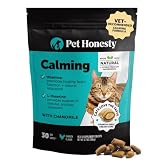
- RELAX INTO BENEFITS: Help your feline companion maintain a peaceful, balanced disposition during stressful moments. These dual texture cat calming treats offer targeted behavioral support by promoting deep relaxation and providing real cat anxiety relief. Perfect for scary car rides, loud holiday storms, vet visits, and grooming, our crunchy and creamy bites reduce environmental panic so your cat can enjoy a calm and happy life.
- THE INSIDE STORY: We formulate our premium healthy cat treats with high performance natural ingredients. Thiamine supports essential brain and cognitive function, while l-theanine amino acids offer deep systemic support in stressful and anxious situations. Combined with soothing chamomile herbs and omega rich fish oil, these cat relaxing treats help calm hyperactive tracking, excessive hiding, and nervous tension from the inside out.
- LOVED BY CATS: Feline companions are uniquely sensitive creatures and can be highly particular about flavors, smells, and textures. That is why our calming chews for cats are designed specifically around specialized feline taste palates. You can feel completely confident choosing our advanced anxiety support formula, which stands as a top rated cat relaxing supplement proudly engineered by passionate cat lovers. In fact, our cat anxiety relief is the #1 calming chew supplement on Amazon.* Based on Amazon Stackline data from Dec 2023 - Nov 2024
- DROOL-WORTHY TASTE: Our dual texture cat calming chews combine clinical behavioral efficacy with an irresistible savory chicken flavor. Featuring an enticing crunchy outer shell and a smooth creamy core, 9 out of 10 cats absolutely love the taste based on independent feeding studies. This premium recipe makes daily stress management easy, transforming wellness into a delicious treat your pet natively craves. **Based on an independent feeding study. Individual results may vary
- THE HONEST DIFFERENCE: Give your faithful companion the elite, uncompromised standard of premium clinical care. This Vet-Recommended cat calming treat is proudly manufactured in the USA using clean, science backed ingredients with no fillers or artificial preservatives. Because we are proudly NASC certified, we adhere to the most rigorous quality and safety benchmarks in the industry, delivering real results you can completely trust.
What should I do if my cat gets an extra dose?
Call your veterinarian or emergency veterinary clinic immediately if your cat receives more than prescribed or may have swallowed amitriptyline accidentally. If the regular clinic is closed, follow its directions for reaching emergency care. VCA’s poisoning guidance also recommends immediate contact with a veterinarian or an animal poison-control resource when a pet ingests medicine not prescribed for it or more than prescribed (VCA Animal Hospitals: Behavioral Health Medication Poisoning).
Do not induce vomiting or wait for symptoms unless a veterinarian specifically directs you to do so. When you call, have the medication container and prescription available, and be ready to say how much may have been taken and when.
Quick Recap
Product prices and availability are accurate as of the date/time indicated and are subject to change. Any price and availability information displayed on Amazon at the time of purchase will apply.




