Recommended Free Tools
Cooperative care training teaches a cat to take part voluntarily in everyday handling and care, using positive associations and rewards rather than simply holding the cat still. Cats can learn practical skills such as entering a carrier, going to a mat, offering a paw, tolerating gradual examination-like handling, and cooperating with grooming or medication routines.
What cooperative care means
Cooperative care combines classical conditioning—building positive associations with places, objects and sensations—with operant conditioning, in which a cat learns that a particular response can earn a reward. The goal is for the cat to feel physically and emotionally comfortable and to have a choice about engaging. The 2022 AAFP/ISFM Cat Friendly Veterinary Interaction Guidelines describe cooperative care as a way to help cats feel more comfortable, relaxed and in control during husbandry and medical situations.
That makes cooperation different from merely keeping a cat still. A useful training plan makes the situation predictable, gives the cat a behavior it can offer, and allows the cat to pause or leave. Depending on the task, the behavior might be touching a target, settling on a station, moving into a position, or voluntarily presenting a limb or tail.
What you can teach your cat
- Enter and relax in a carrier: Let the carrier become a familiar part of the home and reward voluntary approaches and entry. This can make the carrier a useful first training project because it connects home practice with transport and veterinary visits.
- Go to a station: Teach your cat to settle on a chosen mat, towel, bed, box or scale. Stationing gives the cat a clear behavior to offer and can make handling more predictable.
- Accept gradual handling: Build comfort with examination-like touch, including paw and ear handling, a small step at a time.
- Offer a paw or settle for weighing: A cat may learn to present a limb for a procedure or remain on a scale.
- Participate in routine care: Cats can be taught to accept grooming, nail trimming, ear treatments, topical parasite treatments, and oral or under-the-skin medication routines.
Tricks, agility and fetching are also possible training activities, but they are enrichment examples rather than the central care tasks cooperative care is meant to support.
#1 Best Overall

- New communication tool about you and your puppy.
- Pet Dog Training Clickers for Puppy, Cat, Potty, Bird, Horse, Pet, Trainer Training Tools, Behavior Aids
- Just press to mark desired behavior, then reward for faster learning.
- The spring wrist length : 16cm/6.3inches and can strength to 25cm/9.84inches.
- Package include : Black + Blue,each color 1 pcs.
How to begin safely
Choose an appropriate starting point
Begin with a healthy cat who is not currently showing fear, pain or other protective behavior. If your cat is already fearful or struggling with care, ask your veterinarian for help; a suitably qualified feline behavior professional may be appropriate for a behavior problem. Do not use cooperative-care exercises to push through signs of distress.
Find a reward your cat values
Choose a reward based on your individual cat. Some cats work for food; others may respond to social interaction. A reward is useful only if your cat actually wants it in that moment, so observe what your cat seeks out rather than assuming all cats prefer the same thing.
Rank #2

- Cat Training Clicker Kit - Includes a finger ring clicker and a retractable target stick with yellow ball, giving you two tools for guiding and interacting with your cat during training or play.
- Finger Ring Clicker for Clear Feedback - The included finger clicker produces a crisp, easy-to-press sound, helping guide your cat during training or interactive play without startling them.
- Eye-Catching Yellow Target Ball - The bright yellow ball at the tip of the target stick catches your cat’s attention and supports guided movement for interactive sessions.
- Retractable Stick for Convenient Use - The stainless steel target stick extends and retracts smoothly, allowing adjustable length for comfort, while keeping the target clicker compact and easy to store or carry.
- Versatile Training Accessory - Suitable for kittens and adult cats, this dual clicker kit can be used for a variety of interactive play or guided training sessions, and can also be used with other small pets.
Teach a station by rewarding choice
Place a non-slip mat or another chosen station where your cat can investigate it freely. Reward small voluntary steps, such as looking toward the surface or touching it, and gradually reward closer approximations of settling there. Do not place your cat onto the mat: allowing the cat to choose to approach is part of the learning process. A mat is optional; a towel, bed, box or scale can serve as the station.
Break care tasks into small approximations
For a procedure such as nail trimming, begin with the cat calmly noticing the relevant item or sound, then build gradually toward the handling and sensation involved. Practice a small piece at a time instead of attempting the whole procedure at once. A verbal marker or clicker can mark the behavior you want to reward, but neither is essential.
Free tools Windows power users keep installed
One-click scans. No signup required.
Rank #3

- INSIDE THE PACKAGE: Created by a professional animal behaviorist, this complete cat clicker training kit includes everything you need to get started: an all-in-one integrated clicker tool with a 22 inch extendable target stick and a 43-page illustrated training manual with 15 guided lessons to help you confidently train your cat from day one.
- TARGET STICK WITH UPDATED DESIGN: The CAT SCHOOL all-in-one clicker features a new and improved design with a quieter clicker sound and a stronger, more durable construction—perfect for sound-sensitive cats and everyday training use. This versatile tool works as both a target stick and a detachable clicker, giving you flexible training options. Extend the target stick up to 22 inches to easily guide your cat between positions. The large, bright yellow ball tip is easy for cats to see, track, and touch—boosting confidence, accuracy, and calm focus during training.
- QUIET, DETACHABLE CAT-FRIENDLY CLICKER: Designed with your cat’s sensitive ears in mind, this quiet clicker delivers a sound your cat can comfortably learn from. Use it attached to the target stick or slide it off for handheld use. The clicker fits comfortably in your hand and includes a secure finger loop to wear on your finger once removed from the base.
- IMPROVES CAT BEHAVIOR: Clicker training is a positive, rewarding way to teach skills and encourage good behavior. Regular training sessions help increase activity, reduce boredom and stress, and may curb unwanted behaviors like scratching or biting—while strengthening the bond between you and your cat.
- OUR COMMITMENT TO YOUR SUCCESS: Your cat’s training success matters to us. Gain access to supportive video tutorials created by an animal behaviorist and trusted by thousands of successful students. Our proven system helps make training fun, enriching, and rewarding—for both you and your cat.
Let the cat set the pace
Keep sessions short enough that your cat remains comfortable, and stop if the cat withdraws, becomes tense, or shows fear or pain. Voluntary participation depends on paying attention to the cat’s emotional state, not completing a checklist. If the task cannot proceed without a struggle, pause and consult your veterinarian about a plan suited to your cat.
Why carrier training is a useful first project
A carrier is part of the journey to a veterinary visit, so learning to approach and enter it voluntarily can support a less stressful routine. Keep the carrier accessible as part of the cat’s familiar environment, and use bedding or rewards that suit your cat. Reward voluntary investigation and entry rather than placing the cat inside as the training exercise. The AAFP/ISFM guidelines recommend positive-reinforcement training before a visit and making the carrier familiar at home.
Rank #4
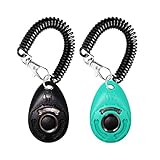
- EASY TO USE - Simple push button with distinct clicking sound.
- Comes with an elastic wrist band so you can leave it on your wrist or clip it to the leash or your pants.
- Not only train the dog but also the cat, bird, chicken, sheep a new behaviors like sit, fetch, roll over, lie down.
- For effective pet training ALWAYS reward with a treat after clicking.
- Can be used to train the dog basic obedience, small trick, and correct the bad behavior; Scientific method of training your pet safely and easily.
Do you need special equipment?
No specific training product is required. Use a carrier for carrier practice and a safe, stable surface for stationing; a non-slip mat can help if the chosen surface slides. A clicker may be useful if you want a consistent marker, and nail clippers are relevant only when you are gradually teaching nail care. The important features of an approach are that the cat can choose to participate, the reward is motivating to that cat, practice resembles the real task without overwhelming the cat, and the caregiver can repeat it calmly at home.
Frequently Asked Questions
Can I train my cat to let me trim its nails?
Yes. Build the routine gradually, rewarding calm participation around the clippers and the handling involved. Stop if your cat becomes tense, withdraws, or shows fear or pain.
What’s actually slowing this PC down?
Pick the symptom - the matching free tool is one click away.
Best Value
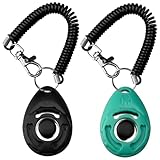
- Instant Attention & Clear Sound: This dog clicker for training produces a sharp, consistent sound that’s perfect for clicker training dogs, puppies, cats, and even birds or horses. Works great as a dog clicker to stop barking and reinforce positive behaviors quickly.
- Lightweight, Durable & Easy to Carry: Made from sturdy, lightweight materials, this pet training clicker is built to last. Comes with a convenient wrist strap so your dog training tools are always within reach during walks, obedience classes, or home sessions.
- Simple One-Button Operation: Whether you’re a new dog trainer or a pro, the large button makes this puppy training clicker and cat training clicker easy to use—just press to mark desired behavior, then reward for faster learning.
- Versatile for Multiple Pets & Purposes: More than just a dog training clicker—this tool is perfect as a cat clicker trainer, training clicker for puppies, or even a clicker cat trainer. Works for potty training, obedience, tricks, and behavior correction.
- Positive Reinforcement Training Made Easy: Trusted by professionals, this dog training & behavior aids device supports humane, reward-based training. Ideal as puppy training tools, dog training aids, or dog training clickers to create a strong bond with your pet.
Should I put my cat on the mat to teach stationing?
No. Let your cat investigate the surface voluntarily and reward small steps toward settling on it; placing the cat there removes the choice that the exercise is meant to teach.
Quick Recap
Product prices and availability are accurate as of the date/time indicated and are subject to change. Any price and availability information displayed on Amazon at the time of purchase will apply.




