Seven cat breeds associated with Russia include the Russian Blue, Siberian, Neva Masquerade, Donskoy, Peterbald, Kurilian Bobtail, and Ural Rex. They are not one uniform type: their coats and activity levels vary, and cat registries do not always classify or name them the same way. The Neva Masquerade, for example, is treated as a colourpointed variety of Siberian under the GCCF Siberian policy.
Breed descriptions can help set expectations, but they cannot guarantee an individual cat’s temperament or health. The best fit depends on the particular cat and how its social, activity, and grooming needs match your household.



How to choose among Russian cat breeds
Consider the care and companionship you can offer rather than relying on a “best breed” ranking. The available breed profiles are not a controlled comparison, and they provide uneven detail: some describe personality and coat care, while others mainly establish a breed’s name or appearance.
- Grooming: Decide how much brushing and coat care suits your routine.
- Social needs: Think about how much time the cat will spend alone and how it may respond to visitors, children, or other pets.
- Activity: Match the cat’s described playfulness or energy to the interaction and enrichment you can provide.
- Individual fit: Meet the cat when possible and ask its caregiver about its observed behavior and health history. Breed tendencies are not guarantees.
Russian Blue
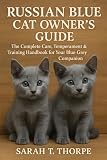
The Russian Blue is a medium-sized, lithe, muscular cat with a short, dense blue coat tipped in silver and green eyes, according to TICA’s breed profile. TICA describes the breed as initially reserved with strangers while it assesses them, then affectionate once it accepts a person. It also characterizes Russian Blues as playful companions that get along with children and other pets; these are breed-profile descriptions, not a prediction about every cat.
Quick wins for a faster PC:
Repair Windows errors before they cause bigger problemsFix Now →Scan for outdated or missing drivers - takes under a minuteDriver Scan →Clear out junk files and repair common Windows errorsFree Scan →#1 Best Overall
Coat and everyday care
TICA recommends regular brushing and routine hygiene. It also notes that Russian Blues can have healthy appetites, so owners should manage food portions. TICA says some Russian Blues reach 16 years or more with proper care; this is an observation, not a promised lifespan.
The GCCF describes the Russian as home-loving and says it can be content alone while its owner is away if it has ample opportunity for adventure and play. The GCCF gives a typical adult weight range of 8 to 15 pounds on its Russian breed page. That page also says white Russian cats used for breeding under the GCCF’s active register need BAER hearing testing.
Rank #2
Siberian and Neva Masquerade
The Siberian and Neva Masquerade names have a specific relationship in the GCCF’s registry policy. The GCCF policy traces the modern Siberian breeding program to the late 1980s and describes colourpointed Siberians, bred independently under the Neva Masquerade name, as a variety. Registry conventions can differ, so the names should not be treated as universally separate breeds—or universally interchangeable—without specifying the registry.
The available registry material establishes this naming context but does not provide enough detail to make well-supported claims here about Siberian or Neva Masquerade temperament, grooming, or health. Ask a breeder, rescue, or veterinarian about the individual cat’s needs rather than assuming them from its name.
Donskoy
TICA traces the Donskoy’s foundation to a cat found in Rostov-on-Don in 1987. It describes the breed as active, social, intelligent, affectionate, and gentle in its Donskoy profile.
The profile information cited here does not establish a complete skin-care or temperature-care routine. A hairless appearance alone is not enough to determine what care an individual Donskoy needs; seek guidance from a veterinarian or a knowledgeable breed professional.
Peterbald
Peterbald appears in TICA’s breed-standards listing. The registry listing supports the breed’s inclusion but does not provide enough detail here to make specific claims about its temperament, health, or grooming. Ask about the individual cat’s care needs and background before choosing one.
Independent reader supportYour contribution helps us test, update, and keep practical guides available for everyone.Kurilian Bobtail
The Kurilian Bobtail is a natural Russian breed originating in the Kuril Islands, Sakhalin Island, and Kamchatka peninsula, according to TICA. It is medium to large, comes in shorthaired and semilonghaired varieties, and has a distinctive short, pom-pom-like tail.
The Tool Desk
Outbyte Driver Updater FREEScan for outdated or missing drivers - takes under a minuteDriver Scan →Outbyte PC Repair FREEClear out junk files and repair common Windows errorsFree Scan →Personality and coat
TICA describes Kurilians as intelligent, sociable, playful, and gentle, and says they adapt well to cats, children, dogs, and other household pets. It characterizes the coat as generally non-matting and says regular brushing maintains it. These are useful expectations, not guarantees for every cat.
TICA notes that the distinctive tail structure varies from 2 to 10 vertebrae. The short tail is part of the breed’s characteristic appearance, not a basis for predicting an individual cat’s personality.
Ural Rex
The Ural Rex is included in the requested list of Russian-associated breeds, but the available material does not provide an accessible primary-source profile that substantiates details about its origin, coat care, temperament, or health. Those traits should not be inferred from the breed name alone. If you are considering one, seek current guidance from a registry or breed club and ask about the individual cat’s care requirements.
What the breed descriptions can—and cannot—tell you
Registry and breed profiles are useful starting points for appearance, naming, and broad tendencies. They do not establish a definitive ranking of these seven breeds as pets, and the available profiles do not offer equivalent evidence about health or care for each one. A cat’s socialization, individual personality, health, and home environment all matter when judging whether a match will work.
Free tools Windows power users keep installed
One-click scans. No signup required.
Quick Recap
Product prices and availability are accurate as of the date/time indicated and are subject to change. Any price and availability information displayed on Amazon at the time of purchase will apply.




