Pet foster homes can help more shelter animals reach adoption by giving them a temporary home, freeing shelter capacity and helping caregivers share what a pet is like in daily life. A 2026 Best Friends Animal Society survey found higher average adoption rates at organizations with foster programs—but it shows an association, not proof that fostering alone caused the difference.
What the adoption-rate figures show
Best Friends Animal Society reported a survey of nearly 650 network partner organizations. Those with foster programs had an average adoption rate of 68%, compared with 48% at organizations without foster programs—a 20 percentage-point difference. These are averages across surveyed organizations, not a promised increase for an individual shelter or a measurement of what would happen if one shelter added a program. The comparison does not establish that foster programs caused the entire difference; organizations may differ in other ways, too. Best Friends’ account of the survey and its summary of the findings explain the comparison.

In the same survey, organizations that said foster caregivers could process adoptions averaged 77%. “Processing” may include accepting and evaluating applications, arranging meet-and-greets or selecting adopters. The figure identifies a program feature associated with a higher average; it does not show that caregiver involvement by itself produced the result.
How a foster home may help an animal and a shelter
It offers a break from the shelter setting
A temporary home can give an animal a quieter place to rest and adjust while waiting for adoption. Best Friends and the ASPCA describe foster care as a way to provide care outside the shelter environment. The sources do not separately quantify how much this contributes to adoption outcomes.
Outdated Drivers Are Slowing You Down
One free scan finds every outdated or missing driver and matches the right update for your exact hardware.Free scan · exact hardware matchWindows Errors? Fix Them Before They Spread
Repair common Windows errors and clear accumulated junk for a smoother, more stable PC - no reinstall needed.Free scan · no reinstall#1 Best Overall

- All-in-One Newborn Pet Nursing Solution: This comprehensive pet nursing kit includes everything you need to care for newborn small animals: kitten nursing bottles, multiple soft silicone nipples, precision feeding syringes, a formula dispenser, cleaning tools, and a storage container. No need to purchase additional accessories-suitable for first-time pet caregivers or rescue volunteers looking after kittens, puppies, or other tiny newborns
- Versatile for Multiple Small Animal Species: This kitten bottle feeding set is designed to meet the feeding needs of various newborn pets, including kittens, puppies, baby squirrels, rabbits, and other tiny mammals. Its adjustable soft silicone nipples and different-sized feeding syringes fit various mouth sizes, ensuring every little one gets the nutrition they need
- Soft Silicone Nipples for Gentle Feeding: The kit features multiple soft silicone nipples that mimic natural nursing, providing a comfortable feeding experience for newborn kittens, puppies, and small animals. The gentle material reduces the risk of mouth irritation while encouraging natural suckling behavior
- Precise Measurement for Accurate Feeding: The kitten bottle feeding kit comes with multi-sized feeding syringes (1/3/5/10ml) and clearly marked nursing bottles for precise liquid control. Easily measure and dispense formula, milk, or medication, ensuring you feed the correct amount every time-critical for the healthy growth of newborn kittens, puppies, and small animals
- Convenient to Use and Store: This all-in-one pet nursing kit includes a dedicated storage container to keep all kitten bottle feeding accessories organized, preventing loss and keeping your feeding area tidy. All parts are detachable and easy to clean with the included tools, saving you time and effort during busy feeding schedules for newborn small animals
It can open space and staff resources
When an animal is cared for in a foster home, the shelter may have more room and resources for animals still on site. That is a practical way foster programs can help organizations manage capacity; the survey figures do not isolate this mechanism’s effect.
It helps reveal the animal’s everyday personality
A caregiver can learn about a pet’s routines, preferences and behavior in a home. Sharing those observations can give prospective adopters useful context and help the organization consider a suitable match. Best Friends and the ASPCA describe these as potential benefits, not independently measured causes of higher adoption rates.
Rank #2
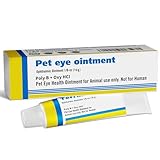
- FOR ANIMAL USE ONLY: Contains a tube of 10 grams of ophthalmic ointment, suitable for animals of all ages.
- EASY APPLICATION: Administer topically into the animal's eye 2 to 4 times a day, as needed. (Can be applied with a clean finger)
- Fresh Product Promise: Date on tube indicates when it was made, not when it expired. Our ointment stays fresh for two years from the date of manufacture. If you are not satisfied with the result, please contact us and we will make it right.
Foster care comes in different forms
Fostering does not always mean taking an animal home for a long, open-ended stay. Programs may need caregivers for:
- A day trip or short outing away from the shelter.
- A sleepover or weekend stay.
- An emergency placement.
- Temporary care for a pet whose family is facing a health crisis.
- A foster-to-adopt arrangement.
- Specialized care, such as caring for young kittens.
These are program formats, not a ranking of which is easiest or most effective. Availability, duration and responsibilities vary, so ask local shelters which placements they currently need and what each involves. The ASPCA describes several types of foster caregivers in its overview of foster-care roles.
What’s actually slowing this PC down?
Pick the symptom - the matching free tool is one click away.
What to ask before you foster
Contact a local shelter or rescue and get the practical details for its current program. In particular, ask:
- How long a placement usually lasts, and whether short-term options are available.
- What care the animal needs and whether you can manage it at home.
- What food, equipment, supplies and medical care the organization provides.
- Who to contact for advice or urgent help during the placement.
- Whether caregivers can help promote the animal, host meet-and-greets or take part in adoption decisions.
- How the organization handles applications, adoption decisions and the transition to a new home.
Support differs among organizations. The ASPCA says its own foster programs provide medical care, food, equipment and supplies; that is not a guarantee that every shelter provides the same assistance. Check what your local program covers before buying supplies.
Rank #4

- Heartbeat Toy for Cats and Kittens: Plush comfort toy with motion-activated SmartBeat heart; two modes (8-hour auto-shutoff or 24-hour continuous); includes 1 disposable heat pack and 2 AAA batteries; designed to comfort kittens and adult cats alike
- SmartBeat Heartbeat: Two modes; 8-hour auto-shutoff or 24-hour continuous; press button, place heart in belly pouch; motion-activated design reactivates when your cat nestles close; batteries included; not a chew toy, remove heart before unsupervised use
- Calming Comfort for Kittens: Designed to help kittens and cats settle during adoption, rehoming, vet visits, and changes in routine; rhythmic heartbeat and warmth create a soothing presence; many owners use during storms, travel, and new environments
- Heat Pack and Easy Care: Disposable heat pack inserts into belly pouch for up to 24 hours of warmth (single-use; replacement packs sold separately); plush toy is machine washable on gentle cycle; remove heart unit and heat pack before washing
- Trusted by Cat Owners and Kitten Fosters: Heartbeat comfort toy designed by SmartPetLove; used by kitten fosters, shelters, and veterinary professionals; batteries included and ready to use from day one
The broader U.S. shelter context
ASPCA’s summary of Shelter Animals Count national estimates reports that 5.8 million dogs and cats entered U.S. shelters and rescues in 2025, 4.2 million were adopted and approximately 597,000 were euthanized. These totals describe the national shelter-and-rescue context; they do not measure the impact of foster programs. ASPCA’s U.S. animal shelter statistics provides the figures.
In discussing shelter pressure, ASPCA president and CEO Matt Bershadker said, “Keeping pets in loving homes, removing barriers to adoption and helping lost pets return to their families are some of the most effective ways to support animals and reduce pressure on shelters that are already operating at or beyond capacity,” in the context of broader efforts to support animals and shelters. This was not a statement specifically about foster-home adoption rates.
Free tools Windows power users keep installed
One-click scans. No signup required.
Quick Recap
Best Value
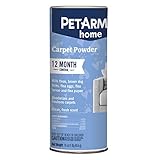
- LONG-LASTING CONTROL: PETARMOR Home & Carpet Powder kills fleas, brown dog ticks, flea eggs, flea larvae, and flea pupae.
- PET ODOR: PetArmor Home Carpet Flea and Tick Powder contains a pet odor eliminator, has a clean fresh scent, and is available in a 16-ounce cannister.
- EFFECTIVE: PetArmor Home Carpet Flea and Tick Powder kills fleas, flea eggs, flea larvae, flea pupae, and brown dog ticks.
- PROTECT YOUR HOME: Find fleas or ticks on your pet. They are probably in your home. Fleas lay up to 50 eggs a day. PetArmor Home Carpet Flea and Tick Powder helps you in the fight against fleas and ticks.
- PETS ARE FAMILY: PetArmor Flea and Tick Home products help you confidently protect your furry family member from fleas and ticks at home without a visit to the vet.
Product prices and availability are accurate as of the date/time indicated and are subject to change. Any price and availability information displayed on Amazon at the time of purchase will apply.




