Recommended Free Tools
Before adopting a dog with a disability, find out what that individual dog can do independently, what daily help or veterinary care they need, and whether your home, schedule, budget, and backup caregivers can meet those needs. A disability label alone does not tell you a dog’s temperament, activity level, quality of life, or equipment needs.
Start by assessing the individual dog and your household
Consider the same essentials you would for any adoption—personality, energy, exercise, and compatibility with the people and animals at home—alongside the dog’s specific care needs. PetMD recommends weighing energy, breed, and exercise requirements; RSPCA UK also points to lifestyle, working patterns, children, and other pets when considering a match. The RSPCA guidance describes a UK organization’s approach, not a universal adoption rule.
Compare each candidate dog’s documented needs and what remains uncertain. Think through daily time and cost, mobility or sensory accommodations, household fit, enrichment, access to veterinary or training support, and reliable backup care. A diagnosis by itself is not a sound basis for ranking dogs or predicting quality of life.
Questions to ask the shelter, rescue, or foster
Ask for specific examples from the dog’s current routine, not just a diagnosis or general description. The current caregiver may be able to explain which adaptations work and how the dog responds in situations similar to those in your home.
Free tools Windows power users keep installed
One-click scans. No signup required.
#1 Best Overall

- Harness Object: The Rear Legs support Harness is designed to help your elderly, disabled, or injured dog, who are unable to navigate the stairs, has a difficult time getting up and down, needs help walking and at any risk of falling
- Lifesaver: The dog carrying harness can pick up the rear end of your fur friend,prevent hip pain and injury caused by aging, support them getting in and out of the car,up and down the steps,help them get up from lying down,stabilize both the gait and spine
- Postoperative Rehabilitation : This Hip lifter is a helpful rehabilitation strap to help your furry pug who are post-op surgery of knee,CCL (ACL),TPLO,hip replacement and so on.They all have some trouble with the their back legs
- Soft Durable : Inside contains synthetic fleece material,the dog mobility harness is very fluffy and comfortable for your dog to wear,won't chafe your pups underbelly. The belly sling carrier outer cove with oxford fabric, it is sturdy for large dog
- Easy to Use:The concept of the portable dog lift support harness is great with the padded handles,so its cushion works great for all dog owners can give your dog a assist lifting with easy.The dog body hoist is washable and easy to carry or storage with drawstring bag when not use it
- What veterinary records, diagnoses, medications, and treatment recommendations are available? What is still unknown?
- What follow-up visits or additional expenses are expected? Can your veterinarian review the care plan before you finalize the adoption?
- Can the dog navigate the current home independently? How do they manage stairs, curbs, toileting, and getting into a vehicle?
- What help, equipment, or handling is needed each day, and what has the dog already used successfully?
- What cues does the dog understand? If hearing or vision is limited, how should someone approach, guide, or alert the dog safely?
- Does the dog react to being startled or to particular environments? What strategies have helped?
- How long can the dog be left alone, and can a sitter, boarding arrangement, or family member provide the care needed?
- What does an ordinary day involve, including exercise, medication, grooming, and rest?
- What post-adoption support does the organization provide, and whom should you contact if the transition is difficult?
Check whether the care plan fits your home and schedule
Before applying, map the dog’s needs against your household routine and practical constraints. Consider access and layout, transport, housing or landlord rules, children and other pets, available funds, and who could step in if you are away or unable to provide care. RSPCA UK notes that dogs need daily care, companionship, and enrichment; the amount and form of support should be assessed for the individual dog.
Prepare a quiet, safe resting area and secure hazards such as cords and doors. Gates or room boundaries may help if they make the home safer for this particular dog. Arrange a visit with a local veterinarian soon after adoption so they can review the records and discuss an individual care plan, as the ASPCA advises.
Rank #2
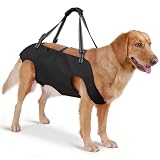
- Find Your Proper Fit: For Size M, the front and rear leg distance is 9″. Please measure your dog’s armpit-to-groin length for an accurate fit. Chest girth and weight are for reference. If your medium sized dog’s measurement is between two sizes, size down
- Assistance for Mobility-Limited Dogs: This dog sling is ideal for senior, disabled, joint-injured or blind dogs with limited strength and difficulty walking on their own. It provides gentle support to help your dog move and get around more easily
- Full-Body Movement Support: Providing full-body support for the chest, front and back legs, this dog vest harness assists with walking, stairs, car access, and hiking. Grooming, vet visits and post-injury recovery are also supported by this helpful slings
- Male-Friendly Relief Design: Specially designed with a dedicated opening so male dogs can urinate without removing the harness. For female dogs, unfasten the back fabric or straps temporarily when relieving themselves to avoid urine contamination
- Sturdy Material for Safe Lifting: This dog sling carrier features Oxford fabric and breathable mesh inner lining. Reinforced stitching helps provide secure lifting. For maximum control, always hold your dog steadily and maintain balance before lifting
Confirm medical, equipment, and behavior needs with professionals
Do not assume that a diagnosis means a dog needs specialized equipment. Ask the current caregiver what the dog actually uses, then check the need and fit with a veterinarian. For mobility concerns, a veterinarian or veterinary rehabilitation professional can help determine whether an aid is appropriate. PetMD describes a mobility support sling as one possible aid for some dogs; it is not a general requirement. A ramp may be worth asking about if a particular step or elevation is unsafe, but the need depends on the dog and setting.
Ask about the dog’s established cues and handling preferences, especially if vision or hearing is limited. If training or behavior support is needed, seek a qualified professional. PetMD recommends reward-based training and cautions against frightening tools; the foster caregiver can also explain what routines and approaches have worked.
Rank #3
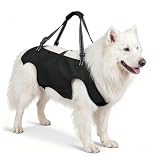
- Full-Body Mobility Support: Designed to provide comprehensive support for the chest, front, and back legs, making it easier for senior, disabled, or mobility-limited dogs to walk, navigate stairs, and access cars.
- Male-Friendly Relief Design: Features a thoughtfully designed opening that allows male dogs to urinate easily without needing to remove the entire harness.
- Sturdy & Breathable Material: Crafted from durable Oxford fabric with a breathable mesh inner lining and reinforced stitching to ensure safe, secure lifting and long-lasting use.
- Reflective & Adjustable Straps: Built-in reflective strips enhance visibility and safety during nighttime walks, while fully adjustable straps accommodate various body shapes for a balanced, snug fit.
- Easy Sizing & Measurement: To find the proper fit, please measure your dog's armpit-to-groin length and check the size chart carefully before purchasing to ensure optimal comfort and support.
Build a budget around this dog’s expected care
There is no reliable universal figure for the lifetime cost of adopting or caring for a dog with a disability. Write a dog-specific budget that accounts for known needs as well as ordinary ownership costs. Petfinder identifies routine veterinary care, food, licensing, supplies, training, and unexpected emergency veterinary bills among the costs to consider.
- Routine and emergency veterinary care, plus follow-up for known conditions
- Medication or other ongoing treatment, if prescribed
- Equipment or home adjustments confirmed as useful for this dog
- Transport, training, or rehabilitation where needed
- Paid care or backup arrangements when you are away
Ask the organization whether the adoption fee covers any preparation or veterinary services; policies vary. For insurance, read the actual policy and ask how the dog’s documented condition and related care would be treated. The ASPCA notes that many plans have waiting periods and do not cover pre-existing conditions, so a policy should not be assumed to cover a known condition.
Rank #4

- Harness Object: The Rear Legs support Harness is designed to help your elderly, disabled, or injured dog, who are unable to navigate the stairs, has a difficult time getting up and down, needs help walking and at any risk of falling
- Lifesaver: The dog carrying harness can pick up the rear end of your fur friend, moderate hip pain and injury caused by aging, support them getting in and out of the car, help them get up from lying down, stabilize both the gait and spine
- Postoperative Rehabilitation: This Hip lifter is a helpful rehabilitation strap to help your furry pug who are post-op surgery of knee, CCL (ACL), TPLO, hip replacement and so on. The back saver harness assist your dog while recovering from surgery
- Soft and Durable: Inside contains soft plush material,the dog lift harness is very fluffy and protect dogs' belly. The dog sling outer cove with oxford fabric. Our fabric is durable and won't expire easily and typically usable for up to 5 years
- Easy to Use: The portable dog lift support harness is great with the padded handles, so its cushion works great for all dog owners can give your dog a assist lifting with easy. It is washable and easy to carry or storage with drawstring bag
Find support and distinguish pet adoption from service-dog placement
Ask local shelters, rescues, and veterinary professionals about relevant support. Special-needs placement programs exist in some areas: Franklin County, Ohio, for example, describes connecting dogs needing extra care or specialized support with rescue partners. That is a local program, not a nationwide referral service.
A pet dog with a disability is not the same as a service dog trained to perform disability-related tasks for a person. The American Service Dog Foundation describes a separate process involving screening, professional task training, recipient matching, and team training; its placement arrangements do not describe the cost or process of adopting a disabled pet dog.
Quick wins for a faster PC:
Clear out junk files and repair common Windows errorsFree Scan →Fix the driver behind crashes, sound loss and screen glitchesFind Drivers →Repair Windows errors before they cause bigger problemsFix Now →Best Value
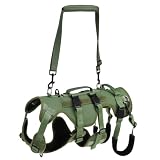
- LIFT YOU DOG: Equipped with detachable rear leg straps and shoulder strap leash to give your dog support and help them to go up and down stairs, get in and out of the car or during walks. Designed for senior dogs, dogs with joint pain, arthritis or other mobility problems, dogs recovering from surgery, etc
- HANDLE ASSIST: Comes with 2 sturdy handles to assist your dog when moving and reduce stress. Can also be used with the shoulder strap to lift and transfer your dog, suitable for use with injured dogs. It can also help restore your dog's confidence after they have recovered
- COMFORTABLE & HEAVY DUTY: The lift harness has a nylon surface that is scratch-resistant, abrasion-resistant and durable, and is lined with mesh, which is breathable and soft, and doesn't trap hair. Six adjustable clips are distributed around the neck, chest, and belly, making the harness fully adjustable to best fit your furry friend. Dogs can wear it all day long
- TRAINING HARNESS: Belly strap and rear leg straps are detachable, and the harness can be used as regular vest harness. The front D-ring can be used to train your dog not to pull and the back D-ring can be used for daily walks. Back handle for quick dog control. Multifunctional escape proof dog harness for medium large breeds
- GUIDE FOR SIZE L: Back Length 20", Belly Girth 20"-36", Chest Girth 22"-40", Neck Girth 23"-29", Rear Leg Strap Length 13"-20", Shoulder Strap Length 31"-53"(including clasp). Please make sure that the size of each part of the dog meets the above data before purchasing
Give the transition time
Ask the foster or rescue for the dog’s routines, cues, and effective ways to offer help, then keep those patterns steady as the dog settles in. Adjustment takes time, and some care needs may continue. PetMD quotes Terri M. Bright, director of behavior services at MSPCA Angell, saying, “Expect that whatever issues [that] caused the special needs may not disappear with time.” The quotation appears in PetMD’s article, updated December 26, 2018 and reviewed by Jennifer Coates, DVM.
Quick Recap
Product prices and availability are accurate as of the date/time indicated and are subject to change. Any price and availability information displayed on Amazon at the time of purchase will apply.




