Recommended Free Tools
Ask about the animal’s health records, day-to-day behavior, known history, and needs—and explain what life in your home would be like. A short meeting at an adoption event can help you start that conversation, but it cannot predict exactly how an animal will behave after settling in. Gather what the shelter or rescue knows, clarify what remains uncertain, and give yourself time to decide.
Start with health, records, and ongoing care
Ask what is known rather than assuming the organization has a complete medical history. This is especially important for an animal found as a stray. Missing information does not, by itself, point to a particular diagnosis.
- What do you know about this animal’s medical history, and why is any current treatment being given?
- Has the animal had an intake or veterinary examination? What were the findings?
- Which vaccinations, deworming or other parasite treatments, and other care have been provided? Can I take home copies of the records?
- Is the animal taking medication or due for follow-up treatment? What care should continue right away, and whom should I contact with questions?
- Are there health concerns I should discuss with a veterinarian soon after adoption?
Bring any available vaccination and deworming information to the first veterinary visit, as the American Veterinary Medical Association advises for dog adopters. The AVMA guidance is specific to dogs; ask the adoption organization and a veterinarian about appropriate care for other species.
Ask how the animal behaves in everyday situations
Look for observations from different people and settings, not just an event-day impression. Ask who saw a behavior, what was happening at the time, and whether accounts differ.
#1 Best Overall
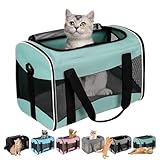
- [PRODUCT DIMENSIONS] Pet travel carrier size : 17x11x11 inches, recommended up to 15 lb pets, it is suitable for large, medium cats and small dogs. Please don't choose your airline cat carrying case based on weight, please refer to your pet's length and height when choosing a pet carrier size.
- [AIRLINE APPROVED] This cat carrier is designed with airline approved, it can fit comfortably under most flight seats, we can take our pets wherever we want. Dog travel carrier offers two attachment loop handles that can be used as a dual harness or as a luggage strap for balanced carry and secure transport.
- [EXCELLENT MATERIAL] Collapsible cat carrier is made of polyester fabric, supported by a steel ring, washable, wear-resistant and durable. The three sides and the top of this pet carrier are nylon mesh, scratch-resistant and not easy to damage, it can not only check your pet in real time, but also ensure enough air circulation.
- [SAFE AND COMFORTABLE] Dog travel bag has metal zippers on the top and side entrances, durable and not easy to deform, it allows your pets to enter and exit easily. The cat carrying case is equipped with an anti-escape safety buckle, which can effectively prevent pets from accidentally falling. It is suitable for car rides and vet rides.
- [PORTABLE AND FOLDABLE] Pet travel carrier comes with a detachable and hand washable wool pet bed, it can provide a comfortable sleeping space for your traveling pet. The cat travel case comes with an adjustable shoulder strap and handle for easy portability. When not in use, you can fold it up for storage.
- What is known about the animal’s previous home or foster placement?
- What have staff and volunteers noticed during ordinary daily care?
- Has the animal been around children, unfamiliar adults, dogs, cats, or other animals relevant to my household? In what setting?
- How does the animal respond to handling, routine care, being alone, new environments, and activity?
- Are there behaviors or needs that could call for extra time, training, or management?
For dogs, information may come from previous-owner reports, intake examinations, daily-care observations, socialization, walks, or playgroups. Each source has limits: an observer may not have behavior expertise, and behavior during a medical exam can reflect stress or discomfort. The ASPCA cautions that “Behavior assessments have not proven highly accurate or precise when used to predict aggression after adoption.” Its position statement on shelter dog behavior assessments recommends considering multiple sources of information.
A quiet, fearful, exuberant, or reactive presentation at an event is one observation in one context—not a guarantee of what will happen at home. Ask follow-up questions about concerning behavior and, where possible, whether it has been observed in another setting. Do not treat a brief introduction as proof that an animal is compatible with your household, or assume a behavior will disappear after adoption.
Rank #2
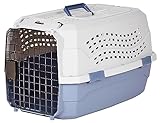
- Hard sided pet carrier with 2 doors for front and top entry; suitable for cat or medium size dog weighing 12 - 20 pounds
- Durable plastic construction with steel wire doors; screws keep the top and bottom sections securely connected
- Spring load latches ensure easy one-handed door opening and closing; top door swings open to the left or right and includes a top carry handle
- Plenty of air ventilation on the sides, top, and back of the carrier
- Note: Be sure to measure the size of the pet when choosing carrier size
Discuss whether the animal and your household fit
Give staff a realistic picture of your home and routine so they can help identify known needs and possible challenges. Placement is a two-way conversation, not a pass-or-fail test.
- What daily activity, companionship, grooming, or supervision does this animal appear to need?
- What is known about the animal’s experience with other pets or children?
- My household includes [describe resident pets, children, schedule, housing, and experience]. Is there anything about that setup I should consider?
- What might the adjustment period involve, and what support can your organization offer?
The ASPCA’s shelter responsibilities statement says placement decisions should consider an adopter’s ability and willingness to meet an animal’s medical or behavioral needs. For dogs, the AVMA also advises choosing one whose needs fit the family, home, and lifestyle, and cautions against acquiring an animal impulsively.
Rank #3

- High Quality Design:Sturdy steel cage structure and wooden support board maintain good spatial stability and shape. Breathable mesh windows on four sides,which can ensure good air circulation and views,make pets have a comfortable and safe travel.It can also be easy for you to check on your pets.There is a front pocket to store pet toys,treats,etc.
- Dimension and Weight:Made of durable tear-resistant fabric.Four easy entrances for pets. Dimensions: 17 inch x 11 inch x 11 inch (L*W*H), suitable for pets up to 16 lbs.Please don't choose your carrier based on weight only,consider your pet's length and height when choosing a carrier.
- Airline Approved & Safty:Can be placed under the seats of most airplanes(Four non-slip feet on the bottom to prevent movement), and comfortably on the seat next to you in a car or bus.It has a adjustable shoulder strap.Can also be fastened to the car seat with a safety belt or shoulder strap to keep your pet safe.
- Easy to Clean :You can clean the stains and dirt on the surface with a soft cloth.Soft mat inside the pet carrier is removable and washable.You can take it out and wash it easily to solve all stains.
- Easy to Collapsible & Lightweight:When not in use,fold it into a flat,space saving and easy to store.Only 2.2lbs,it's easier to carry around.It can also used as a toy of pet house,allowing pets to play in a safe space to relax and rest.
Confirm the adoption terms and help available afterward
Policies and support vary by organization, so ask the event staff to explain the actual terms rather than relying on assumptions.
- What is included in this adoption, and what care or appointments remain for me to arrange?
- What is the organization’s policy if the placement is not working out?
- Whom can I contact with medical, behavior, or transition questions after adoption?
- Are there commitments, appointments, or records I need to complete or take home?
The ASPCA’s adoption tips recommend establishing veterinary care shortly after adoption. Ask the organization what follow-up it recommends for this particular animal.
Rank #4

- Pet Carrier: 17.5” L x 11” W x 11” H, Recommended max load of 16 lbs cats small dogs. Please do not choose your carrier based on weight--please reference your pet's length and height in selecting a pet carrier size.
- Fits for under-seat dimensions of most airlines. Every airline has a specific set of rules and regulations, please contact with airline before flying with your cats small dogs.
- Mesh windows for ventilation, top and side entry with locking zippers for safety. Carrying handles, adjustable shoulder strap which can also be used as seatbelt, and back strap can fasten the pet carrier to your luggage.
- Pet carrier comes with a removable base insert, which creates a solid surface for your pet to stand on, along with a removable & hand washable cozy fleece pet bed, which offers a cozy sleeping space for your traveling cats small dogs.
- "Toys for pets, of textile materials". Mostly used as a Toy of Fabric Pet Home for pets playing and relaxing.
Before you leave the event
- Write down what staff say is known and what remains uncertain, including who observed relevant behavior and in what setting.
- Take copies of available medical and vaccination records, and note current medication, care instructions, and scheduled follow-up.
- Get the organization’s contact details and written adoption terms, including its policy if the placement does not work out.
- If you have resident pets, ask how to handle introductions. ASPCA guidance recommends keeping existing pets’ toys separate while the animals adjust; toys can also help with chewing.
- Identify a nearby veterinarian and arrange a visit soon after adoption.
At every step, it is reasonable to ask for time to think. The ASPCA encourages prospective adopters to ask adoption staff questions and set realistic expectations in its adoption guidance.
Quick Recap
Best Value

- AIRLINE APPROVED CARRIER - With airline-approved design, you can take your pet to go to everywhere. This pet carrier provides two connecting loop handles for balanced carrying as a dual seat belt or luggage strap to secure transport
- SAFETY DESIGN - The adjustable shoulder strap help you hands-free carrying and makes it more safe and convenient pet carrier bag for your travel
- DURABLE - This cat carrier is made of durable and lightweight polyester fabric. The four-side mesh will not only give a safe and comfortable travel for your pet, but also easy for you to check on your pet
- PORTABLE & FOLDABLE - This dog carrier is easy to carry and store, which has a padded shoulder strap and handles
- BOTH SIZES AND WEIGHTS - The mediun cat carrier is designed for small and medium pets within 15" x 9" x 9"(smaller than product) and 15 lbs. Please do not choose your carrier only based on weight. Reference your pets' length and height in selecting a carrier size.If carried on board, the maximum dimensions should not exceed 18IN*11IN*11IN.
Product prices and availability are accurate as of the date/time indicated and are subject to change. Any price and availability information displayed on Amazon at the time of purchase will apply.




