Free tools Windows power users keep installed
One-click scans. No signup required.
A “miniature llama” is a llama classified under a registry’s size and age rules—not a separate species. Under the American Miniature Llama Association’s (AMLA) specifications, an animal must be at least three years old and measure no more than 38 inches at the withers to qualify for miniature registration. That is an association-specific standard, not a universal definition.
What is a miniature llama?
Llamas are Lama glama, one of the four South American camelid species, and are grazers and browsers, according to the UK Department for Environment, Food & Rural Affairs and Animal & Plant Health Agency’s 2025 guidance. “Miniature” describes a classification used by an association or registry. It does not identify a distinct species.


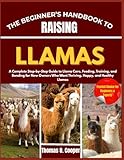

That distinction matters when assessing a young animal: a small size before maturity does not by itself establish that the llama will meet mature miniature criteria.
How big does a miniature llama get?
AMLA registration criteria
AMLA’s specifications allow llamas at least three years old and no more than 38 inches tall at the withers—the ridge between the shoulder blades—to be registered as miniature llamas. The page is undated, and these criteria apply to AMLA’s registration system; other registries may use different rules.
What’s actually slowing this PC down?
Pick the symptom - the matching free tool is one click away.
AMLA also says females measuring 38.1 to 40 inches may be registered as “Miniature Foundation” when used in a breeding program. Animals under three years old may receive immature status only when they meet the association’s specified parentage conditions. Check the registry’s current requirements and the animal’s documents rather than treating a young llama’s height as proof of mature status.
Show limits are a separate measure
The International Llama Registry’s show guidance sets maximum heights by age division. These are show-entry limits, not a universal definition of miniature registration.
Rank #2
| ILR show division | Maximum height |
|---|---|
| Juvenile | 35 inches |
| Yearling | 36 inches |
| Two-year-old | 37 inches |
| Mature | 38 inches |
Confirm the applicable class rules with the show organizer, since a show measurement does not automatically determine an animal’s registry category.
General llama size is not miniature-specific
UK government guidance published in 2025 gives a general adult llama bodyweight range of 113–250 kg and a lifespan of 15–29 years. Those figures are for llamas broadly; the guidance does not establish miniature-specific adult weight or lifespan. Do not use the general range to predict the size or longevity of a miniature-classified animal.
Do these 3 things before closing this tab:
1Repair Windows errors before they cause bigger problems2Fix the driver behind crashes, sound loss and screen glitches3Clear out junk files and repair common Windows errorsWhat care does a miniature llama need?
The available care guidance is for llamas generally, not a separate miniature husbandry standard. The Llama Association of Australasia’s Code of Ethics calls for:
- Suitable feed, plenty of roughage, and clean water.
- Appropriate paddocks and shelter from weather.
- Companionship with other llamas or another suitable grazing species.
- Regular observation and health maintenance, with veterinary advice for illness or injury.
- Handling skills or facilities that allow routine care, including haltering, leading, tying, and handling the feet, legs, and head.
The code names nail attention, shearing, teeth checks, vaccination, and parasite control as areas of routine maintenance, but their timing depends on suitable care and assessment. Ask a veterinarian to advise on an individual llama; the association guidance is not a veterinary schedule.
Halter training is part of making routine care manageable. The cited guidance supports halters as task-related equipment, but does not evaluate particular models or fitting methods.
Independent reader supportYour contribution helps us test, update, and keep practical guides available for everyone.What should you check before buying?
Assess the individual animal rather than relying on the word “miniature” in an advertisement. The Llama Association of Australasia recommends clear sale arrangements and supports a buyer-requested veterinary soundness check at the buyer’s expense. Ask the seller for transparent answers and records on:
Windows Errors? Fix Them Before They Spread
Repair common Windows errors and clear accumulated junk for a smoother, more stable PC - no reinstall needed.Free scan · no reinstallCrashes, No Sound, or Screen Glitches?
Random freezes, missing sound and display glitches usually trace back to one bad driver. Find and replace yours safely.Free scan · under a minuteBest Value

- Used Book in Good Condition
- Age, height, and classification: Confirm date of birth, withers measurement, registry, and the animal’s registration or transfer documents. For young animals, ask what parentage records support any immature status.
- Health history: Review veterinary records and ask about vaccination, parasite management, and any prior illness or injury.
- Temperament and handling: Find out how the llama responds to haltering, leading, tying, and routine handling.
- Soundness and intended purpose: Discuss whether the animal is suitable for your plans, including any breeding eligibility, and arrange a veterinary check if appropriate.
- Written sale terms: Put the agreement, documents to be transferred, and any conditions in writing.
Plan for a long-term commitment and daily observation. Llamas need suitable space, forage, water, shelter, appropriate company, and access to health care; the general lifespan range cited by UK guidance is 15–29 years, not a miniature-specific estimate.
How to compare two miniature llamas
Use the same criteria for each animal, and verify claims against records rather than comparing labels alone:
Quick Recap
- Age and withers height, measured on the same basis.
- Registry classification and supporting parentage documents.
- Temperament and handling experience.
- Health history and physical soundness.
- Suitability for your intended purpose and, if relevant, eligibility under the applicable show rules.
Product prices and availability are accurate as of the date/time indicated and are subject to change. Any price and availability information displayed on Amazon at the time of purchase will apply.




