Free tools Windows power users keep installed
One-click scans. No signup required.
A swollen cat eye is a sign that something is inflamed, irritated, injured or under pressure. It is not a diagnosis. Conjunctivitis, corneal ulcers, trapped debris, eyelid problems and glaucoma can all look similar from the outside, and the cause cannot be reliably identified by appearance alone. Veterinary assessment is the right next step in most cases. Seek emergency care right away if the eyeball is out of its socket, the eye has suffered severe trauma, or the cat has sudden vision changes.
Where the swelling is matters
“Swollen eye” can describe the eyelids, the thin membrane that lines them and covers the white of the eye, or the eyeball itself. Each location points toward a different group of conditions, which is why the first useful detail to give your veterinarian is exactly where the swelling sits.
| Where the swelling appears | Conditions to consider | Signs that often come with it |
|---|---|---|
| Eyelids | Inward-turned eyelids (entropion), injury, or irritation from trapped material | Puffy lids, rubbing or pawing, keeping the eye partly or fully closed |
| Conjunctiva (membrane over the white of the eye and inside the lids) | Conjunctivitis, infectious or noninfectious | Redness, tearing, discharge, squinting |
| Cornea (clear surface at the front of the eye) | Corneal ulcer or scratch, chemical burn | Cloudiness, squinting, rapid blinking, rubbing, keeping the eye closed |
| Eyeball and internal pressure | Glaucoma, and other eye disease | Bulging eye, pain, watery discharge, redness, cloudy or bluish cornea, dilated pupil, vision loss |
The signs in this table overlap, so location narrows the possibilities without settling them.
Common causes
Conjunctivitis
Conjunctivitis is inflammation of the conjunctiva. VCA Animal Hospitals, in its Conjunctivitis in Cats guidance, lists infectious causes including feline herpesvirus, feline calicivirus, Chlamydophila felis and Mycoplasma. Noninfectious causes include foreign material, chemical irritation, allergies and inward-turned eyelids. Conjunctivitis can also occur alongside corneal ulcers, dry eye, glaucoma and uveitis. Redness, swelling, tearing, abnormal discharge, squinting and keeping the eye closed are the typical signs.
What’s actually slowing this PC down?
Pick the symptom - the matching free tool is one click away.
#1 Best Overall

- Our formula contains various beneficial ingredients for dog & cat Eye Infection Treatment, Soothe Infection Allergy, Relieve Dry Eyes & Red Eye,Eye Cleaner And Tear Stain Remover such as Artifcial Musk, Gentian Tablets, Borneol,Aloe, chrysanthemum, Cassia Seed.
- Product effectiveness: Under normal circumstances, significant improvement can be seen after three days of continuous use. If the condition is more complicated and serious, you can continue to use this product for your pet. The product ingredients are natural and mild, and the safety of your pet is guaranteed.
- Daily Dosage and Frequency: 1. For initial use, apply 2 drops twice daily to your pet for 15 consecutive days. Starting on the 16th day, apply once daily. 2. Under normal circumstances, apply once daily. If the condition has recovered, apply once every two days.
- Product safety: This product uses natural plant extracts, so the ingredients are non-irritating and can be used normally for your pets. The product is gentle and effective, and is very effective for pet recovery.
- Effect after use: Using this product can keep your pet's eyes bright, moisturized and comfortable, avoiding various eye problems caused by the external environment, making your pet's daily life more pleasant.
Corneal ulcers and injuries
A corneal ulcer is an open sore on the clear surface of the eye. It can follow a scratch or contact with a sharp object, a viral infection, or a chemical burn. Affected cats may rub the eye, squint, blink rapidly, keep the lids closed or produce discharge, and the cornea can look cloudy. VCA’s Corneal Ulcers in Cats page notes that “corneal ulcers are usually detected with the use of special stains such as fluorescein.” A cloudy or squinting eye after any injury should be examined the same day.
Glaucoma
Glaucoma is a rise in pressure inside the eye. Its signs can include pain, watery discharge, a swollen or bulging eyeball, redness, a cloudy or bluish cornea, dilated pupils and vision loss. VCA’s Glaucoma in Cats guidance classifies acute glaucoma as an emergency, because blindness can develop quickly without prompt pressure reduction.
When to act
Book a veterinary appointment promptly
Do not wait several days to see whether a swollen eye settles on its own. Contact your veterinarian promptly if:
Rank #2
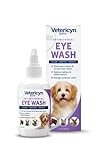
- SOOTHE PET'S IRRITATED EYES: Vetericyn Plus Eye Wash works to effectively flush the pet's eye and provide relief from symptoms of pink eye and other eye irritations
- DAILY PET EYE CLEANING: Safe to use daily to reduce allergy symptoms and redness, and can even help clean and remove tear stains
- ANTIBIOTIC FREE & NON-TOXIC: Vetericyn Plus Eye Rinse is a cost-effective, safe, and pain-free alternative to antibiotics ointments or expensive eye drops that may cause your pet discomfort
- VETERINARIAN RECOMMENDED: An essential pet first aid product giving you the ability to care for your pets from the comfort of your own home
- TRUSTED BRAND: Vetericyn is a leader in at-home animal health products manufactured to help pet owners take the best care of their animals
- the eye is swollen or very red
- the cat squints, blinks rapidly or holds the eye closed
- there is yellow, green or red drainage
- the eye looks cloudy or suddenly bulges
- the eyelid is injured
Seek emergency care
Go to an emergency clinic without waiting for a routine appointment if:
- the eyeball is out of the socket
- there has been severe trauma to the eyeball
- the cat has sudden vision changes or signs consistent with acute glaucoma, such as a painful, bulging eye with a cloudy cornea
VCA’s Urgent Care for Eye Issues page covers the same warning signs for urgent care.
Independent reader supportYour contribution helps us test, update, and keep practical guides available for everyone.What your veterinarian may check
- History: when the swelling started, any known injury, recent exposure to other cats, and any eye treatment already given.
- Examination: the eyelids, conjunctiva, cornea, pupils and surrounding tissues.
- Fluorescein staining: a dye applied to the eye that shows corneal scratches and ulcers.
- Tear production testing: measures whether the eye makes enough tears.
- Intraocular pressure measurement: checks for glaucoma.
- Sampling and drainage assessment: samples may be taken from discharge, and the tear drainage system may be evaluated.
These tests separate conditions that look alike, and the results determine whether treatment is medical, specialist-led or both.
Rank #3
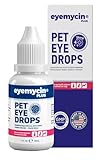
- Daily Cleaning - This eye drop for dogs and cats is suitable for daily eye care of pets, removes tear stains and smudges, restores the shine of the hair around the eyes and soothes canine, feline, and dog eye infection treatments, itchy foreign body discharge and other symptoms
- Effective, Gentle, and Safe - The active ingredient of our eye drops for cats is Hypochlorous Acid (HOCI). HOCI is a naturally occurring substance produced by mammalian white blood cells to boost your pet's immune system. We synthesize a stable immune factor, the HOCI molecule, through EYEMYCIN PET HOCI technology, which has revolutionized safe animal care for all pets and their owners
- Reliable Solution - This dog eye drops for infection are gentle, non-irritating, no alcohol added. Developed to strict standards and trusted by professionals, its natural ingredients and proven effectiveness make it a reliable solution for maintaining optimal eye health in your furry friend
- Easy and Precise Eye Care - EYEMYCIN PET’s innovative nozzle design ensures precise and easy dispensing of each drop, while also protecting your buddies’ eyes from accidental injury. This unique design makes the application of eye rinse quick, safe, and gentle, reflecting our genuine care for your pet’s comfort and health
- For Cats ,Dogs , Horses & Birds - This pet eye drop is suitable for cats and dogs, easy to operate, and can easily provide eye care for your furry friend. Whether indoors or outdoors, it can be used for cleaning anytime and anywhere
Treatment and recovery
Treatment is specific to the cause. It may include topical or oral medication, treatment of an underlying disease, or referral to a veterinary eye specialist.
Why old eye medication is risky
Do not reuse eye drops or ointment left over from an earlier episode, and do not give human medication unless a veterinarian specifically directs it. VCA cautions that old medication may not help and may be harmful.
Collars and rubbing
If your cat rubs or paws at the eye, ask your veterinarian whether an Elizabethan collar is appropriate. In corneal ulcer care, VCA includes a collar to stop rubbing. A collar protects the eye while it heals but does not treat the cause of the swelling.
How long healing takes
VCA’s corneal ulcer guidance states that superficial abrasions and ulcers generally heal within three to five days. That timeframe applies to superficial corneal lesions only, not to swollen eyes in general. Deeper or worsening ulcers can threaten vision and need a recheck with your veterinarian rather than waiting out the timeline.
Quick Recap
Product prices and availability are accurate as of the date/time indicated and are subject to change. Any price and availability information displayed on Amazon at the time of purchase will apply.




