The first job is to decide whether you are dealing with a cat that has always been selective or a cat whose appetite has changed. A long-standing preference for certain textures or meal times can be managed at home. A new drop in appetite, or a refusal to eat, can signal pain, illness, or stress, and it should be checked by a veterinarian before you adjust the menu. Once medical causes are ruled out, the practical approach is to measure everything the cat eats, make mealtimes predictable, work with the textures she reliably accepts, and change foods gradually.
Start by deciding: selective, or sick?
Veterinary guidance treats “picky” as a description of behavior, not a diagnosis. The Cornell Feline Health Center describes appetite loss as a broad clinical sign rather than a disease in itself, and it can reflect illness or psychological stress. Its anorexia overview also warns that the effect on a mature cat’s health can be serious within as little as 24 hours. That is a clinical warning about how quickly a mature cat can be affected, not a study statistic.
Use the pattern below to sort the situation:
- Likely longstanding selectivity: the cat has always been fussy about texture, flavor, or bowl type, eats a stable amount, keeps a healthy weight, and behaves normally otherwise.
- Possible medical or stress cause: intake has dropped recently, the cat walks away from food she used to eat, weight is falling, or she shows any other change in behavior, grooming, litter use, drinking, or energy.
- Possible pain while eating: the cat approaches the bowl and then backs off, chews on one side, drops food, or paws at her mouth. A cat may look “fussy” when eating hurts.
If the change is new, or if you are unsure which category applies, book a veterinary visit before trying feeding strategies. Cornell’s guidance is direct on this point: a cat that is not eating deserves a full workup, meaning a thorough physical exam followed by any lab work and imaging the exam indicates. That line comes from Carolyn McDaniel, VMD, a lecturer in clinical sciences at Cornell University’s College of Veterinary Medicine.
Rule out medical causes first
VCA’s guidance on picky eaters says the first step is to rule out medical causes. The conditions it names as possible drivers of reduced appetite include:
Outdated Drivers Are Slowing You Down
One free scan finds every outdated or missing driver and matches the right update for your exact hardware.Free scan · exact hardware matchPC Slower Than It Used to Be?
A free scan shows the junk files, broken settings and background clutter dragging Windows down - then fixes them in one click.Free scan · Windows 10 & 11#1 Best Overall
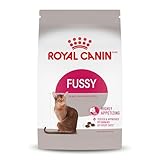
- FOR ADULT CATS WITH PICKY APPETITES: ROYAL CANIN Fussy is formulated for adult cats that have a tendency to reject their food.
- HIGHLY APPETIZING POULTRY-BASED KIBBLES: A special combination of aromas makes mealtime interesting.
- ENERGY-DENSE AND RICH IN PROTEIN: This complete and balanced formula helps fussy cats maintain a healthy weight.
- FOR INDOOR AND OUTDOOR FELINES: This tailor-made nutrition is suitable for indoor and outdoor cats as well as those who are spayed and neutered.
- TESTED & APPROVED BY OWNERS OF FUSSY CATS*: ROYAL CANIN Fussy has proven successful in appealing to cats with picky appetites, as confirmed by those who know them best. (*Royal Canin Internal Study)
- Dental disease, including painful teeth or gums
- Kidney disease
- Gastrointestinal problems
- Arthritis, which can make bending to a low bowl uncomfortable
An examination and appropriate diagnostics may be needed to tell these apart. Feeding tricks are not a substitute for that step. Ask your veterinarian to check the mouth specifically if the cat chews unusually, drools, or eats only soft items, because pain is an easy thing to miss in a cat that keeps eating small amounts.
Do not force-feed a cat as a way to test whether she will eat. Cornell notes that forcing food can worsen aversion, which makes the next meal harder as well. Force-feeding should only happen under veterinary direction.
Rank #2
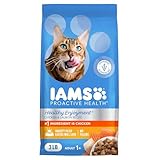
- Veterinarians Recommend IAMS: Feed your favorite feline IAMS Proactive Health dry cat food to support their whole-body health
- Discover the Proactive 5 Difference: The Proactive 5 health benefits for IAMS Proactive Health are scientifically designed to support five key areas of your cat’s health, keeping them full of life, for more of life
- #1 Ingredient is Real Chicken. This nutrient-rich adult cat food is made with real chicken, contains high-quality protein sources, and supports a healthy body that loves to play
- Maintains Healthy Digestion: A specialized fiber blend and prebiotics help nourish the intestinal cells and improve the absorption of nutrients
- Healthy Immune System: This dry cat food is enriched with antioxidants to help maintain a strong immune system
Measure the whole day, not just the bowl
Many “fussy” cats are actually getting more food than the owner thinks, because treats, table scraps, and food used to hide medication do not show up in the bowl count. VCA recommends recording everything the cat eats for three to five days when intake is unclear. Follow these steps:
- Write down every meal, including the amount left in the bowl at the next feeding.
- Log every treat, snack, lick of cream, and piece of food used to give medication. Include the approximate amount.
- Note the time of day and whether the cat ate fully, partly, or walked away.
- Weigh the cat at the same point each week if you have a scale at home, and bring the log to your veterinary visit.
- Ask the veterinary team to estimate the daily calorie need from body weight, body condition, life stage, activity level, and the calorie density of the food you feed.
The log serves two purposes. It shows whether the cat is actually undereating, and it shows whether extras are pushing her past her calorie plan. Both problems are common, and they require opposite responses.
Rank #3
- Great Flavor
- Ultra palatable
- Enticing Aroma
- Savory Tuna
- Reviewed & Recommended by Tiki Cat Veterinary Nutritionists
Set up the eating space so the cat can eat
Cornell notes that several environmental factors can deter eating: noise, heavy foot traffic, other animals, dirty food containers, and a food bowl placed near the litter box. Address them one at a time so you can see which change matters:
- Location: choose a quiet spot away from the litter box, the washing machine, and busy doorways.
- Bowls: wash bowls daily. Many cats dislike plastic that holds odor, and some prefer a shallow dish that does not press their whiskers.
- Other animals: in multi-cat homes, separate feeding areas can make each cat’s intake visible. Feed meals at set times and remove uneaten wet food after a fixed period so you know what was consumed.
- Routine: feed at consistent times. A routine makes a change in appetite obvious sooner, which is the point of the whole exercise.
Work with preferences you can keep
If illness has been ruled out and the cat reliably accepts certain foods, the goal is to make that pattern stable and within her calorie plan rather than to chase every new flavor. VCA advises consistency for cats with established preferences. Options it describes that may help some cats include:
Rank #4
- MADE WITH WHOLESOME INGREDIENTS YOU CAN TRUST: Every Inaba product is made with yummy high-quality ingredients including farm-raised chicken and/or natural wild-caught tuna
- SAVORY AND SUCCULENT: The first ingredient is chicken broth made from 100% natural chicken, then we mix in succulent flakes of natural chicken plus tuna, scallop or salmon, giving your kitty four mouthwatering flavors to choose from
- TASTY TOPPERS: Top their meal with a delicious treat that is healthy and hydrating. Each pouch has 90% moisture and only 16 calories, so you can feel good about adding it to their bowl of bland dry cat food
- FREE FROM THE BAD STUFF: Each serving is grain-free, preservative-free, carrageenan-free and free from artificial colors, but we've added Vitamin E for your cat's immunity
- CONVENIENT COMPLEMENTS: These convenient individual pouches make a perfect side-dish or complement to your fur babies meal
- Small wet-food portions: a measured amount at each meal is easier to track than a bowl left out all day.
- A modest topper: a small amount of a suitable topper can make a dry food more appealing, as long as it fits within the daily calorie allowance.
- An interactive food puzzle: a food puzzle feeder can add enrichment for a healthy cat that already eats. It is not a treatment for appetite loss, pain, nausea, or dental disease, and it has not been evaluated here as a product.
Treats and toppers belong in the daily calorie count. A cat that is offered a new snack at every meal will often hold out for it, and her complete food becomes less attractive.
Wet versus dry food is a matter of preference and suitability, not a universal ranking. Choose the format the cat accepts consistently and that a veterinarian confirms is complete and balanced for her needs. If you plan to feed a home-prepared diet, VCA recommends working with a veterinarian or board-certified veterinary nutritionist.
What’s actually slowing this PC down?
Pick the symptom - the matching free tool is one click away.
Best Value

- PICKY EATER APPROVED: Premium raw-coated kibble cats love – our freeze-dried raw coating delivers irresistible taste that even the most selective eaters enthusiastically devour.
- HIGH-PROTEIN, ANCESTRAL NUTRITION: 65-70% animal protein with cage-free chicken as the #1 ingredient – formulated to provide the nutrient-rich diet your cat's wild ancestors thrived on.
- SMALL KIBBLE SIZE WITH DIGESTIVE SUPPORT: Perfect for kittens, senior cats, and cats with dental issues – includes natural fiber and probiotics to promote gentle digestion.
- PROMOTES HEALTHY SKIN & GLOSSY COAT: Rich in omega fatty acids from salmon oil and fenugreek seeds that visibly improve coat shine and reduce shedding – supports complete feline wellness.
- PURE QUALITY, USA CRAFTED: Grain-free recipe with NO fillers or artificial additives – responsibly sourced premium ingredients in small batches for maximum freshness and nutritional integrity.
Change foods gradually
A sudden food switch is one of the most common reasons a cat refuses to eat. International Cat Care recommends starting with a small amount of the new diet mixed into the old one and increasing it as the cat accepts it. The usual timeline is 3 to 7 days, and it can take longer for a very fussy cat.
- Start with a small amount of the new food mixed into the current food.
- Increase the new food gradually as the cat eats it without refusing.
- If she resists at any stage, slow down and stay at the previous step for longer.
- For a therapeutic or prescription diet, follow the prescribing veterinarian’s instructions exactly, and ask the clinic what to do if the cat refuses.
Do not switch foods during an unexplained appetite drop. The change can mask the cause, and it adds a second variable that makes the log harder to read.
Decision path: what to do next
| Situation | What to do |
|---|---|
| Eating less than usual, refusing food, losing weight, or seeming unwell | Contact your veterinary team promptly. Do not try a feeding strategy first. |
| Healthy and stable, but simply selective | Track intake for several days, including treats. Confirm the daily amount and that the food is complete and balanced. |
| Food offered but not eaten | Check the feeding location, bowl cleanliness, noise, other pets, and proximity to the litter box. Separate meals in multi-cat homes. |
| Food change needed | Transition gradually over 3 to 7 days or longer. For prescribed diets, follow the veterinarian’s instructions. |
| Considering a food puzzle | Use it as optional enrichment for a healthy cat that eats. Do not use it to address unexplained appetite loss. |
For sources on specific feeding frequency, see Cornell’s guidance on how often to feed a cat at how often should you feed your cat? Cornell’s overview of feeding, last updated April 30, 2026, is available at Feeding Your Cat. VCA’s picky-eater guidance is at My Cat Won’t Eat: Feeding Picky Eaters, and Cornell’s anorexia overview is at Anorexia. The International Cat Care leaflet on changing food is at Changing Your Cat’s Food.
Quick Recap
Product prices and availability are accurate as of the date/time indicated and are subject to change. Any price and availability information displayed on Amazon at the time of purchase will apply.
Do these 3 things before closing this tab:
1Clear out junk files and repair common Windows errors2Scan for outdated or missing drivers - takes under a minute3Repair Windows errors before they cause bigger problems



