Pet-proofing means looking at your home from your animal’s height and removing or securing anything it can reach, chew, lick, swallow, knock over, or get trapped in. The highest-priority items are medicines, cleaning and laundry products, batteries, chemicals, electrical and blind cords, toxic plants, and small objects. Then check gaps, windows, and leftover pest-control traps. Repeat the walkthrough as your pet grows, learns to climb, or changes its habits.
Start with a walkthrough at pet height
Most household exposures come from items that were within easy reach and never looked dangerous to the people who owned them. A useful first pass is to get down on the floor and move through each room the way your animal would.
- Get down to your pet’s eye level and note anything it could reach by standing, jumping onto a chair, or climbing a shelf.
- Check the floor for small objects: coins, hair ties, rubber bands, plastic bags, buttons, and small toy parts.
- Follow every cord and string to where it ends. Note any blind cords, curtain tie-backs, and dangling phone or charger cables.
- Open cabinets and drawers at the lower levels, including under sinks and in laundry areas.
- Look at windows, gaps behind furniture, and the spaces under appliances.
- Scan for plants, medications on nightstands, and anything left on counters or in bags.
Puppies and kittens need extra attention. ASPCA’s guidance on bringing home a puppy or kitten notes that young animals explore by chewing and swallowing, so a hazard that an adult ignores can be a serious risk for a small animal. Repeat the walk when your pet is older, bigger, or more athletic, because reach changes quickly.
Room-by-room hazards and what to do about them
Living rooms and bedrooms
These rooms hold most of the cords, strings, and small objects. ASPCA’s pet-moving guidance advises tucking away electrical cords and plugging gaps where a pet could become stuck. Chewed electrical cords can cause burns to the mouth and other serious injuries, so cords should be made inaccessible rather than left as an open chewing target.
Do these 3 things before closing this tab:
1Scan for outdated or missing drivers - takes under a minute2Repair Windows errors before they cause bigger problems3Fix the driver behind crashes, sound loss and screen glitches#1 Best Overall

- ✔️ COMPLETE CHILD SAFETY KIT FOR HOME OR BUSINESS Includes cabinet locks, outlet covers, corner guards, door stoppers, and edge protection — a streamlined baby proofing solution designed to secure kitchens, classrooms, daycares, and shared spaces quickly and effectively.
- ✔️ FAST, TOOL-FREE INSTALLATION WITH STRONG ADHESIVE No drilling or complicated setup. Each piece installs in minutes using high-strength adhesive for a secure hold without damaging furniture — ideal for homes, rentals, and facilities needing quick setup.
- ✔️ DESIGNED FOR MULTI-AREA PROTECTION Secure cabinets, drawers, appliances, outlets, and sharp edges with one kit. Perfect for childproofing multiple rooms or outfitting entire spaces like daycare classrooms or Airbnb properties.
- ✔️ DURABLE, SAFE MATERIALS BUILT TO LAST Made from strong ABS plastic and soft impact-absorbing foam, each component is tested for long-term use to help protect children, toddlers, and even pets in high-traffic environments.
- ✔️ IDEAL FOR PARENTS, DAYCARES & BULK BUYERS A practical solution for families, caregivers, preschools, and property managers looking to childproof efficiently. Great for baby showers, new parents, or setting up multiple safe spaces at once.
- Route cords behind furniture or along walls, and unplug devices you do not use.
- Trim or carefully bind blind cords and curtain tie-backs out of reach, or replace them with cordless designs.
- Store string, yarn, dental floss, and hair ties in closed containers.
- Keep small objects picked up, since a pet can swallow coins, bead-type toys, or plastic bag pieces.
Cord covers and cable channels are an optional way to tidy cords, but ASPCA’s sources do not test specific products or confirm that any cover resists chewing. Judge a product by its fit, installation method, and whether your animal can still reach the cord through a gap.
Kitchens, bathrooms, and laundry rooms
These rooms hold the highest-risk storage: medications, cleaning supplies, laundry products, batteries, and chemicals. ASPCA’s 2026 corrosive-products guidance advises storing cleaning products, laundry supplies, batteries, pool chemicals, and diffuser liquids where pets cannot reach them. Do not rely on a closed-looking door or an item placed high on a counter; a determined dog or cat may climb, pull, or knock things down.
Rank #2
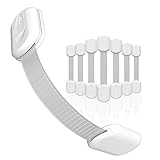
- FLEXIBLE COVERAGE AROUND THE HOME - Adjustable 3-7 inch child proof cabinet locks bend around corners to help limit access to cabinets, drawers and other compatible household surfaces.
- NO-DRILL ADHESIVE INSTALLATION - For baby proofing cabinets, clean and fully dry the surface, set the strap length, press firmly, and allow the adhesive to bond for 24 hours before regular use.
- FITS CABINETS, DRAWERS & APPLIANCES - Use these child locks for cabinets and drawers on compatible refrigerators, toilets and other suitable surfaces where a flexible strap design fits the layout.
- EASY FOR ADULTS TO OPEN - The press-and-slide release gives adults quick access when needed. Set the strap length before final installation because it is not designed for frequent readjustment after mounting.
- 8 PACK IN WHITE - Includes 8 adjustable child safety cabinet locks. Check surface compatibility and fit before installation, inspect adhesion regularly, and continue normal adult supervision.
- Move all medicines, including supplements, into closed cabinets or a high cabinet the animal cannot access.
- Store cleaning products, laundry pods, liquid laundry products, dryer sheets, and potpourri or diffuser liquids in a latched cabinet.
- Keep batteries, including button or coin batteries, sealed in a drawer or container that cannot be opened by a pet.
- Use cabinet latches if your lower cabinets are reachable. ASPCA recommends secure storage for chemicals, but the sources reviewed do not test any specific latch or brand.
Garages, workshops, and storage areas
Garages hold some of the most varied hazards: automotive products, antifreeze, adhesives, and power tools. ASPCA identifies power tools and their cords, spray foam insulation, polyurethane glues, fiberglass, and repair debris as potential hazards. Keep the door closed, store products in their original containers on high shelves or in latched cabinets, and clean up each work session before the animal returns.
Houseplants and the yard
ASPCA recommends removing poisonous houseplants during a home move and checking the species of any plant before you bring it inside or plant it outdoors. The ASPCA pages reviewed for this guide do not provide a complete list of safe and unsafe plants, so do not treat a short list as exhaustive. Use a current toxic-plant database or ask your veterinarian to identify a plant you are unsure about, and check the exact species name rather than a common name, since common names can refer to different plants.
Recommended Free Tools
Rank #3

- Universal Pet Door Installation and Weather Proofing Kit: Improves the fit and overall energy efficiency of any pet door
- Additional Water-Resistance and Weather Protection: Provides enhanced protection, especially for installations in a door or application with raised panels or raised surface
- Generous Weather Stripping Length: Includes enough weather stripping to fit your door - even XL size pet doors
- Clear Silicone Included: 1 tube of Silicone included - 100 total grams. Silicone is clear and includes applicator tip
- Dual Weather Stripping Options: 2 types of weather stripping included - 100 inches of each weather stripping (over 8ft of each type)
Cleaning and home repairs
Cleaning products are not all equally hazardous, and “natural” does not automatically mean safe. ASPCA Poison Control says most cleaning products are safe around dogs and cats when used according to label directions. Follow the label, keep the animal out of the room during use, and let surfaces dry as directed before allowing access. For enzyme-based cleaners, ASPCA advises letting the area dry before pets enter.
Birds are a separate case. ASPCA advises seeking veterinary advice before using cleaning products around birds, because they are particularly sensitive to fumes. Ventilate well, or move the bird to a different room during and after cleaning.
Rank #4
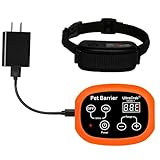
- SET INDOOR OFF-LIMITS: Keep your pet off the kitchen counter and keep your pet away from the shoe, rack, sofa, meat by setting off-limits fence, it's a wireless electric pet barrier.
- CORRECTS YOUR PET SAFELY: When your pet wearing the collar enters the fence areas, he will hear a series of beeps to alert him go away then he will receive a progressive safe static correction which will not cause harm. No pawz again get it away.
- ADJUSTABLE BARRIER RANGE: Create specific areas indoor for home by adjusting range button,the transmitter has a Turbo Switch which can enlarge the boundary from 2 to a 12 feet in diameter.
- PROTECT MULTIPLE AREAS AND GIVE AWAY MULTIPLE PETS: If you want to keep your pet away from more than 1 area for your home, simply purchase additional barrier and place them where needed. With the purchase of additional collars, this system allows you to contain unlimited number pets.
- The transmitter is powered by 5V power supply. It can be used in door or outdoor by power bank or in the car by cigarette lighter. The receiver has a built-in rechargeable battery that can be recharged 1000 times.
Corrosive products deserve extra caution. ASPCA notes that corrosive injury can be serious and that signs can appear late. During home repairs, keep pets out of work areas where tools, debris, or materials could be reached, and remove debris at the end of each day.
Independent reader supportYour contribution helps us test, update, and keep practical guides available for everyone.Gaps, windows, and pest-control traps
Small spaces can trap a pet, and screens can fail under pressure. ASPCA’s new-home checklist calls for plugging gaps where a pet could get stuck, making sure every window has a secure screen, and confirming that no pest-control poison traps have been left in the house. Check pest-control placements yourself, and ask any pest-control provider to tell you where bait stations and traps have been placed.
Best Value

- 【450LBS ANTI TIP FURNITURE ANCHORS】 Reinforced steel baby proofing anchors secure dressers, cabinets, and bookcases up to 450lbs – prevents tipping when children climb or pets jump. Essential anti tip furniture anchors for nursery and living room safety
- 【3-MINUTE EASY WALL ANCHORS INSTALLATION】 Simply mark → drill → install expansion tubes and screws → attach to furniture. No professional tools needed! Ideal wall anchors for furniture with step-by-step diagrams
- 【PREMIUM STEEL ANCHORS】 Anti-rust metal outperforms plastic anchors (3X lifespan), with fire-resistant properties for kitchen cabinet locks baby proofing. Durable furniture anchors ensure long-term safety
- 【PET & BABY PROOFING ESSENTIAL】 Adjustable anti tip furniture anchors create a secure zone for crawling infants and pets. Allows furniture movement for cleaning; perfect for cabinet locks baby proofing solutions
- 【12-PACK COMPLETE BABY PROOFING KIT】 Includes 12 furniture anchors, 12 expansion nails, and 24 screws for 6+ units. Comprehensive wall anchors for furniture to safeguard your entire home
What the exposure data shows
ASPCA’s 2025 toxin report, published March 15, 2026, summarizes the calls its Poison Control received about pet exposures during 2025. Those figures describe calls to ASPCA Poison Control, not every pet poisoning in the United States, so they show which categories generate the most calls rather than a population-wide rate.
| Exposure category | Share of ASPCA Poison Control exposures (2025) |
|---|---|
| Over-the-counter medications and supplements | 16.9% |
| Veterinary products | 9.1% |
| Plants and fungi | 7.5% |
| Household products | 6.4% |
| Insecticides | 3.8% |
The same report covers more than 376,000 items pets were exposed to in 2025. Medicines and supplements top the list, which is why closed storage for them is the first step in any pet-proofing plan.
When to call for help
If your pet may have eaten, licked, or touched a hazardous substance, contact a veterinarian or a poison-control service promptly. Do not wait for symptoms to appear. ASPCA’s corrosive-products guidance, published September 17, 2026, says to seek veterinary care immediately if a pet has chewed, licked, or ingested a corrosive product, even if it appears normal, because clinical effects can be delayed.
ASPCA’s pages list its Animal Poison Control number as (888) 426-4435. Service details and any fees can change, so check ASPCA’s website before you rely on the number. Do not induce vomiting or give any home remedy unless a veterinarian or poison-control professional directs you to do so. Have the product container or plant sample available when you call, and note the amount, the time of exposure, and your pet’s species, age, and weight.
Quick Recap
A checklist to repeat each season
- Medicines, supplements, and veterinary products are in a closed cabinet.
- Cleaning, laundry, pool, and diffuser products are latched away from the animal.
- Batteries are sealed in a container the animal cannot open.
- All electrical, blind, and tie-back cords are out of reach.
- Strings, small objects, and loose hair ties are picked up.
- Poisonous houseplants have been identified and removed.
- Windows have secure screens, and gaps are blocked.
- No pest-control poison traps remain in the house.
- Your veterinarian’s number and the ASPCA Animal Poison Control number are saved in your phone.
Product prices and availability are accurate as of the date/time indicated and are subject to change. Any price and availability information displayed on Amazon at the time of purchase will apply.




