What’s actually slowing this PC down?
Pick the symptom - the matching free tool is one click away.
Most cats can learn to sit on cue. The method is a treat lure: you guide the cat into a sit with a small reward, mark the exact moment its bottom touches the floor, then gradually replace the treat with a hand signal and add the word “sit.” Cats Protection’s sit guide and its clicker-training advice both use this lure-and-reward approach, and both stress short, voluntary practice rather than forcing a position.
Before you start
Choose a moment when your cat is relaxed but awake, such as after a meal or a play session, and pick a quiet room with few distractions. Cats Protection’s sit guide recommends this for a physically able, confident cat. If your cat seems unwell, stiff, or uncomfortable, put training aside and ask your vet for advice first.
Gather these items before you call the cat over:
- A treat your cat clearly enjoys that it can eat in a second or two. A small portion of its usual food also works.
- A plan to count those rewards as part of its daily food allowance, so training does not lead to overfeeding.
- A marker you will use every time: either a consistent word such as “yes,” or a clicker (see the section on choosing a marker below).
- A few minutes of undisturbed time. Keep the session short, as described in the timing section.
The 10-step method
The first seven steps teach the sit through a lure. Steps 8 and 9 turn the lure into a hand signal and a spoken cue, and step 10 builds reliability. Work through the steps in order, and only move on once the cat sits consistently at the current stage.
Step 1: Get down to the cat’s level
Sit on the floor or kneel if leaning over your cat makes it uncomfortable. Hold one treat between your finger and thumb with your palm facing upward, so the cat can reach it without you looming over it.
#1 Best Overall

- New communication tool about you and your puppy.
- Pet Dog Training Clickers for Puppy, Cat, Potty, Bird, Horse, Pet, Trainer Training Tools, Behavior Aids
- Just press to mark desired behavior, then reward for faster learning.
- The spring wrist length : 16cm/6.3inches and can strength to 25cm/9.84inches.
- Package include : Black + Blue,each color 1 pcs.
Step 2: Start with the treat near the nose
Stand or kneel in front of the cat and hold the treat about one to two centimetres from its nose. Let it sniff and show interest before you move.
Step 3: Guide the head up and slightly back
Slowly raise the treat by about five centimetres, then move it a little toward the cat’s tail. Following the treat with its eyes should draw the cat’s head up and back, which tends to bring the hindquarters down into a sit. Pause and let the cat work it out. Do not push, tap, or place the cat into position.
Step 4: Mark the instant the cat sits
As soon as the cat’s bottom touches the floor, say your marker word, such as “yes,” and immediately give the treat. The marker tells the cat which exact action earned the reward, so it should be given at the moment of the sit, not a second later. If you use a clicker, first pair its sound with an immediate treat several times, so the cat learns the click means a reward is coming before you use it to mark a sit.
Rank #2

- Cat Training Clicker Kit - Includes a finger ring clicker and a retractable target stick with yellow ball, giving you two tools for guiding and interacting with your cat during training or play.
- Finger Ring Clicker for Clear Feedback - The included finger clicker produces a crisp, easy-to-press sound, helping guide your cat during training or interactive play without startling them.
- Eye-Catching Yellow Target Ball - The bright yellow ball at the tip of the target stick catches your cat’s attention and supports guided movement for interactive sessions.
- Retractable Stick for Convenient Use - The stainless steel target stick extends and retracts smoothly, allowing adjustable length for comfort, while keeping the target clicker compact and easy to store or carry.
- Versatile Training Accessory - Suitable for kittens and adult cats, this dual clicker kit can be used for a variety of interactive play or guided training sessions, and can also be used with other small pets.
Step 5: Reset and repeat briefly
If your cat follows treats well, toss one a short distance so it stands up and can try again. If it does not, feed the reward where it stands and reposition yourself gently. Repeat only while the cat remains willing to take part; end the session on a successful sit if you can.
The Tool Desk
Outbyte PC Repair FREEClear out junk files and repair common Windows errorsFree Scan →Outbyte Driver Updater FREEScan for outdated or missing drivers - takes under a minuteDriver Scan →Step 6: Shape a hand signal
Once the lure produces sits reliably, present an open hand in the same place where the treat was, then gradually reduce the treat’s role in the motion. Keep rewarding each successful sit, so the hand movement becomes a clearer and simpler signal. Your cat should eventually respond to the hand with the treat only in your fingers, or with no treat visible at all.
Step 7: Add a spoken cue
Say “sit” just before you give the hand signal. Repeat this pairing across sessions so the word predicts the action. Keep rewarding correct responses while the word becomes familiar. If the cat sits before you say the word, mark and reward it anyway, then keep the word in front of the action in later attempts.
Rank #3

- INSIDE THE PACKAGE: Created by a professional animal behaviorist, this complete cat clicker training kit includes everything you need to get started: an all-in-one integrated clicker tool with a 22 inch extendable target stick and a 43-page illustrated training manual with 15 guided lessons to help you confidently train your cat from day one.
- TARGET STICK WITH UPDATED DESIGN: The CAT SCHOOL all-in-one clicker features a new and improved design with a quieter clicker sound and a stronger, more durable construction—perfect for sound-sensitive cats and everyday training use. This versatile tool works as both a target stick and a detachable clicker, giving you flexible training options. Extend the target stick up to 22 inches to easily guide your cat between positions. The large, bright yellow ball tip is easy for cats to see, track, and touch—boosting confidence, accuracy, and calm focus during training.
- QUIET, DETACHABLE CAT-FRIENDLY CLICKER: Designed with your cat’s sensitive ears in mind, this quiet clicker delivers a sound your cat can comfortably learn from. Use it attached to the target stick or slide it off for handheld use. The clicker fits comfortably in your hand and includes a secure finger loop to wear on your finger once removed from the base.
- IMPROVES CAT BEHAVIOR: Clicker training is a positive, rewarding way to teach skills and encourage good behavior. Regular training sessions help increase activity, reduce boredom and stress, and may curb unwanted behaviors like scratching or biting—while strengthening the bond between you and your cat.
- OUR COMMITMENT TO YOUR SUCCESS: Your cat’s training success matters to us. Gain access to supportive video tutorials created by an animal behaviorist and trusted by thousands of successful students. Our proven system helps make training fun, enriching, and rewarding—for both you and your cat.
Step 8: Practice at a little more distance or duration
When the cat responds reliably to the word and hand signal, try asking from a slightly greater distance, or ask it to stay seated for a moment before you mark and reward. Increase the difficulty gradually. If your cat gets up before you reward it, the step was too big, so go back to the previous stage.
How long training takes and how long each session should be
Cats Protection gives two different timing estimates from two publications, so it helps to read them together.
Free tools Windows power users keep installed
One-click scans. No signup required.
| Guidance | Source and date | What it says |
|---|---|---|
| Session length | Cats Protection sit guide (published 2018) | Sessions of up to three minutes, followed by a break; three short sessions a day |
| Time to learn | Cats Protection sit guide (published 2018) | Some cats may learn within seven days; others take longer or may never learn the behaviour |
| Time to learn, updated | Cats Protection clicker-training guidance (2025) | From a few days to a few months, depending on the cat; temperament matters more than age |
These are practical recommendations from Cats Protection, not controlled study results, and they describe typical ranges rather than guarantees. Treat the seven-day figure as something that may happen, not a deadline. A cat that is still unsure after several weeks of short, pleasant sessions is not failing; it may simply need a slower pace or a different reward.
Rank #4
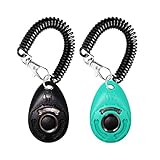
- EASY TO USE - Simple push button with distinct clicking sound.
- Comes with an elastic wrist band so you can leave it on your wrist or clip it to the leash or your pants.
- Not only train the dog but also the cat, bird, chicken, sheep a new behaviors like sit, fetch, roll over, lie down.
- For effective pet training ALWAYS reward with a treat after clicking.
- Can be used to train the dog basic obedience, small trick, and correct the bad behavior; Scientific method of training your pet safely and easily.
Choosing a marker: clicker or word
A marker is the signal that says “that was it, reward coming.” You can use a clicker or a consistent spoken word. Neither is required, and the sit can be taught with a word alone.
| Feature | Clicker | Verbal marker |
|---|---|---|
| Sound | Distinct and repeatable | Depends on your voice, so keep it the same every time |
| Equipment | Requires a clicker, which you must carry and keep to hand | No tool needed |
| Possible drawbacks | May startle some cats; if so, muffle it at first or switch to a verbal marker | Must be uncommon in everyday conversation, so the cat does not hear it by accident |
| Set-up | Pair the click with a treat before using it to mark a sit | Use the same word and tone for every reward |
Judge treats by the same practical standards: your cat’s interest in them, how quickly it can eat them, and how many calories they add to the day.
Independent reader supportYour contribution helps us test, update, and keep practical guides available for everyone.Welfare: keep training voluntary
Use reward-based methods only. Do not physically place the cat, use intimidation, or punish it for failing to sit. Cats Protection says the cat should always be able to stop, and recommends that you take a break if you become frustrated, since your mood is quickly picked up by the cat.
Best Value
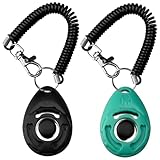
- Instant Attention & Clear Sound: This dog clicker for training produces a sharp, consistent sound that’s perfect for clicker training dogs, puppies, cats, and even birds or horses. Works great as a dog clicker to stop barking and reinforce positive behaviors quickly.
- Lightweight, Durable & Easy to Carry: Made from sturdy, lightweight materials, this pet training clicker is built to last. Comes with a convenient wrist strap so your dog training tools are always within reach during walks, obedience classes, or home sessions.
- Simple One-Button Operation: Whether you’re a new dog trainer or a pro, the large button makes this puppy training clicker and cat training clicker easy to use—just press to mark desired behavior, then reward for faster learning.
- Versatile for Multiple Pets & Purposes: More than just a dog training clicker—this tool is perfect as a cat clicker trainer, training clicker for puppies, or even a clicker cat trainer. Works for potty training, obedience, tricks, and behavior correction.
- Positive Reinforcement Training Made Easy: Trusted by professionals, this dog training & behavior aids device supports humane, reward-based training. Ideal as puppy training tools, dog training aids, or dog training clickers to create a strong bond with your pet.
The ASPCA supports humane methods that rely mainly on lures and rewards, and opposes equipment that causes physical discomfort or undue anxiety. Its position statement says: “The ASPCA supports training methods that are based on an understanding of how animals learn and incorporate kindness and respect for both the pet and the guardian.”
If your cat shows persistent fear or distress during training, or if you have any safety concerns, seek help from a qualified behaviour professional rather than continuing alone.
Troubleshooting
- The cat ignores the treat. Try a different treat, or a smaller one that is quicker to eat. Make sure the cat is hungry enough to be interested but not so hungry that it is agitated.
- The cat backs away or hides. Stop the session. Return to a calm, quiet time and begin again at step 2, with the treat held further away.
- The clicker startles the cat. Muffle the clicker in a cloth, or switch to a distinct verbal marker and keep it consistent.
- The cat sits but gets up before the reward. Mark and reward faster. If the sit is very brief, the marker may be arriving too late.
- The cat stops responding after a few sessions. Shorten the session, return to the last stage it succeeded at, and try again on another day.
Some cats never learn a formal sit on cue. A pleasant, relaxed relationship with you and your cat’s comfort matter more than the trick itself.
Where to go next
Once the sit is reliable, you can use the same lure-marker-reward approach for other simple cues. For background on how cats learn, Cats Protection’s behaviour guide lists The Trainable Cat by John Bradshaw and Sarah Ellis as further reading. It is a useful extra rather than a requirement for teaching this single cue.
Do these 3 things before closing this tab:
1Clear out junk files and repair common Windows errors2Fix the driver behind crashes, sound loss and screen glitches3Repair Windows errors before they cause bigger problemsQuick Recap
Product prices and availability are accurate as of the date/time indicated and are subject to change. Any price and availability information displayed on Amazon at the time of purchase will apply.




