Phenobarbital is a long-used barbiturate antiseizure medicine, and the Merck Veterinary Manual lists it as a first-line option for dogs and cats with epilepsy. For most cat owners, the useful questions are what the drug does, what the published dosing numbers mean (and do not mean), which side effects to report, and why blood tests and veterinary oversight are built into treatment. This guide covers each of those points, using the Merck Veterinary Manual’s current epilepsy chapter as the primary reference.
What phenobarbital does and why a veterinarian may prescribe it
Phenobarbital reduces the likelihood that abnormal electrical activity in the brain turns into a seizure. It is used to control seizures over the long term, not to treat the event itself while it is happening. Merck identifies it as a first-line antiseizure medicine for dogs and cats, which means it is usually the starting point when a veterinarian decides that ongoing medication is needed.
Seizures do not all have the same cause, and that matters for treatment. Some are reactive, meaning they arise from a metabolic disturbance (such as a blood sugar or electrolyte problem) or exposure to a toxin. Others are linked to structural disease in the brain. Epilepsy is the term for recurrent seizures with no single identifiable trigger. Before recommending longer-term medication, a veterinarian typically looks at the cat’s history, physical and neurological examination, testing, the pattern of seizures, and the cat’s overall health.
The timing of treatment is a judgment call rather than a fixed rule. Merck describes starting antiseizure medication after a second or third documented single seizure, after a cluster of seizures, or in the case of status epilepticus (a seizure that does not stop, or repeated seizures without recovery in between). A peer-reviewed review by Pakozdy, Halasz and Klang in the Journal of Veterinary Internal Medicine (2014) notes that specialists have not agreed on a single threshold for treating after one seizure, and that decisions are made case by case. In both cases, the decision is made together with the owner, weighing benefits, risks, and the monitoring plan.
PC Slower Than It Used to Be?
A free scan shows the junk files, broken settings and background clutter dragging Windows down - then fixes them in one click.Free scan · Windows 10 & 11Crashes, No Sound, or Screen Glitches?
Random freezes, missing sound and display glitches usually trace back to one bad driver. Find and replace yours safely.Free scan · under a minute#1 Best Overall

- SAFE AND EFFECTIVE: EaseSure-S uses a targeted blend of Wild Oat Seed for dog and cat stress relief, Passion Flower to promote calm, Skullcap to soothe nerves, and Ashwagandha for dogs and cats for overall nervous system regulation.
- RELIEVES SYMPTOMS: This non-addictive, herbal nerve calm supplement was developed by experts to support nervous system function, ease overactive nerves, and help with stress relief for dogs and cats.
- FAST-ACTING AND EASY TO USE: EaseSure-S tincture quickly helps with stress relief for cats and dogs; like during travel, vet visits, or storms, etc. Just add drops to your pet’s mouth, food, or water for fast, soothing relief and comfort.
- INGREDIENTS WITH INTEGRITY: Made with high-quality, lab-tested herbs in therapeutic doses, our formulas are clean, and free of gluten and artificial additives. We use Full Spectrum extraction and support local farms and harvesters.
- CRAFTED WITH CARE: All Native Remedies products are made in facilities that follow high standards of quality and safety. We never test on animals, and each remedy is thoughtfully formulated for consistency and potency.
Dosage references: what the numbers mean
Dosing information for phenobarbital in cats appears in veterinary reference texts as general clinical reference values. They describe what has been used in veterinary practice; they are not a prescription for any particular cat. The figures below are from the Merck Veterinary Manual’s epilepsy chapter, accessed October 2026.
| Reference item | Value given | What it means for owners |
|---|---|---|
| Oral dose range | 2–5 mg/kg by mouth every 12 hours | A general range for dogs and cats. Your cat’s actual dose is calculated by the veterinarian from body weight and the clinical picture. |
| Feline trough concentration target | 23–30 mcg/mL | A blood level measured just before a dose, used as a reference for whether the drug is at a useful level. It is a target range, not a guarantee of seizure control. |
| Time to steady state | About 2–3 weeks | Blood levels build up over this period, so results taken earlier may not reflect the long-term situation. |
Two points are worth keeping in mind. First, the dose and the blood level are linked: the blood level target helps the veterinarian judge whether a given dose is producing a level in the expected range. Second, individual cats vary in how they absorb, metabolize, and respond to the drug, which is why the same milligram dose can produce different levels in different animals. Owners should not calculate, adjust, or source phenobarbital based on these reference figures. Dose changes belong to the veterinary team.
Rank #2

- NERVOUS SYSTEM 𝐒𝐔𝐏𝐏𝐎𝐑𝐓 – Prana Pets Nervous System Support aids in relieving typical symptoms of nervous system issues in dogs and cats. Nervous System Support is a gentle way to help balance your dog or cat's equilibrium and reduce unwanted twitching and involuntary muscle movements. Simply administer the recommended drops into their mouth or add it to their wet or dry food daily.
- 𝐍𝐀𝐓𝐔𝐑𝐀𝐋𝐋𝐘 𝐅𝐎𝐑𝐌𝐔𝐋𝐀𝐓𝐄𝐃 – Because Nervous System Support is comprised of tonic, adaptogenic herbs, it gently and safely helps to soothe and regulate the nervous system and support healthy brain function.
- 𝐑𝐄𝐃𝐔𝐂𝐄𝐃 𝐈𝐍𝐅𝐋𝐀𝐌𝐌𝐀𝐓𝐈𝐎𝐍 – Rather than just suppressing symptoms, our formula aids in easing nerves in high strung pets and reducing the frequency and intensity of twitching or involuntary muscle movements in dogs and cats.
- 𝗣𝗥𝗔𝗡𝗔 𝗣𝗘𝗧𝗦 - Helps pets, and the people who love them, live their best lives through our holistic approach to health and wellness. Our best-in-class natural products and herbal remedies help alleviate common ailments in pets.
- 𝗦𝗔𝗙𝗘 – All our products are made in the USA and tested by an independent, third-party lab. You can buy with confidence that our products are safe for your pet.
Common side effects owners may notice
Merck lists the following as common adverse effects in dogs and cats. A feline review also includes sedation and ataxia among possible effects.
- Sedation: drowsiness, reduced activity, or sleeping more than usual.
- Ataxia: unsteadiness or poor coordination, such as wobbling, bumping into objects, or difficulty with jumps and stairs.
- Polydipsia: increased thirst, noticed as more frequent water bowl refills.
- Polyuria: increased urination, including larger or more frequent litter box clumps.
- Polyphagia: increased appetite, including begging or food-seeking that is new for the cat.
Many of these effects are most noticeable in the first weeks of treatment, while levels are still building. Tell the veterinary team about any change that is persistent, worsening, or affects daily life, rather than reducing or skipping doses on your own. The veterinarian can decide whether the dose, timing, or monitoring needs to change.
Do these 3 things before closing this tab:
1Scan for outdated or missing drivers - takes under a minute2Clear out junk files and repair common Windows errors3Fix the driver behind crashes, sound loss and screen glitchesRank #3
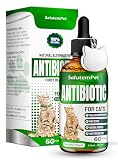
- NATURAL ANTIBIOTICS FOR CATS: The specialist-tested supplement helps support your pet during different coughing conditions, runny nose, and seasonal changes. Safe for urinary and digestive wellness.
- HERBAL COMPOUND: Cat Antibiotics contain natural ingredients such as Pau D’Arco, Cranberry, Olive, and Thyme. Quick help for your companion in a convenient 2-oz bottle.
- PENDANT FOR A PET: We provide additional benefits for pet parents. Find a practical pendant inside and attach it to a pet’s collar. It serves as a unique accessory for your cat.
- ONCE & TWICE DAILY: Follow the instructions: give ½ dropper for cats under 10 lbs, 1¼ droppers for cats 10–35 lbs. Serve for 2 weeks, then take a 14-day break, and repeat the course if needed.
- DIRECTIONS FOR USE: The natural supplement can be mixed with water, added to food, or given directly into your pet’s mouth, making it a convenient way to support your pet’s overall condition.
Serious effects are possible but uncommon
A 2020 review article in Veterinary Medicine: Research and Reports describes serious idiosyncratic reactions affecting the liver or bone marrow as uncommon concerns with phenobarbital. These reactions are unpredictable and not dose-related in the usual way. They are one reason routine laboratory follow-up matters, and they are not a reason to assume that every cat will be affected.
Liver considerations in cats
Phenobarbital is processed by the liver. Merck lists it as contraindicated in animals with hepatopathy (liver disease). Cats also respond differently from dogs. In dogs, phenobarbital tends to induce liver enzymes, meaning the liver ramps up its processing of the drug and of other substances. Merck notes that phenobarbital does not tend to induce liver enzymes in cats in the same way. For that reason, a rise in liver enzymes in a cat on phenobarbital should be interpreted carefully and may prompt an investigation for liver disease rather than being assumed to be a harmless drug effect.
Rank #4

- Antibiotic for Cats - Our cat antibiotic is used to improve cats infections from cat ear infections and feline skin issues, through to respiratory and urinary tract infections. It helps your pet to be healthy and feel great with the power of nature and a balanced composition.
- Herbal Supplement Drops - Infused with safe formula Apple Cider Vinegar, Goldenseal, Echinacea, no artificial additives, Non-GMO, Sugar-Free and has a supportive effect.
- Soft & Gentle Herbal Effect - With powerful composition supports pets with the most common issues skin infections, ear infections, some other cats composition UTIs and more.
- Cat Health Supplement - The cat antibiotics may also helps to skin infection relief include itch relief and allergy relief, balanced digestive system of cats. Just add it to your cat's food or treats or by directly placing it into their mouth.
- Safe for Cats - The cat supplement is in liquid form and it's quickly enters the circulation and has fast absorption. It can add into cat's daily routine and it's suitable for all breeds, ages and sizes of cats. Use 1 mL(2/3rds of the dropper full) recommended serving 1-3 times per day. Note: For first-time use, administer a small amount initially and monitor your cat for any adverse reactions.
When liver involvement is a concern, Merck describes assessment that can include albumin, blood urea nitrogen, and pre- and post-meal bile acid levels. Merck also states that the medicine should be discontinued if bile acid concentrations increase. That decision is made by the veterinarian with the full clinical picture; it is not something owners should judge from a single lab value or a home observation.
Independent reader supportYour contribution helps us test, update, and keep practical guides available for everyone.Blood tests and monitoring
Blood monitoring is how the veterinary team checks that the drug is reaching a useful level and that the liver and other organs are coping. The schedule is set for the individual cat. The sources below describe what is typical, and they differ in emphasis for cats.
Quick wins for a faster PC:
Fix the driver behind crashes, sound loss and screen glitchesFind Drivers →Repair Windows errors before they cause bigger problemsFix Now →Best Value
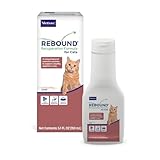
- Help your cat BOUNCE BACK
- Fluid therapy for cats during recuperation following surgery or sickness
- Contains ESSENTIAL NUTRIENTS ANTIOXIDANTS OMEGAS and PREBIOTICS
- Formulated to PROMOTE HYDRATION, NUTRITION and IMMUNE SUPPORT
- Promote EATING and DRINKING during recovery
| Timepoint | Recommendation in Merck’s pharmacology overview (dogs and cats generally) |
|---|---|
| 2–3 weeks after starting | Check phenobarbital concentration |
| About 3 months | Repeat check |
| Every 6–12 months thereafter | Periodic check |
| About 2–3 weeks after a dose change | Recheck concentration |
The same overview cautions that feline enzyme induction and liver responses differ from dogs. It states that routine drug-concentration and liver monitoring may not always be necessary in cats, while periodic checks are still advised, particularly when liver disease is suspected or concentrations are high. In practice, this means the schedule above is a reference point that the veterinarian adapts for your cat.
Practical points for blood draws
- Tell the lab about the medication. Merck warns that serum separator tubes should be avoided for phenobarbital measurements because they can falsely lower the measured concentration. This is a laboratory collection detail, but it is worth asking the veterinary team whether the appropriate tube type will be used.
- Keep dose timing consistent. Trough levels are measured just before a dose, so the timing of the blood draw relative to the last dose should be planned with the clinic.
- Bring your dose history. Record the strength, the amount given, the times given, and any missed doses, so the team can interpret the result correctly.
Keeping a seizure diary
A written record helps the veterinarian judge whether treatment is working and whether a dose or medication change is needed. Note the date, approximate start and end times, what the cat did (for example, stiffening, paddling, drooling, vocalizing, or loss of awareness), how long recovery took, and when the last dose of medication was given. Include any side effects you have noticed and any changes in appetite, drinking, urination, or activity. The sources support seizure tracking as part of care; a notebook or a note on your phone is sufficient, and no specific app or device is required.
What the evidence does and does not establish
The current Merck Veterinary Manual supports phenobarbital as a first-line antiseizure option for dogs and cats and provides general dosing, blood-level, timing, and adverse-effect information. The feline review literature adds context: there is no single agreed threshold for starting treatment after one seizure, and decisions are individualized. Taken together, these sources do not establish one dose that fits every cat, a guaranteed response to treatment, or a single monitoring schedule that applies to every feline patient. Phenobarbital controls seizures for many cats, but it does not cure the underlying condition in most cases, and it is not free of risk.
When to contact your veterinarian promptly
- A seizure that lasts longer than the veterinarian has told you to expect, or a cluster of seizures close together.
- Any seizure that does not fully resolve, or a cat that does not return to normal between episodes.
- Marked unsteadiness, increasing sleepiness, or a cat that is hard to wake.
- Yellowing of the gums or eyes, vomiting, loss of appetite, or a sudden change in energy, which may point to liver involvement.
- Missed doses, accidental double doses, or any question about whether to continue the medication.
Emergency signs, including seizures lasting several minutes or repeated seizures without recovery, need immediate veterinary or emergency care.
What’s actually slowing this PC down?
Pick the symptom - the matching free tool is one click away.
Quick Recap
Product prices and availability are accurate as of the date/time indicated and are subject to change. Any price and availability information displayed on Amazon at the time of purchase will apply.




