Crashes, No Sound, or Screen Glitches?
Random freezes, missing sound and display glitches usually trace back to one bad driver. Find and replace yours safely.Free scan · under a minuteWindows Errors? Fix Them Before They Spread
Repair common Windows errors and clear accumulated junk for a smoother, more stable PC - no reinstall needed.Free scan · no reinstallPhosphorus is essential for cats; it is not a nutrient to eliminate. The concern is whether a cat’s intake and kidney function are in balance. A veterinarian may recommend a phosphorus-restricted therapeutic renal diet for a cat with diagnosed chronic kidney disease (CKD), but age or general worry alone is not a reason to put a healthy cat on one.
Why do cats need phosphorus?
Phosphorus is present throughout the body, with most of it stored in skeletal tissue. It supports normal bodily functions and bone health. The body keeps phosphorus in balance through intestinal absorption, kidney filtration and reabsorption, and exchange with bone. The issue is therefore not whether a cat should have phosphorus, but whether its intake is appropriate for its health and ability to regulate it. Jonathan Stockman’s 2024 review in the Journal of Feline Medicine and Surgery describes this regulation and the complications that can follow when kidney disease disrupts it.
Why does phosphorus matter in kidney disease?
As kidney function declines, the kidneys may retain more phosphorus, disturbing calcium–phosphorus balance. The 2024 review describes possible downstream effects that include soft-tissue mineralization and effects on bone and cardiovascular health. For cats with CKD, phosphorus management is a central part of nutritional care—not a reason to restrict phosphorus in every cat.
The 2026 iCatCare consensus guidelines on feline CKD identify dietary phosphorus as a primary nutrient of concern in efforts to slow disease progression and prolong survival. Therapeutic renal diets can reduce phosphorus intake and serum phosphate, and may also lower FGF23. They are formulated as a whole diet: depending on the product, they may also differ in protein, omega-3 fatty acids, potassium, B vitamins, antioxidants, alkalinizing ingredients, sodium, calorie density, and moisture. “Low phosphorus” alone does not describe all of a diet’s nutritional features.
#1 Best Overall
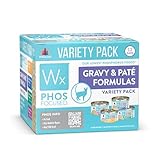
- Wx Phos Focused, Pate & Gravy Formulas Variety Pack, 3oz Can (Pack of 12)
- Low levels of phosphorus without sacrificing protein or quality. Formula with up to 50% less Phosphorus than AAFCO's minimum levels.
- Highly bioavailable proteins for optimal digestion & amino acid absorption to help maintain muscle mass.
- Hydration through Bone Free Proteins
- All natural - Free of ingredients such as powdered cellulose, fillers & carbohydrates that superficially lower phosphorus percentages.
Is high-phosphorus food harmful to a healthy cat?
There is no established universal maximum safe dietary phosphorus level in accepted North American and European feline nutrition guidelines, according to Stockman’s 2024 review. The review summarizes studies in healthy cats that found kidney-related changes with certain diets high in soluble or inorganic phosphorus, particularly in some conditions where the calcium-to-phosphorus ratio was low. Results were not the same across all studied diets, so these findings do not establish a threshold at which every food becomes harmful.
The form of phosphorus and the rest of the diet may matter, but phosphorus bioavailability is unknown for many commercial foods, and commercial assays are not available. A label value by itself therefore cannot establish how much phosphorus a cat absorbs or whether a particular food is suitable. Stockman’s review concludes: “Clinicians should consider phosphorus intake, particularly in senior cats and in cats with CKD.” The article was peer reviewed and its author disclosed an honorarium for the commissioned clinical spotlight as well as consulting and other industry relationships.
Rank #2
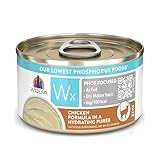
- Wx Phos Focused, Chicken Formula in a hydrating purée, 3oz Can (Pack of 12)
- Low levels of phosphorus without sacrificing protein or quality. Formula with up to 50% less Phosphorus than AAFCO's minimum levels.
- Highly bioavailable proteins for optimal digestion & amino acid absorption to help maintain muscle mass.
- Hydration through Bone Free Proteins
- All natural - Free of ingredients such as powdered cellulose, fillers & carbohydrates that superficially lower phosphorus percentages.
How can you compare phosphorus in cat foods?
When reliable, current manufacturer data are available, phosphorus per amount of energy—such as milligrams per 100 kilocalories (mg/100 kcal)—is more useful for comparing foods than an as-fed percentage alone. As-fed figures include the food’s moisture, which can make comparisons between wet and dry foods misleading. Even an energy-normalized number does not show phosphorus bioavailability.
The 2026 iCatCare guideline gives typical phosphorus levels of about 80–130 mg/100 kcal for veterinary renal diets and up to 400–600 mg/100 kcal for non-renal diets. These are guideline-reported typical ranges, not a universal safe limit, a prescription for an individual cat, or a comparison of every food on the market. Manufacturer data and formulations can vary; ask your veterinarian to help interpret a specific food’s current nutritional information.
Rank #3

- Wx Phos Focused, Chicken Formula in Gravy, 3oz Can (Pack of 12)
- Low levels of phosphorus without sacrificing protein or quality. Formula with up to 50% less Phosphorus than AAFCO's minimum levels.
- Highly bioavailable proteins for optimal digestion & amino acid absorption to help maintain muscle mass.
- Hydration through Bone Free Proteins
- All natural - Free of ingredients such as powdered cellulose, fillers & carbohydrates that superficially lower phosphorus percentages.
What matters beyond the number?
- Clinical need: whether the cat is healthy or has diagnosed CKD, and its CKD stage.
- Whole-diet formulation: protein level and quality, calories, moisture, and other features relevant to renal care.
- Acceptance and condition: whether the cat eats enough to maintain calorie intake, weight, and muscle.
- Monitoring: serum phosphate and other clinical findings interpreted by the veterinary team.
Should a healthy or senior cat eat a renal diet?
Not solely because the cat is older. The 2021 AAHA/AAFP Feline Life Stage Guidelines say healthy mature and senior cats should not be protein restricted. Cats with CKD may benefit from prescription renal diets that restrict phosphorus and provide restricted, high-quality protein. That distinction is important: a therapeutic diet is intended for a clinical need, not as a default preventive food for all senior cats.
Low phosphorus is not automatically better for every cat with kidney disease, either. The appropriate diet depends on diagnosis, stage, lab results, appetite, calorie intake, weight, and muscle condition. Have a veterinarian assess the cat before making a restrictive diet change.
Rank #4
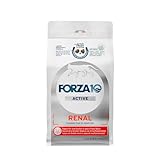
- TRUSTED ITALIAN NUTRITION: Pet food brand for dogs and cats, offering a wide range of recipes crafted with high-quality ingredients and veterinary expertise. Forza10 products are designed to support overall health and well-being, helping pets thrive at every stage of life.
- SUPPORTS HEALTHY KIDNEYS: Specially formulated pet food helps maintain kidney function and supports overall renal and cardiac health. Made with high-quality protein and essential nutrients to promote well-being while providing a taste pets enjoy.
- INGREDIENTS: Formulated with hydrolyzed protein and potato protein for controlled phosphorus and adapted protein content. Enriched with cranberries, dried dandelion, and dried clover extract to support kidney health. Free from GMOs, by-products, wheat, soy, artificial colors, or preservatives.
- WHAT'S INCLUDED: 1 bag, 0.88 pounds, providing complete, high-quality nutrition for your pet.
- EXPLORE MORE: Discover our full range of premium cat and dog food recipes, crafted with veterinary expertise and high-quality ingredients. Visit the Forza10 store to find the perfect meals to support your pet’s health and well-being
How is phosphorus managed in a cat with CKD?
Start with a veterinarian-directed renal diet
The 2026 iCatCare guideline describes a therapeutic renal diet as the initial dietary intervention for maintaining serum phosphate within the target for the cat’s CKD stage. The guideline’s target ranges are clinical monitoring targets, not instructions for home treatment:
| CKD stage | Serum phosphate target | Source |
|---|---|---|
| Stage 2 | 0.81–1.45 mmol/L (2.5–4.5 mg/dL) | 2026 iCatCare CKD guideline |
| Stage 3 | 0.81–1.63 mmol/L (2.5–5.0 mg/dL) | 2026 iCatCare CKD guideline |
| Stage 4 | 0.81–1.94 mmol/L (2.5–6.0 mg/dL) | 2026 iCatCare CKD guideline |
| Stage 1 | No target listed in the guideline table | 2026 iCatCare CKD guideline |
The veterinarian determines which results matter for an individual cat and when to recheck them.
Recommended Free Tools
Best Value
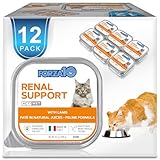
- TRUSTED ITALIAN NUTRITION: Pet food brand for dogs and cats, offering a wide range of recipes crafted with high-quality ingredients and veterinary expertise. Forza10 products are designed to support overall health and well-being, helping pets thrive at every stage of life.
- SUPPORTS HEALTHY KIDNEYS: Specially formulated pet food helps maintain kidney function and supports overall renal and cardiac health. Made with high-quality protein and essential nutrients to promote well-being while providing a taste pets enjoy.
- INGREDIENTS: Formulated with hydrolyzed protein and potato protein for controlled phosphorus and adapted protein content. Enriched with cranberries, dried dandelion, and dried clover extract to support kidney health. Free from GMOs, by-products, wheat, soy, artificial colors, or preservatives.
- WHAT'S INCLUDED: Each pack contains 12 cans of adult wet cat food, 3.5 oz each, in a savory lamb flavor that cats love. Perfect for daily feeding or to mix with dry food for a complete mealtime experience.
- EXPLORE MORE: Discover our full range of premium cat and dog food recipes, crafted with veterinary expertise and high-quality ingredients. Visit the Forza10 store to find the perfect meals to support your pet’s health and well-being
Consider a phosphate binder only if needed
If a renal diet alone has not brought serum phosphate into the target range for the cat’s CKD stage after 4–6 weeks, the 2026 guideline says a veterinarian can consider adding a phosphate binder. The guideline advises mixing a binder thoroughly into meals and dividing the total daily dose among meals. Choice and dosing require veterinary direction; do not start one or calculate a dose yourself.
Protect appetite and adequate nutrition
A diet that lowers phosphorus is not helpful if the cat refuses it or eats too little. Appetite, calorie intake, weight, and muscle condition all matter during a diet change. If a cat will not eat the recommended food, contact the veterinary team for a plan rather than allowing prolonged inadequate intake. The 2021 AAHA/AAFP guidance also notes that canned foods may improve overall water intake; that does not make every canned food a renal diet or a substitute for CKD monitoring.
Quick Recap
What to discuss with your veterinarian
- Whether CKD has been diagnosed and, if so, the cat’s stage and current serum phosphate result.
- Whether a therapeutic renal diet is appropriate and how to transition while maintaining appetite and calorie intake.
- How the cat’s weight and muscle condition will be monitored alongside lab results.
- What to do if the cat refuses the recommended diet, and whether follow-up testing or another intervention is needed.
- If comparing foods, whether current manufacturer data provide phosphorus per 100 kcal and how the rest of the formulation fits the cat’s needs.
Product prices and availability are accurate as of the date/time indicated and are subject to change. Any price and availability information displayed on Amazon at the time of purchase will apply.




