A cat with a suspected ear infection needs a veterinary examination before any medication goes into the ear. Head shaking, scratching, odor, redness, and discharge are shared by several conditions: ear mites, bacteria, yeast, allergies, a foreign object, a polyp, and, less often, infection deeper in the ear. Their treatments differ, and some products that help one problem can harm the ear when the eardrum is ruptured or the cause is something else. Only an exam and, usually, a microscopic sample can show which problem is present and whether the eardrum is intact.
What an ear infection in a cat usually means
Most feline ear infections are otitis externa, meaning inflammation of the outer ear canal. According to the Merck Veterinary Manual’s cat-owner guidance on otitis externa (reviewed and last updated February 2026), it is the most common ear-canal disorder in cats. The lining of the canal becomes inflamed, and the outside flap of the ear (the pinna) can also be affected. One ear or both may be involved, and the signs can start suddenly or drag on for weeks.
Common causes
Inflammation of the canal usually has a trigger, and infection is often a second step. Several causes can start the problem, and more than one can be active at the same time.
Ear mites
The VCA Animal Hospitals overview of feline ear infections (last updated April 2, 2026) identifies ear mites as the most common cause of cat ear infections. Mites can be followed by secondary bacterial or fungal infection, so a cat may still have a bacterial or yeast problem after the mites are gone. Cornell’s Feline Health Center page on ear disorders likewise lists ear mites as a usual infectious agent. Its publication date was not displayed on the accessed page.
#1 Best Overall

- Developed in Collaboration with Veterinary Dermatologists: Recommended for the routine cleansing of sensitive ears in dogs, cats, puppies, and kittens of any age.
- Ideal for Allergic & Active Pets: A powerful yet gentle ear cleaner for dogs and cats with allergies, frequent swimmers, and breeds with floppy ears that are prone to moisture buildup and microbial overgrowth.
- Soothing, Non Irritating Solution: Designed to be sting free with a neutral pH, this solution is well tolerated by sensitive skin and won't interfere with other ear treatments; Can be used 2–3 times per week.
- Cleans Ear Canal: Limits the bonding of microorganisms to the ear canal surface by removing debris and excess wax.
- Patented Anti-Odor Technology: Features a patented formula that doesn't just mask smells but eliminates them, leaving your pet’s ears smelling fresh and clean.
Allergies
Allergies can inflame the ear canal and keep it inflamed, so an infection keeps returning even after it is cleared. Merck lists allergy among the causes that can initiate inflammation, which is why a veterinarian may look beyond the ear itself.
Foreign objects and polyps
Plant material, debris, or other foreign objects in the canal can cause irritation and infection. Polyps (growths) can also block the canal and sustain inflammation. Both can make it difficult to see the eardrum, which is one reason the exam sometimes requires sedation.
Rank #2

- GENTLE CLEANING & EXCELLENT DESIGN: The soft and convenient finger wiping design fits your fingers, is not easy to slip off, and fits the structure of cats and dogs' ears better. The wet wipes are made of high-quality non-woven fabric and are designed with exquisite pearl patterns on both sides, which increases friction, provides deep cleaning and is more comfortable. It is quick and convenient to use and can safely and effectively remove wax accumulation and other debris from the sensitive ears
- NATURAL INGREDIENTS & PLANT FORMULA: Wet wipes are added with natural plant formula, which is non-irritating and does not contain alcohol or any other harmful chemicals. Will help safely and gently remove buildup and discharge that can cause odor, and prevent infections caused by dirt, buildup, and earwax, keeping cats and dogs fresh and healthy at all times!
- REGULAR CLEANING & GROOMING ESSENTIALS: Ear care is an important part of regular pet grooming. Pets’ ear canals need to be cleaned regularly, otherwise they will have odor and be prone to ear canal diseases. MEDUWEDU makes it easy with convenient ear cleaning wipes. Using our disposable wipes helps safely and gently remove dirt from the ear canal, effectively improving ear canal problems. Using dog ear wipes is safer than cotton swabs.
- EASILY DEODORIZE & SOOTHE DISCOMFORT: Fruity scent can reduce odor and leave a pleasant smell, bringing you closer to your pet friends, while reducing the discomfort of shaking your pet's head, scratching, and clawing caused by infection.
- FOCUS ON PET EAR CARE: Our products are not only safe in ingredients, but also come in a variety of sizes (Regular, Large) and a variety of refreshing fruit flavors (Mint, Coconut, Peach, Grapefruit.) for you to choose from. I believe your pet will love ear cleaning. Although the price is affordable, the quality is high. Please rest assured that if you are not satisfied with the product you purchased, please feel free to contact us and we will provide you with the best solution.
Bacteria and yeast
Bacteria and yeast often add to the problem rather than starting it. Their presence can explain persistent odor, thick discharge, or a canal that will not settle, even after the original trigger has been dealt with.
Middle- and inner-ear infection
Infection can extend past the eardrum into the middle or inner ear. Merck’s guidance on otitis media and interna in cats (reviewed and last updated February 2026) describes deeper-ear signs, which are covered in the urgent-signs section below.
Recommended Free Tools
Rank #3

- HELPS ALLEVIATE – This dog and cat ear cleaner was formulated with properties to help promote healthy ear canals. Rinse pet's ears daily with solution and massage area
- DAILY MAINTENANCE – Helps breakdown buildup in the canal that may be causing foul odors and itching, scratching, and head shaking. Excellent for daily care and maintenance
- GENTLE FOR SENSITIVE EARS – Alcohol-free, mildly scented, and a non-irritating formula, this cat and dog ear wash is suitable for sensitive ears and gentle enough for frequent use
- FOR YOUR PETS – Clinical Care Ear Therapy is great for dogs, cats, and small animals over 12 weeks for daily care and to maintain the ear health of your pet
- EFFECTIVE & AFFORDABLE – Our premium products are high-quality at an affordable price.
The practical point is that a black discharge, scratching, or head shaking does not prove mites are the cause. Those signs overlap with bacterial, yeast, allergic, and foreign-body problems. VCA also notes that mites may no longer be visible when a cat is examined, while the secondary infection they left behind remains.
Symptoms to watch for
- Repeated head shaking
- Scratching at the ear or rubbing the side of the head on furniture
- Redness or swelling of the ear canal or flap
- Discharge, which may be dark, waxy, or thick
- A foul smell from the ear
- Scaly or crusted skin inside or around the ear
- Signs of pain, such as flinching when the ear is touched or reluctance to be handled around the head
- Itching or discomfort that is present in one ear or both
Signs that need a veterinarian promptly
Book an examination for any persistent scratching, head shaking, discharge, odor, redness, or apparent ear pain. Some signs point to deeper ear involvement and call for faster attention:
Rank #4

- Veterinarian Formulated to Gently Clean, Deodorize, Acidify and Dry Your Pets Ears
- Safe And Gentle Ear Cleanser with Aloe Vera for Daily Use. Won't Sting, Burn or Aggravate the Ear Canal
- Eliminates Build Up of Wax, Fluid, Dirt & Debris to Stop Itching, Scratching, Head Shaking and Irritation.
- Helps Relieve Ear Infections Caused by Growths, Buildup, and Itching.
- Made in the USA in Federally Regulated Manufacturing Facilities to Ensure Quality and Safety.
- A head tilt, or holding the head to one side
- Poor coordination, stumbling, or difficulty rising, walking, or jumping
- Abnormal side-to-side (or other unusual) eye movements
- A one-sided blockage of the ear canal that persists
- Swelling of the ear flap, which can signal an aural hematoma from repeated scratching or head shaking
Merck advises prompt examination for balance, walking, or jumping problems, because they can indicate middle- or inner-ear involvement. Untreated infection can extend deeper, damage the eardrum, and affect hearing or balance.
What happens at the veterinary visit
- History. The veterinarian asks when the signs started, whether one or both ears are affected, what treatments have already been tried, and whether the cat has had other skin or allergy symptoms.
- Otoscope examination. The canal is examined with an otoscope. The veterinarian checks whether the eardrum appears intact, because this affects which medications are safe.
- Cytology. A swab from the ear is examined under a microscope to look for mites, bacteria, or yeast. VCA describes cytology as essential for choosing medication.
- Culture and susceptibility testing. For severe or chronic infections, a sample may be grown to identify the organism and determine which drugs it responds to.
- Sedation or anesthesia if needed. Pain, swelling, or discharge can make a complete examination difficult. A cat may need sedation or anesthesia to see the full canal and eardrum safely.
- Further tests when indicated. A persistent one-sided blockage or suspected middle- or inner-ear disease can lead to biopsy or imaging.
Treatment depends on the finding
There is no single ear infection treatment. The table below shows how common findings are generally linked to the direction of treatment. The exact product and duration are set by the veterinarian.
The Tool Desk
Outbyte PC Repair FREEClear out junk files and repair common Windows errorsFree Scan →Outbyte Driver Updater FREEScan for outdated or missing drivers - takes under a minuteDriver Scan →Best Value
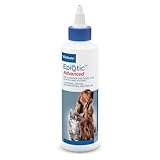
- Developed in Collaboration with Veterinary Dermatologists: Recommended for the routine cleansing of sensitive ears in dogs, cats, puppies, and kittens of any age.
- Ideal for Allergic & Active Pets: A powerful yet gentle ear cleaner for dogs and cats with allergies, frequent swimmers, and breeds with floppy ears that are prone to moisture buildup and microbial overgrowth.
- Soothing, Non Irritating Solution: Designed to be sting free with a neutral pH, this solution is well tolerated by sensitive skin and won't interfere with other ear treatments; Can be used 2–3 times per week.
- Cleans Ear Canal: Limits the bonding of microorganisms to the ear canal surface by removing debris and excess wax.
- Patented Anti-Odor Technology: Features a patented formula that doesn't just mask smells but eliminates them, leaving your pet’s ears smelling fresh and clean.
| Finding at examination | What it points toward | Typical focus of treatment |
|---|---|---|
| Ear mites on microscopy or otoscope | Ear mite infestation, possibly with secondary infection | Antiparasitic treatment prescribed by the veterinarian, plus any secondary infection treatment |
| Bacteria on cytology or culture | Bacterial infection | Prescription topical antibiotic, selected with culture and susceptibility results for severe or chronic cases |
| Yeast on cytology | Yeast (fungal) infection | Prescription antifungal treatment |
| Marked inflammation without a clear organism | Inflammation that may be allergic or related to a foreign body or polyp | Anti-inflammatory medication, with attention to the underlying cause |
| Eardrum not visible or possibly ruptured | Eardrum damage cannot be excluded | Medication choice is restricted, because some drugs can cause hearing loss if the eardrum is ruptured (per VCA) |
| Persistent one-sided blockage or deeper-ear signs | Possible middle- or inner-ear disease | Oral or injectable medication, with biopsy or imaging if indicated |
Veterinary cleaning of the canal may be part of treatment, and an underlying allergy, foreign object, or polyp must be addressed as well. Stopping medication early or ignoring the cause allows the infection to return. Cornell’s article on otitis quotes William Miller Jr., VMD, professor of dermatology at Cornell University’s College of Veterinary Medicine: “If you don’t identify the cause and deal with it appropriately, the infection may clear up temporarily but will come right back after treatment is stopped.” Follow the veterinarian’s directions and attend rechecks until the infection has resolved.
Why home treatment can make things worse
- Hydrogen peroxide and vinegar. Merck cautions against these home remedies in inflamed ears, because they can irritate the canal and increase secretions.
- Over-the-counter ear drops. VCA’s FAQ addresses the common question, “Can I just treat these symptoms with over-the-counter ear drops?” Diagnosis and an assessment of the eardrum are needed before a medication is chosen, because the wrong product can make the infection worse or harm hearing if the eardrum is damaged.
- Probing the canal. Cornell advises against probing a persistently itchy ear with cotton swabs or other objects.
- Routine cleaning. Healthy cats generally do not need routine ear cleaning unless a veterinarian advises it. When cleaning is recommended, Merck notes the appropriate cleaner depends on the type of infection or discharge, so the veterinarian should choose it.
After treatment
Improvement in odor, discharge, and scratching can come before the canal is fully healed, so the signs alone are not a reliable guide. Rechecks let the veterinarian confirm the ear has cleared and that the underlying cause has been addressed. A cat whose infection returns after treatment should be re-examined rather than restarted on leftover medication.
Quick Recap
Product prices and availability are accurate as of the date/time indicated and are subject to change. Any price and availability information displayed on Amazon at the time of purchase will apply.




