Free tools Windows power users keep installed
One-click scans. No signup required.
The name Tylosaurus rex belongs to a newly described giant mosasaur—not the dinosaur Tyrannosaurus rex. Researchers identified the marine reptile as a distinct species by reassessing fossils found primarily in northern Texas over several decades. Institutional accounts date the fossils to about 80 million years ago and estimate that the animal reached up to 43 feet long.
What was Tylosaurus rex?
Tylosaurus rex was a mosasaur, an extinct marine reptile. Its abbreviated name, T. rex, can be mistaken for Tyrannosaurus rex, but the two animals were different: this Texas species lived in the sea and was not a dinosaur.
The species was recognized after researchers compared Texas fossils with the name-bearing specimen of Tylosaurus proriger and other material, including more than a dozen similar fossils held by institutions. The finding is a new identification of specimens gathered over decades, not the discovery of a single newly excavated skeleton.
How large was this mosasaur?
American Museum of Natural History and Southern Methodist University accounts of the study, published May 21, 2026, estimate that the specimens assigned to T. rex range from 25 to 43 feet long. The upper estimate is comparable to a school bus, according to the museum accounts; it is an estimate, not a reported measurement of every individual.
#1 Best Overall
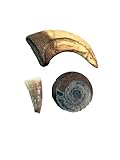
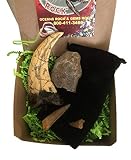
- Three-Item Fossil Set – Includes one Velociraptor claw replica, one Mosasaur tooth (B-grade), and one genuine small ammonite fossil
- Educational and Collectible – A great hands-on way to explore prehistoric life and paleontology
- Genuine Fossils Included – Both the Mosasaur tooth and ammonite are real fossil specimens
- Realistic Replica Claw – Velociraptor claw cast features high quality texture and curvature
- Ready for Display or Teaching – Great for collectors, educators, or science-themed gifts
Ron Tykoski, vice-president of science and curator of vertebrate paleontology at the Perot Museum, described the animal as “roughly twice the length of the largest great white sharks” and said it “appeared to be a much meaner animal than other mosasaurs,” in the American Museum of Natural History announcement.
Why do researchers consider it a powerful predator?
The fossils assigned to T. rex have finely serrated teeth, a feature described as uncommon among mosasaurs. Researchers also point to anatomical adaptations consistent with exceptionally strong jaw and neck muscles. Together, these traits support the interpretation of a formidable predator; they do not establish a specific hunting behavior.
Rank #2
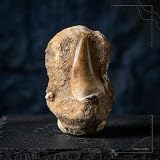
- Paleontological‑Grade Precision Replica – This is a high‑quality replica of a prehistoric Mosasaur tooth. We meticulously recreate the natural curvature, enamel texture, and sharpness, paired with a realistic matrix base that captures the authentic look of ancient marine fossils. Ideal for beginner collectors and educational displays.
- Natural Matrix & Unique Aesthetics – Each tooth is set in a naturally textured matrix with its own distinct shape and layering. The rough, raw stone contrasts beautifully with the refined tooth, offering a visually striking piece that sparks curiosity and appreciation for natural history.
- Versatile Display Options – Use it as an elegant desktop ornament on your shelf, desk, or office to add a touch of prehistoric mystery, or attach the built‑in magnet to your fridge for a fun and conversation‑starting daily accent. Two ways to enjoy the same remarkable fossil replica.
- Complete Gift Set – The package includes a premium gift box, a vintage‑style informational card, and a soft hemp collection bag. Every detail, from unboxing to final display, is carefully designed to deliver a memorable and high‑quality experience.
- A Thoughtful, One‑of‑a‑Kind Gift – Surprise the curious minds and adventure lovers in your life with something truly different. This replica combines science, art, and history – it is not just a decoration, but a tangible piece of a prehistoric world that can be held, admired, and shared.
Where were the fossils found, and can you see one?
The species is represented primarily by fossils from northern Texas, collected across several decades. Its name-bearing specimen, or holotype, was discovered in 1979 at Lake Ray Hubbard near Dallas. The Perot Museum of Nature and Science says the specimen is on view in its Life Then and Now exhibit hall in Dallas.
Independent reader supportYour contribution helps us test, update, and keep practical guides available for everyone.How does Tylosaurus rex compare with Tylosaurus proriger?
The researchers distinguished the Texas fossils from the holotype of T. proriger by comparing anatomy across the specimens. The American Museum of Natural History’s account gives this geographic and age context:
Do these 3 things before closing this tab:
1Clear out junk files and repair common Windows errors2Scan for outdated or missing drivers - takes under a minute3Repair Windows errors before they cause bigger problemsRank #3

- Genuine Mosasaur Tooth – Each tooth measures approximately 2 inches long and 1 inch wide, some of the largest we’ve offered in our 26 years in business.
- Museum-Grade Specimens – Similar specimens sell for $50 or more at major museum shops.
- Authenticity Guaranteed – Each tooth comes with a Certificate of Authenticity, documenting its age, origin, and legal excavation.
- BONUS TOOTH INCLUDED – Order today and we’ll include an additional 1-inch genuine Mosasaur tooth absolutely FREE (a $20 value). Perfect for display or gifting.
- Extremely Limited Quantity – Only 40 teeth available. Once they’re gone… they’re gone.
| Species | Typical fossil geography in the institutional comparison | Age in that comparison | Notable distinction described |
|---|---|---|---|
| Tylosaurus rex | Mostly Texas | About 80 million years | Finely serrated teeth; anatomy consistent with strong jaw and neck muscles |
| Tylosaurus proriger | Mostly present-day Kansas | About 84 million years | Used as the comparison species; no equivalent tooth or muscle description stated in the account |
These are broad patterns reported in the institutional comparison, not claims that every specimen came from those locations or that the ages apply identically to every fossil.
Quick Recap
Rank #4

- 【Detailed Mosasaurus Skeleton Replica】Build a realistic Mosasaurus marine reptile fossil skeleton with 191 pieces, featuring streamlined body, fin limbs, and movable joints, capturing the iconic look of the ancient ocean predator.
- 【Museum Display-Ready Design】Includes a brown display base with mechanical movement knob, transparent supports, and a Mosasaurus nameplate, perfect for showcasing your model as a unique piece of prehistoric decor in your home or office.
- 【STEM Learning & Imaginative Play】This building kit combines assembly fun with marine paleontology knowledge, helping kids aged 8+ learn about prehistoric ocean life while developing fine motor skills and logical thinking through hands-on building.
- 【Safe & Easy-to-Assemble Blocks】Made of high-quality, non-toxic ABS plastic, the pieces are smooth, burr-free, and compatible with standard building blocks. Clear instructions guide you through every step, suitable for kids and adult hobbyists.
- 【Unique Gift for Dinosaur & Ocean Lovers】A special gift for anyone who loves dinosaurs, marine life, or model building. It’s a great way to spark curiosity about prehistoric creatures and provide hours of screen-free entertainment.
Sources
- American Museum of Natural History, “Giant Mosasaur Species from Texas Named T. rex,” May 21, 2026
- Southern Methodist University, “New species of massive mosasaur with serrated teeth is named T. rex,” May 21, 2026
Product prices and availability are accurate as of the date/time indicated and are subject to change. Any price and availability information displayed on Amazon at the time of purchase will apply.




