The Tool Desk
Outbyte Driver Updater FREEFix the driver behind crashes, sound loss and screen glitchesFind Drivers →Outbyte PC Repair FREEClear out junk files and repair common Windows errorsFree Scan →The best true predatory fish for a small freshwater aquarium is the dwarf (pea) puffer (Carinotetraodon travancoricus). At about 25 mm (1 inch) standard length, one can be kept in a carefully maintained 5-gallon tank. It actively hunts snails and other invertebrates, but it is territorial, may nip fins and is normally best kept in a planted, species-only aquarium.
If you want a small centerpiece fish rather than a specialist hunter, choose a betta. Scarlet badis are fascinating micropredators, but their feeding requirements and space needs make them a more demanding choice. Apistogramma dwarf cichlids are predators too, yet generally belong in a 20-gallon-class aquarium.
Which predator fits your tank?
| Fish | Adult size and realistic footprint | What it eats | Compatibility and difficulty |
|---|---|---|---|
| Pea puffer Carinotetraodon travancoricus |
25 mm (1 inch); one fish in 5 gallons, with substantially more space and cover for groups | Live pest snails; frozen bloodworms, brine shrimp and similar meaty foods | Territorial, predatory and prone to fin-nipping; plan a species-only tank. Moderate to advanced care |
| Scarlet badis Dario dario |
20 mm (0.8 inch); about an 11-gallon footprint (45 × 30 cm) for a pair or one male with females | Small crustaceans, worms, insect larvae and zooplankton; usually live or frozen foods | Shy, slow-feeding and easily outcompeted; rival males can fight. Advanced feeding management |
| Apistogramma | Single fish or pair generally does best in 20 gallons or larger; a 10-gallon breeding setup is a specialized exception | Dwarf shrimp, fry and other animals that fit in its mouth | Territorial cichlid behavior makes it unsuitable for most nano tanks |
| Betta | One fish in a 5-gallon tank is a common starting point | May eat small prey, but is not a specialist predator | Territorial centerpiece fish; easier choice when hunting behavior is not the priority |
Adult length alone is not a stocking rule. Floor area, territory, filtration, water movement, diet and your ability to maintain stable conditions determine whether a “small” predator is appropriate.
Why the pea puffer is the best 5–10-gallon predator
It provides genuine hunting behavior
Pea puffers actively search for and bite small invertebrates, making them a clear match for requests to hunt pest snails or baby shrimp. Their normal diet can include live snails and frozen bloodworms or brine shrimp. Many refuse dried food, so obtain a dependable supply of suitable meaty foods before buying the fish.
Do these 3 things before closing this tab:
1Repair Windows errors before they cause bigger problems2Scan for outdated or missing drivers - takes under a minute3Clear out junk files and repair common Windows errors#1 Best Overall
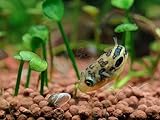
- Meet the Carinotetraodon travancoricus, or the pea puffer—a tiny fish with a big personality! These vibrant, greenish-brown puffers with yellow spots add a burst of life to nano aquariums
- Meet the Carinotetraodon travancoricus, or the pea puffer—a tiny fish with a big personality! These vibrant, greenish-brown puffers with yellow spots add a burst of life to nano aquariums. Known for their intelligence and feisty nature, they're a joy to watch. Plus, they're handy snail hunters, making tank maintenance a breeze. Perfect for both beginners and seasoned aquarists, the pea puffer brings charm and liveliness to any underwater world.
- The pea puffer, scientifically known as Carinotetraodon travancoricus, thrives in freshwater aquariums. To ensure their well-being, maintain water parameters within the following ranges:
- Temperature: Keep the water temperature between 74°F to 82°F (23°C to 28°C). Pea puffers are sensitive to temperature fluctuations, so aim for stability.
- Water Hardness: Aim for a water hardness of 5 to 20 dGH. This range mimics their natural habitat conditions.
It is small, but not effortless
Aquarium Co-Op describes one pea puffer in 5 gallons and gives examples of three in 10 gallons or six to seven in 20 gallons only when the aquarium is heavily planted and offers abundant cover. Those group numbers are not a substitute for observing individual aggression; a larger tank is safer when fish are territorial.
Assume a species-only aquarium
Freshwater puffers can be aggressive, predatory and fin-nipping. Aquarium Co-Op specifically advises buying pea puffers with the expectation of keeping them without other tank mates. Do not treat a 5-gallon puffer aquarium as a community tank, and do not add shrimp or valued snails expecting them to remain safe.
Rank #2

- 100% Live Arrival Guarantee.
- Meet the Carinotetraodon travancoricus, or the pea puffer—a tiny fish with a big personality! These vibrant, greenish-brown puffers with yellow spots add a burst of life to nano aquariums. Known for their intelligence and feisty nature, they're a joy to watch. Plus, they're handy snail hunters, making tank maintenance a breeze. Perfect for both beginners and seasoned aquarists, the pea puffer brings charm and liveliness to any underwater world.
- The pea puffer, scientifically known as Carinotetraodon travancoricus, thrives in freshwater aquariums. To ensure their well-being, maintain water parameters within the following ranges: Temperature: Keep the water temperature between 74°F to 82°F (23°C to 28°C). Pea puffers are sensitive to temperature fluctuations, so aim for stability.
- pH Level: Maintain a pH level in the range of 7.0 to 8.0. Pea puffers adapt well to a slightly alkaline environment. Water Hardness: Aim for a water hardness of 5 to 20 dGH. This range mimics their natural habitat conditions.
- Important things to know: Tank Size: While they're small, pea puffers need adequate space. A tank of at least 10 gallons is recommended, providing ample room for swimming and exploring.
Pea-puffer setup requirements
- Tank: Use a mature, fully cycled aquarium. Five gallons is a minimum example for one fish, not permission to neglect maintenance.
- Cover: Plant densely with Java moss or comparable growth, add floating plants and arrange hardscape to break lines of sight.
- Filtration: A gentle sponge filter is appropriate; avoid a strong current that prevents the fish from feeding or resting.
- Temperature: Keep stable tropical conditions. Seriously Fish lists 22–28°C (72–82°F); the practical checklist range is about 23–28°C (74–82°F). Use an adjustable heater and thermometer when room temperature fluctuates.
- Water: Seriously Fish lists pH 6.8–8.0. Test regularly and make gradual, temperature-matched water changes rather than allowing swings.
- Food planning: Maintain live pest snails and keep frozen bloodworms, brine shrimp or an equivalent food available. Confirm that a prospective fish accepts the offered diet.
Scarlet badis: a smaller micropredator with bigger feeding challenges
Scarlet badis (Dario dario) reach about 20 mm (0.8 inch) and hunt tiny crustaceans, worms, insect larvae and zooplankton. Their size can make them look ideal for a nano aquarium, but they are retiring, slow-moving fish that are easily outcompeted at feeding time.
Aquarium Co-Op lists one fish as a 5-gallon option. Seriously Fish recommends a 45 × 30 cm base—about 11 US gallons—for a pair or one male with several females. Use a planted 10–11-gallon or larger aquarium if you want a stable social arrangement, and be prepared to provide appropriately sized live or frozen foods. Rival males may be aggressive, while larger or faster tank mates can starve them without obvious signs at first.
What’s actually slowing this PC down?
Pick the symptom - the matching free tool is one click away.
Rank #3
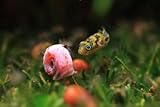
- Care Guide: Water Parameters: pH 6.5-7.5, Temperature 74-80°F. Diet: Carnivorous—prefers live or frozen foods such as bloodworms, brine shrimp, and snails. Tankmates: Best kept in species-only tanks or with peaceful, fast-moving fish to avoid fin-nipping. Tank Setup: Requires plenty of plants, hiding spots, and open swimming space for natural behavior.
- Features: Tiny & Unique: Small, active fish with individual personalities and striking golden-green coloration. Freshwater Compatible: Fully freshwater species that thrive in well-maintained nano aquariums.
- These Mini Pea Puffers are an excellent choice for aquarists looking for small, intelligent, and interactive freshwater fish in their nano aquarium!
Why Apistogramma are not nano-tank predators
Apistogramma dwarf cichlids are legitimate micropredators: they can consume dwarf shrimp, baby fish and other animals that fit in their mouths. However, Aquarium Co-Op places a single fish or pair in the 20-gallon-and-larger category for normal keeping. A 10-gallon tank may be used for a specialized breeding project, but that exception does not make Apistogramma a general 5-gallon recommendation.
When a betta is the better choice
A single betta has a 5-gallon starting recommendation and a preferred temperature of 78–82°F. Bettas are territorial and may eat small prey, but they are not specialist hunters in the way pea puffers are. Choose one when you want a hardy, interactive centerpiece fish and do not need deliberate snail- or shrimp-hunting behavior.
Rank #4
Can you keep a predator in a 5-gallon tank?
Yes, but only a very limited set of fish is appropriate. A single pea puffer is the clearest true-predator option when the aquarium is mature, planted, gently filtered and maintained consistently. A single scarlet badis may be listed as a 5-gallon option, yet its feeding difficulty and the larger footprint recommended for pairs make a larger tank the more forgiving choice. Apistogramma should not be selected for a 5-gallon aquarium.
Before choosing any fish, apply the CDC principle: match tank size to the space available in your home and to the time you have for maintenance. A smaller aquarium has less water to dilute waste and less room for a territorial fish to avoid a rival.
Quick Recap
Best Value

- Size: Perfect for various tank sizes. Peaceful Nature: Great for community tanks. Diet: Enjoys sinking wafers and fresh veggies. Ideal Habitat: Needs hiding spots and soft substrates in a well-maintained freshwater tank
- Care Instructions: Tank Size: Minimum 20 gallons Water Temp: 72-82°F pH Level: 6.5-7.5 Hardness: 6-10 dGH
- Guarantee safe and healthy. Order your Snowflake Pleco today and elevate your aquarium's beauty!
- Shipping: Live Arrival Guarantee ensures safe and healthy delivery. Order your Snowflake Pleco today and elevate your aquarium's beauty!
Pre-purchase checklist
- Decide whether you want active invertebrate hunting or simply a small centerpiece fish.
- Choose a species-only plan for a pea puffer; do not count on community compatibility.
- Set up and cycle the aquarium, then verify temperature, pH and nitrogen compounds with a freshwater test kit.
- Add dense plants, moss, floating cover and gentle sponge filtration before introducing the fish.
- Secure live snails and suitable frozen foods, and verify the seller’s fish is eating.
- Prepare a maintenance schedule you can sustain for the tank’s entire life.
Product prices and availability are accurate as of the date/time indicated and are subject to change. Any price and availability information displayed on Amazon at the time of purchase will apply.




