
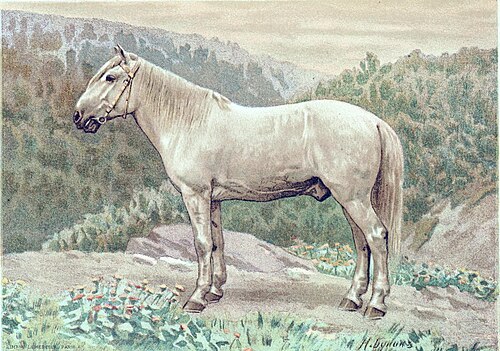
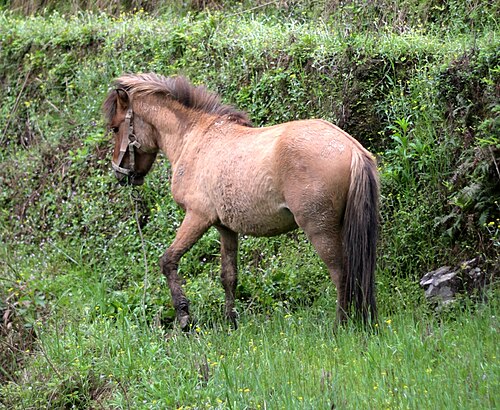
 Photo: N. Bunin and others · Public domain
horse breed · 671 on Animalso
Amourski Horse
- Animal
- Horse
- Type
- Riding horse
- Origin
- People's Republic of China, Russia
Known as the Amur horse or Manchurian pony, the Amourski was an extinct breed of small Siberian and Manchurian horses. It originated around the Amur River in northeast Asia, in the People's Republic of China and Russia. Formed in the early 19th century, it was ridden or driven and was noted for hardiness. The breed is extinct.
What the Amourski was
The Amourski was a small riding horse from the Amur River region of northeast Asia. Its origins include the People's Republic of China and Russia.
People rode or drove these horses. The breed is also known as the Amur horse or Manchurian pony.
Origins and history
The breed formed in the early 19th century around the Amur River. It belonged to the Siberian and Manchurian horse group and was more refined than other Siberian breeds.
What stands out
The Amourski was known for hardiness. Its recorded roles were riding and driving.
Important limits
The Amourski is extinct, so it is not a living choice for a rider or driver today. The available facts do not provide height, weight, or lifespan figures.
Its small build may not meet the needs of someone looking for a larger horse.
Price
No purchase price or current availability is provided for this extinct breed.
Who should look elsewhere
Anyone seeking a living horse breed should consider another entry in horse breeds. This page is most useful for readers tracing the history and origin of an extinct horse.
Verdict
The Amourski belongs in a historical breed atlas rather than a modern stable plan. Its Amur River origins, early-19th-century formation, riding and driving uses, and reputation for hardiness define the record that remains. Because the breed no longer exists, prospective owners should choose a different living horse and compare that breed's documented size and lifespan before making plans.
What stands out
- Used for both riding and driving.
- Known for hardiness.
- Originated in the Amur River region of China and Russia.
- More refined than other Siberian breeds.
Worth knowing
- The breed is extinct.
- It was a small horse, not a larger riding type.
- No height, weight, or lifespan figures are provided.
Suits
- Readers studying extinct horse breeds
- Historical research on Amur River horses
Think twice if
- You need a living horse to buy, ride, or drive.
- You need documented height, weight, or lifespan figures.
In short
The Amourski is a historical horse, not a breed available to own today. It originated around the Amur River in northeast Asia, in the People's Republic of China and Russia, developed in the early 19th century, and served as a riding or driving horse. Descriptions portray it as small, relatively refined among Siberian horses, and hardy. Those details help explain its place in regional horse history. Readers choosing a current mount should use a living breed entry instead, since this horse is extinct and no current size or lifespan record is supplied here.
Questions
What is the Amourski horse?
The Amourski, also called the Amur horse or Manchurian pony, was a small Siberian and Manchurian horse breed. It is extinct.
Where did the Amourski originate?
It originated around the Amur River in northeast Asia, in the People's Republic of China and Russia.
What was the Amourski bred for?
These horses were usually ridden or driven.
When did the breed form?
The breed formed in the early 19th century.
How large was the Amourski?
It is described as a small horse. No exact height or weight is provided here.
How long did Amourski horses live?
No lifespan figure is provided for this extinct breed.
Is the Amourski still available?
No. The Amourski is an extinct breed, so it is not available as a living horse.
More horse breeds from People's Republic of China
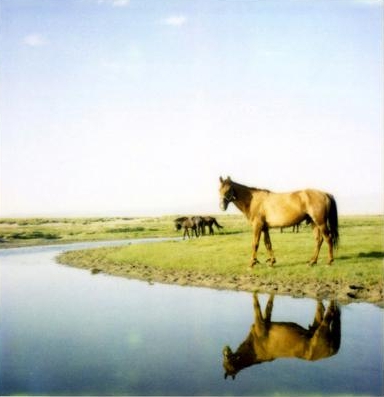
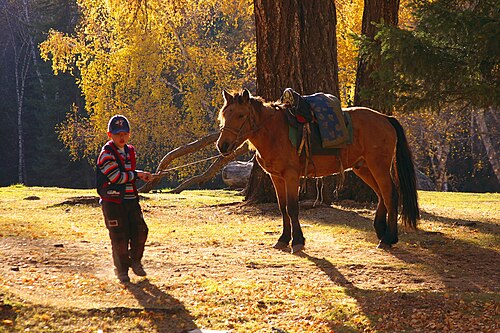
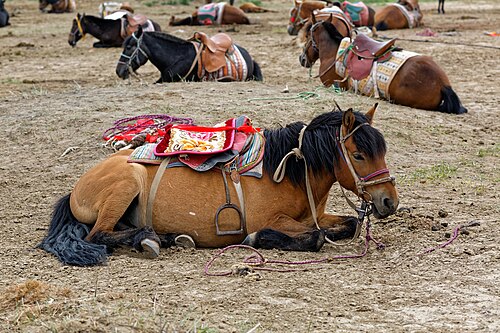
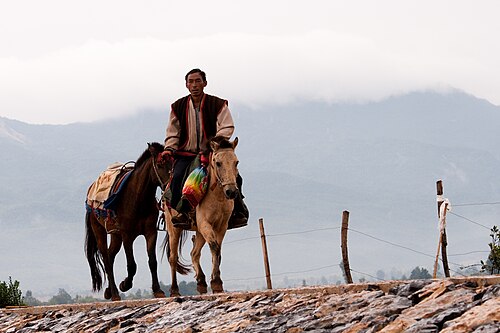
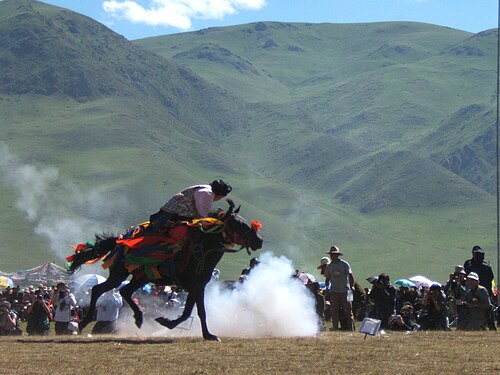 Yushu People's Republic of China Height 1.26 cm Photo: Nomadsolicitor · Public domain
Other riding horse breeds
Photo credits9 photographs on this page
- Amurski horse — N. Bunin and others · Public domain · file page
- Balikun horse — joyboffin · CC BY 2.0 · file page
- Chinese Kazakh Horse — George Lu · CC BY 2.0 · file page
- Chinese Mongolian — Sergio Tittarini · CC BY 2.0 · file page
- Guangxi — Elvir K · CC BY 2.0 · file page
- Guizhou pony — pan zhen alpacccca · CC0 · file page
- Jinjiang — Arian Zwegers · CC BY 2.0 · file page
- Lijiang pony — Tom Thai · CC BY 2.0 · file page
- Yushu — Nomadsolicitor · Public domain · file page
Photographs come from Wikimedia Commons under the licence each one names. How Animalso credits photographs.