
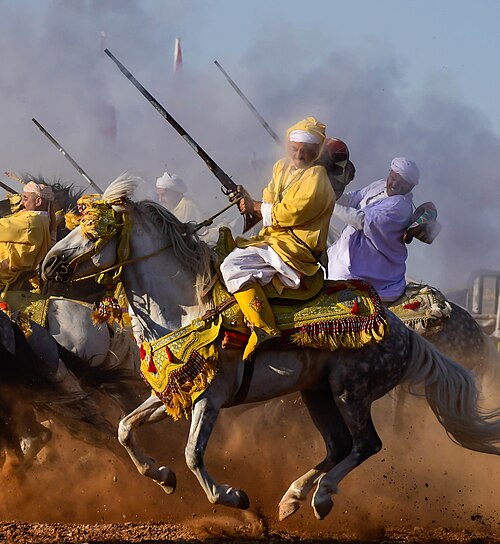
 Photo: Houssain tork · CC BY-SA 4.0
horse breed · 671 on Animalso
Barb Horse: North African Riding Breed
- Animal
- Horse
- Type
- Riding horse
- Origin
- Algeria, Tunisia, Morocco
- Height
- 1.55 cm
Called both the Barb and Berber, it is a North African horse bred for riding. Its origins include Algeria, Tunisia, and Morocco, with Algeria listed as its origin here. The breed is tied to Berber or Amazigh history and is noted for hardiness and stamina. Its recorded height is 1.55.
What the Barb horse is
The Barb, also called the Berber, is a North African horse used for riding. Algeria is listed as its origin, while its wider origins include Tunisia and Morocco.
The breed's history is connected with Berber or Amazigh peoples of the Maghreb, and it has influenced modern breeds across northern and western Africa.
Getting to know the breed
Start with its role: this is a riding-horse breed. Its recorded height is 1.55.
For broader regional context, browse horse breeds from Algeria.
Strengths
The breed is described as hardy and able to maintain stamina.
Its history connects it to the Maghreb and to Berber or Amazigh peoples.
It has contributed influence to a number of modern breeds in northern and western Africa.
Points to check
The Barb is identified as a riding horse, so it may not fit someone seeking a different horse type.
Its origins cover Algeria, Tunisia, and Morocco rather than a single country alone.
Pricing
No price is specified for this breed.
Who should skip it
Look elsewhere if you need a horse bred for a purpose other than riding. You can compare other entries in horse breeds.
Verdict
Choose the Barb if a North African riding breed, Maghreb history, and a reputation for hardiness and stamina match what you are seeking.
Pass it over when your search calls for a different type of horse or a breed outside this regional history.
What stands out
- North African riding-horse breed
- Origins include Algeria, Tunisia, and Morocco
- Known for hardiness and stamina
- Linked to Berber or Amazigh history
- Influenced modern breeds in northern and western Africa
Worth knowing
- Riding-horse type may not suit other work
- Its history spans three North African countries
- The profile centers on regional history and riding use
Suits
- Readers seeking a North African riding horse
- People interested in Maghreb and Berber history
Think twice if
- You need a horse bred for a purpose other than riding
- You want a breed from a different regional tradition
In short
The Barb offers a clear identity: a North African riding horse tied to Algeria, Tunisia, Morocco, and the history of Berber or Amazigh peoples. Its profile emphasizes hardiness and stamina, while its influence reaches other breeds in northern and western Africa. The recorded height is 1.55. It makes sense for readers drawn to a riding breed with deep Maghreb connections. Those looking for another horse type or a different regional background should compare other breeds before deciding.
Questions
What is a Barb horse?
The Barb, also called the Berber, is a North African horse used for riding.
Where does the Barb horse come from?
Algeria is listed as its origin. Its wider origins include Algeria, Tunisia, and Morocco.
What was the Barb horse bred for?
It is identified as a riding horse.
How tall is a Barb horse?
Its recorded height is 1.55.
What is the Barb horse known for?
The breed is described as hardy and having stamina.
What breeds has the Barb influenced?
It has influenced a number of modern breeds, including many in northern and western Africa.
What is the Barb horse’s cultural connection?
Its history is closely tied to Berber or Amazigh peoples of the Maghreb.
More horse breeds from Algeria
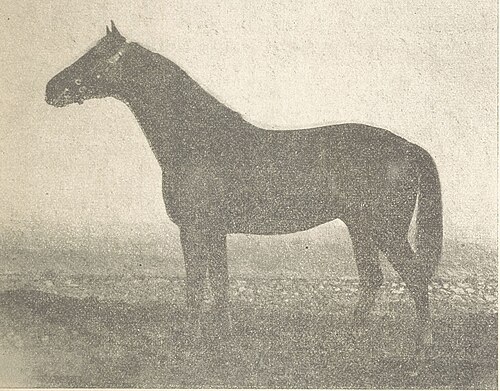 Anglo-barb horse Algeria Photo: Monod · Public domain
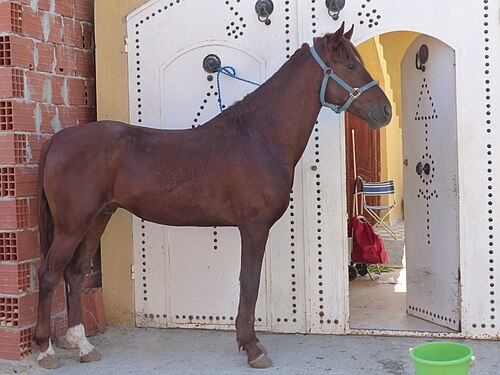
 Constantine Barb Algeria Photo: Wikimedia Commons contributor · Public domain
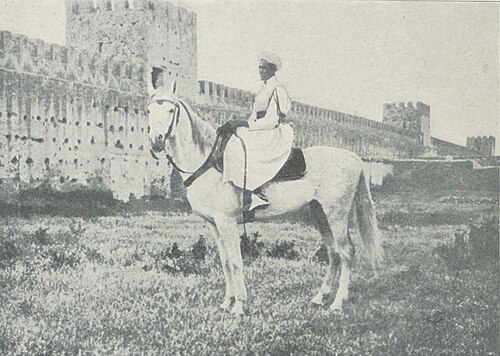
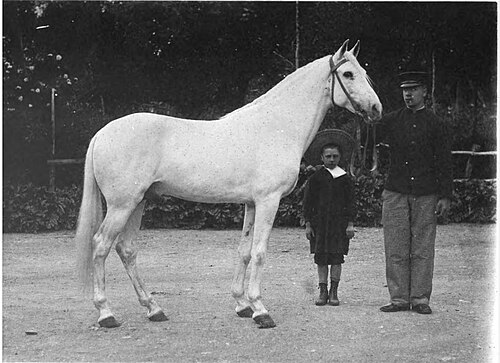 Oran Barb Algeria Photo: E. Aureggio · Public domain
Other riding horse breeds
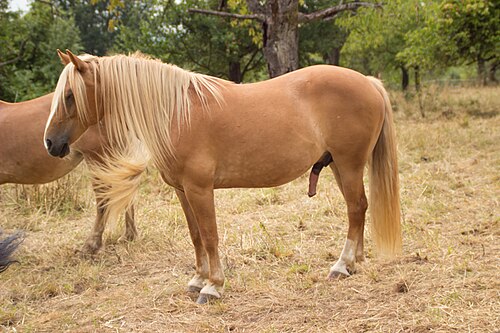
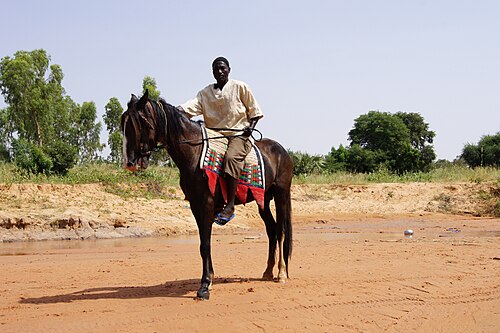 Ader Niger Photo: Ssmiling · CC BY-SA 4.0
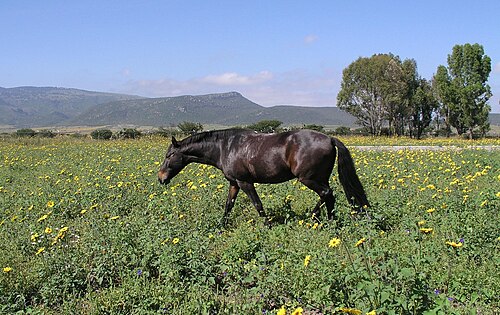
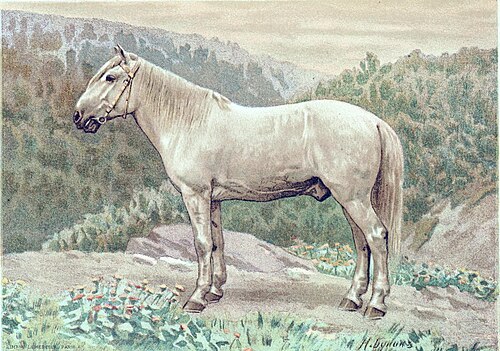 Amurski horse People's Republic of China Photo: N. Bunin and others · Public domain
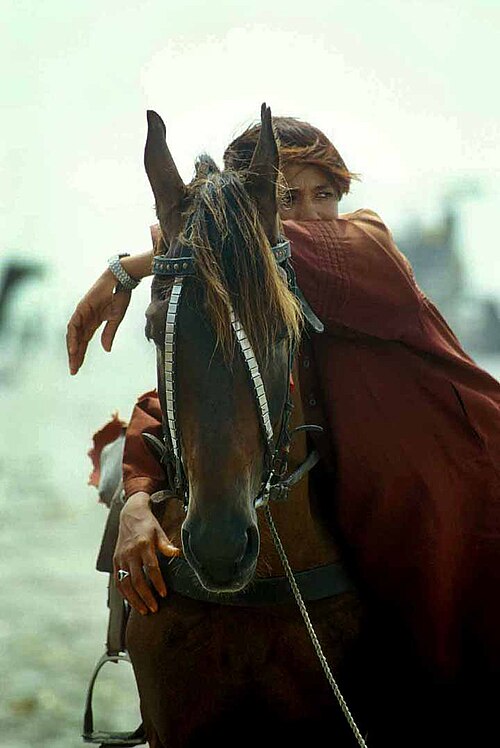
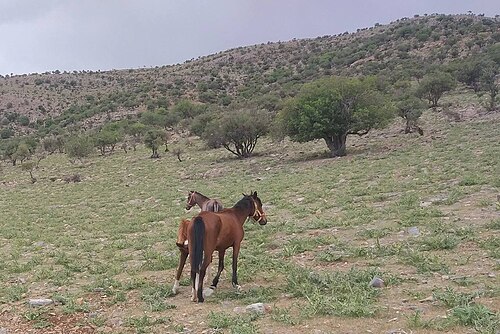
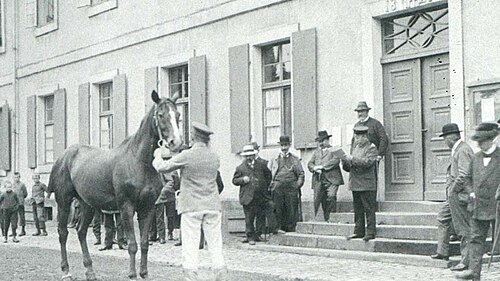 Beberbecker Germany Height 1.63 cm Photo: Wikimedia Commons contributor · Public domain
Photo credits13 photographs on this page
- Barb horse — Houssain tork · CC BY-SA 4.0 · file page
- Anglo-barb horse — Monod · Public domain · file page
- Arab-Barb — Tsaag Valren · CC BY-SA 4.0 · file page
- Constantine Barb — Wikimedia Commons contributor · Public domain · file page
- Oran Barb — E. Aureggio · Public domain · file page
- Ader — Ssmiling · CC BY-SA 4.0 · file page
- American Quarter Horse — José Reynaldo da Fonseca · CC BY 2.5 · file page
- Amurski horse — N. Bunin and others · Public domain · file page
- Araber-Haflinger — Nomygon · CC BY-SA 4.0 · file page
- Azteca horse — Tyrv · CC BY-SA 4.0 · file page
- Baluchi horse — Steve Evans · CC BY 2.0 · file page
- Basseri horse — ThisIsTheSoCalled · CC BY-SA 4.0 · file page
- Beberbecker — Wikimedia Commons contributor · Public domain · file page
Photographs come from Wikimedia Commons under the licence each one names. How Animalso credits photographs.