
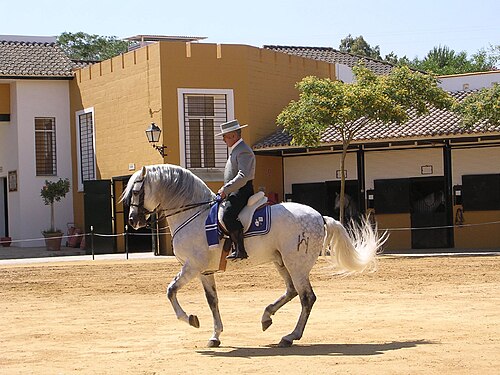
 Photo: Fresco Tours · CC BY 2.0
horse breed · 671 on Animalso
Carthusian Horse: Spanish PRE Bloodline
- Animal
- Horse
- Origin
- Spain
The Carthusian horse, or Cartujano, is a bloodline within the Purebred Spanish horse (PRE). It comes from Spain, with roots in Andalusia and a lineage traced to 1476. Carthusian horses are used in dressage and combined driving. They usually have gray coats, lighter bodies and straighter head profiles than other PRE lines.
What the Carthusian is
The Carthusian, also called Cartujano, is a bloodline group within the Purebred Spanish horse, or PRE. It originated in Spain, especially Andalusia.
Its line traces to a gray stallion named Esclavo, who became the property of Carthusian monks. Their breeding work later became known across Europe.
Where its story begins
The lineage can be followed back to 1476. Breeding remains concentrated around Jerez de la Frontera, Badajoz and Córdoba.
For a wider look at its home country, see horse breeds from Spain.
What it was bred and used for
Carthusian horses are commonly used in dressage. They are also suited to combined driving.
The line is noted for a lighter body and a straighter head profile than other PRE lines.
Points to know
Gray is the predominant coat color. The line is closely associated with Andalusia rather than being bred broadly across many regions.
Its body and head shape can differ from other Purebred Spanish horse lines, so compare individual horses with the work you plan to do.
Pricing
The supplied facts do not give a purchase price or ownership costs.
Who may want another breed
The facts describe this line mainly through its Spanish ancestry, dressage use and suitability for combined driving. Buyers seeking a different purpose should compare other entries in horse breeds.
Verdict
Choose the Carthusian if its Andalusian history and place within the PRE tradition appeal to you, especially for dressage or combined driving. Its lighter body and straighter head profile differ from other PRE lines. Because the line is concentrated in a small part of Spain, investigate the individual horse and its intended work rather than relying on the bloodline name alone.
What stands out
- Lineage is traced back to 1476.
- Commonly used in dressage.
- Suited for combined driving.
- Distinctive lighter body and straighter head profile.
Worth knowing
- Breeding is concentrated in Andalusia.
- Gray is the predominant coat color.
- Its type differs from other PRE lines.
Suits
- Dressage riders interested in a Spanish bloodline
- Combined-driving homes
- Buyers drawn to Andalusian horse history
Think twice if
- You need a horse selected for a purpose outside the uses described here.
- You want a breed with broad breeding outside Andalusia.
In short
The Carthusian is a Spanish PRE bloodline with a long recorded history and a clear connection to Andalusia. Its traditional uses are dressage and combined driving; its gray coat is predominant, while its lighter body and straighter head profile differ from other PRE lines. This is a useful choice for someone drawn to that history and type of work. The facts do not provide size, lifespan or price details, so those points need to be established for any individual horse before a decision.
Questions
What is a Carthusian horse?
It is a bloodline group within the Purebred Spanish horse, also called PRE. In Spanish, it is known as Cartujano.
Where does the Carthusian horse come from?
It comes from Spain. Its breeding is concentrated in Andalusia, particularly near Jerez de la Frontera, Badajoz and Córdoba.
How old is the Carthusian lineage?
The lineage can be traced to 1476, beginning with a gray stallion named Esclavo associated with Carthusian monks.
What is the Carthusian horse used for?
The facts describe common use in dressage and suitability for combined driving.
What color are Carthusian horses?
Gray is the predominant coat color.
How does it differ from other PRE lines?
It is described as having a lighter body and a straighter head profile, often with bony protuberances.
More horse breeds from Spain
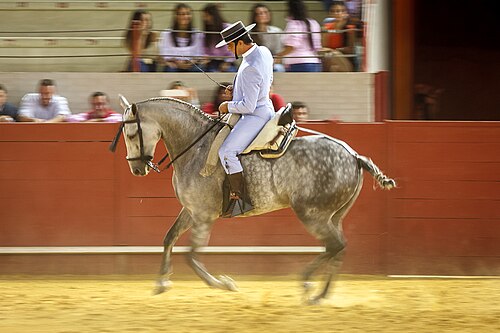
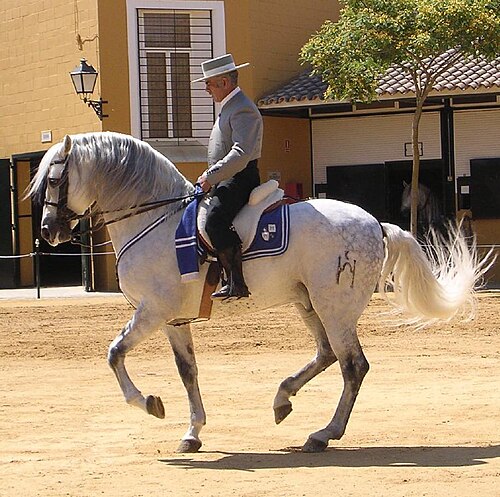 Andalusian horse Spain Photo: Fresco Tours · CC BY 2.0
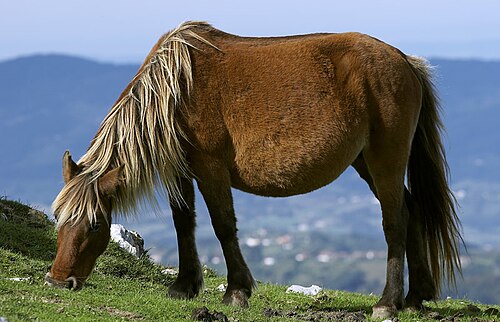 Asturcón Spain Photo: fagf · Public domain
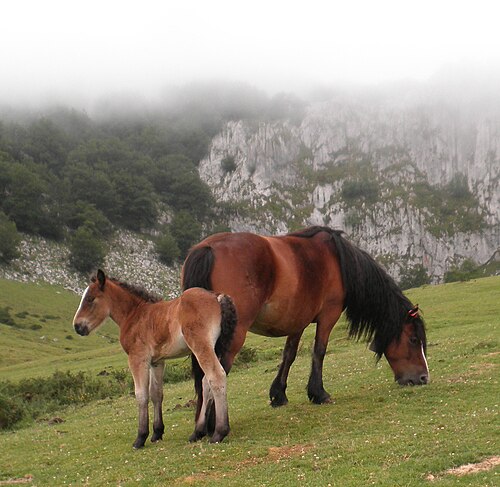
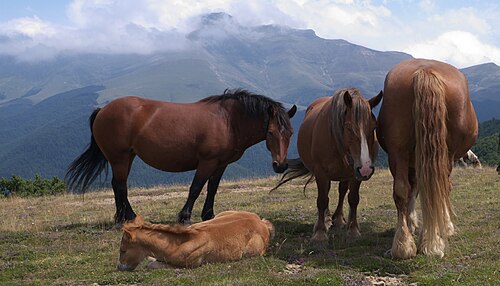 Burguete horse Spain Photo: buztanki · CC BY-SA 3.0
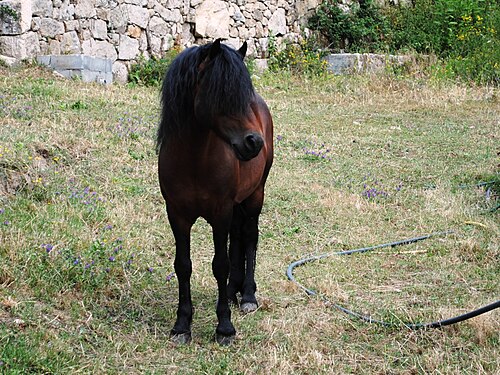
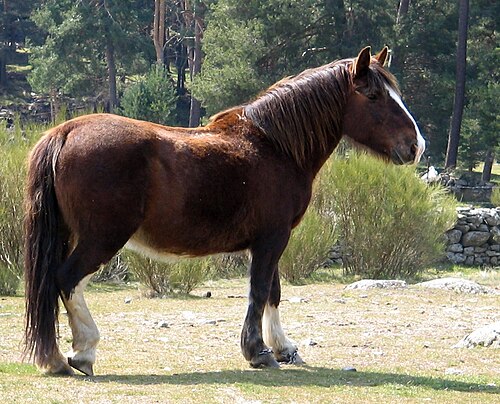 Hispano-Bretón Spain Photo: Chaluco · Public domain
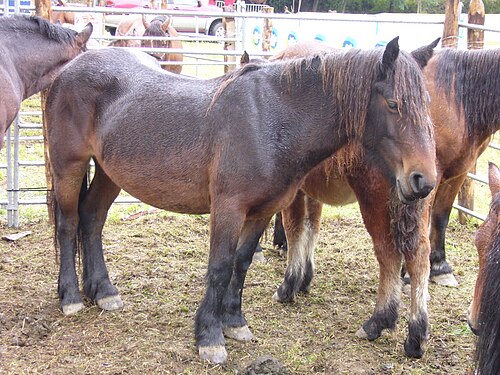
Photo credits9 photographs on this page
- Carthusian — Fresco Tours · CC BY 2.0 · file page
- Andalusian horse — Fresco Tours · CC BY 2.0 · file page
- Asturcón — fagf · Public domain · file page
- Basque Mountain Horse — Joxemai · CC BY-SA 3.0 · file page
- Burguete horse — buztanki · CC BY-SA 3.0 · file page
- Galician Pony — HombreDHojalata · CC BY-SA 3.0 · file page
- Hispano-Árabe — Manuel Gómez · CC BY-SA 2.0 · file page
- Hispano-Bretón — Chaluco · Public domain · file page
- Jaca Navarra — LANKIDE GORRITXIKI · CC BY-SA 3.0 · file page
Photographs come from Wikimedia Commons under the licence each one names. How Animalso credits photographs.