
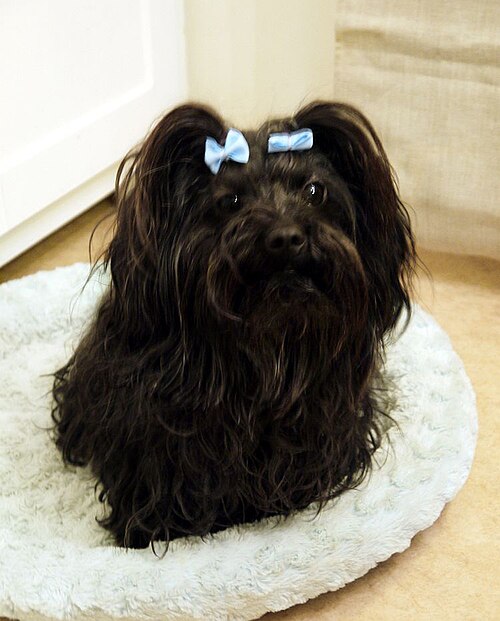
 Photo: Grebdnil · CC BY-SA 3.0
dog breed · 927 on Animalso
Russkaya Tsvetnaya Bolonka
- Animal
- Dog
- Origin
- Russia
The Russkaya tsvetnaya bolonka is a rare toy dog from Russia. It belongs to the Bichon type and was developed in Moscow and Saint Petersburg. The breed is also called Bolonka Zwetna in Germany or simply Bolonka. Its name means “French lap dog,” and its ancestry includes several smaller companion breeds.
What this breed is
Russkaya tsvetnaya bolonka is a rare toy dog of the Bichon type from Russia. It was developed in Moscow and Saint Petersburg.
Its ancestry includes smaller dogs such as the Bichon Frise, Toy Poodle and Shih Tzu. Pekingese and French Bolognese are also named among its ancestors.
Names and beginnings
You may see this breed called Bolonka Zwetna in Germany or simply Bolonka. The name means “French lap dog.”
Russia is its recorded origin. The breed is part of Russia’s dog breeds.
What stands out
The breed has a clear Russian identity and a Bichon-type background. It is classified as a toy breed.
Its history connects it with several small companion-dog lines, including the Bichon Frise and Toy Poodle.
What the record does not cover
The available facts identify the breed, its origin and ancestry but do not give recorded height, weight or life expectancy.
They also do not describe temperament, care needs or a specific working purpose. Check those points with a breeder or veterinarian before choosing a dog.
Buying and ownership costs
No purchase price or ownership cost is provided here. Costs can differ by breeder, location and the dog’s needs.
Who should look further
Anyone needing confirmed figures for adult size or lifespan should review more breed information before deciding. Compare it with other dog breeds and ask a qualified professional about the details that matter to your home.
Verdict
Choose this breed if you are specifically interested in a Russian toy dog with Bichon-type roots and a history tied to Moscow and Saint Petersburg.
Pause if you need firm information about size, longevity, temperament or care before committing. Those details are not included in the available record.
What stands out
- Rare toy breed with a documented Russian origin
- Bichon-type dog with several small-breed ancestors
- Developed in Moscow and Saint Petersburg
- Known by Bolonka Zwetna and Bolonka names
Worth knowing
- No recorded height or weight in the available facts
- No life expectancy is provided
- Temperament and care needs are not described
- No specific working purpose is listed
Suits
- Readers seeking a Russian toy breed overview
- People comparing Bichon-type companion breeds
Think twice if
- You need confirmed size, lifespan or care details before choosing
In short
Russkaya tsvetnaya bolonka is a Russian toy breed with Bichon-type origins and a name linked to the idea of a French lap dog. Its development is associated with Moscow and Saint Petersburg, and its background includes several small companion breeds. The basic identity and origin are clear, but the available record does not provide size, lifespan, temperament or care information. Treat this as an introduction, then seek those missing details from a breeder or veterinarian before making a choice.
Questions
Where does the Russkaya tsvetnaya bolonka come from?
It comes from Russia and was developed in Moscow and Saint Petersburg.
What type of dog is it?
It is a rare toy breed of the Bichon type.
What other names does it use?
It is also called Bolonka Zwetna in Germany or simply Bolonka.
What does the breed name mean?
The name means “French lap dog.”
Which dogs are in its ancestry?
Named ancestors include the Bichon Frise, Toy Poodle, Shih Tzu, Pekingese and French Bolognese.
How big does it grow?
The available facts do not give a recorded height or weight.
How long does it live?
A life expectancy is not provided in the available facts.
More dog breeds from Russia
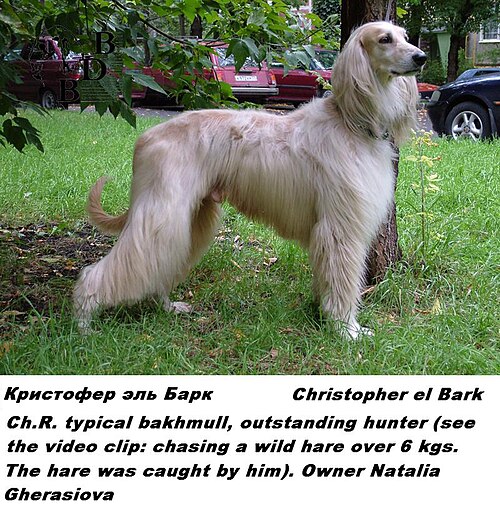 Bakhmull Russia Photo: Radobark · CC BY-SA 3.0
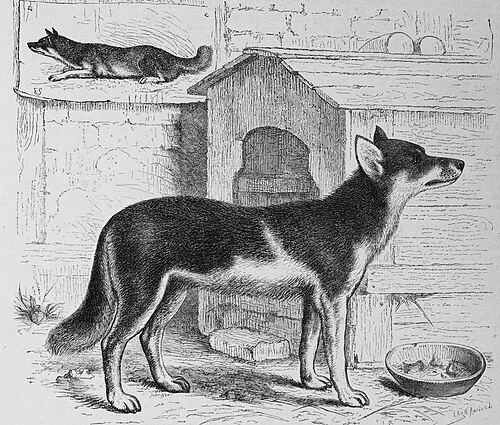 Chukotka sled dog Russia Photo: Wikimedia Commons contributor · Public domain
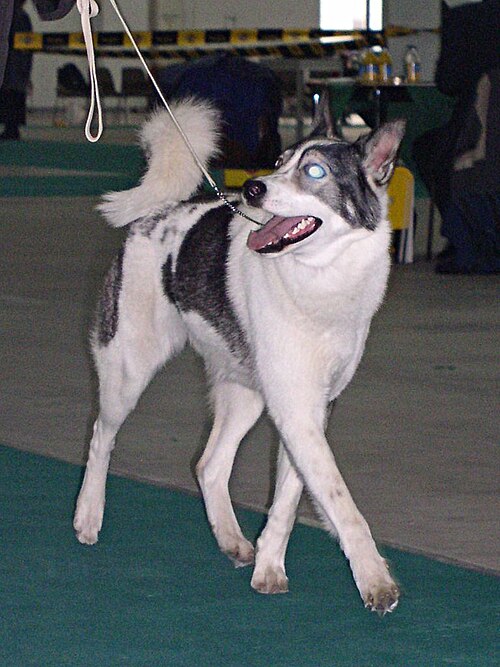 East Siberian Laika Russia Height 53 cm Photo: PrzemekL · Public domain
 Moscow Water Dog Russia Photo: Wikimedia Commons contributor · Public domain
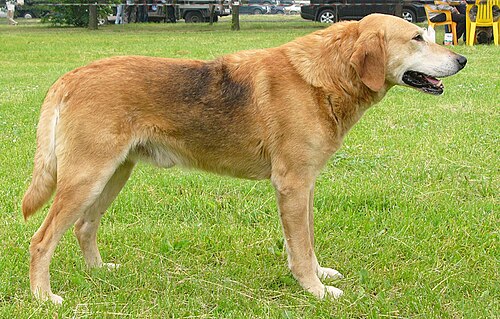 Russian Hound Russia Photo: Steve369 · CC BY-SA 3.0
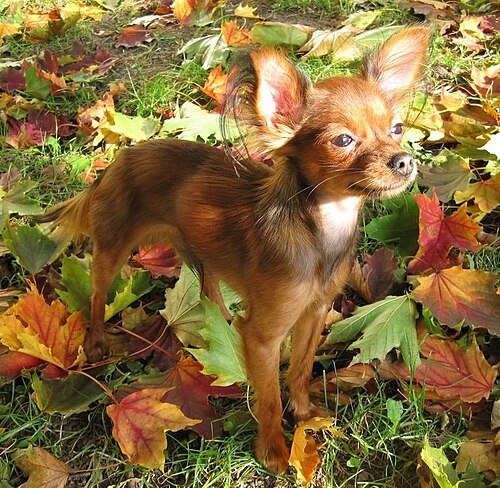 Russkiy Toy Russia Height 25 cmWeight 2.3 kg Photo: Wikimedia Commons contributor · Public domain
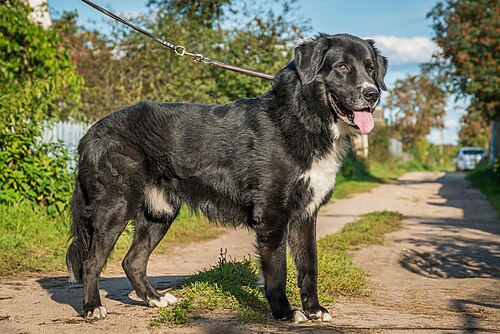
Photo credits9 photographs on this page
- Russkaya tsvetnaya bolonka — Grebdnil · CC BY-SA 3.0 · file page
- Bakhmull — Radobark · CC BY-SA 3.0 · file page
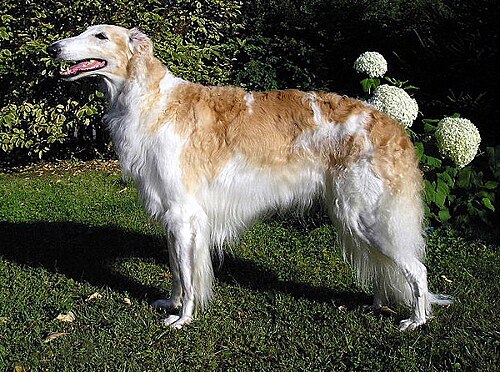
- Borzoi — Taru T Torpström · CC BY-SA 3.0 · file page
- Chukotka sled dog — Wikimedia Commons contributor · Public domain · file page
- East Siberian Laika — PrzemekL · Public domain · file page
- Moscow Water Dog — Wikimedia Commons contributor · Public domain · file page
- Russian Hound — Steve369 · CC BY-SA 3.0 · file page
- Russkiy Toy — Wikimedia Commons contributor · Public domain · file page
- Tuvinskaya ovcharka — Ardan2018 · CC BY-SA 4.0 · file page
Photographs come from Wikimedia Commons under the licence each one names. How Animalso credits photographs.