Quick wins for a faster PC:
Fix the driver behind crashes, sound loss and screen glitchesFind Drivers →Repair Windows errors before they cause bigger problemsFix Now →Tuna is not an acute poison for dogs, but it is a poor routine treat because mercury can build up with repeated or large servings. The safest policy is to skip tuna, especially for puppies, small dogs, and dogs with health problems. A tiny accidental taste is usually a monitor-at-home situation; substantial ingestion or symptoms warrant a prompt call to your veterinarian.
Why tuna is risky for dogs
The main concern is mercury. Tuna are relatively large, long-lived fish, so their tissues can contain more mercury than many smaller fish. Cooking does not remove that concern, and no reliable tuna-specific serving size or feeding schedule has been established by the veterinary guidance reviewed here.
Mercury risk is primarily cumulative: repeated feeding or a large amount is more concerning than a single lick. Tuna is therefore different from foods that are acutely poisonous in tiny quantities, but that does not make it a good regular addition to a dog’s diet.
How veterinary guidance differs
Recommendations are not identical. The American Kennel Club’s tuna-specific guidance says canned and raw tuna are not considered safe, highlighting mercury, salt and raw-food risks. PetMD says a very small amount may be an occasional treat in some circumstances, while still recommending that owners avoid tuna overall, particularly for puppies, small dogs and dogs with health problems. An AKC guide to human foods allows a little canned tuna occasionally when it is packed in water and contains no spices.
#1 Best Overall

- REAL FISH. HAPPY TAILS. — Made with real fish as the #1 ingredient, GooToE Fish Sticks are high protein, grain free, and easy to break by hand. The rich, natural fish aroma gets your dog's attention instantly — even the pickiest eaters. Perfect as training treats for dogs of all breeds and sizes.
- SNACK TIME THAT QUIETLY DOES GOOD — Fish naturally delivers Omega-3 fatty acids every treat time. The tuna variety is ultra-lean at just 0.3% fat — great for dogs needing a lighter daily snack. The salmon variety offers 5% natural fish oil for richer Omega-3 skin & coat support. No supplements needed.
- HIGH PROTEIN, LOW IN FAT — GOOD NUMBERS TO KNOW — Tuna: 40% crude protein, only 0.3% crude fat. Salmon: 36% crude protein, 5% natural fish oil. Both grain free, with no artificial preservatives, colors, or flavors. Simple, clean ingredients your dog loves and you can feel good about every single day.
- 3 INGREDIENTS. THAT'S IT. — Fish, Coconut Glycerin, Soy Protein. Grain free, no artificial anything. Made in Vietnam to consistent quality standards. Sealed in a resealable bag so every treat stays as fresh and flavorful as the first one. Sometimes the shortest ingredient list is the best one.
- EVEN THE FUSSIEST DOGS SAY YES — You know the ones — dogs who sniff a treat, look at you blankly, and walk away. The deep, savory aroma of real dried fish for dogs is hard to say no to, even for them. Snaps apart easily for smaller portions or smaller breeds. A little joy, perfectly portioned.
These positions differ in strictness, not in the important practical point: tuna should not become a routine food. If you choose the more permissive interpretation, keep it to a tiny, infrequent taste of plain tuna in water and ask your veterinarian first for a dog with medical or dietary restrictions. There is no published tuna dose that can be presented as universally safe.
Which kinds of tuna are most concerning?
| Form | Main issues | Practical advice |
|---|---|---|
| Fresh or cooked tuna | Mercury remains a concern even after cooking. | Do not use as a regular treat. |
| Canned tuna | May contain added salt or preservatives. | If a veterinarian agrees that a rare taste is appropriate, choose plain, water-packed tuna with no spices. |
| Oil-packed tuna | Can cause digestive upset; PetMD notes pancreatitis risk after a dog eats a large amount. | Avoid, particularly in dogs with a history of pancreatitis or digestive disease. |
| Raw tuna | May carry bacteria or parasites, in addition to the mercury concern. | Keep raw tuna out of the bowl. |
| Canned albacore | Older, larger fish can accumulate more mercury; PetMD lists canned albacore among fish to avoid. | Do not offer as a dog treat. |
What to do if your dog ate tuna
A tiny taste
Do not panic after a small lick or bite. Tuna is not inherently toxic, and a tiny amount is unlikely to cause mercury poisoning. Note whether it was raw, oil-packed, seasoned or salty, provide normal access to fresh water, and observe your dog.
Rank #2

- WILD CAUGHT TUNA: single-ingredient freeze dried tuna, 100% fish with no fillers, grains, or artificial additives
- IRRESISTIBLE FLAVOR: the pure taste of the ocean cats and dogs go crazy for, a high-value reward for picky eaters
- TREAT OR TOPPER: feed whole or crumble over food as a high-protein tuna food topper to boost any meal
- FOR ALL LIFE STAGES: great for kittens, adult cats, puppies, and seniors, and gentle on sensitive stomachs
- TESTED & INSPECTED IN USA: responsibly sourced, quality tested freeze dried tuna treats you can trust
A large or repeated amount
Call your veterinarian or an animal poison service promptly if your dog ate a substantial quantity, has been given tuna repeatedly, or consumed a can packed in oil. Have the product container available and report the type, amount, your dog’s weight and when it was eaten. Do not induce vomiting unless a veterinary professional specifically tells you to.
Signs that need prompt veterinary advice
- Repeated vomiting or diarrhea
- Marked lethargy or weakness
- Tremors
- Difficulty walking or loss of coordination
- Vision changes
- Any rapidly worsening or otherwise concerning symptom
Those signs do not prove mercury poisoning; they can have many causes. A veterinarian can decide whether examination, testing or treatment is needed.
Outdated Drivers Are Slowing You Down
One free scan finds every outdated or missing driver and matches the right update for your exact hardware.Free scan · exact hardware matchWindows Errors? Fix Them Before They Spread
Repair common Windows errors and clear accumulated junk for a smoother, more stable PC - no reinstall needed.Free scan · no reinstallRank #3

- Turn the bottle around and look at our ingredients; made with only 1 simple human grade ingredient: 100% pure wild tuna; pop open the bottle and sprinkle gently onto any meal to add a protein boost and to enhance flavor; a great healthy topper or mixer for your dog
- Made fresh & pure, using a delicate air drying process at low temperatures to help preserve fresh RAW whole food
- Dogs love the taste of PureBites! 100% natural, high in protein, low in calories and nothing added like colors, fillers, or sweeteners
- PureBites sprinkles are ideal for dogs with diabetes, allergies, other health issues, or dogs that are on a restricted diet; limited ingredient treats or toppers allow pet parents the peace of mind knowing exactly what their furry loved ones are eating everyday
- In an effort to do our part, PureBites sprinkles are packaged in recyclable containers that we can recycle today for a better tomorrow; all PureBites treats, food, mixers, and toppers are always backed by our 100% money-back satisfaction guarantee
Can puppies, small dogs or sick dogs have tuna?
Extra caution is appropriate for puppies and small dogs because the same amount represents more food per unit of body weight. PetMD also advises avoiding tuna for dogs with health problems. Dogs on prescription diets, or those with pancreatitis, kidney disease, heart disease or other conditions affected by salt or fat, should receive individualized advice before any human food is added.
Better fish choices for dogs
For owners who want to offer fish, the sources identify salmon, whitefish, herring, flounder and Arctic char as options with lower mercury concerns than tuna. PetMD also describes light canned tuna in water as a safer fish choice than albacore, but that comparison does not override the tuna-specific recommendation to avoid routine feeding.
Rank #4
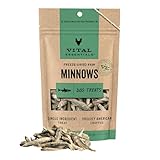
- FREEZE DRIED RAW MINNOWS DOG TREATS – CRISPY, BITE SIZED FOR TRAINING, 1 OZ BAG: High protein dog treats made with 100% minnow. Perfect as high value dog training treats, puppy training treats, and everyday rewards
- IRRESISTIBLE AROMA AND FLAVOR DOGS LOVE: Freeze dried raw dog treats preserve the natural scent, and taste dogs crave, helping keep dogs engaged and making every reward more exciting
- SINGLE INGREDIENT DOG TREATS: Made with 100% minnow and no fillers, preservatives, artificial flavors or colors – delivering clean, meat-first nutrition in every bite
- USA MADE WITH U.S. AND GLOBALLY SOURCED INGREDIENTS: Made with high-quality animal protein from trusted suppliers. Freeze dried dog treats you can trust from a brand committed to minimally processed raw nutrition
- LIGHTWEIGHT, SHELF STABLE AND EASY TO STORE: Freeze-dried dog treats are easy to take on the go, store in your pantry, and use anytime without refrigeration—perfect for at home or on the move
Prepare fish safely
- Cook it thoroughly; do not serve raw fish.
- Keep it plain, without salt, sauces, garlic, onion or other potentially harmful seasonings.
- Remove every bone before serving.
- Use fish as an occasional treat, not a replacement for a complete and balanced dog food.
The American Kennel Club gives a general rule of thumb that treats should make up no more than 10% of a dog’s daily diet. That is general treat guidance, not a tuna-specific allowance or a guaranteed safe mercury limit.
Independent reader supportYour contribution helps us test, update, and keep practical guides available for everyone.How to decide about any fish treat
- Identify the species. Mercury concern varies with the fish and its size and age; tuna, especially albacore, deserves caution.
- Check the preparation. Raw fish, bones, oil, salt and seasonings add separate hazards.
- Consider the dog. Age, body size, health conditions and a prescription diet can change the risk.
- Keep the role small. Treats should remain within the general 10% daily-diet guideline, and no recurring tuna schedule is established.
- When uncertain, ask your veterinarian. Individual advice is preferable to estimating a “safe” tuna portion.
Bottom line
Dogs can usually tolerate a tiny accidental taste of tuna, but tuna is not a good regular treat. Avoid raw, oil-packed, salty, seasoned and albacore tuna; never treat the 10% rule as a tuna dose. Choose properly cooked, plain, boneless lower-mercury fish instead, and contact a veterinarian after a large or repeated ingestion or any concerning symptoms.
Recommended Free Tools
Quick Recap
Best Value

- FREEZE DRIED AHI TUNA CAT TREATS – CRUNCHY, BITE SIZED REWARDS, 1.1 OZ BAG: High protein cat treats made with single animal protein ahi tuna in a light, crunchy format designed for cats of all ages
- HELPS ENTICE EVEN PICKY CATS: Freeze dried cat treats preserve the aroma cats instinctively recognize, helping turn even finicky felines into eager treat seekers
- USA MADE WITH U.S. AND GLOBALLY SOURCED INGREDIENTS: Made with high-quality animal proteins from trusted suppliers. Grain free cat treats with no fillers, artificial flavors, or colors for nutrition and quality you can trust as a pet parent. Great for picky eaters and cats with allergies
- AROMA AND FLAVOR CATS INSTINCTIVELY RECOGNIZE: Made with ahi tuna, these high protein cat snacks deliver meat-first nutrition in every bite
- CRUNCHY CAT TREATS WORTH PURSUING: Bites of freeze-dried ahi tuna provide a satisfying texture that may help support dental health while making treating more rewarding and fun for cats of all ages
Product prices and availability are accurate as of the date/time indicated and are subject to change. Any price and availability information displayed on Amazon at the time of purchase will apply.




