Recommended Free Tools
To TNR community cats safely, arrange a veterinary appointment and a secure recovery space first; then use a humane live-release box trap, have a veterinarian sterilize and vaccinate each cat, and return the cat to the exact place it came from once the clinic says it is ready. Check local rules and clinic procedures before trapping, because requirements and recovery timing vary.
What TNR means
Trap-neuter-return (TNR) is a humane approach for outdoor, unowned, free-roaming cats. Cats are trapped, taken for veterinary sterilization and vaccination, identified with an ear tip, and returned to the outdoor location where they live. A community cat may be friendly or unsocialized and may have a caretaker.
Ongoing observation and care are part of the work. The ASPCA uses “TNRM” to emphasize monitoring: caretakers watch the cats’ wellbeing, provide food, water, and shelter as appropriate, and arrange TNR for intact newcomers. ASPCA community-cat guidance and Alley Cat Allies’ TNR overview describe these practices.
What to do before trapping community cats
Identify the cats and coordinate with neighbors
Count the cats and note their appearance, behavior, and usual locations. Talk with nearby residents and coordinate with an established caretaker if there is one. A friendly cat could be a pet even if it has no visible identification. The ASPCA advises making substantial efforts to identify an owner before trapping an overtly friendly cat; see its position statement on community cats.
Windows Errors? Fix Them Before They Spread
Repair common Windows errors and clear accumulated junk for a smoother, more stable PC - no reinstall needed.Free scan · no reinstallCrashes, No Sound, or Screen Glitches?
Random freezes, missing sound and display glitches usually trace back to one bad driver. Find and replace yours safely.Free scan · under a minute#1 Best Overall

- High Quality Materials:SZHLUX Live Animal Cage Trap use low carbon steel wire and medium frequency welding. In this way, the product surface is flat, the welding is firm, and it is not easy to solder off.Weather and rust resistant.
- Convenient Design: Our cat trap is foldable and can be easily loaded into the trunk of the car.It only takes 4 simple steps to set up,from nearly flat to assembled in seconds--no tools needed.
- Humane Live Animal Trap: Our raccoon trap use oblong support frame to secure the cage shape and use fixing clips to fix rear door,smoothed internal edges protect and prevent trapped animal being injured.All you need is some bait to catch and then release them back to the wild.
- User-friendly Design: The top cover guard board of the cage prevents people injured by the trapped animal's mistake.The connecting rod of the pedal mechanism is set inside the cage to prevent animals from touching the mechanism by mistake.A new tool has been designed to extend the safe distance when releasing the animal.
- Dimensions: Product Size: 32inch*10inch*12inch; Package Size: 38.2inch*11.8inch*3.15inch.Excellent choice when attempting to capture smaller animals such as stray cats, raccoons, squirrel, skunk, mole, groundhog, armadillo, rabbit and small dogs.
Check local rules and contact a shelter, TNR group, or veterinary clinic for area-specific guidance. Laws, program eligibility, and available services differ by location.
Book veterinary care and plan recovery
Confirm that the clinic accepts community cats and ask about appointment and intake procedures, feeding instructions, trap requirements, transport, discharge timing, and what to do if a cat appears ill or injured. Find out which services are included: sterilization, vaccination, ear-tipping, and—when feasible—microchipping. Do not trap until you have a confirmed plan for veterinary care and a quiet, secure place to hold each cat in its trap during recovery.
Rank #2

- HUMANE CAPTURE: This large live animal trap safely captures raccoons, cats, possums, and other small animals with a 1-door design that allows full entry before closing, reducing escape chances for effective pest control
- HEAVY-DUTY CONSTRUCTION: Built with galvanized wire mesh and solid steel door, this raccoon trap resists rust and corrosion while providing long-lasting durability for outdoor use in all weather conditions
- SAFETY FIRST: Features smooth internal edges to prevent animal injuries and protective handle guards for safe handling, making this humane animal trap ideal for both novice and experienced users in wildlife management
- PROFESSIONAL DESIGN: Engineered with a refined trip mechanism specifically calibrated for heavier animals like bobcats and coyotes, this live trap minimizes false triggers while ensuring reliable capture performance
- VERSATILE SOLUTION: Perfect as a feral cat trap, skunk trap, or armadillo trap, this large animal cage trap handles a wide range of pest control situations effectively for comprehensive wildlife management
Ask local clinics and TNR groups whether they lend traps. If you need to buy one, choose a humane live-release cat box trap and verify that it meets the clinic’s requirements. The ASPCA’s community cat program information illustrates that services and arrangements are program-specific.
Prepare the trap
Alley Cat Allies suggests feeding cats inside unset traps for one to two weeks before trapping, so the cats become familiar with them. Use the clinic’s instructions if they differ. The joint TNR guide from Alley Cat Allies, the ASPCA, and the NYC Mayor’s Alliance identifies box traps as the tool of choice. Cats can remain in their traps during transport and recovery, avoiding the need to handle them directly.
Rank #3
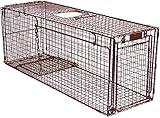
- Works for cats, skunks, rabbits, and other small animals
How do I trap a stray cat?
Use a humane live-release box trap, set it in a calm location, and plan to monitor it closely. Trap one cat per trap. Keep noise and disturbance low, and follow the clinic’s directions about bait, timing, and handling.
- Confirm the appointment and setup. Check that the clinic is expecting the cat and that you have a suitable trap, transport plan, and secure recovery space.
- Set one trap for one cat. Place it where the cat is accustomed to eating or passing through, following the trap and clinic instructions. Do not put multiple cats in one trap.
- Stay nearby and keep the area quiet. Check the trap frequently. Once a cat is caught, keep the trap covered if advised by the clinic, secure it against movement, and take the cat for care as arranged.
- Do not handle the cat or open the trap casually. A frightened cat may injure itself or a person. Ask the clinic or TNR group for help if the trap malfunctions or the cat appears distressed.
For more step-by-step guidance, see Alley Cat Allies’ guide to helping community cats.
Rank #4

- Wide Application: As urban and wilderness ecosystems intertwine, animals may disturb your life. Our cat trap is a versatile solution for various animals, including cats, raccoons, rabbits, groundhogs, armadillos, and opossums. It effectively addresses issues such as farmland invasion, release, and harassment.
- Humanized Designs: We prioritize humane care with our raccoon trap. The L-shaped lever ensures the trap won't harm animals when triggered. The dense mesh prevents escapes and protects against external attacks or stolen food. Smooth wire edges prevent animals from panicking or biting the wire, ensuring their safety.
- Sturdy and Durable: Our animal trap is built to last. It is constructed with sturdy, thickened wires that withstand animal bites and impacts without deformation or cracking. The galvanized coating provides excellent corrosion resistance, ensuring stability and durability in all weather conditions.
- Simple and User-friendly: Our live trap is designed for your convenience. It comes pre-assembled, saving you from tedious setup steps. Just unfold the cage, secure the rear door, and connect the trap mechanism to start using it quickly. This saves time and effort, allowing you to engage in capture work promptly.
- Portable and Easy to Store: Our efficient groundhog trap is portable and easy to store. It features a convenient handle for easy mobility, with an extended design that prevents accidental injuries from animals. The collapsible design allows for easy storage, freeing up space when not in use.
What veterinary care should a TNR cat receive?
Core TNR care includes spay or neuter surgery, vaccination, and an ear tip made while the cat is under anesthesia. At least rabies vaccination is recommended where rabies occurs. The veterinarian should assess individual medical needs and explain the clinic’s discharge criteria. The ASPCA also recommends scanning for a microchip and microchipping when feasible.
An ear tip is a visible sign that a cat has been sterilized, which helps prevent unnecessary repeat trapping and surgery. Confirm the exact services with the clinic before trapping, since programs may differ.
Best Value

- Safe & Humane Trapping – Designed with animal welfare in mind, this live trap safely captures animals without injury, making it ideal for humane relocation.
- Durable Galvanized Steel Build – Constructed from high-strength, rust-resistant steel for long-lasting performance in any weather condition.
- Reliable Trigger Mechanism – Features a highly sensitive trip plate and spring-loaded door to ensure fast and secure captures, every time.
- Spacious & Versatile Size – Accommodates a range of medium-sized animals including raccoons, groundhogs, armadillos, and stray cats.
- Simple Assembly– Folding to save space and easy assembly with no tools required—perfect for homeowners, farmers, or pest control professionals.
How long should a cat stay in a trap after being neutered?
There is no single recovery interval that applies to every cat or clinic. Follow the treating veterinarian’s instructions and discharge criteria, and keep the cat secured in a quiet place protected from weather and disturbance. Do not release a cat simply because a set number of hours has passed.
Published program practices differ: the Humane Society program guide discusses both 24- and 48-hour practices and notes that there is no hard data proving 24 hours is as safe as 48 hours. Alley Cat Allies’ post-surgery guidance also stresses following recovery instructions. The clinic that treated the cat is the authority on when that individual animal is ready.
When can I release a feral cat after surgery?
Release the cat only when the treating clinic’s criteria are met and the cat is sufficiently alert and well. Return the cat to the exact original location, not a new outdoor site. Community cats are bonded to their familiar territory; moving them can separate them from their established environment and caretaker. Keep the trap secure during transport and open it only at the release site, following the clinic’s directions.
How to monitor the group after TNR
Continue checking the cats’ health and wellbeing and coordinate with the caretaker about ongoing food, water, shelter, and veterinary concerns. Watch for intact newcomers and arrange TNR for them rather than letting the group’s coverage lapse. ASPCA describes a program target of sterilizing at least 75% of a group’s cats within six months, then continuing to sterilize at least 75% of the remaining intact cats; this is its stated target, not a universal guarantee of a particular outcome. See the ASPCA explainer.
Quick wins for a faster PC:
Repair Windows errors before they cause bigger problemsFix Now →Fix the driver behind crashes, sound loss and screen glitchesFind Drivers →Clear out junk files and repair common Windows errorsFree Scan →Quick Recap
Product prices and availability are accurate as of the date/time indicated and are subject to change. Any price and availability information displayed on Amazon at the time of purchase will apply.