Yes—although “4,000 years old” is an estimate, not an exact measurement. The Olive Tree of Vouves, in Ano Vouves in western Crete, is alive and still produces olives. Public descriptions usually place it between 3,000 and 5,000 years old; a peer-reviewed genetic study describes its estimated age as exceeding 4,000 years. The tree’s original inner wood has disappeared, so scientists cannot count a complete sequence of annual rings.
How old is the Olive Tree of Vouves?
The most defensible answer is that the Vouves tree is at least several thousand years old, with a commonly cited estimate of more than 4,000 years. A 2021 study by Aureliano Bombarely and co-authors called it an ancient producing olive tree with an estimated age exceeding 4,000 years. The institutional description used by ABEA gives a broader range of 3,000–5,000 years and explicitly notes that scientists cannot be absolutely certain.
That uncertainty is normal for ancient olives. Their trunks can hollow out, lose the original heartwood and regenerate around older remnants. Without the complete central wood, a conventional tree-ring count cannot provide a precise birthday. Crete’s regional authority likewise explains that dating old olive trees can place them anywhere from the Roman or Classical periods back to the late Minoan era, depending on the method and evidence available.
| Claim | What it means | Strength and limitation |
|---|---|---|
| 3,000–5,000 years | Range in ABEA’s monument description | Useful public estimate, not a precise laboratory date |
| Exceeding 4,000 years | Estimate in the 2021 peer-reviewed genetic-origin study | Scientific publication, but still an indirect estimate |
| Roman, Classical or late Minoan age | Periods used by regional dating discussions for very old Cretan olives | Shows how widely results can vary among trees and methods |
What does the tree look like?
The monument has a reported trunk circumference of 12.5 metres and a diameter of 4.6 metres. The massive, convoluted trunk is the product of extreme age, repeated growth and regeneration rather than a simple, intact cylinder of wood.
What’s actually slowing this PC down?
Pick the symptom - the matching free tool is one click away.
#1 Best Overall

- Live Evergreen Plant: Olea europaea ‘Dwarf’ olive tree starter in a 2-inch pot
- Compact Growth Habit: Ideal for small spaces, containers, and tabletop plant displays
- Mediterranean Foliage: Features narrow, silvery-green leaves for a classic ornamental look
- Indoor & Outdoor Use: Suitable for houseplant décor, patios, and garden planting
- Bonsai-Friendly Plant: Can be shaped and maintained for bonsai-style growth over time
It remains a living, fruiting tree. That matters: the Vouves olive is not merely an archaeological stump preserved in place but a biological organism that continues to produce olives.
Did it exist when Alexander the Great was alive?
Possibly—and under the higher age estimates, it would already have been many centuries old. Alexander the Great lived from 356 to 323 BCE and ruled Macedon from 336 to 323 BCE. A tree older than 4,000 years today would have been established long before his lifetime.
Rank #2

- black olive bonsai tree, comes in 8 or 10 inch glazed pot. Color can vary
- Semi sun, likes to be wet,
However, no evidence identifies the Vouves tree as a literal witness to Alexander’s campaigns or records its survival through any particular historical event. “Watched Alexander rise and fall” is a chronological image grounded in the tree’s possible age, not a documented eyewitness claim.
What has science learned about its origins?
Bombarely’s study used microsatellite genetic markers to compare the Vouves rootstock with other olives. The rootstock was related to two present-day Greek cultivars, an ancient continental-Greek rootstock and monumental olive trees in Cyprus. These relationships help place the tree within the history of cultivated Greek olives; they do not produce an exact planting date.
Free tools Windows power users keep installed
One-click scans. No signup required.
Rank #3
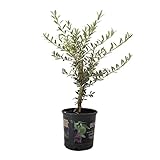
- Gourmet Home Gardening: Cultivate a taste of the Mediterranean in your own backyard with the Arbequina Olive Tree. This exquisite variety is renowned for its high-quality olives, perfect for homemade olive oil and culinary creations. Elevate your cooking experience with the authentic flavors of freshly harvested olives, right from your garden.
- Year-Round Bounty: Enjoy a continuous harvest of delectable olives throughout the year. The Arbequina Olive Tree is known for its abundant fruit production, providing you with a bountiful supply of plump, flavorful olives. Whether you're a culinary enthusiast or an aspiring chef, having your own olive tree ensures a regular supply of premium olives for your culinary adventures.
- Elegant Ornamental Appeal: Beyond its culinary value, the Arbequina Olive Tree is a sight to behold. Its slender, silvery-green leaves and gnarled trunk create an enchanting Mediterranean ambiance in your garden or patio. Transform your outdoor space into a picturesque oasis, where the charm of ancient olive groves meets modern elegance.
- Low-Maintenance Luxury: Revel in the simplicity of olive tree cultivation. Arbequina Olive Trees are remarkably easy to care for, thriving in sunny locations with well-drained soil. Their drought-resistant nature and resistance to pests make them a hassle-free choice for both novice and experienced gardeners. Spend more time enjoying the fruits of your garden and less time worrying about maintenance.
- Homegrown Health: Embrace the health benefits of fresh olives and olive oil. Arbequina olives are rich in antioxidants, healthy monounsaturated fats, and essential nutrients. Incorporate these nutritional powerhouses into your diet, promoting heart health, reducing inflammation, and enhancing overall well-being. With your own Arbequina Olive Tree, you have the key to a healthier lifestyle right at your doorstep.
The research also concerns the tree’s rootstock—the older biological foundation beneath later growth. That distinction is important because an ancient olive can regenerate repeatedly while retaining an old root system.
Where is the ancient olive tree near Chania?
The tree stands in Ano Vouves, in western Crete, beside the Olive Tree Museum of Vouves. It is inland from the Chania area and is commonly visited as part of an excursion through the villages and olive-growing landscape west of the city. Exact travel times depend on the starting point and route.
Rank #4
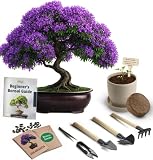
- FREE EXTRA SEEDS!! Avergo’s bonsai starter kit comes with 2 additional seed packets just in case you’ll need more
- A COMPLETE BONSAI STARTER KIT – Avergo’s DIY bonsai tree kit contains everything you need to grow your own special mini trees
- BONSAI TREE STARTER KIT - With seeds of Avergo's most popular Japanese bonsai mini tree
- SPECIAL GIFTS – Indoor planting is just fun! Bonsai kit is a great gift for plant lovers - birthday, Mother’s Day, Valentine's Day, Christmas, etc. For women & men
- EASY TO GROW – Sprouting bonsai trees can be challenging. Though our seeds have higher germination rate we've added extra seeds to increase your chances of success
Can you visit the Olive Tree Museum of Vouves?
Yes. The museum next to the monument interprets the traditional olive economy of Crete. Its displays include harvesting tools, olive-processing equipment, ploughs and storage vessels. Together, the tree and museum show both the deep biological history of the olive and the practical rural culture built around it.
Check the museum or local tourism authority directly for current opening hours, seasonal access and transport information; those details are not established here. The tree is protected as a natural monument under regional decision 603/02.17.1997.
Quick wins for a faster PC:
Repair Windows errors before they cause bigger problemsFix Now →Scan for outdated or missing drivers - takes under a minuteDriver Scan →Best Value

- TIMELESS ELEGANCE: The Olive Tree is a symbol of timeless elegance and grace. With its slender, silvery leaves and twisting branches, this tree adds a touch of Mediterranean charm to any home. Embrace the beauty of ancient civilizations as you bring the allure of olive groves to your own garden or home.
- CULINARY TREASURE: Beyond its ornamental appeal, the Olive Tree offers a culinary treasure trove. Cultivate your own olives and experience the satisfaction of harvesting these delectable fruits. Whether you're a cooking enthusiast or a gourmet chef, the olives from your very own tree will elevate your culinary creations to new heights.
- DROUGHT-TOLERANT BEAUTY: Thriving in sunny, arid climates, the Majestic Olive Tree is a testament to nature's resilience. Its drought-tolerant nature means it requires minimal water, making it an environmentally conscious choice for your garden. Enjoy lush, verdant foliage without a significant ecological footprint.
- ORNAMENTAL VERSATILITY: Whether planted in a garden, as a striking centerpiece in a large pot, or as an elegant avenue of trees, the Olive Tree lends itself to a myriad of ornamental uses. Its graceful branches create a canopy of shade, making it a perfect spot for outdoor gatherings, relaxation, or even a quaint picnic beneath its verdant umbrella.
- HISTORICAL SIGNIFICANCE: Olive trees have graced the landscapes of ancient civilizations for centuries, symbolizing peace, wisdom, and prosperity. Embrace this rich history as you incorporate a living piece of heritage into your surroundings. The Majestic Olive Tree becomes more than a plant; it becomes a living testament to the enduring legacy of the olive branch.
Why the tree matters to Crete
Vouves is part of a living agricultural tradition rather than an isolated curiosity. The Decentralized Administration of Crete reports about 42 million olive trees on the island and annual production of approximately 60,000–70,000 tonnes of extra-virgin olive oil. Those figures provide the regional context for understanding why an ancient olive tree remains culturally significant: olive growing still shapes Crete’s landscapes, food and economy.
Quick Recap
How to describe the Vouves tree accurately
- Call it an ancient, living and fruiting olive tree in Ano Vouves, western Crete.
- Use “estimated at more than 4,000 years” or “commonly estimated at 3,000–5,000 years,” rather than stating an exact age.
- Explain that missing heartwood and trunk regeneration make precise dating difficult.
- Present the Alexander connection as historical framing, not proof that the tree witnessed his life.
- Do not describe it as a verified UNESCO site or an officially confirmed world-record holder.
Product prices and availability are accurate as of the date/time indicated and are subject to change. Any price and availability information displayed on Amazon at the time of purchase will apply.




