Bottom-feeder fish eat different foods depending on their species: Corydoras need protein-rich sinking foods, many loaches graze as well as eat prepared foods, and pleco diets range from algae and vegetables to more specialized foods. “Bottom feeder” describes where an animal feeds, not a complete diet. Algae, tank debris and leftovers are not reliable substitutes for food chosen for the fish.
What bottom-feeder fish eat depends on the species
Common aquarium bottom dwellers include Corydoras, loaches, plecos, Otocinclus, other catfish, shrimp and snails. They do not all eat the same things, so identify the animal before selecting a staple food. API’s overview of bottom-dwelling aquarium animals includes these different groups.
Aqueon reports more than 170 recognized Corydoras species, with over 100 additional species yet to be given scientific names, underscoring why a generic “bottom feeder” label is not enough to determine a diet. Aqueon’s bottom-dweller care guide is undated and was accessed in 2026.
What to feed each common bottom dweller
Corydoras catfish
Corydoras are omnivores that typically feed at the bottom. Offer sinking tablets or pellets formulated for bottom feeders, shrimp pellets, tropical granules, and suitable small animal foods such as worms or frozen bloodworms. Repashy gel foods and sinking wafers are other options. Rotate suitable foods rather than relying on one item. Aqueon describes Corydoras as omnivores; Aquarium Co-Op cautions that they are not algae eaters and need deliberate feeding.
#1 Best Overall

- Contains one (1) API BOTTOM FEEDER PELLETS WITH SQUID Fish Food 7.9-Ounce Container
- Includes optimal protein sources to support healthy fish and ideal growth
- Contains squid pellet, mussel, and seaweed for improved nutrition and great taste
- Formulated for easy digestion, leading to less toxic ammonia and cleaner, clearer water
- Feed as much as fish can consume in 30 minutes as bottom feeders have slower feeding habits
Loaches
Many loaches graze algae, cyanobacteria and microorganisms growing on surfaces, but grazing alone should not be assumed to meet their needs. Provide prepared sinking pellets or tablets, and include an algae-based food when appropriate for the species. Aqueon’s guide describes their grazing; Petco’s loach care sheet notes that food must reach the bottom rather than relying on scavenging.
Plecos and other suckermouth catfish
“Pleco” covers fish with varied diets and adult sizes. Many can be offered algae rounds or wafers, sinking tablets, shrimp pellets, tropical granules, or vegetables anchored near the bottom. Some plecos require driftwood, while some suckermouth catfish are carnivorous in the wild. Identify the species and follow care guidance for it instead of assuming every pleco lives on algae. Aqueon describes the dietary variation; Petco’s pleco care sheet discusses vegetables and driftwood.
Rank #2

- Bottom feeder fish food that contains up to 40%, nutrient-rich Black Soldier Fly Larvae, the first ingredient
- High in multiple proteins like whole salmon – rich in Omega 3 and 6 for healthy skin, scales and fins
- Fortified with essential vitamins, amino acids and minerals for a balanced daily diet
- Sinking granule format (1.4-1.6mm) – ideal for bottom feeders; feed as much as fish can eat in two minutes, two or three times daily
- Sustainably processed in small batches for quality control and maximum freshness
Otocinclus, shrimp, snails and other bottom dwellers
These animals have their own food and, in some cases, mineral needs. Do not treat one species’ food as a universal staple for another: check species-specific care information before choosing what to feed.
How to get food to the bottom of the tank
- Choose a sinking format. Use tablets, pellets, wafers or gel foods that reach the substrate instead of assuming floating flakes will get there. Aqueon describes its PRO Bottom Feeder Tablets as a slow-dissolving sinking diet marketed for plecostomus, loaches, catfish, shrimp and other bottom dwellers; that product description is not a substitute for checking whether its formulation suits your species. Aqueon product details.
- Match food to the fish. Corydoras and many omnivorous catfish need deliberate animal or insect protein as part of a varied diet. Suitable plecos and grazers may need algae-based or vegetable foods, and some species also require driftwood. Loaches may benefit from prepared foods alongside grazing opportunities.
- Feed when the fish can reach it. If nocturnal fish such as some catfish or plecos are being outcompeted, offer food after lights-out. A feeding spot away from fast mid-water fish can also help. Aquarium Co-Op discusses deliberate feeding for Corydoras at its Corydoras guide; Petco stresses delivery to the substrate in its loach care sheet.
- Check that the food is eaten. Watch the feeding rather than assuming a sinking food reached the intended fish. If tankmates take it first, adjust the timing or feeding location.
How much and how often to feed
Offer small portions once or twice daily and adjust to the fish, group and actual intake. Aqueon’s guidance is food consumed within 2–3 minutes for Corydoras and under 2 minutes for loaches. Use those as time-based checks, not as a universal gram-per-fish ration. Remove uneaten food rather than leaving it to decay, since decomposing leftovers can degrade water quality. Aqueon’s guide.
Recommended Free Tools
Rank #3

- Superior nutrition has been scientifically proven by decades of research to meet the dietary needs of corydoras catfish, loaches and other bottom feeders
- High levels of vegetable matter that bottom feeders prefer, along with highly nutritious spirulina, silkworm and krill
- Unique disc shape and small wafer size accommodates a wider variety of bottom feeders; fortified with vitamin C and other important vitamins and minerals
- Wafers can be swallowed easily by larger fish, or will soften gradually allowing smaller fish to eat with ease
- Extreme digestibility thereby reducing the chances of water clouding
Observe whether the fish are eating and whether food remains. Persistent leftovers call for smaller portions; a fish that appears thin or persistently searches for food may not be getting enough or may be receiving an unsuitable diet. Bloating or other signs of illness warrant species-specific veterinary advice rather than simply adding more food.
Quick Recap
Best Value
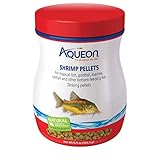
- Ideal for bottom dwelling fish
- Nutritious food ingredients that fish are naturally attracted to
- Formulated so that fish utilize more of what they eat and create less waste
- Supports a healthy immune system, brings out their true colors and provides the essentials for proper growth and vitality
- Will not cloud water when fed as directed
Rank #4

- Contains one (1) API BOTTOM FEEDER PELLETS WITH SQUID Fish Food 1.3-Ounce Container
- Includes optimal protein sources to support healthy fish and ideal growth
- Contains SQUID pellet, mussel, and seaweed for improved nutrition and great taste
- Formulated for easy digestion, leading to less toxic ammonia and cleaner, clearer water
- Feed as much as fish can consume in 30 minutes as bottom feeders have slower feeding habits
Common feeding mistakes to avoid
- Assuming algae is enough. Corydoras are not algae eaters, and algae growth does not provide a reliable complete diet for a community tank.
- Assuming all plecos eat the same way. Their diets vary, and some species need animal foods or driftwood.
- Relying on scavenging. Food left by other fish may never reach the bottom, and it may not suit the bottom dweller.
- Adding more food without checking. Uneaten food decays; observe intake and remove leftovers.
Product prices and availability are accurate as of the date/time indicated and are subject to change. Any price and availability information displayed on Amazon at the time of purchase will apply.




