Quick wins for a faster PC:
Repair Windows errors before they cause bigger problemsFix Now →Scan for outdated or missing drivers - takes under a minuteDriver Scan →Most dog behavior problems improve when you identify what triggers and maintains the behavior, manage the setting, and reward a safer alternative. Barking, chewing, jumping, and other concerns can have different causes, so observe the individual dog rather than treating behavior as defiance.
Use reward-based methods and arrange the environment so your dog can succeed. The American Veterinary Society of Animal Behavior (AVSAB) recommends reward-based training for all dog training, including behavior problems, and says aversive methods are not necessary.


Start with safety and observation
Before choosing a response, note when the behavior happens, what comes before and after it, and whether it occurs only when the dog is alone. Keep people and animals safe; serious or escalating fear, anxiety, or aggression calls for individualized professional care.
- Look for patterns around visitors, food, toys, walks, sounds, or being left alone.
- Use video where appropriate to observe behavior that happens in your absence.
- If the dog cannot engage with a food reward around a trigger, increase distance and reduce the intensity of the exposure rather than pressing closer.
- For sudden or serious behavior concerns, consult a veterinarian and, when needed, a qualified reward-based behavior professional.
1. Excessive barking or howling
What it may mean
Barking has different possible triggers and functions. Consider what happens immediately before it and what the dog gets or avoids afterward; there is no single solution for every barking dog.
#1 Best Overall
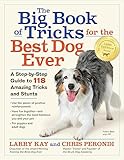
- Book: the big book of tricks for the best dog ever: a step-by-step guide to 118 amazing tricks and stunts
- Language: english
- Binding: paperback
What to do
- Observe the trigger and change the dog’s exposure where practical.
- Reward a quieter, appropriate alternative when the dog can respond.
- Use distance or a barrier if a person, dog, or activity is triggering the barking.
2. Destructive chewing
What it may mean
Chewing household items may reflect access, play, or other needs; chewing alone does not establish a particular diagnosis. Look at when and where it occurs.
What to do
- Put unsafe or valuable items out of reach.
- Offer an appropriate toy or chew option, then reward the dog for choosing it.
- Supervise and manage access while teaching the desired choice.
3. Digging
What it may mean
Digging is a behavior to assess in context. Observe where and when it happens before deciding what change may help.
What to do
- Identify the locations and circumstances associated with digging.
- Manage access to unsafe or unwanted areas.
- Offer an appropriate alternative activity and reinforce the behavior you want.
4. Jumping up on people
What it may mean
Jumping during greetings can be reinforced by access to people and attention. It can also create a safety concern, so prevent rehearsal where practical while teaching a greeting behavior the dog can perform successfully.
What to do
- Choose a greeting behavior, such as keeping four paws on the floor.
- Use a pet gate or other suitable barrier to manage access during arrivals.
- Reward the desired greeting and ask visitors to follow the same routine.
5. Mouthing, nipping, and play biting
What it may mean
Consider the context and the dog’s body language. If biting creates a safety concern or is serious or escalating, do not treat it as an ordinary training problem; seek individualized professional help.
The Tool Desk
Outbyte PC Repair FREERepair Windows errors before they cause bigger problemsFix Now →Outbyte Driver Updater FREEScan for outdated or missing drivers - takes under a minuteDriver Scan →What to do
- Pause interaction when teeth make contact and redirect to an appropriate toy.
- Keep children safe and supervised around the dog.
- Avoid force, pain, intimidation, or punishment.
6. Leash pulling and leash biting
What it may mean
Observe what the dog is trying to reach or respond to, and whether the walking environment is too difficult for the dog to engage with you.
What to do
- Start in a setting where the dog can pay attention.
- Reward the walking behavior you want.
- Increase distractions gradually, using distance when a trigger makes it difficult for the dog to respond.
7. House-training accidents
What it may mean
Consider the dog’s routine and environment rather than assuming the accident is deliberate. A veterinarian can help assess a new or concerning change.
What to do
- Arrange the routine and environment to make the desired toileting behavior easier.
- Reward the desired behavior when it happens.
- Manage access and supervise so the dog has a chance to succeed.
8. Destruction or vocalizing when left alone
What it may mean
Destruction or vocalizing during an absence can have different causes, including separation-related distress, confinement anxiety, territorial responses, barrier frustration, or boredom. Observe what happens rather than assuming the cause.
What to do
- Use video where appropriate to see what happens after departure.
- Consider whether behavior occurs with confinement or when the dog is left alone without confinement.
- Do not assume a crate will help; confinement may worsen distress for some dogs.
- Seek veterinary or qualified behavior-professional guidance for serious or persistent distress.
9. Fear or reactivity around a trigger
What it may mean
A dog’s response can indicate that a situation is too intense for comfortable learning. If the dog refuses food around a trigger, it may need more distance.
Free tools Windows power users keep installed
One-click scans. No signup required.
What to do
- Prioritize safety and create distance from the trigger.
- Proceed gradually, at a level where the dog can engage, and get appropriate guidance.
- Do not force close exposure or use punishment.
10. Aggression or severe anxiety
What it may mean
Aggression and severe anxiety need individualized assessment; a brief article cannot determine the cause or prescribe a complete behavior plan.
Rank #4
What to do
- Manage the environment to reduce risk and avoid forcing exposure to a trigger.
- Arrange veterinary assessment and seek a qualified reward-based behavior professional.
- Follow an individualized plan; medication may sometimes be appropriate under veterinary guidance.
Humane principles for behavior change
- Reward the behavior you want. Reinforcement helps teach a dog which response to repeat.
- Manage the setting. Use barriers, distance, and supervision where practical to help the dog succeed.
- Attend to stress. If the dog cannot engage with a reward around a trigger, change the exposure and seek guidance as appropriate.
- Avoid aversive methods. AVSAB recommends reward-based methods for training and behavior problems.
FAQ
Why does my dog bark so much?
Barking can have different triggers and functions. Observe what happens before and after it, then adjust exposure and reward a suitable alternative.
How do I stop my dog from jumping on people?
Prevent rehearsal where practical, such as by using a pet gate during arrivals, and reward a greeting behavior the dog can perform successfully.
Why does my dog destroy things when left alone?
Destruction while alone can have different causes. Video observation may help clarify what happens; do not assume it is separation anxiety or that a crate will solve it.
What can I do about my dog’s separation anxiety?
Observe the behavior and seek veterinary or qualified behavior-professional guidance for serious or persistent distress. Confinement is not automatically helpful and may worsen distress for some dogs.
Why won’t my dog take treats near a trigger?
The dog may be too stressed at that distance or exposure level to engage with food. Increase distance and proceed gradually with appropriate guidance.
Quick Recap
Product prices and availability are accurate as of the date/time indicated and are subject to change. Any price and availability information displayed on Amazon at the time of purchase will apply.




